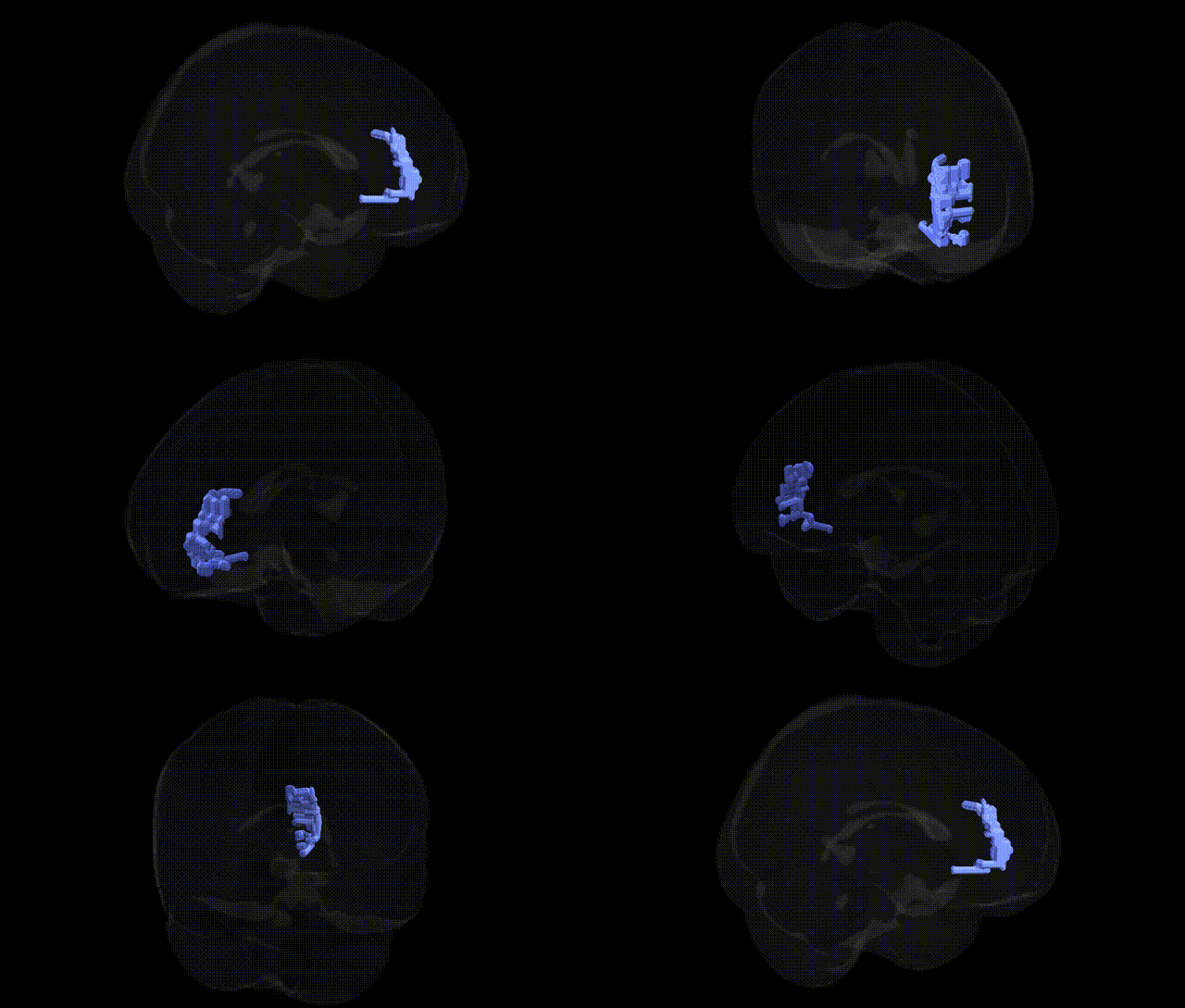
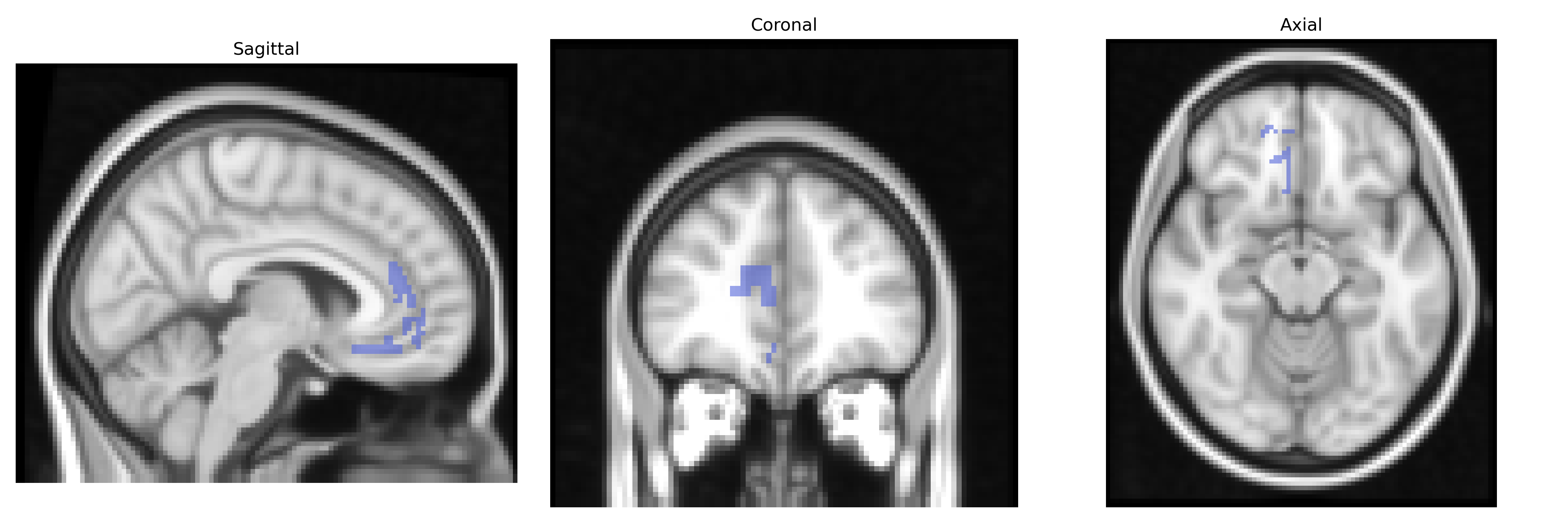
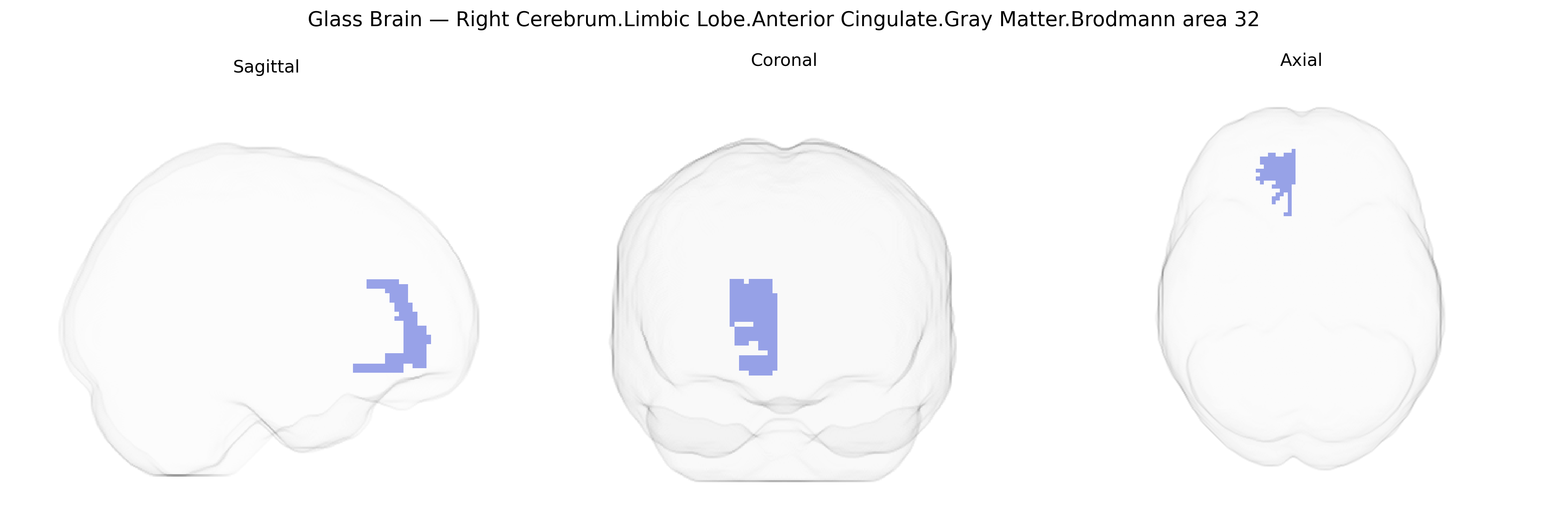
Bilateral Right Cerebrum.Limbic Lobe.Anterior Cingulate.Gray Matter.Brodmann area 32 corresponds to a medial frontal cortical region within the anterior cingulate gyrus, part of the limbic lobe implicated in emotion, cognitive control, and autonomic regulation. Brodmann area 32 lies dorsal to the genu of the corpus callosum and is cytoarchitectonically characterized by agranular to dysgranular cortex with dense interconnections to prefrontal, premotor, and limbic structures, including amygdala and hippocampal formations. Functionally, this region contributes to conflict monitoring, decision-making, error detection, and modulation of affective responses, integrating motivational and cognitive information to guide adaptive behavior. There is no direct link for this exact Talairach composite label; a closely related structure is Anterior cingulate cortex.
The bilateral right anterior cingulate cortex (ACC), including Brodmann area 32 of the limbic lobe, has been repeatedly implicated in genetic studies of psychiatric, cognitive, and pain-related phenotypes, although most findings concern the ACC more broadly than Talairach-precise BA32. GWAS of brain imaging endophenotypes (e.g., ENIGMA and UK Biobank cohorts) have identified common variants in genes related to synaptic function and neurodevelopment—such as CACNA1C, GRIN2A, and genes in glutamatergic and calcium-signaling pathways—associated with ACC cortical thickness, surface area, and functional connectivity. In psychiatric genetics, risk variants for major depressive disorder, bipolar disorder, schizophrenia, and anxiety (including loci near CACNA1C, DRD2, and immune-related genes in the MHC region) have been linked to ACC structural and functional alterations, with ACC/BA32 frequently showing reduced gray matter volume or altered activity in carriers of higher polygenic risk scores. Serotonin-related genes (e.g., HTR1A, HTR2A, SLC6A4) and COMT Val158Met have been associated with individual differences in ACC activation during cognitive control, emotion regulation, and pain processing tasks. GWAS and candidate-gene studies of chronic pain, fibromyalgia, and sensitivity to nociception implicate ACC/BA32 as a key site where genetic variation in opioid, dopaminergic, and inflammatory pathways modulates pain perception and affective response. In neurodevelopmental and personality-related genetics, variants influencing fronto-limbic connectivity (e.g., in CNTNAP2, DISC1, and BDNF) have been associated with ACC morphometry and traits such as neuroticism, harm avoidance, and impulsivity. Overall, genetic associations for this region converge on pathways involved in synaptic plasticity, monoaminergic and glutamatergic signaling, calcium channels, and neuroinflammation, with ACC/BA32 serving as a critical structural and functional mediator of genetic risk for mood, psychotic, and pain-related disorders.
Overview generated by GPT-4o (2026).
Region ID: 396
Hemisphere: bilateral
Atlas: Talairach labels 2mm
Full Quality Version: Download MP4
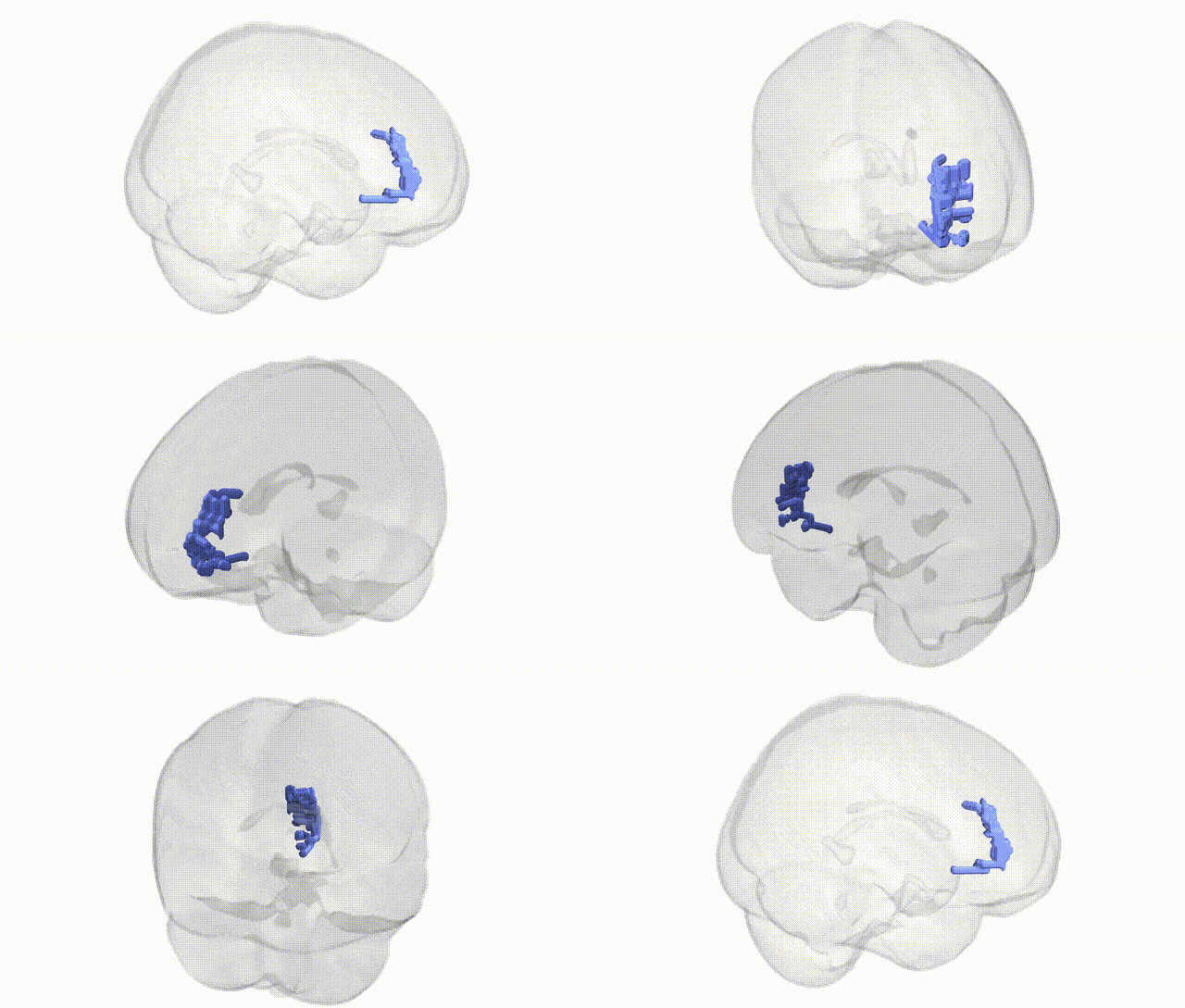
Full Quality Version: Download MP4
Wali Sidiqyar*, Gaurav Rudravaram*, Elyssa M. McMaster, Trent M. Schwartz, Adam M. Saunders, Kurt G. Schilling, Bennett A. Landman "Introducing SPINS: A Shared Public Visualization Library of Neuroanatomical Structures." Medical Imaging with Deep Learning- short paper
This resource is licensed under CC0 1.0 Universal (Public Domain).