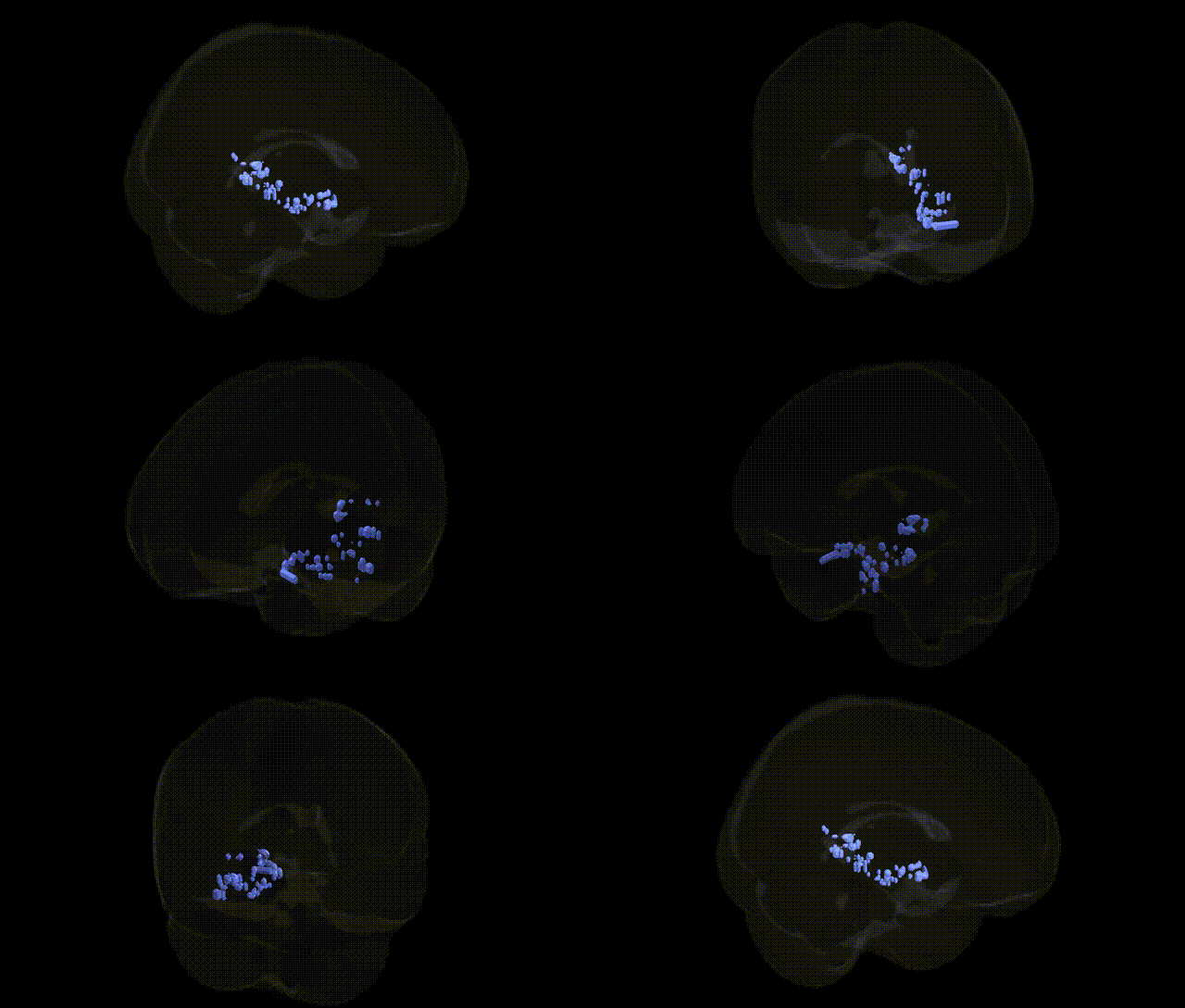
The bilateral Right Cerebrum.Limbic Lobe.Parahippocampal Gyrus corresponds to cortex along the medial temporal lobe that forms part of the limbic system, wrapping around the hippocampal formation. It is heavily involved in memory encoding and retrieval, particularly contextual and spatial aspects of memory, and contributes to scene recognition and navigation through its connections with the hippocampus, entorhinal cortex, and other limbic structures. The parahippocampal gyrus also participates in processing environmental context and may play roles in emotional memory and associative learning, integrating multimodal sensory information to support coherent memory representations. Parahippocampal gyrus
The parahippocampal gyrus, a key component of the limbic lobe in the right cerebrum, shows robust genetic associations with episodic memory, spatial navigation, and risk for several neuropsychiatric and neurodegenerative disorders based on GWAS and imaging-genetics studies. Variants in genes related to synaptic plasticity and neurodevelopment—such as those in the APOE locus (particularly APOE ε4), CLU, PICALM, BIN1, and CR1—are linked to parahippocampal volume and functional integrity, especially in the context of Alzheimer’s disease risk and progression. Large-scale GWAS of brain imaging phenotypes (e.g., UK Biobank studies) have identified multiple loci influencing cortical thickness and surface area in medial temporal structures including the parahippocampal gyrus, implicating genes involved in axonal guidance, glutamatergic signaling, and neuronal differentiation (such as KIAA0319, DCDC2, SORL1, and BDNF) and suggesting shared genetic architecture with cognitive performance and educational attainment. Psychiatric genetics studies associate parahippocampal morphology and activity with common risk variants for schizophrenia (e.g., in the major histocompatibility complex region), major depression, and bipolar disorder, where polygenic risk scores correlate with altered medial temporal volumes and connectivity. Additionally, GWAS of anxiety-related traits, post-traumatic stress disorder, and emotional memory indicate that allelic variation in stress-response and HPA-axis genes (such as FKBP5 and CRHR1) is linked to parahippocampal structure–function measures, supporting a genetically mediated role for this region in fear conditioning, contextual processing, and vulnerability to affective disorders.
Overview generated by GPT-4o (2026).
Region ID: 127
Hemisphere: bilateral
Atlas: Talairach labels 2mm
Full Quality Version: Download MP4
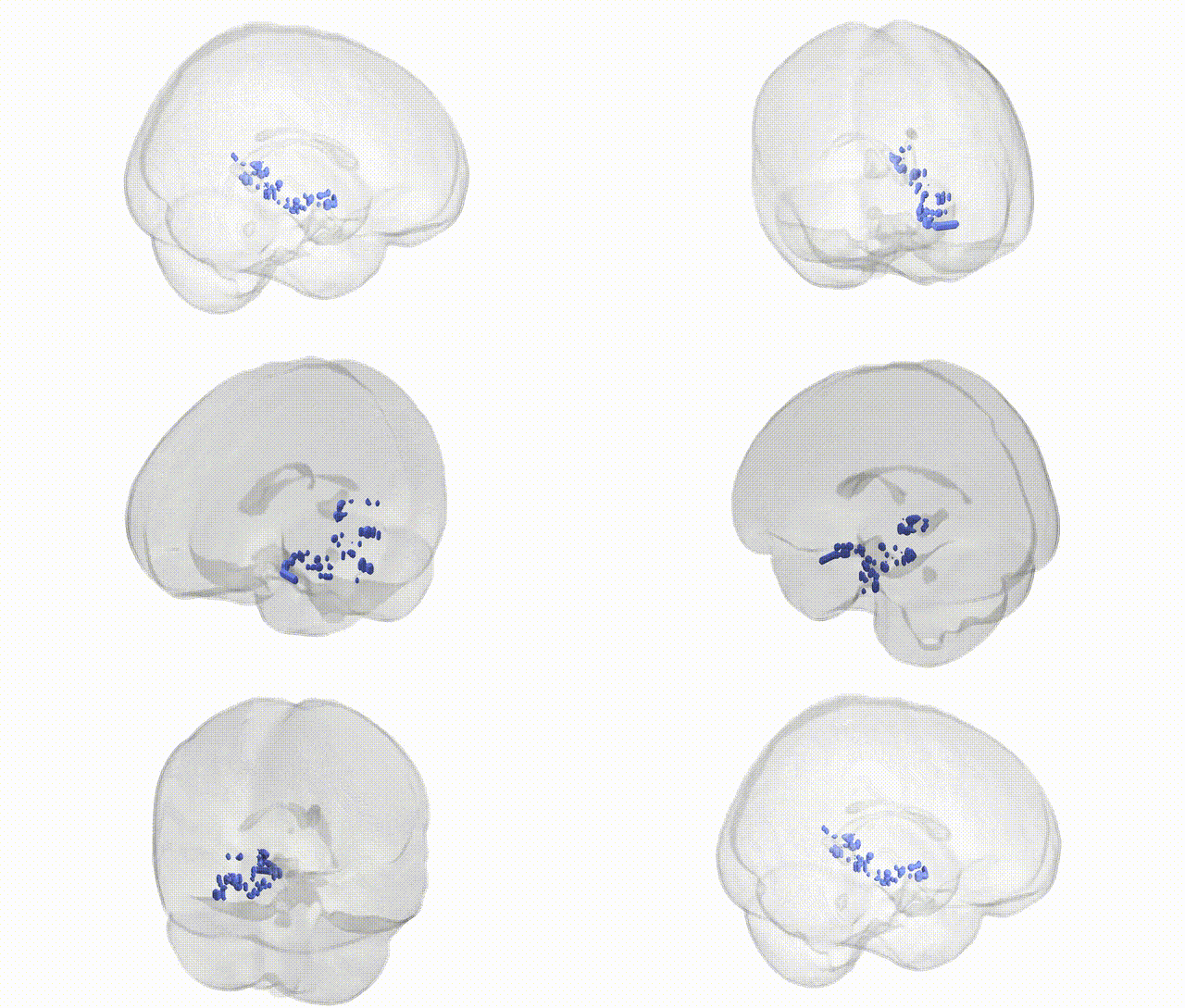
Full Quality Version: Download MP4
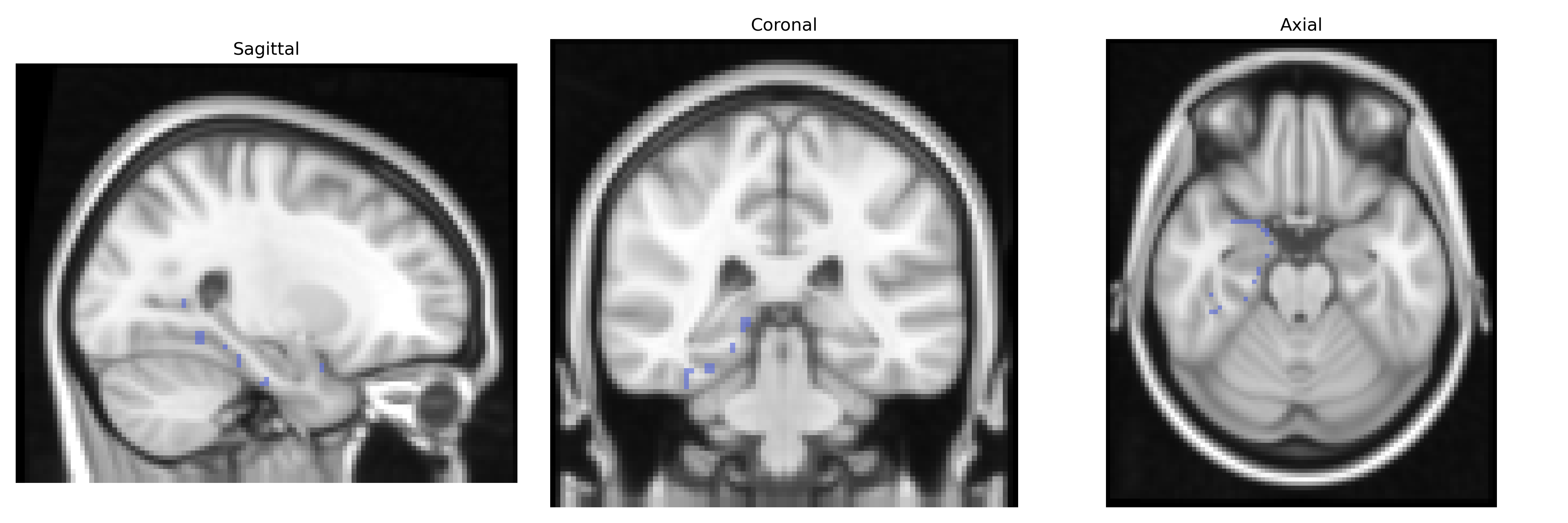
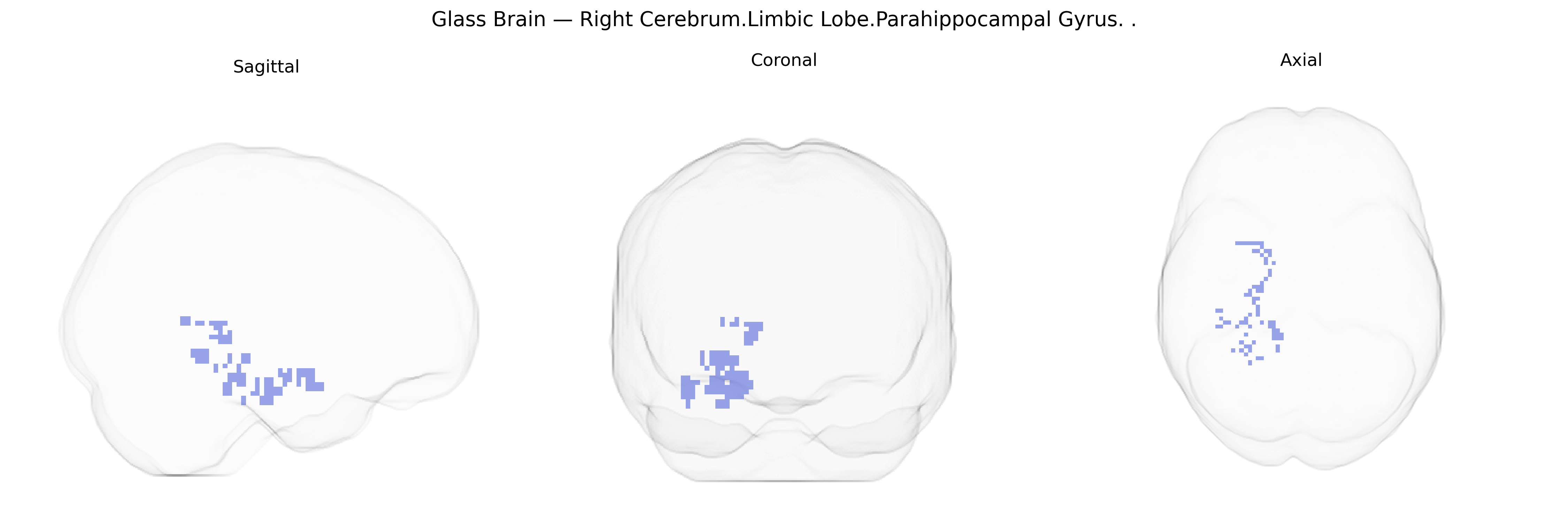
Wali Sidiqyar*, Gaurav Rudravaram*, Elyssa M. McMaster, Trent M. Schwartz, Adam M. Saunders, Kurt G. Schilling, Bennett A. Landman "Introducing SPINS: A Shared Public Visualization Library of Neuroanatomical Structures." Medical Imaging with Deep Learning- short paper
This resource is licensed under CC0 1.0 Universal (Public Domain).