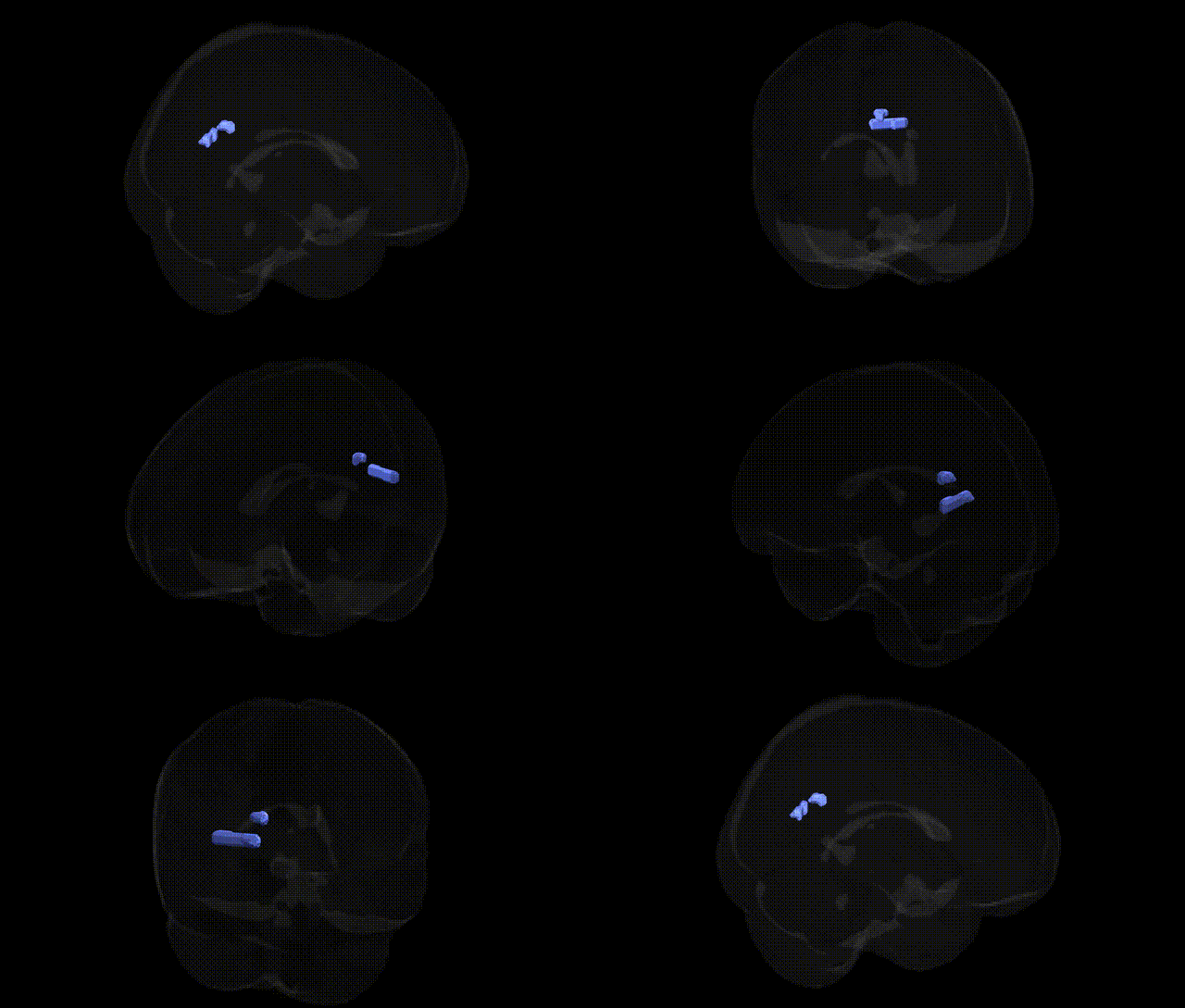
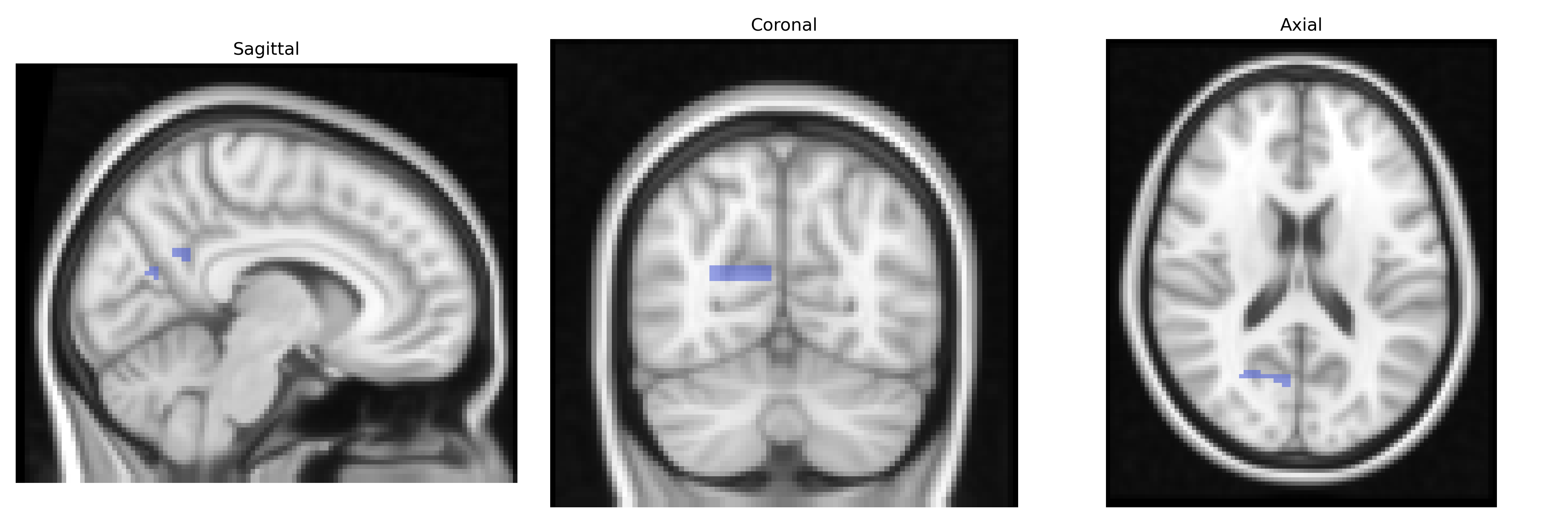
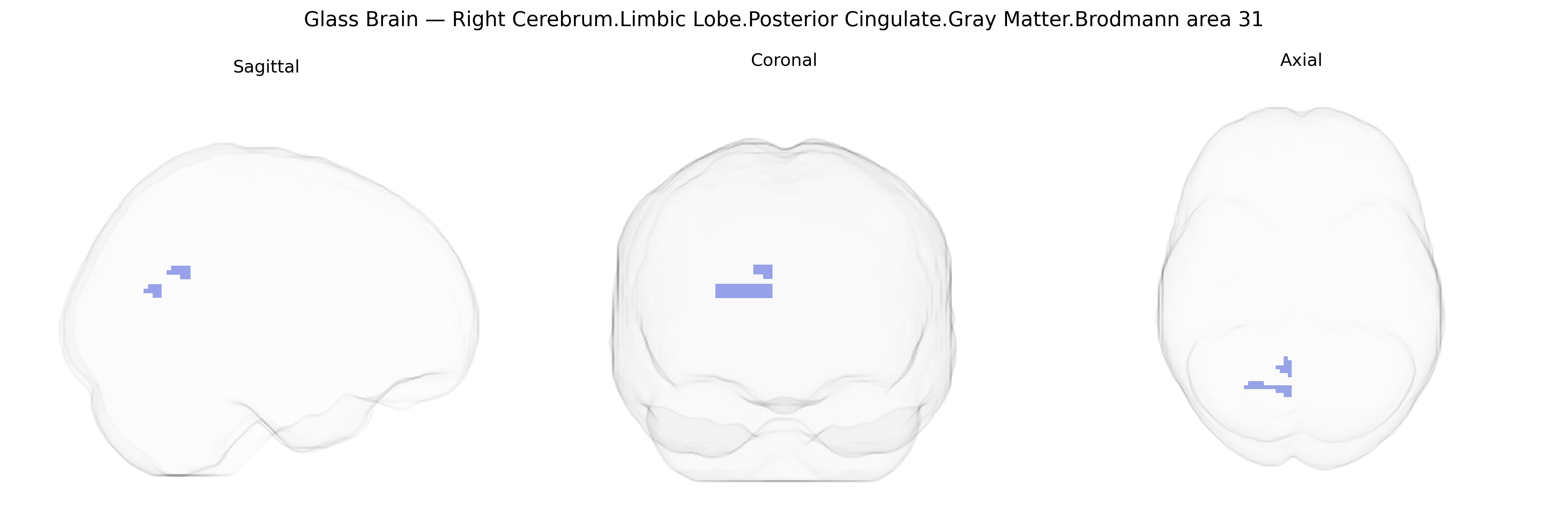
The bilateral Right Cerebrum.Limbic Lobe.Posterior Cingulate.Gray Matter.Brodmann area 31 corresponds to a portion of the posterior cingulate cortex within the limbic lobe, situated on the medial surface of the cerebral hemisphere, dorsal and posterior to the corpus callosum. Brodmann area 31 is cytoarchitectonically characterized as association cortex and is implicated in high-level integrative functions, including internally directed attention, autobiographical memory retrieval, and aspects of self-referential processing as part of the default mode network. This region participates in the integration of emotional, mnemonic, and visuospatial information and shows robust connectivity with the hippocampal formation, precuneus, medial prefrontal cortex, and other limbic and association areas. There is no direct link for “Brodmann area 31,” but it is part of the posterior cingulate cortex: Posterior cingulate cortex.
Genetic associations involving the bilateral Right Cerebrum Limbic Lobe Posterior Cingulate Gray Matter Brodmann area 31 (BA31) predominantly emerge from imaging genetics and GWAS of brain structure and function rather than region-specific gene studies. BA31 is consistently implicated in default mode network (DMN) activity, and GWAS using MRI-derived measures of cortical thickness, surface area, and functional connectivity in posterior cingulate/precuneus regions have identified variants in or near genes such as APOE (particularly ε4) and CLU related to Alzheimer’s disease risk, affecting posterior cingulate metabolism and atrophy; these effects often extend across DMN hubs including BA31. Large-scale neuroimaging GWAS (e.g., ENIGMA, UK Biobank) have linked common variants in loci such as 17q21.31 (MAPT region), 12q14 (MSRB3), and other cortical-structure loci to variation in medial parietal and posterior cingulate morphology, with downstream associations to cognitive performance, memory, and general intelligence. Functional imaging genetics has shown that risk alleles for major depressive disorder, schizophrenia, and autism spectrum disorder (e.g., in CACNA1C, ZNF804A, and other synaptic/neurodevelopmental genes) can modulate posterior cingulate/BA31 connectivity within the DMN, influencing self-referential processing, rumination, and social cognition phenotypes. Furthermore, GWAS of neuroticism, subjective well-being, and PTSD-related traits report enrichment in genes affecting DMN nodes, with BA31 frequently highlighted in endophenotype studies of rumination and autobiographical memory. Overall, genetic influences on BA31 are typically observed as part of network-level effects on DMN structure and function, converging across Alzheimer’s disease, mood and psychotic disorders, and cognitive/affective traits rather than being isolated to this Brodmann area alone.
Overview generated by GPT-4o (2026).
Region ID: 757
Hemisphere: bilateral
Atlas: Talairach labels 2mm
Full Quality Version: Download MP4
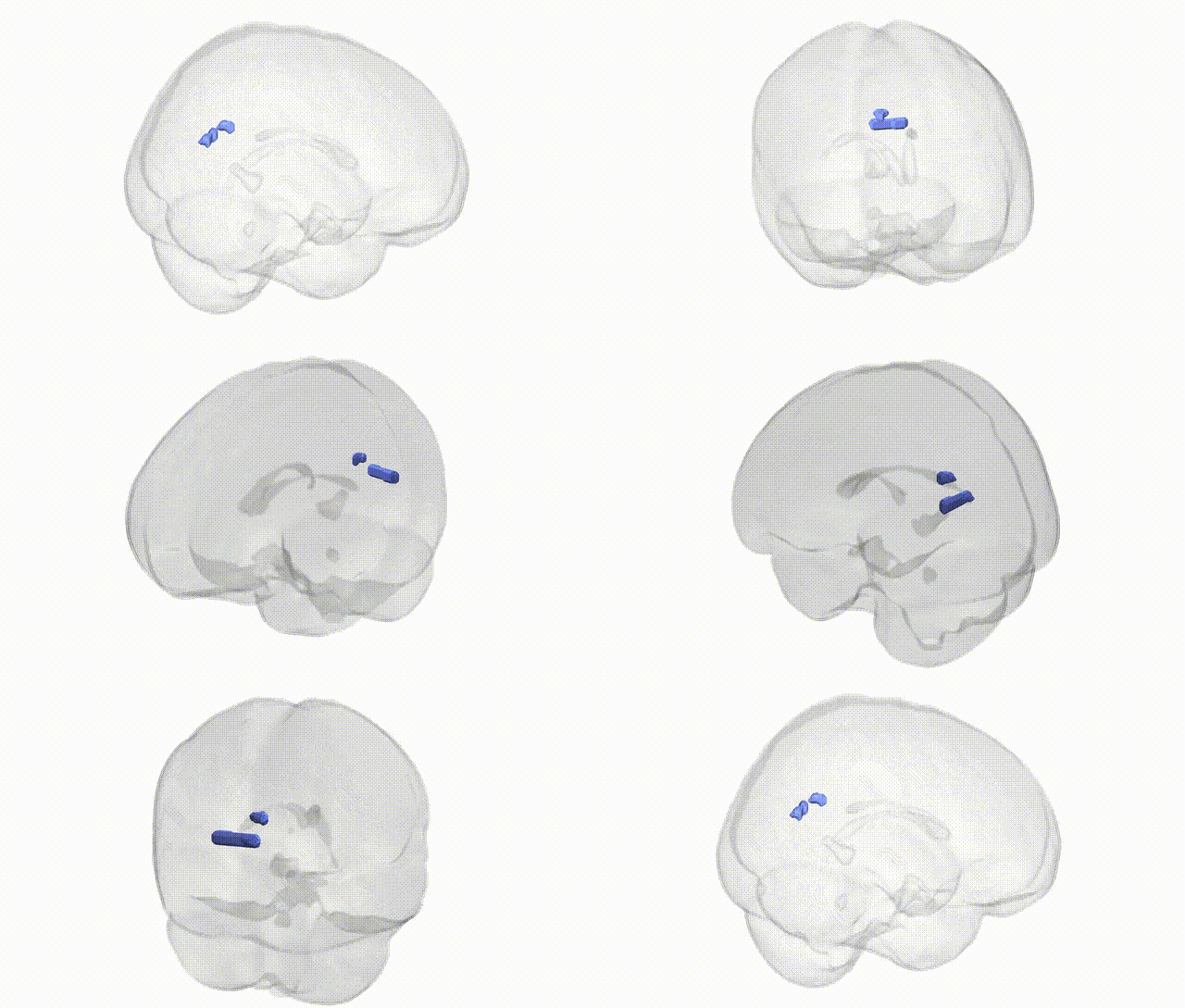
Full Quality Version: Download MP4
Wali Sidiqyar*, Gaurav Rudravaram*, Elyssa M. McMaster, Trent M. Schwartz, Adam M. Saunders, Kurt G. Schilling, Bennett A. Landman "Introducing SPINS: A Shared Public Visualization Library of Neuroanatomical Structures." Medical Imaging with Deep Learning- short paper
This resource is licensed under CC0 1.0 Universal (Public Domain).