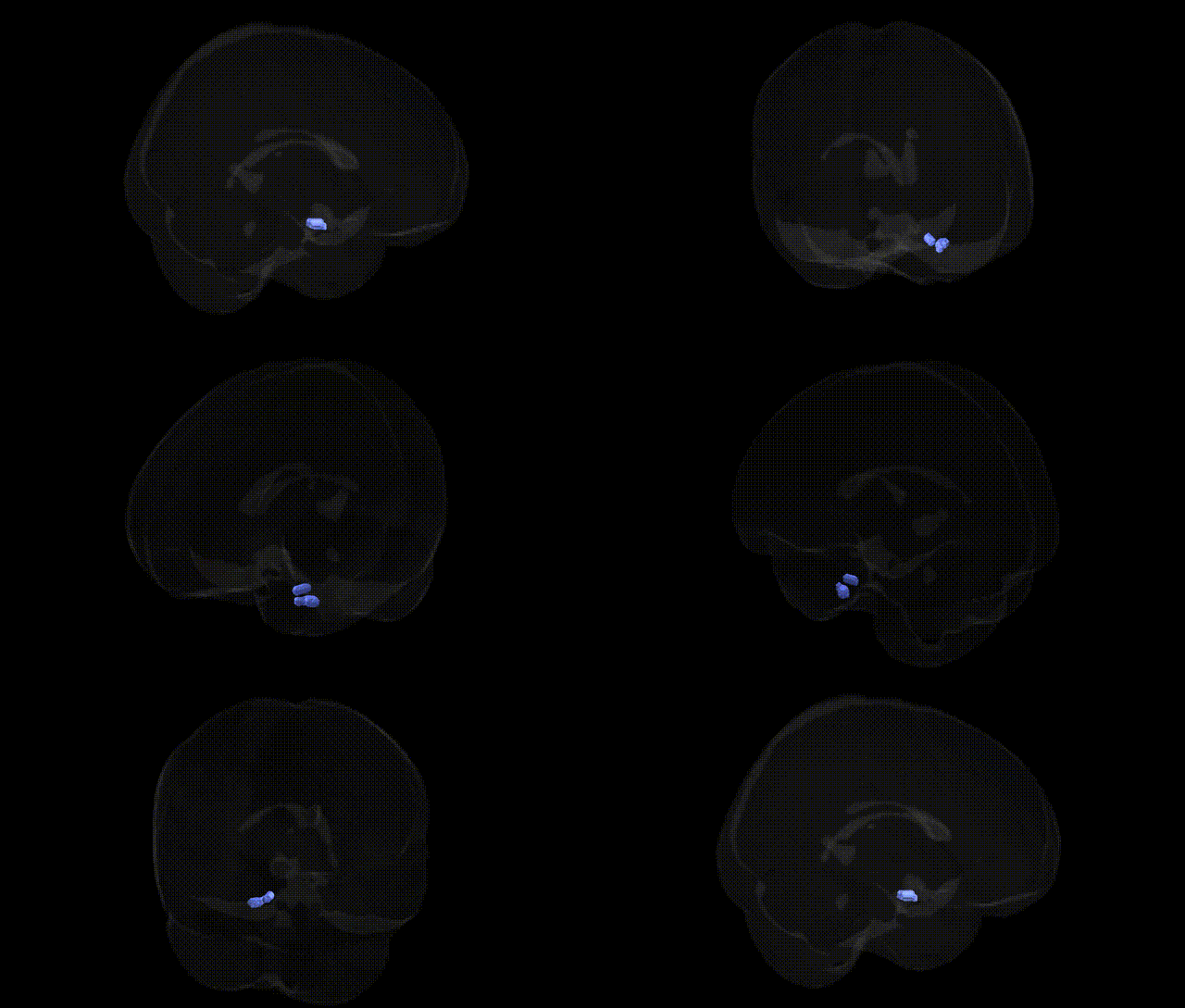
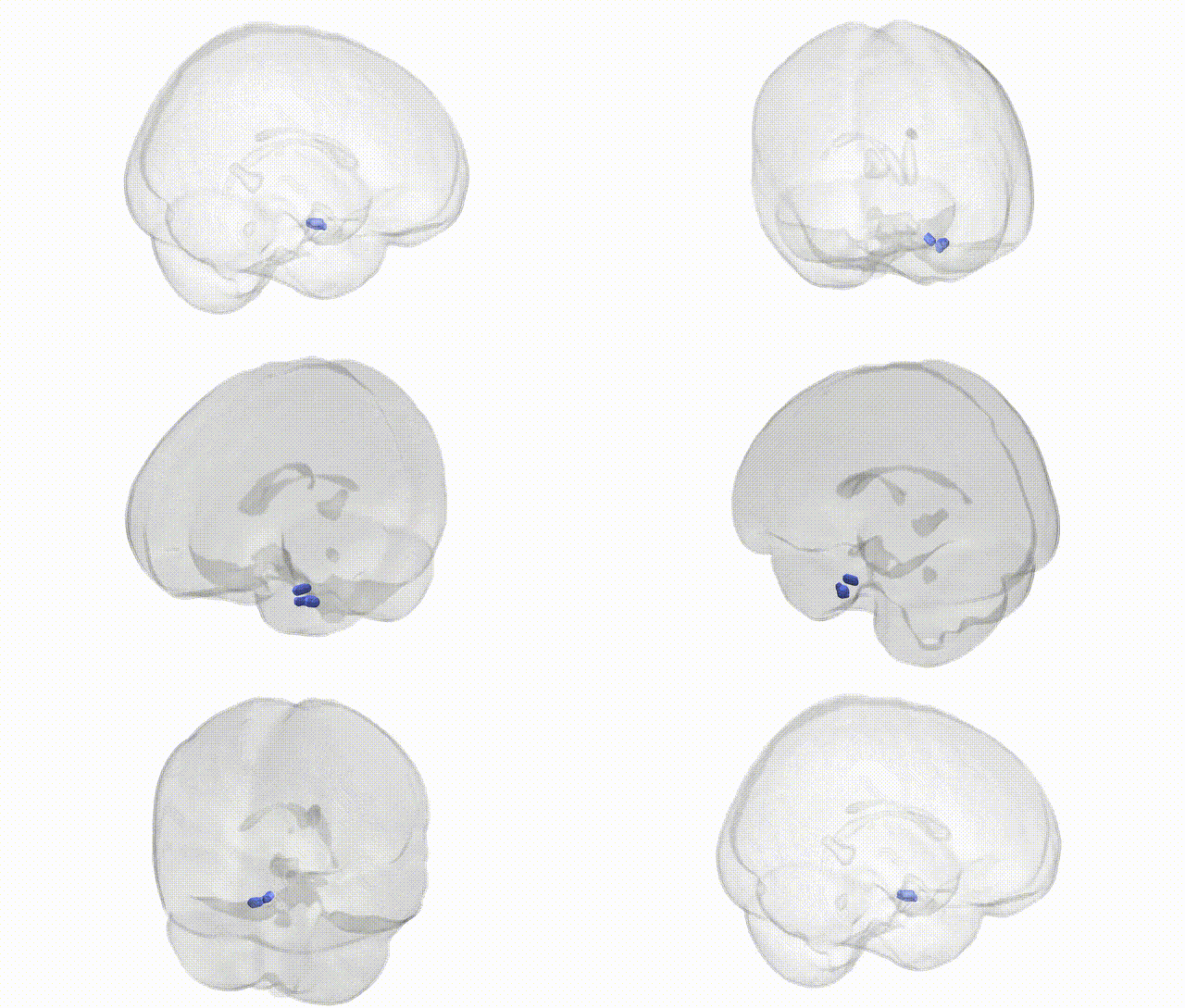
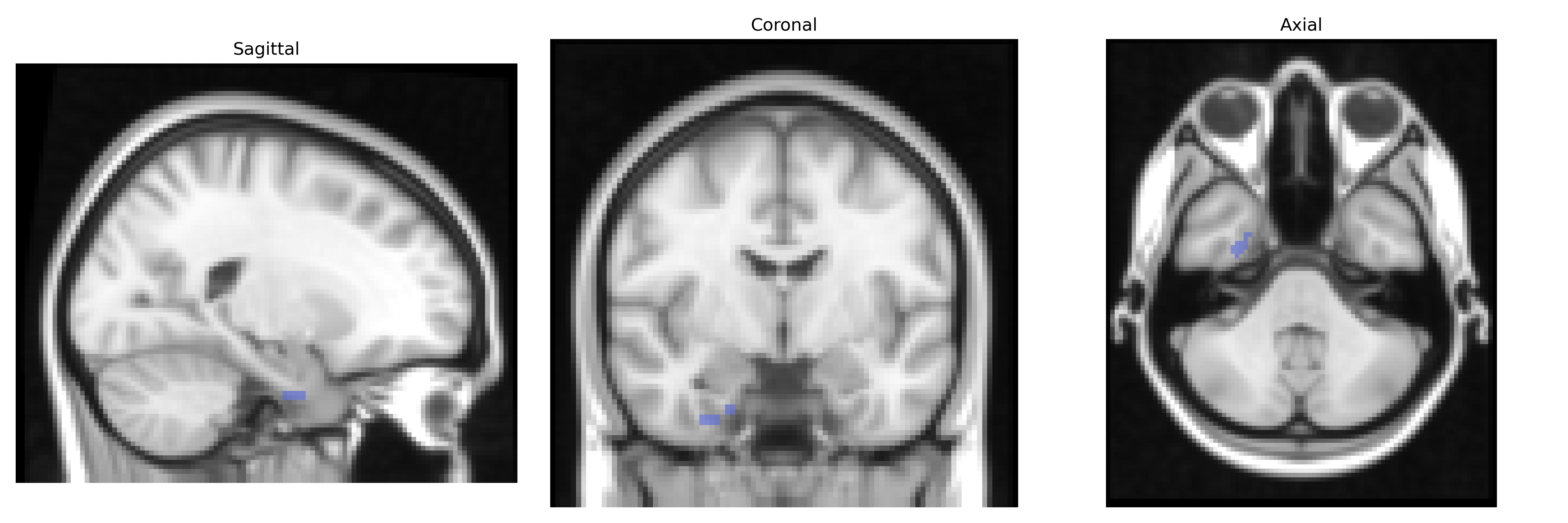
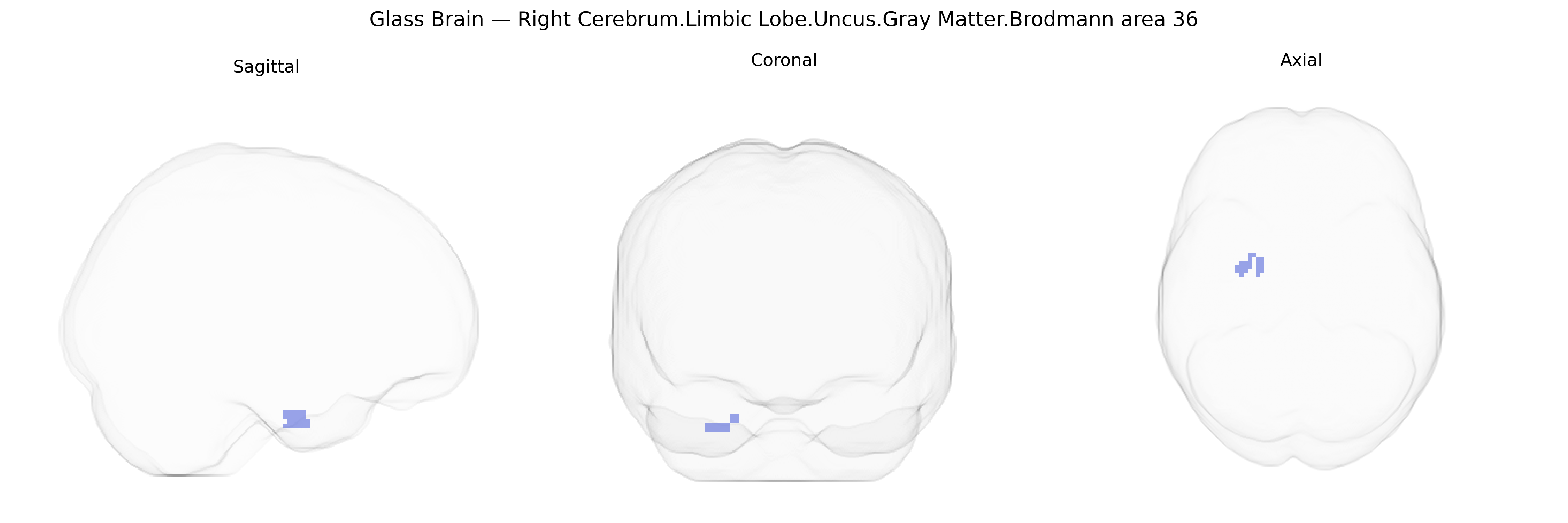
Bilateral Right Cerebrum Limbic Lobe Uncus Gray Matter Brodmann area 36 corresponds to cortex in the medial temporal lobe, specifically within the perirhinal region bordering the entorhinal cortex and amygdalar complex, and is implicated in high-level visual association and memory processing. Brodmann area 36 forms part of the parahippocampal–perirhinal network that supports recognition memory, familiarity-based judgments, and the integration of multimodal sensory information with stored representations, contributing to object identification and contextual memory. Cytoarchitectonically, it is characterized by a transitional neocortical–periallocortical pattern and lies adjacent to the Uncus and Parahippocampal gyrus; there is no direct link for Brodmann area 36 itself, but it is commonly discussed as part of the Perirhinal cortex.
The bilateral right cerebrum limbic lobe uncus gray matter region corresponding to Brodmann area 36 (part of the parahippocampal cortex) has been implicated in genetic studies of memory, emotion, and neuropsychiatric disorders, although most findings refer to the broader medial temporal lobe rather than this exact Talairach-defined parcel. GWAS and imaging genetics studies have linked variation in genes involved in synaptic plasticity, neurodevelopment, and glutamatergic signaling—such as BDNF, APOE, and genes in the MAPT and GRIN family—to structural and functional differences in parahippocampal and adjacent entorhinal/uncal regions, which encompass BA36. APOE ε4 and other Alzheimer’s disease risk loci (e.g., CR1, CLU, PICALM, BIN1) are associated with atrophy and altered connectivity in medial temporal structures including BA36, consistent with early neurodegenerative pathology there. Schizophrenia and major depression GWAS, while highly polygenic and distributed, have shown that aggregate polygenic risk scores relate to volume and activation changes in parahippocampal/uncal cortex, and candidate gene work (e.g., with BDNF Val66Met and serotonin-related genes such as SLC6A4) has linked allelic variation to memory performance, emotional processing, and activation patterns in BA36-containing regions during affective and mnemonic tasks. In temporal lobe epilepsy, variants in genes affecting excitability and neurodevelopment (e.g., SCN1A, GABRA2, and others) are associated with seizure onset and structural abnormalities involving the uncus and parahippocampal gyrus, though again the associations are typically regionally broad. Overall, genetic influences on this area appear to be embedded in large-scale networks for episodic memory, emotion, and susceptibility to Alzheimer’s disease, mood disorders, psychosis, and temporal lobe epilepsy, with BA36 functioning as a key medial temporal node rather than an isolated, uniquely characterized GWAS target.
Overview generated by GPT-4o (2026).
Region ID: 76
Hemisphere: bilateral
Atlas: Talairach labels 2mm
Full Quality Version: Download MP4
Full Quality Version: Download MP4
Wali Sidiqyar*, Gaurav Rudravaram*, Elyssa M. McMaster, Trent M. Schwartz, Adam M. Saunders, Kurt G. Schilling, Bennett A. Landman "Introducing SPINS: A Shared Public Visualization Library of Neuroanatomical Structures." Medical Imaging with Deep Learning- short paper
This resource is licensed under CC0 1.0 Universal (Public Domain).