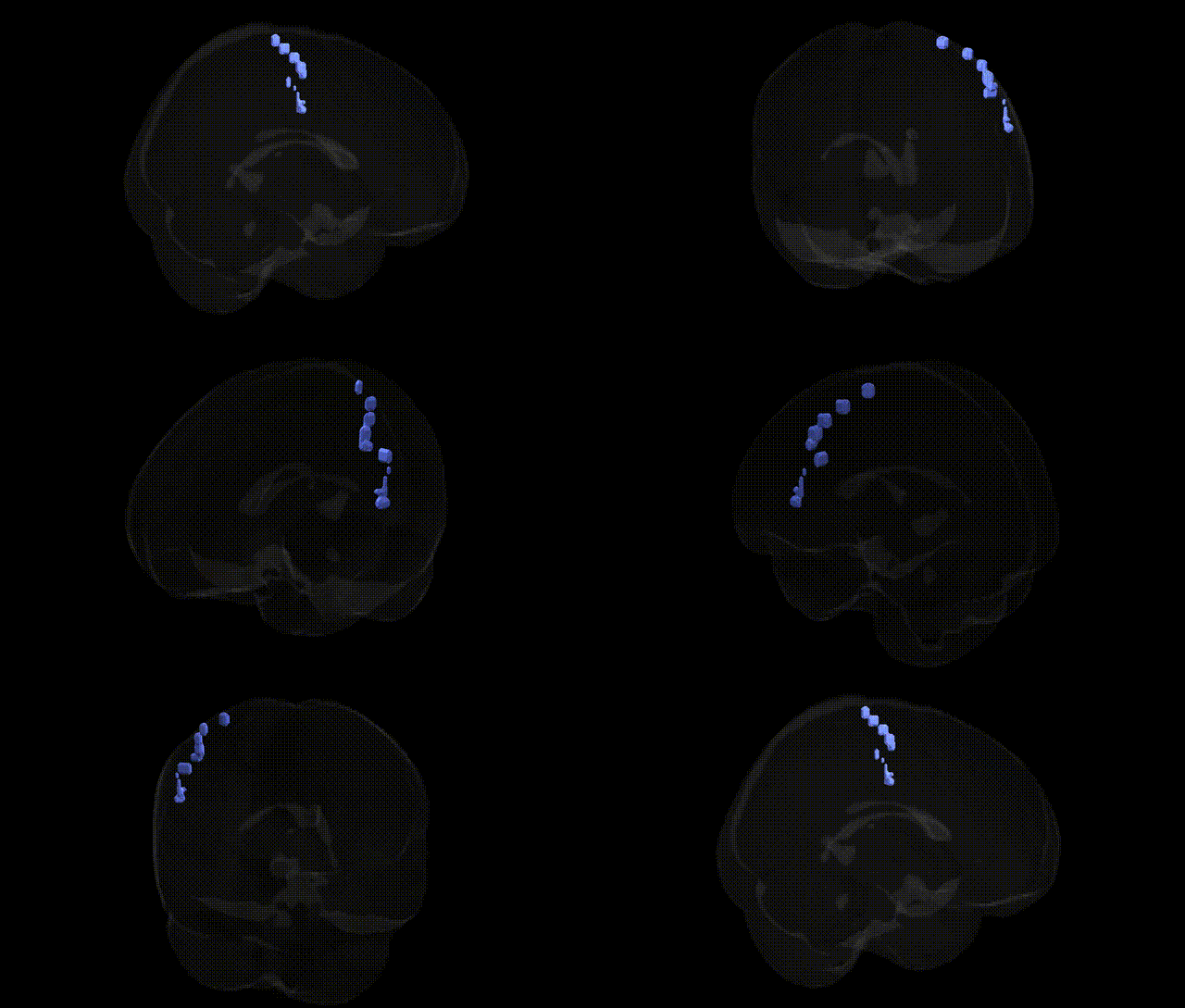
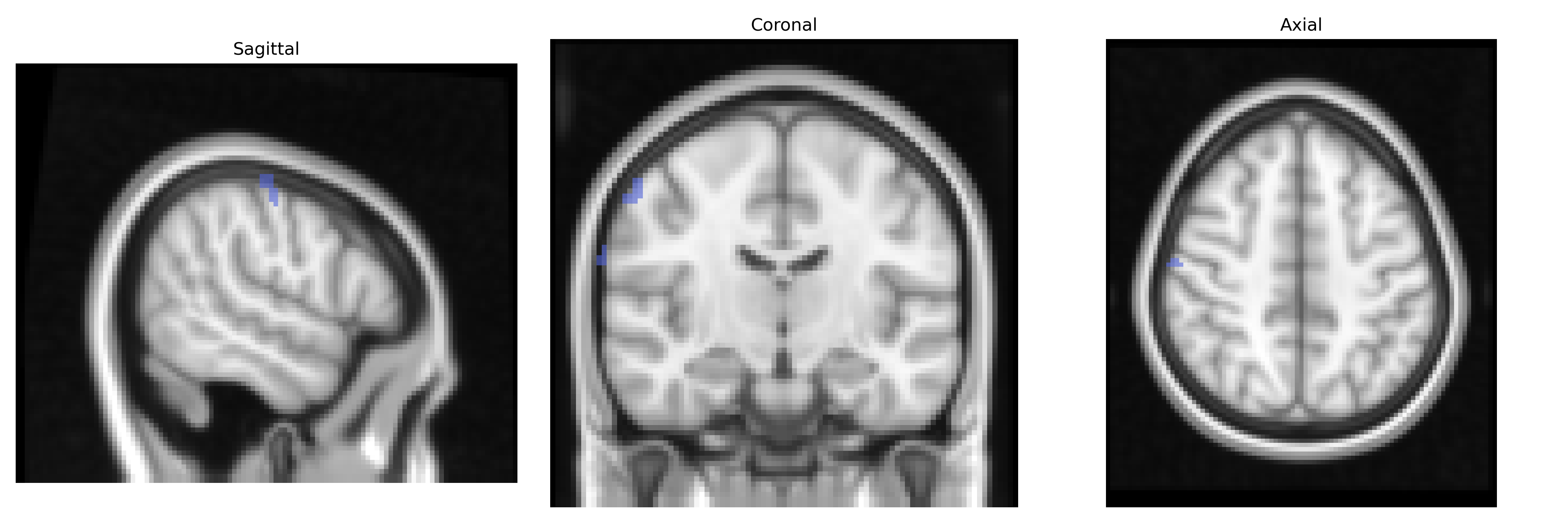
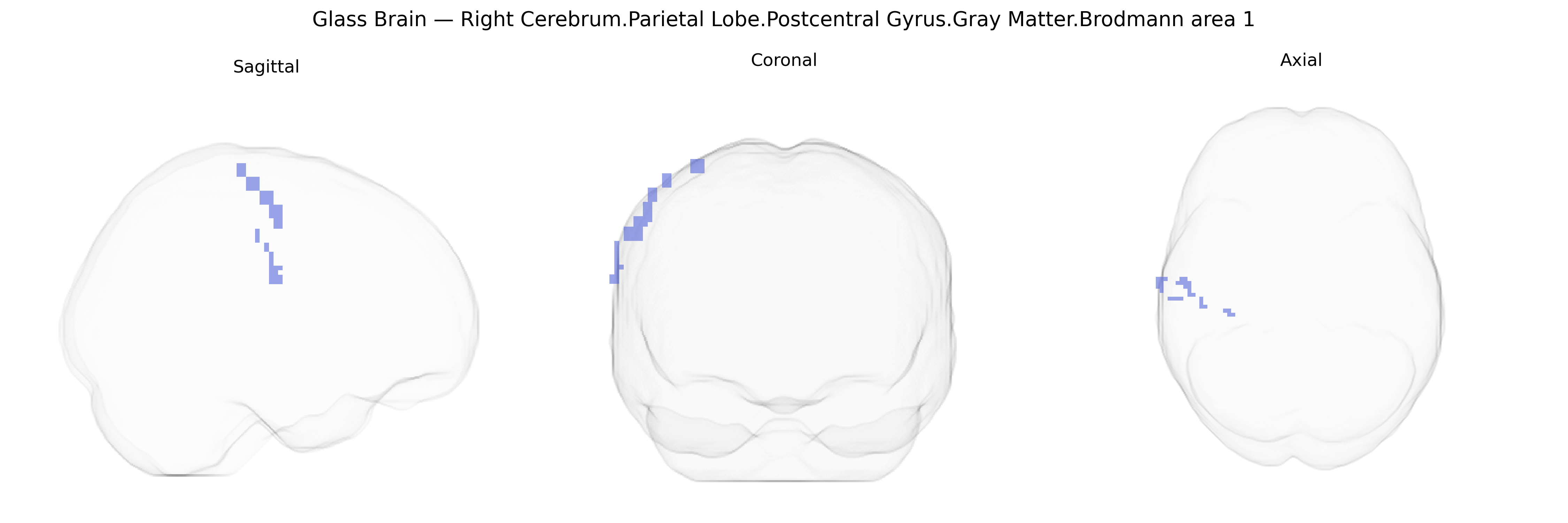
Bilateral Right Cerebrum.Parietal Lobe.Postcentral Gyrus.Gray Matter.Brodmann area 1 corresponds to a primary somatosensory cortical field located in the postcentral gyrus of the parietal lobe, specialized for processing tactile information such as texture, fine touch, and aspects of proprioception. As part of the primary somatosensory cortex, Brodmann area 1 receives highly processed input from adjacent areas (notably BA3b) and contributes to the conscious perception and discrimination of somatic stimuli across the body surface, with a somatotopic organization reflecting different body regions. Neuronal populations in this gray matter area exhibit receptive fields tuned to specific stimulus features, enabling integration of cutaneous inputs into detailed sensory representations that support object recognition by touch and sensorimotor coordination. There is no direct Wikipedia article specifically for “Brodmann area 1” as a standalone entry; a closely related structure is the Primary somatosensory cortex.
The bilateral right postcentral gyrus gray matter (Brodmann area 1) of the parietal lobe, a key somatosensory region, has been implicated in genetic studies primarily through its involvement in sensory processing, motor control, and neurodevelopmental and psychiatric conditions rather than via region-specific GWAS. Large brain imaging GWAS consortia (e.g., ENIGMA, UK Biobank) have identified polygenic influences on cortical thickness and surface area in the postcentral gyrus, with common variants in loci such as HMGA2, IGF1, and various neurodevelopmental and synaptic genes contributing to global and regional cortical morphology, though these effects are generally not specific to Brodmann area 1 alone. Genetic risk for autism spectrum disorder, ADHD, schizophrenia, and depression, mediated by variants in genes involved in synaptic plasticity (e.g., GRIN2B, CACNA1C, SLC6A4) and neuronal development (e.g., CNTNAP2, NRXN family), has been associated with altered structure or functional activation in somatosensory cortex, including postcentral regions, in imaging–genetics studies. Sensory and pain-related traits, such as chronic pain, migraine, and tactile sensitivity, show polygenic associations with somatosensory cortical activation and thickness, and variants in ion channel and pain pathway genes (e.g., SCN9A, TRPV1-related pathways) and inflammatory genes have been linked to alterations in somatosensory network function that include BA1. Additionally, motor and coordination-related traits (e.g., fine motor skills, handedness) and general cognitive performance exhibit genome-wide significant associations with parietal–sensorimotor networks, with genes influencing axon guidance, cortical patterning, and myelination (e.g., FOXP2-related networks, cell-adhesion and guidance molecules like ROBO/SLIT pathways) contributing to interindividual differences that encompass the right postcentral gyrus, although current evidence points to distributed, polygenic effects rather than discrete, Brodmann area–specific genetic determinants.
Overview generated by GPT-4o (2026).
Region ID: 894
Hemisphere: bilateral
Atlas: Talairach labels 2mm
Full Quality Version: Download MP4
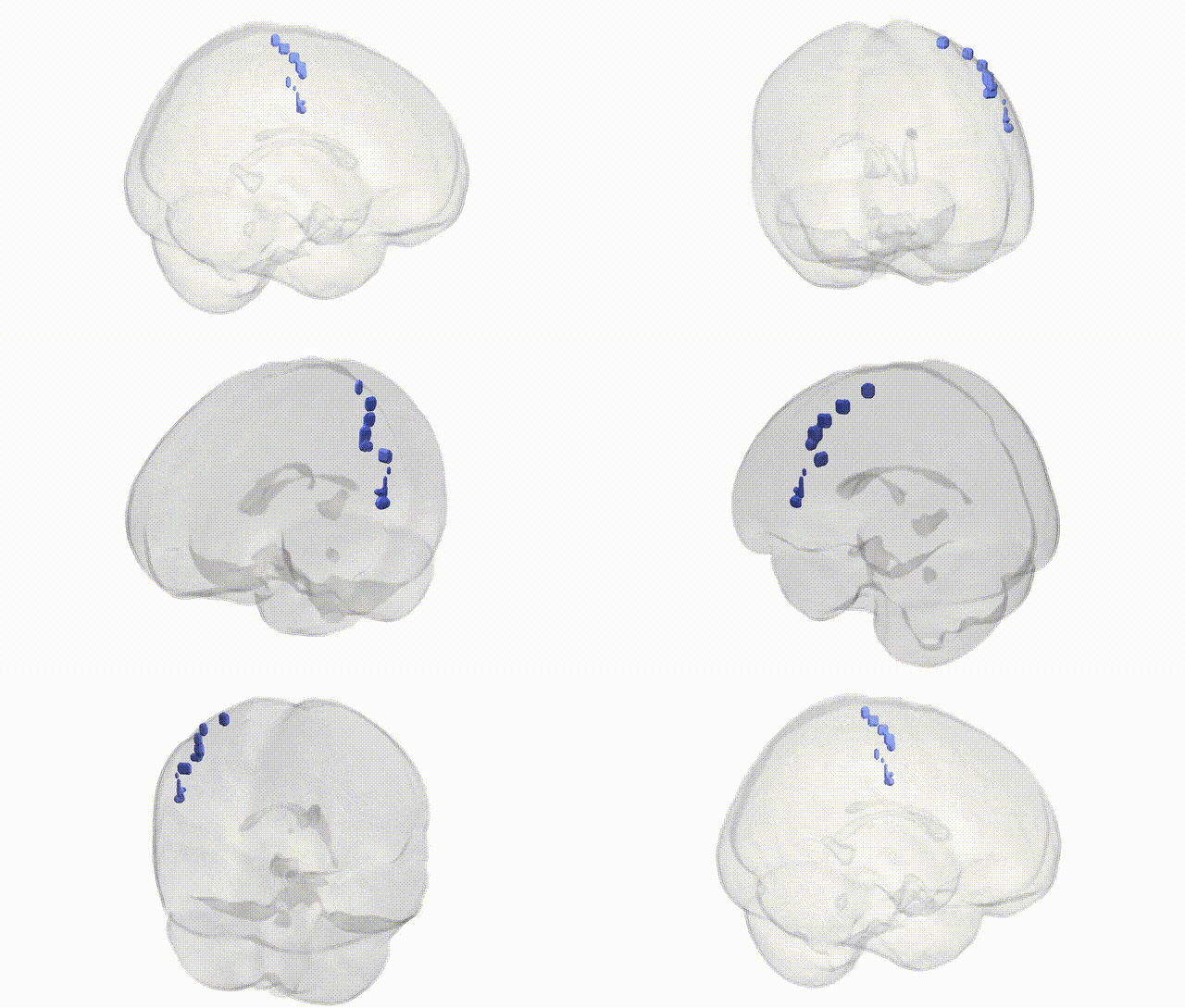
Full Quality Version: Download MP4
Wali Sidiqyar*, Gaurav Rudravaram*, Elyssa M. McMaster, Trent M. Schwartz, Adam M. Saunders, Kurt G. Schilling, Bennett A. Landman "Introducing SPINS: A Shared Public Visualization Library of Neuroanatomical Structures." Medical Imaging with Deep Learning- short paper
This resource is licensed under CC0 1.0 Universal (Public Domain).