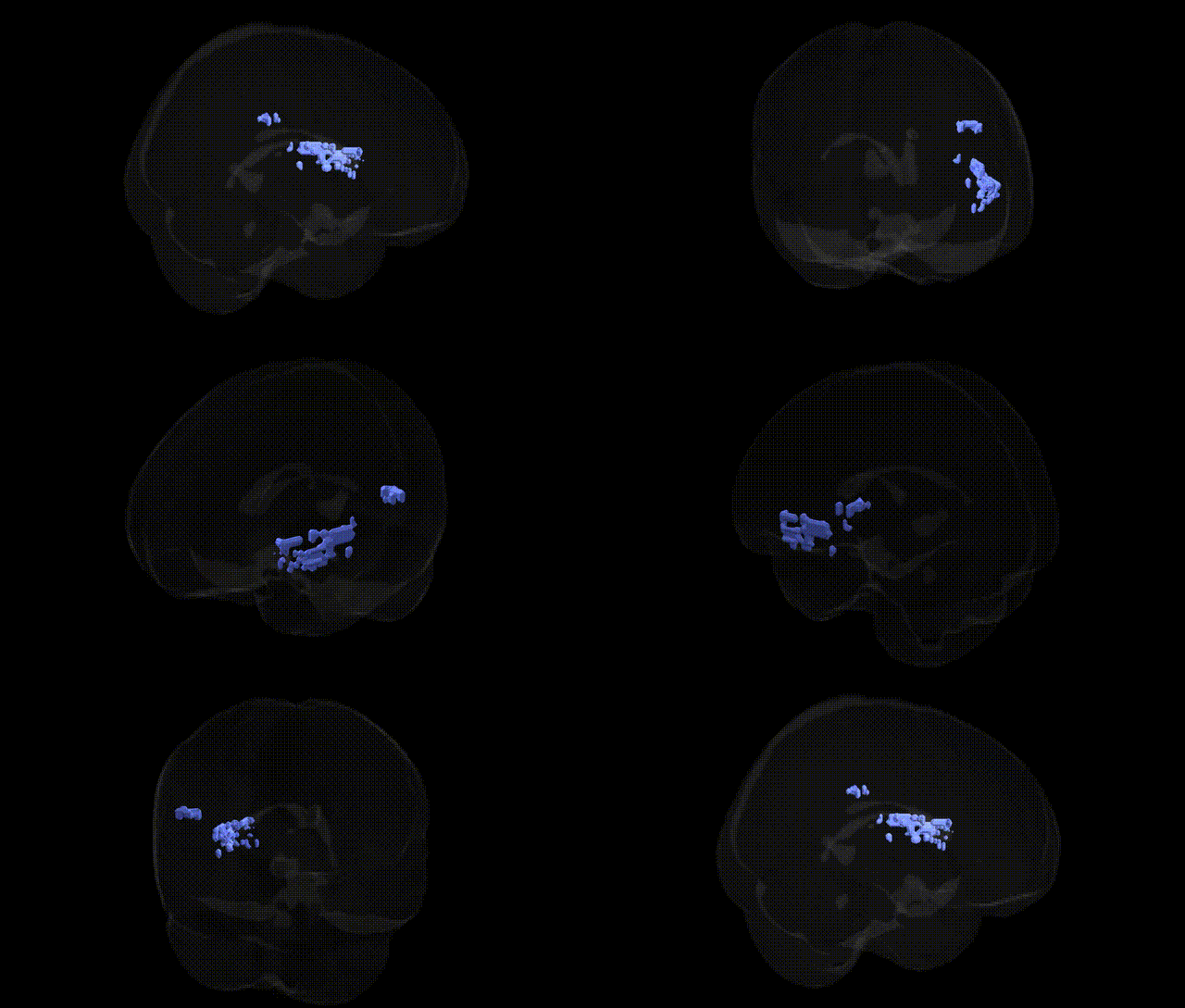
The bilateral Right Cerebrum.Sub-lobar.Insula refers to insular cortex tissue located deep within the lateral sulcus of the right cerebral hemisphere, beneath the frontal, parietal, and temporal opercula. The insula is a paralimbic structure that integrates interoceptive, visceral, somatosensory, emotional, and cognitive information, contributing to functions such as pain perception, autonomic regulation, gustation, risk evaluation, and aspects of self-awareness and social-emotional processing. Cytoarchitectonically, it transitions between allocortical and isocortical regions, forming an important hub between limbic structures (e.g., amygdala), frontal executive networks, and sensory cortices. Although the Talairach designation specifies a “sub-lobar” location, the insula is commonly classified as a distinct cortical lobe-like region due to its unique connectivity and functional profile. Insular cortex
The bilateral right insular cortex (Talairach “Right Cerebrum.Sub-lobar.Insula”) has been implicated in multiple genetic association studies, particularly GWAS of psychiatric, pain, and interoceptive traits. Variants in genes related to synaptic function and neurodevelopment (such as CACNA1C, GRIN2A, and BDNF) have been linked to structural and functional alterations in the insula, often via imaging-genetics studies showing insular volume or activation differences in carriers of risk alleles. Large neuroimaging GWAS consortia (e.g., ENIGMA, UK Biobank) have reported heritable variation in insular cortical thickness and surface area, with associated loci enriched for neurodevelopmental and neuronal signaling pathways. Clinically, genetic risk for major depressive disorder, schizophrenia, bipolar disorder, and anxiety disorders has been associated with insular abnormalities, including altered connectivity and activation during emotional and salience processing, suggesting that polygenic risk scores for these conditions partially act through insular circuitry. Pain-related traits, addiction vulnerability, and autonomic/interoceptive phenotypes also show genetic correlations with insula structure and function, with evidence that alleles in dopaminergic, glutamatergic, and opioid-related genes modulate insular responses to craving, pain, and visceral sensations. Overall, the right insula emerges as a genetically influenced hub in salience, affective, and interoceptive networks, with multiple psychiatric and behavioral GWAS pointing to this region as a key intermediate phenotype linking common genetic variation to complex brain-based traits.
Overview generated by GPT-4o (2026).
Region ID: 451
Hemisphere: bilateral
Atlas: Talairach labels 2mm
Full Quality Version: Download MP4
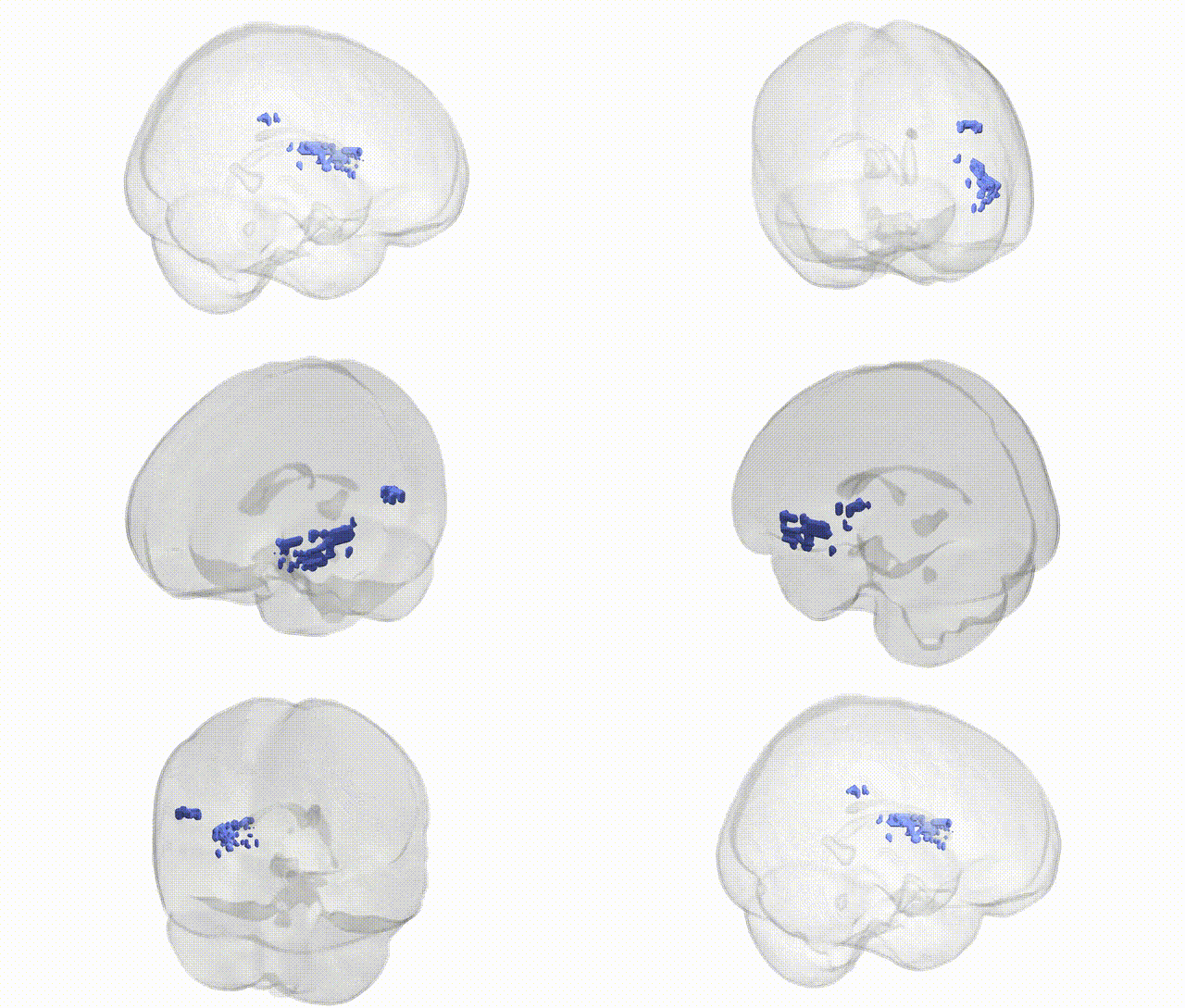
Full Quality Version: Download MP4
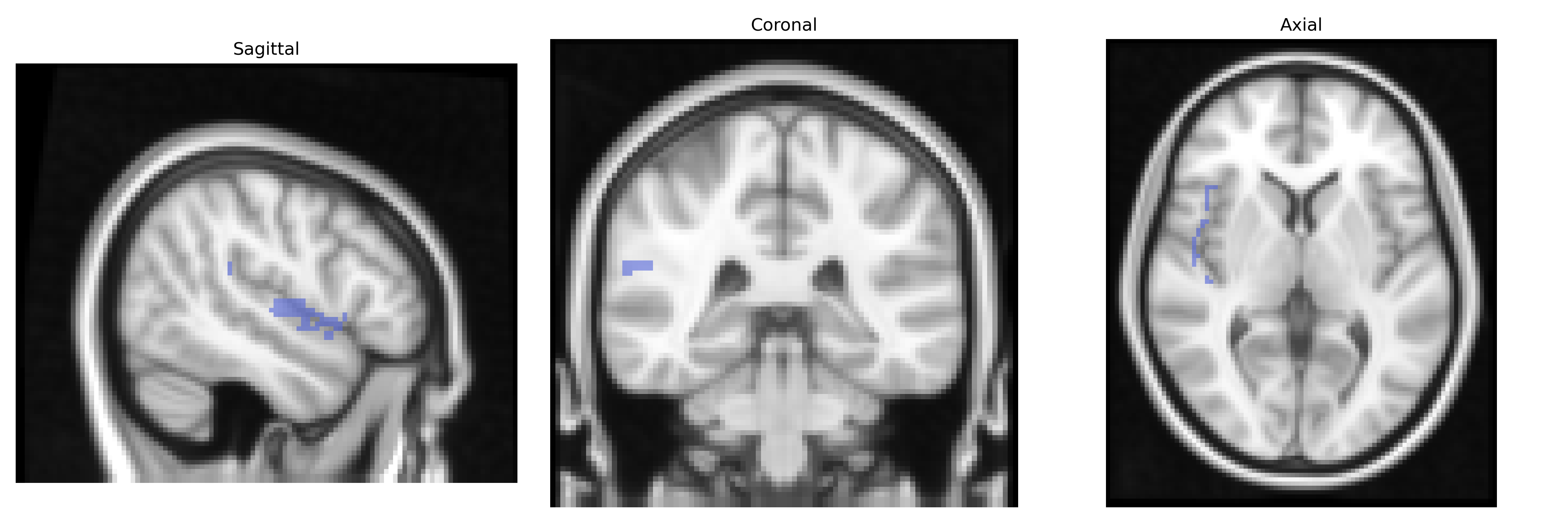
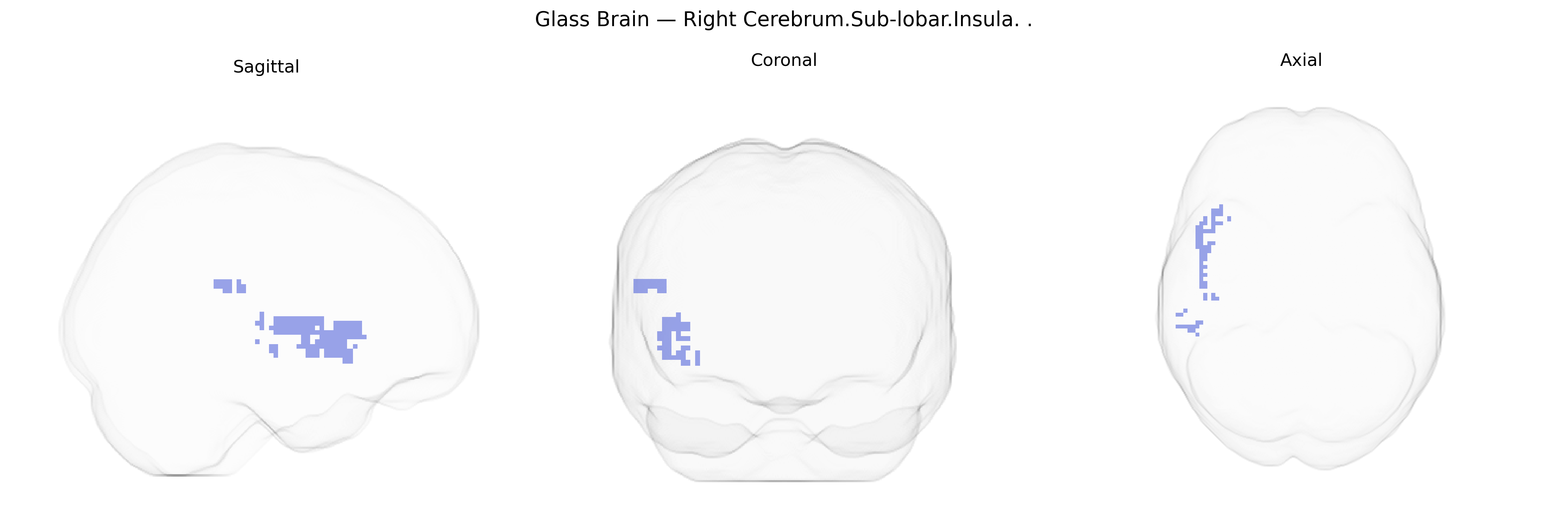
Wali Sidiqyar*, Gaurav Rudravaram*, Elyssa M. McMaster, Trent M. Schwartz, Adam M. Saunders, Kurt G. Schilling, Bennett A. Landman "Introducing SPINS: A Shared Public Visualization Library of Neuroanatomical Structures." Medical Imaging with Deep Learning- short paper
This resource is licensed under CC0 1.0 Universal (Public Domain).