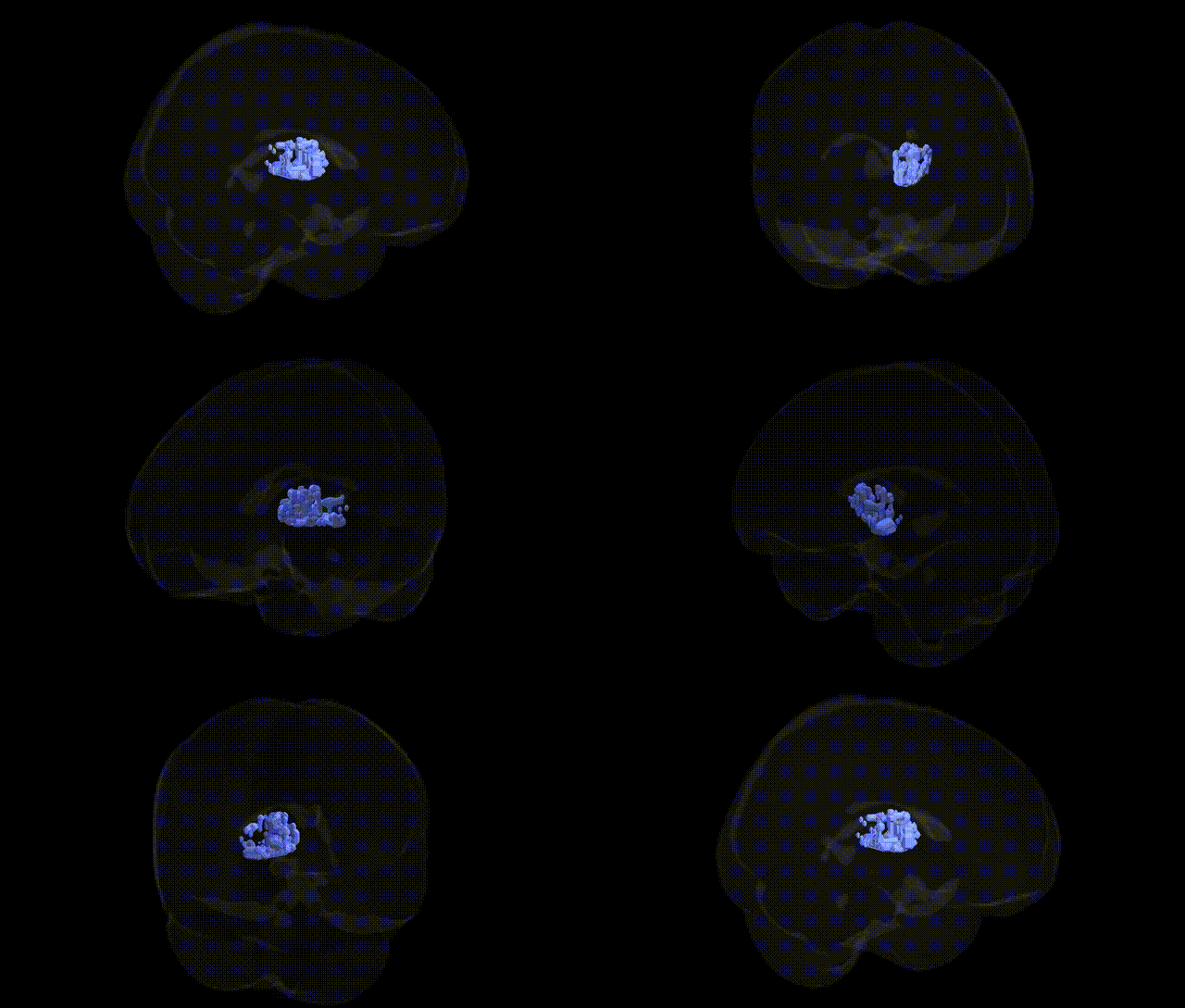
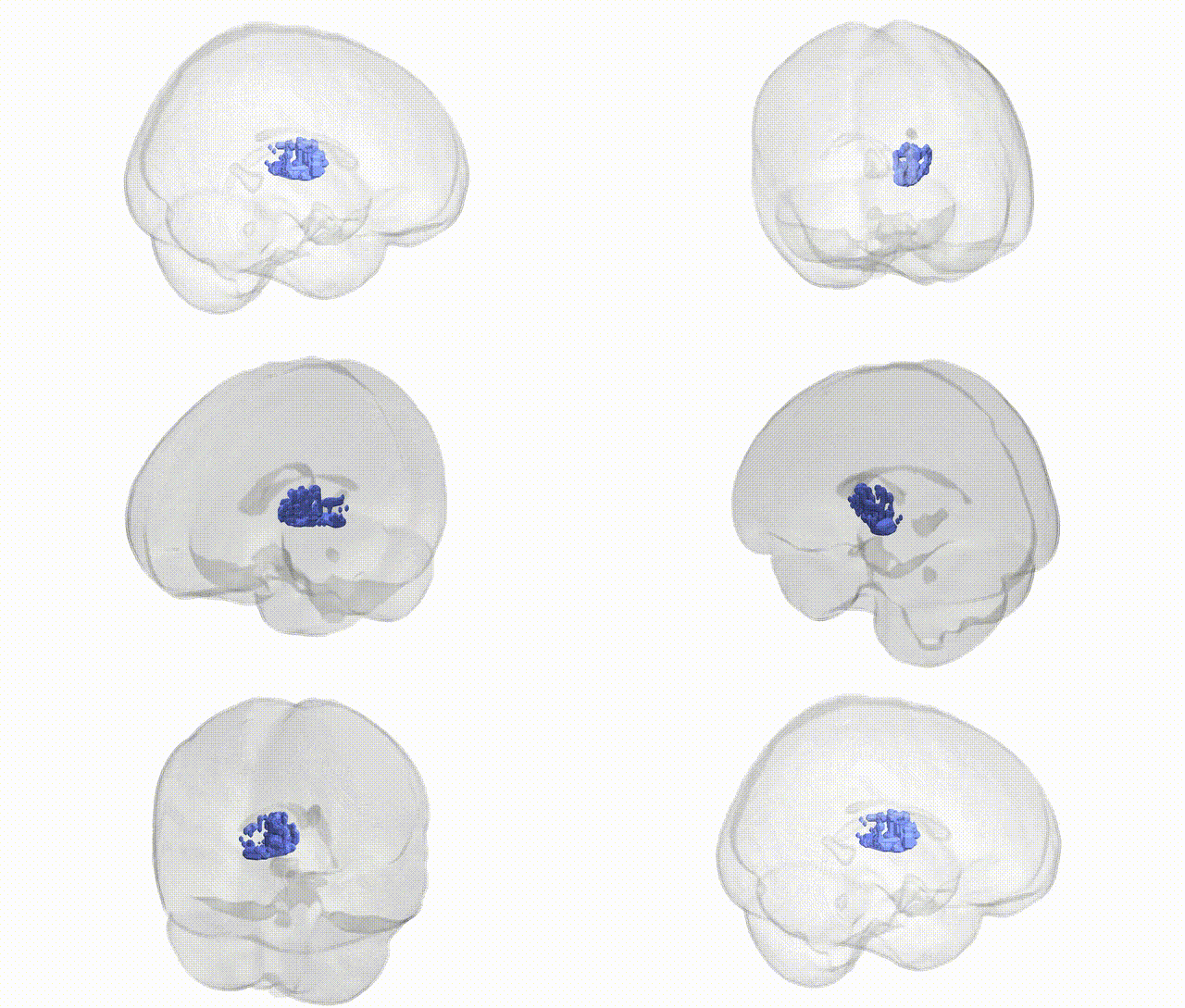
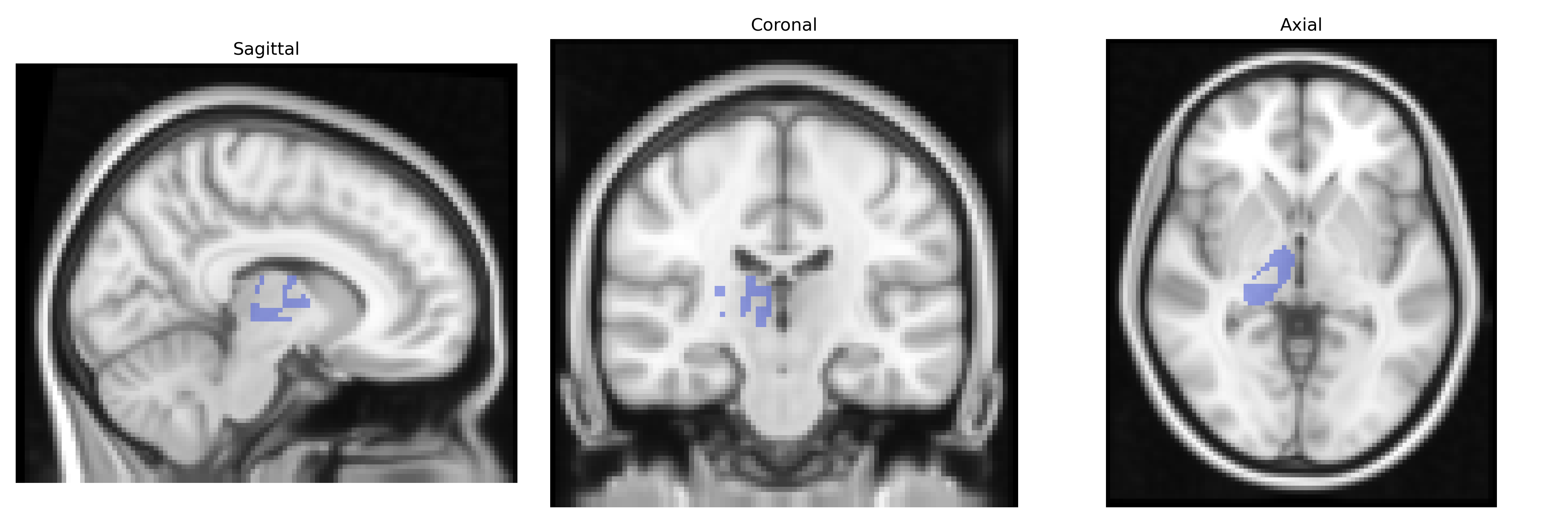
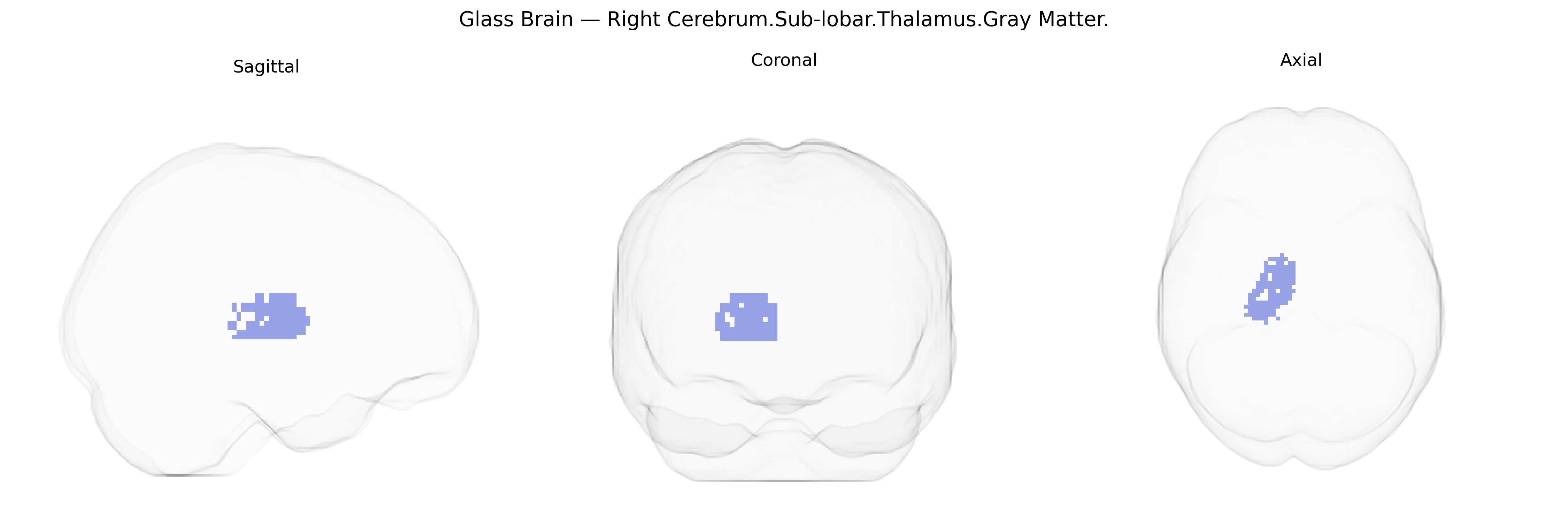
The bilateral Right Cerebrum.Sub-lobar.Thalamus.Gray Matter region in the Talairach 2 mm Atlas corresponds to gray matter nuclei of the thalamus located within the sub-lobar compartment of the right cerebral hemisphere. The thalamus is a major diencephalic relay center composed of multiple nuclei that receive, integrate, and transmit sensory, motor, and limbic information to widespread cortical areas, including primary sensory cortices, association cortices, and motor regions. Functionally, this gray matter complex plays central roles in sensory processing (e.g., somatosensory, visual, auditory relays), modulation of cortical excitability, regulation of attention and arousal, and participation in thalamo-cortical loops critical for consciousness, sleep-wake cycles, and higher-order cognition. Pathological alterations in thalamic gray matter can contribute to movement disorders, sensory deficits, neuropsychiatric syndromes, and disturbances of consciousness.
Thalamus
The bilateral right thalamus, a key subcortical gray matter structure in the sub-lobar region of the cerebrum, has been repeatedly implicated in genetic studies, particularly large-scale neuroimaging GWAS that use Talairach-like or voxelwise/parcel-based atlases. Variants in genes involved in neurodevelopment, synaptic function, and neuronal signaling—such as those in the major histocompatibility complex (e.g., C4), calcium channel genes (e.g., CACNA1C), and glutamatergic pathways—have been associated with thalamic volume or microstructure in consortia studies like ENIGMA and UK Biobank. Polygenic risk scores for schizophrenia, bipolar disorder, major depressive disorder, and autism spectrum disorder show correlations with thalamic morphology, reflecting the thalamus’s role as a hub in cortico-subcortical circuits affected in these conditions. GWAS of cognitive traits (intelligence, processing speed, working memory) and sleep traits (insomnia, chronotype) also report associations between genetic loci and thalamic structure or function, consistent with the thalamus’s involvement in attention, sensory gating, and sleep-wake regulation. Although many findings are regionally symmetric and not specific to the right thalamus alone, the bilateral thalamus—including the right sub-lobar gray matter area—emerges as a convergent site where common genetic variation influences risk for psychiatric disorders, cognitive performance, and brain structural phenotypes.
Overview generated by GPT-4o (2026).
Region ID: 531
Hemisphere: bilateral
Atlas: Talairach labels 2mm
Full Quality Version: Download MP4
Full Quality Version: Download MP4
Wali Sidiqyar*, Gaurav Rudravaram*, Elyssa M. McMaster, Trent M. Schwartz, Adam M. Saunders, Kurt G. Schilling, Bennett A. Landman "Introducing SPINS: A Shared Public Visualization Library of Neuroanatomical Structures." Medical Imaging with Deep Learning- short paper
This resource is licensed under CC0 1.0 Universal (Public Domain).