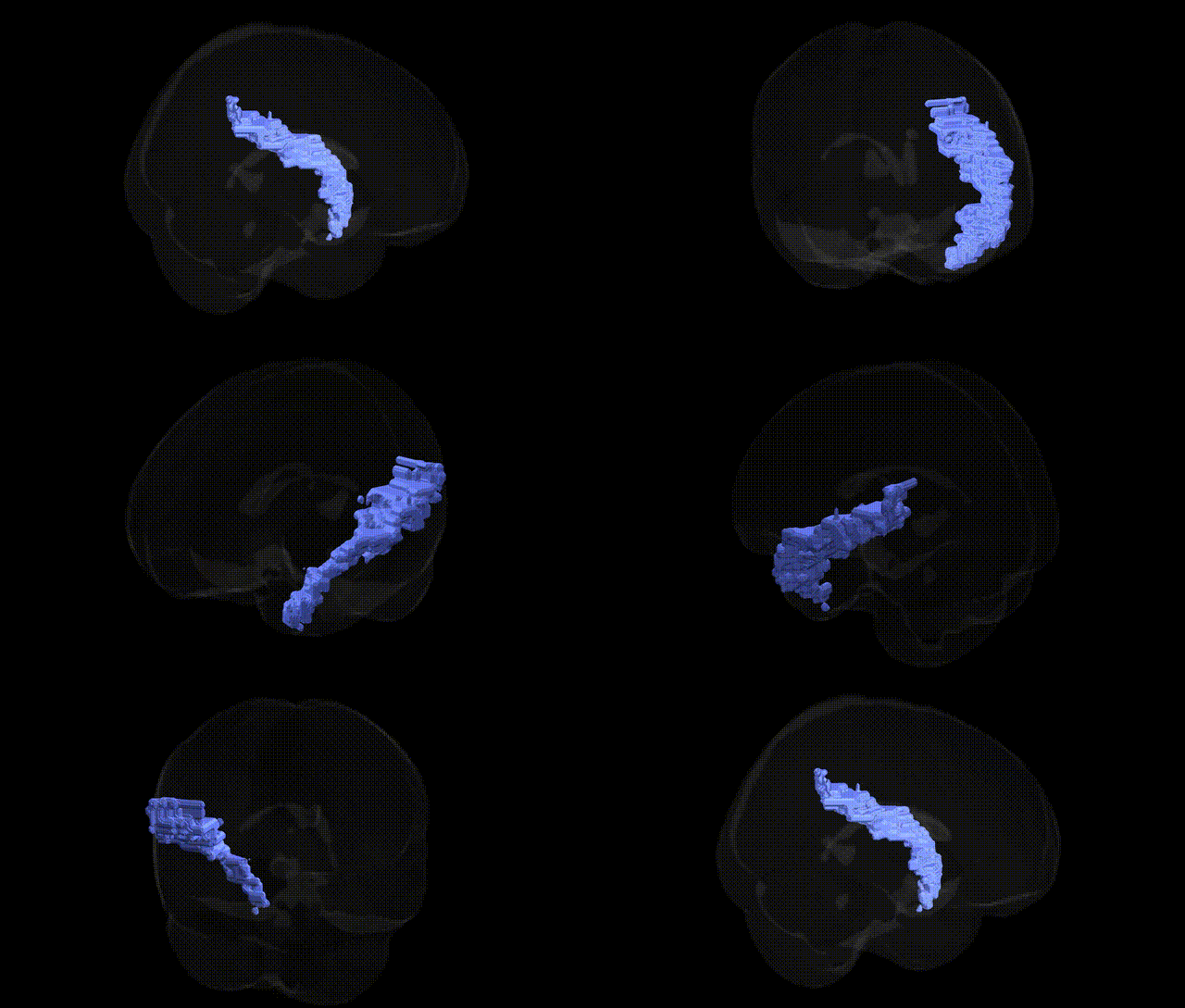
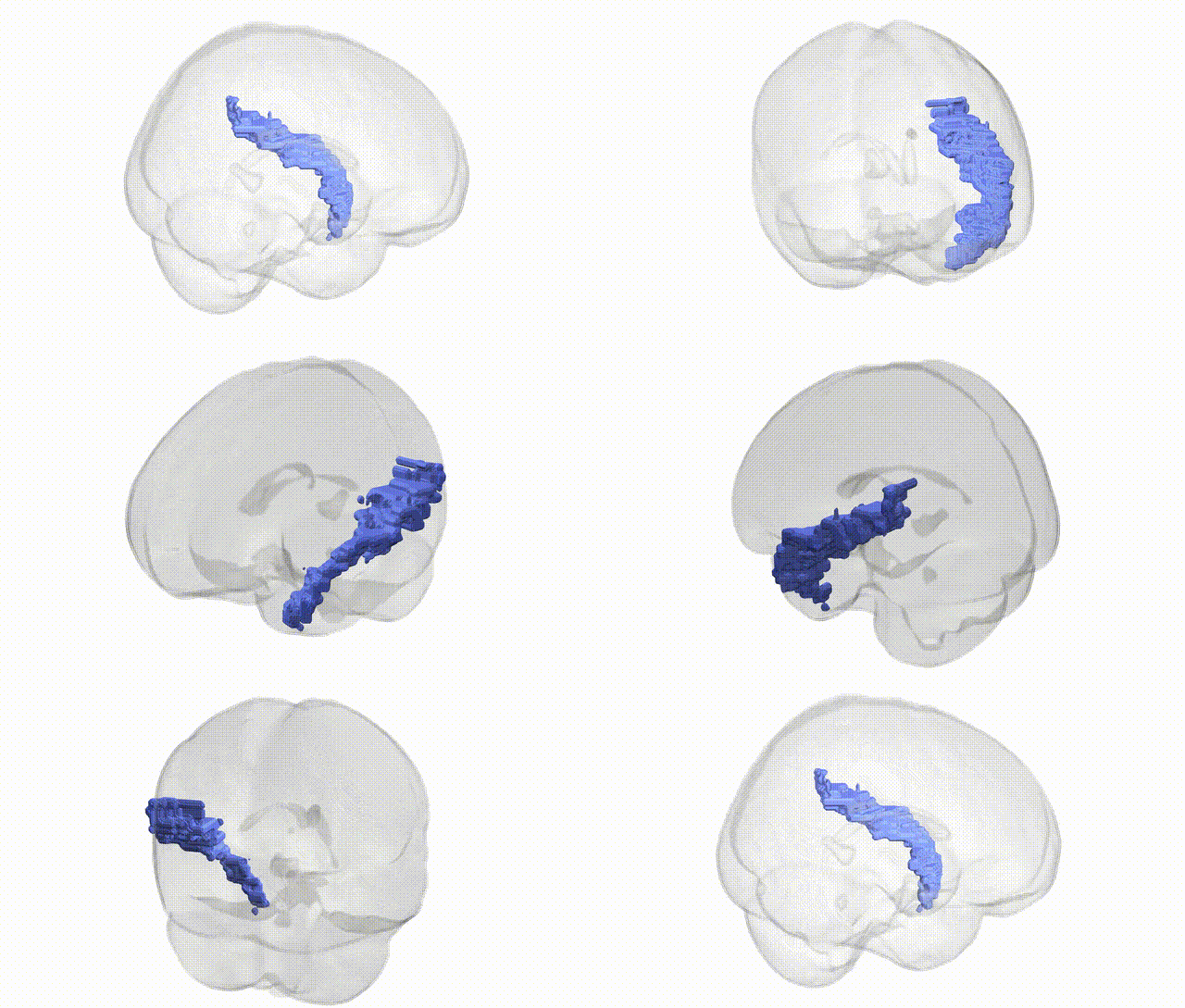
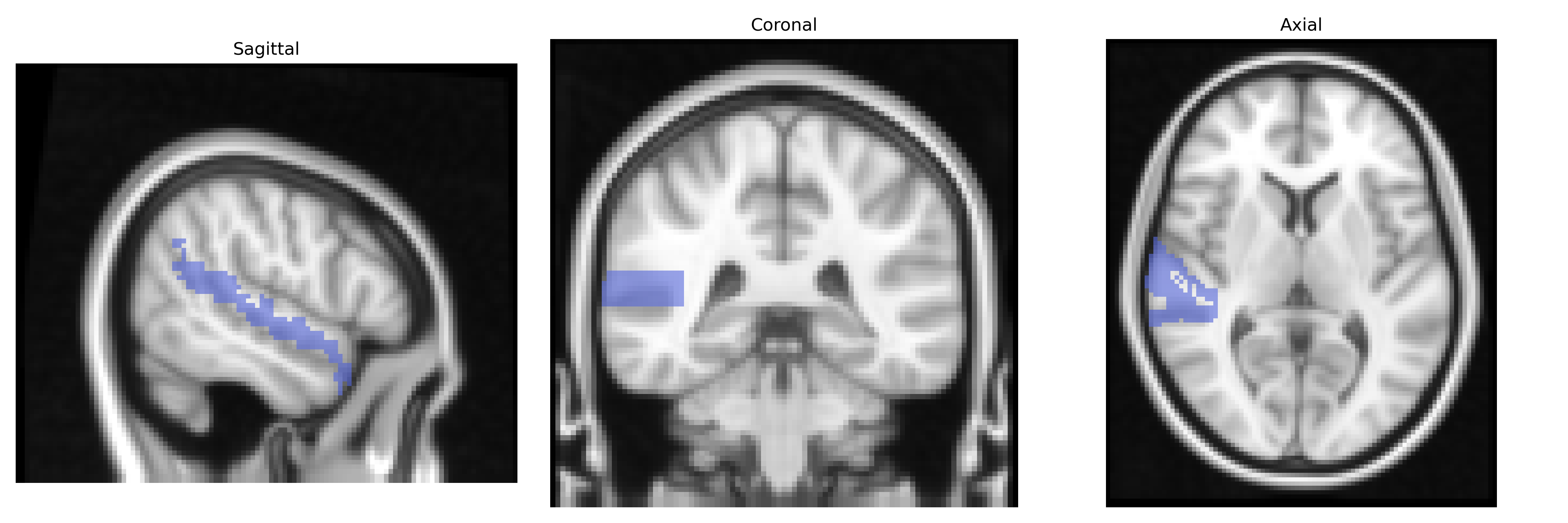
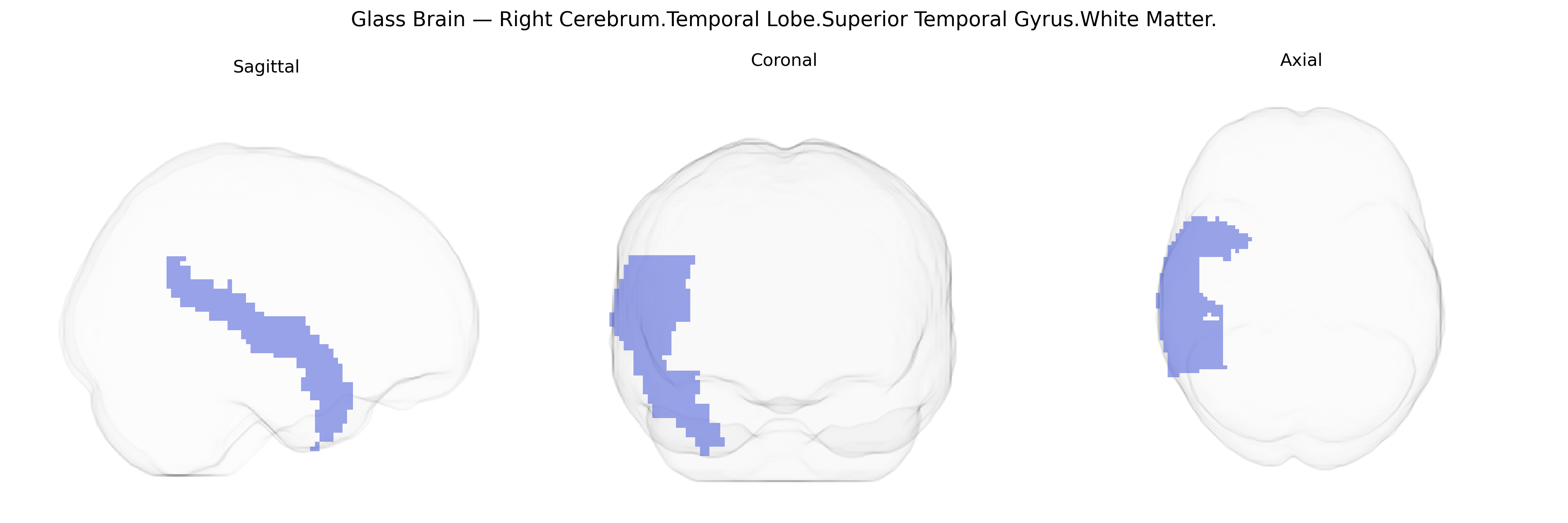
The bilateral Right Cerebrum.Temporal Lobe.Superior Temporal Gyrus.White Matter corresponds to the subcortical fiber pathways underlying the right superior temporal gyrus within the temporal lobe. This white matter region contains association fibers that connect the superior temporal cortical areas—important for auditory processing, speech perception, and aspects of social cognition—with other temporal, parietal, and frontal regions, contributing to larger networks such as the language and auditory systems. It includes portions of long-range tracts (e.g., segments of the arcuate/superior longitudinal fasciculus) and shorter U-fibers that integrate local superior temporal circuitry. Functionally, damage or disruption in this white matter can affect phonological processing, auditory comprehension, and integration of auditory information with multimodal inputs. There is no direct Wikipedia article for this specific white matter subdivision; a closely related structure is the Superior temporal gyrus.
The bilateral right superior temporal gyrus white matter, as defined in the Talairach 2 mm atlas, is not typically isolated in genetic studies, but convergent evidence from GWAS and imaging‑genetics work implicates this region’s structure and connectivity in several heritable traits and disorders. Variants in genes related to axonal development and myelination (e.g., CNTNAP2, FOXP2, NRG1, and CHRM2) have been associated with superior temporal gyrus morphology, diffusion measures, and language or auditory processing, and large ENIGMA‑style GWAS of cortical thickness and surface area have identified polygenic influences on temporal lobe anatomy that include the superior temporal gyrus. White matter microstructure within temporal pathways (such as the arcuate fasciculus and adjacent association fibers traversing the superior temporal region) shows high heritability and has been linked via GWAS to general cognitive ability, reading and speech/language traits, and social communication, with overlapping polygenic risk for autism spectrum disorder and specific language impairment. Psychiatric GWAS in schizophrenia and bipolar disorder report that risk alleles are enriched in networks involving superior temporal regions, consistent with imaging findings of altered temporal white matter integrity in these conditions, while MDD and anxiety GWAS point more weakly to temporal circuitry relevant to affective and social cognition. Overall, genetic influences on this region appear highly polygenic, with common variants affecting neurodevelopmental and synaptic pathways that modulate superior temporal white matter properties and, in turn, language, auditory, social, and psychosis‑related phenotypes, though direct, region‑specific GWAS focused strictly on “Right Cerebrum.Temporal Lobe.Superior Temporal Gyrus.White Matter” remain limited and findings are typically inferred from broader temporal lobe and tract‑based analyses.
Overview generated by GPT-4o (2026).
Region ID: 42
Hemisphere: bilateral
Atlas: Talairach labels 2mm
Full Quality Version: Download MP4
Full Quality Version: Download MP4
Wali Sidiqyar*, Gaurav Rudravaram*, Elyssa M. McMaster, Trent M. Schwartz, Adam M. Saunders, Kurt G. Schilling, Bennett A. Landman "Introducing SPINS: A Shared Public Visualization Library of Neuroanatomical Structures." Medical Imaging with Deep Learning- short paper
This resource is licensed under CC0 1.0 Universal (Public Domain).