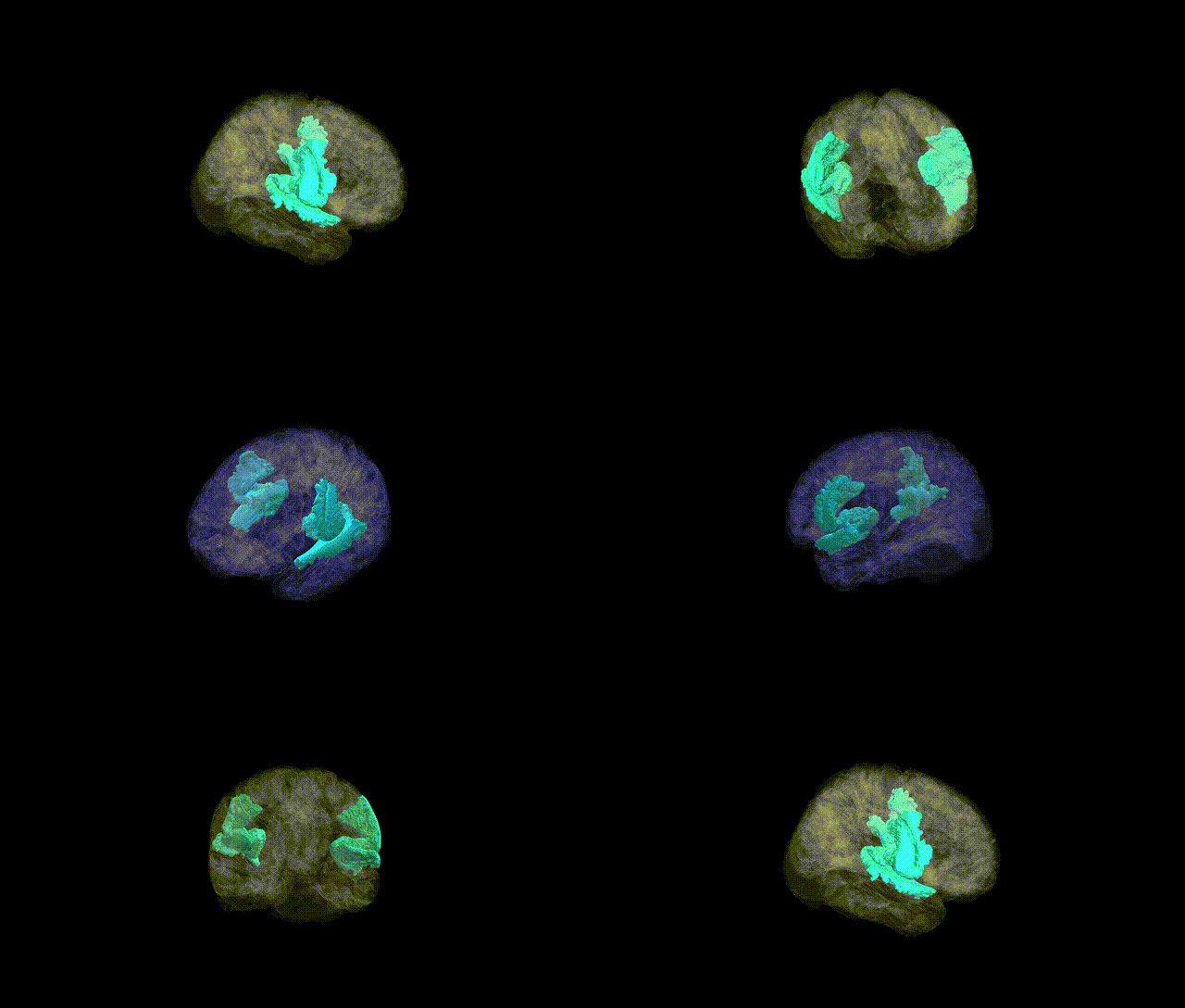
The Bilateral Somatomotor_B network in the Yeo-17 atlas corresponds to a distributed set of cortical regions primarily within the precentral and postcentral gyri that subserve sensorimotor processing for the body, including voluntary movement initiation, motor planning, and somatic sensation. It is part of the broader somatomotor system involved in the execution and feedback control of movements of the limbs and trunk, integrating proprioceptive, tactile, and motor signals to support skilled actions and posture. Functionally, this network shows strong intrinsic connectivity with primary motor and primary somatosensory cortices and participates in circuits that interact with premotor, supplementary motor, cerebellar, and basal ganglia structures for fine-tuning motor output. In the Yeo-17 parcellation, the “B” subdivision typically emphasizes body/limb-related sensorimotor representation rather than orofacial regions. There is no direct Wikipedia article for “Bilateral Somatomotor_B”; a closely related and encompassing structure is the Primary motor cortex.
The Bilateral Somatomotor_B network in the Yeo-17 atlas, encompassing primary and secondary somatosensory and motor-related cortices, has been implicated in multiple genetic and GWAS-based associations, largely through studies of cortical morphology, motor function, and neurodevelopmental and psychiatric disorders. Large-scale imaging genetics consortia (e.g., ENIGMA, UK Biobank) have identified common variants in genes involved in neurodevelopment, synaptic function, and axon guidance—such as variants near MAPT, GRIN2B, TCF4, and genes in the Wnt and cadherin pathways—associated with cortical thickness, surface area, or gyrification within somatomotor regions, including those overlapping Somatomotor_B. GWAS of motor traits (e.g., grip strength, gait, reaction time) implicate loci near genes like ATXN2, SH3TC2, and others affecting neuromuscular and corticospinal pathways, with functional MRI and structural connectivity analyses linking these variants to altered somatomotor network organization. Somatomotor_B–overlapping regions are also implicated in polygenic architectures for neurodevelopmental conditions such as ADHD and autism spectrum disorder, where risk variants (e.g., in CNTNAP2, DCC, and genes regulating cortical circuit formation) show enrichment in motor and sensorimotor cortical expression profiles, and in schizophrenia and bipolar disorder, where polygenic risk scores correlate with structural and functional alterations in sensorimotor networks. Additionally, variants influencing somatosensory processing and pain sensitivity (e.g., in SCN9A, CACNA1H, and other ion channel genes) show associations with altered activity or connectivity in somatosensory cortices that substantially overlap the Somatomotor_B system, collectively indicating that genetic influences on neurodevelopment, synaptic transmission, and excitability contribute to individual differences and disease-related changes in this bilateral somatomotor network.
Overview generated by GPT-4o (2026).
Region ID: 4
Hemisphere: Bilateral
Atlas: Yeo-17
Full Quality Version: Download MP4
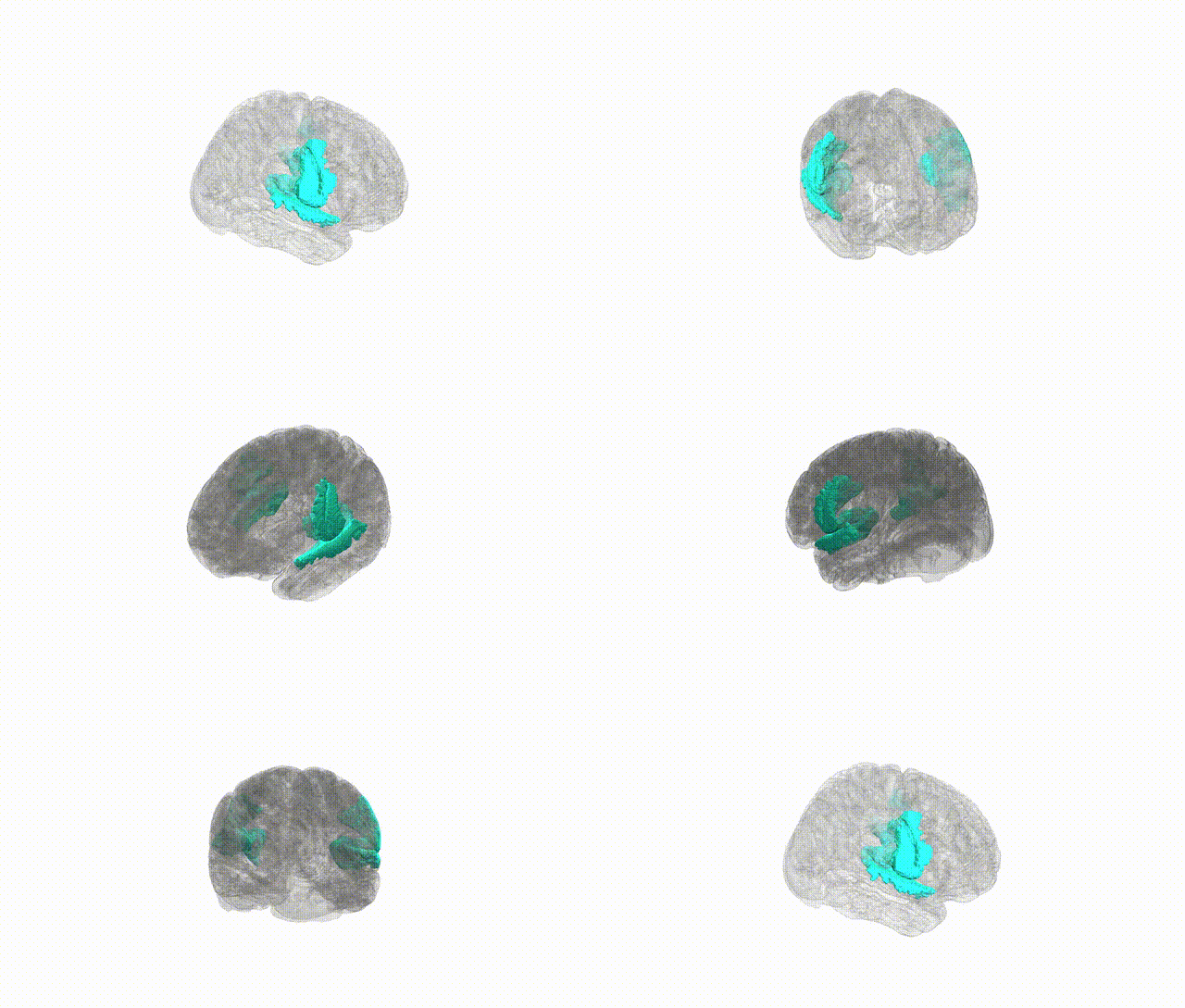
Full Quality Version: Download MP4
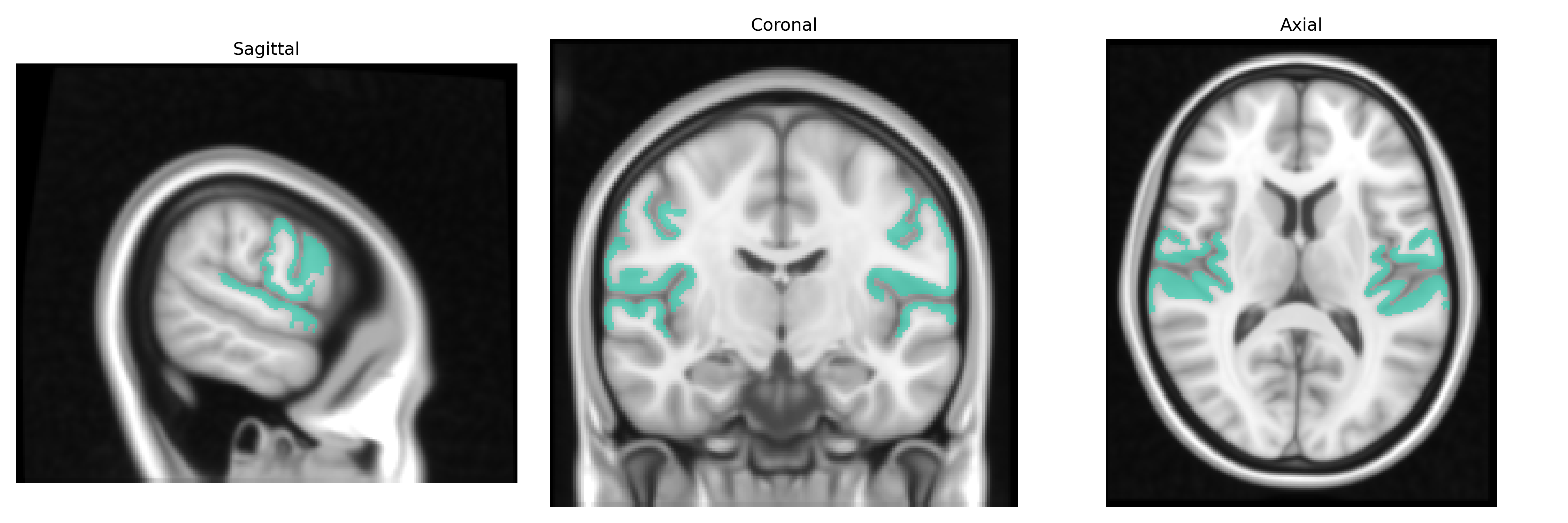
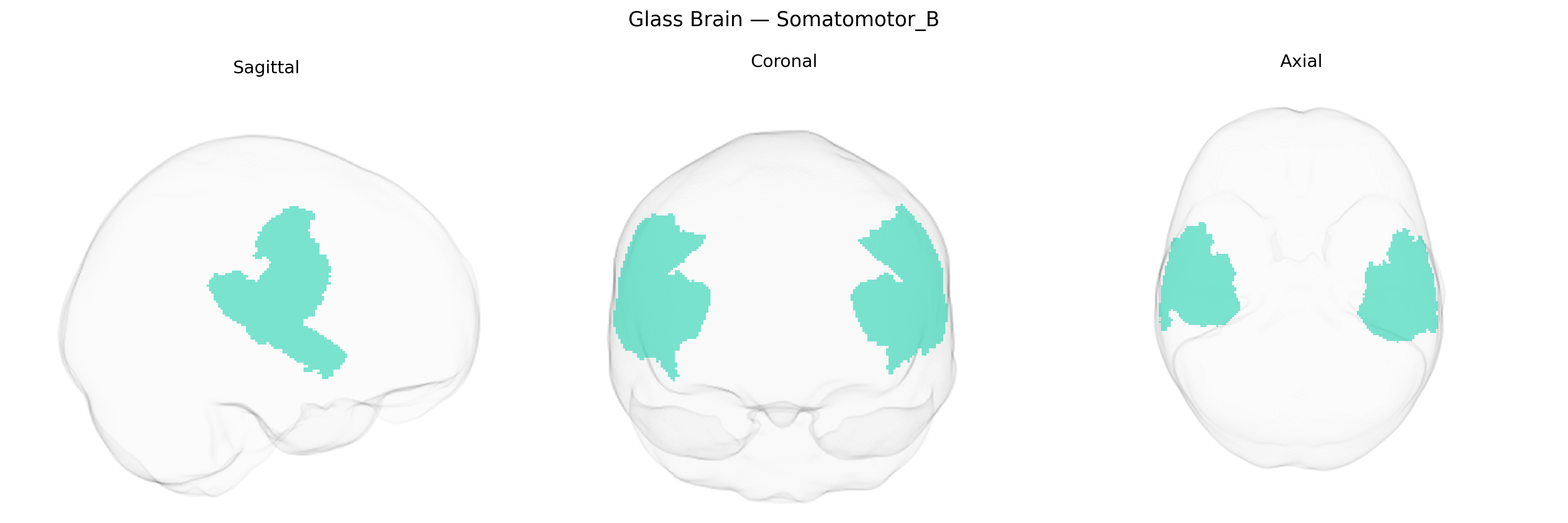
Wali Sidiqyar*, Gaurav Rudravaram*, Elyssa M. McMaster, Trent M. Schwartz, Adam M. Saunders, Kurt G. Schilling, Bennett A. Landman "Introducing SPINS: A Shared Public Visualization Library of Neuroanatomical Structures." Medical Imaging with Deep Learning- short paper
This resource is licensed under CC0 1.0 Universal (Public Domain).