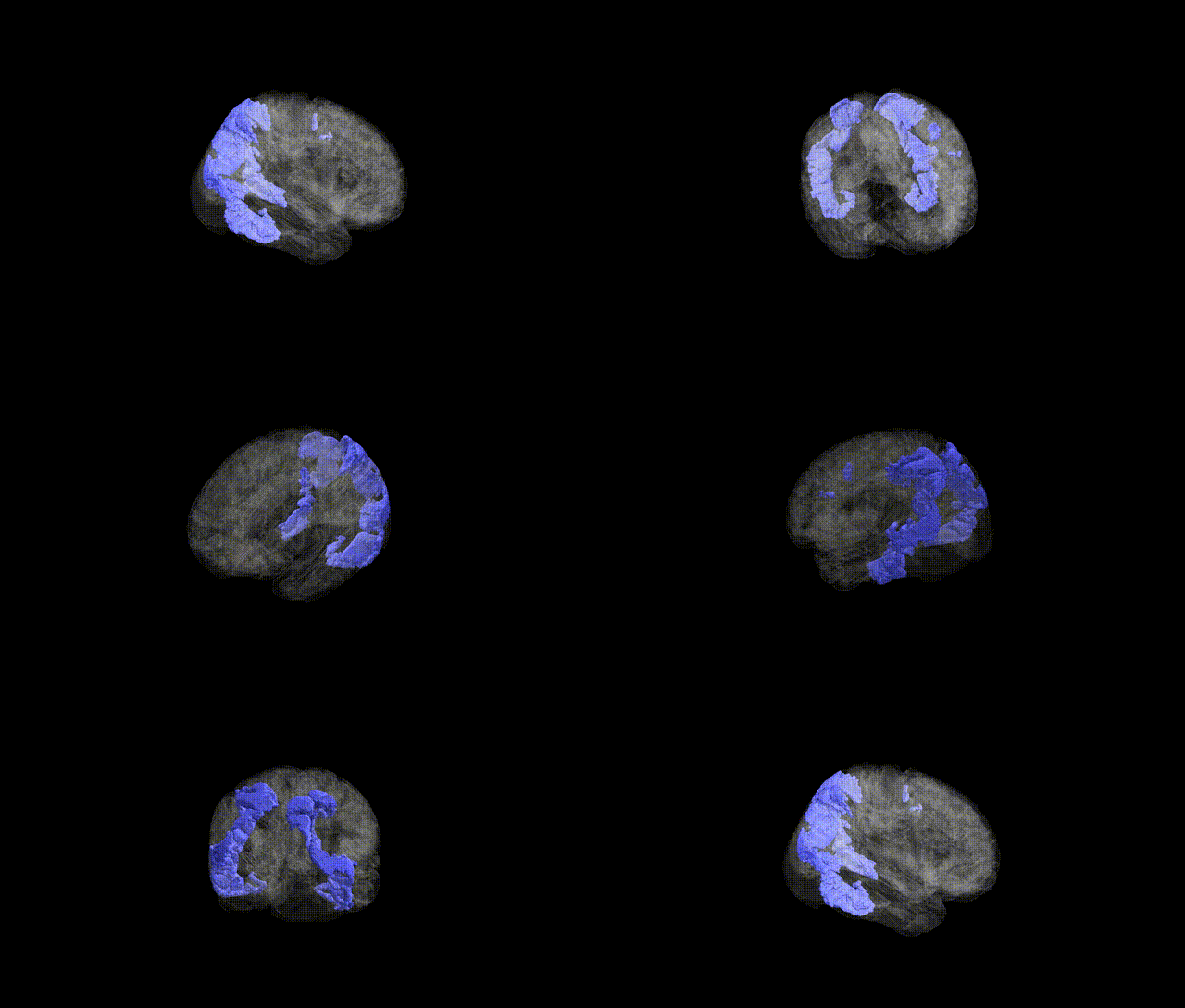
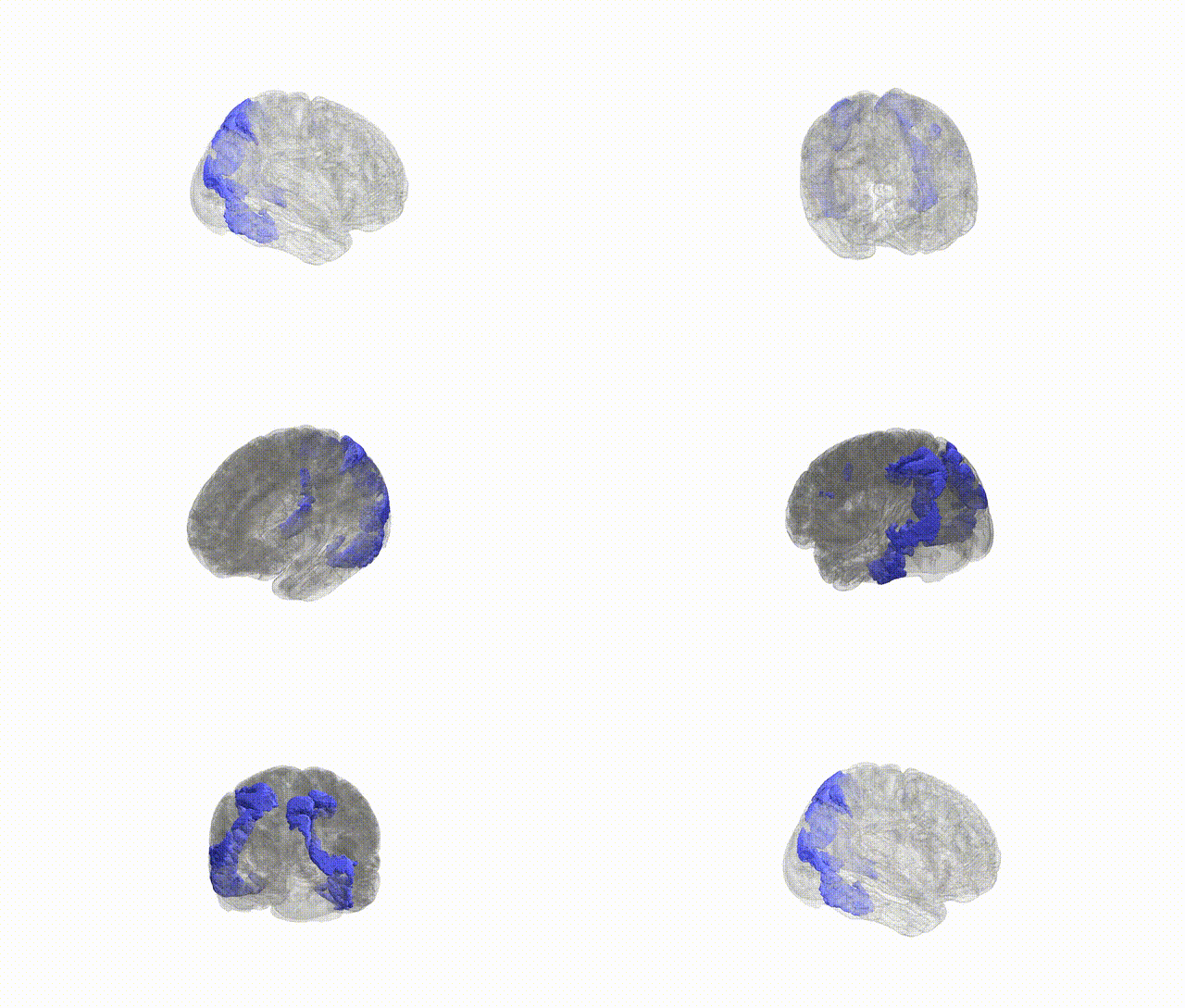
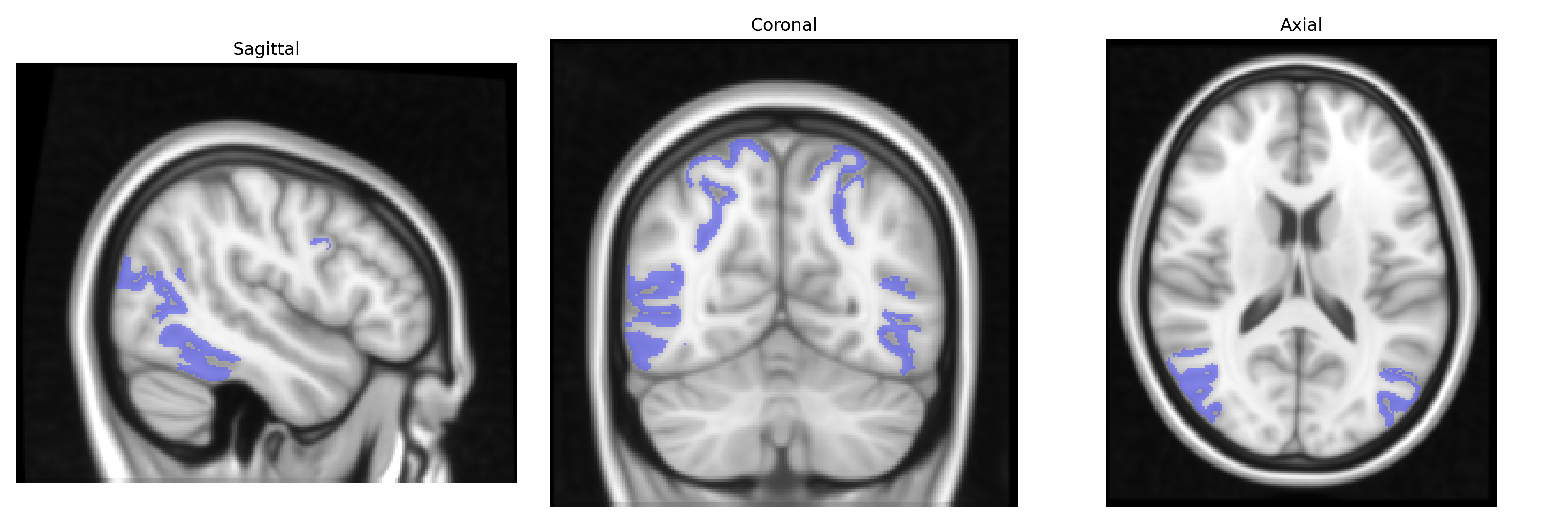
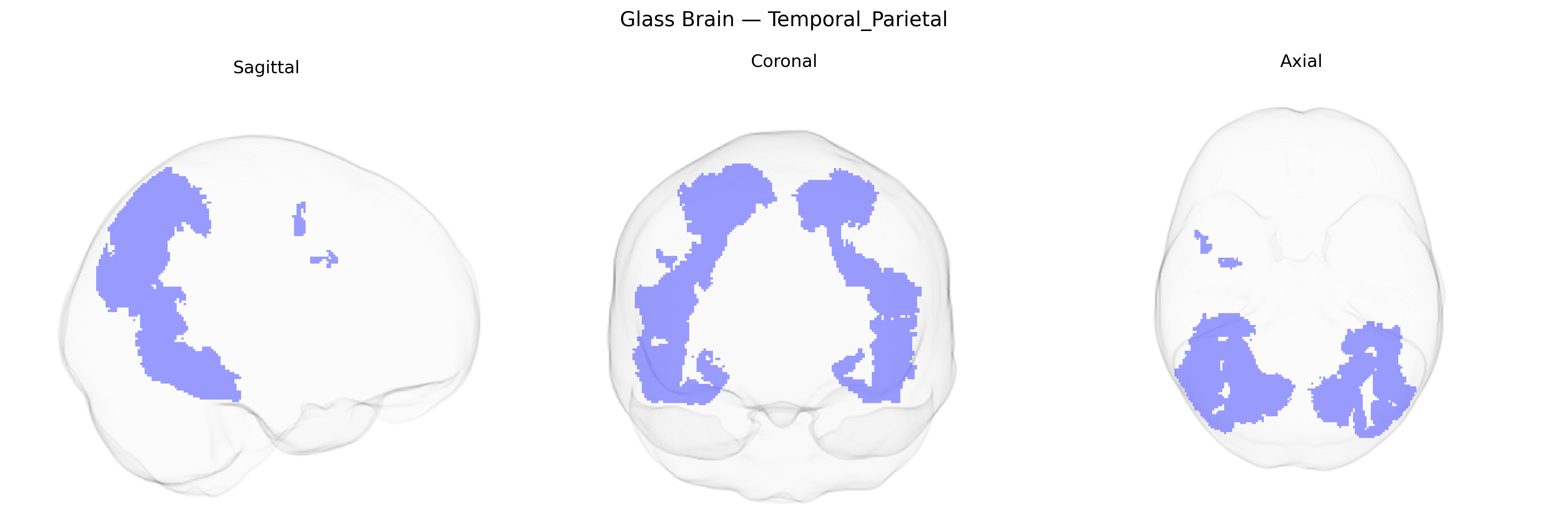
The Bilateral Temporal_Parietal region in the Yeo-17 atlas corresponds primarily to the temporoparietal junction (TPJ), a multimodal association area spanning the posterior superior temporal gyrus and sulcus, the inferior parietal lobule (including angular and supramarginal gyri), and adjacent lateral occipital cortex in both hemispheres. This region integrates auditory, visual, and somatosensory information and is a key hub of the ventral attention and social-cognitive (“theory of mind”) networks, contributing to the detection of behaviorally salient stimuli, reorienting of attention, mental state attribution, and aspects of language and narrative processing. Functionally, it shows strong connectivity with the inferior frontal gyrus, medial prefrontal cortex, and posterior cingulate/precuneus, and is often lateralized for specific functions (e.g., right TPJ for attentional reorienting, left TPJ for language-related processes). A related Wikipedia entry is Temporoparietal junction.
The bilateral temporal-parietal region in the Yeo-17 atlas—overlapping temporoparietal junction, posterior superior temporal gyrus, and inferior parietal cortex—has been implicated in multiple GWAS of cortical surface area and thickness, with robust associations to common variants in genes involved in synaptic development and neuronal proliferation (e.g., MEF2C, DCC, TBR1, and loci near HMGA2, IGF1, and microtubule-related genes), as well as polygenic influences from global brain-size and neurodevelopmental pathways. GWAS of functional connectivity and network organization also implicate variants in genes related to glutamatergic signaling and axon guidance that modulate connectivity between this region and default mode or language networks. Clinically, genetic studies linking temporal-parietal structure and function to traits and disorders highlight associations with autism spectrum disorder (e.g., rare variants and common polygenic risk influencing social cognition networks), schizophrenia and psychosis (altered cortical thickness and connectivity in carriers of risk alleles in genes such as CACNA1C, GRIN2A, and complement pathway loci like C4), Alzheimer’s disease and other dementias (APOE and additional AD-risk loci associated with atrophy and hypometabolism in temporoparietal cortex), developmental language and reading disorders (FOXP2-related pathways and polygenic dyslexia risk affecting left temporoparietal regions), and general cognitive abilities and educational attainment, where polygenic scores correlate with structural variation and activation in bilateral temporal-parietal association cortex during language and theory-of-mind tasks.
Overview generated by GPT-4o (2026).
Region ID: 5
Hemisphere: Bilateral
Atlas: Yeo-17
Full Quality Version: Download MP4
Full Quality Version: Download MP4
Wali Sidiqyar*, Gaurav Rudravaram*, Elyssa M. McMaster, Trent M. Schwartz, Adam M. Saunders, Kurt G. Schilling, Bennett A. Landman "Introducing SPINS: A Shared Public Visualization Library of Neuroanatomical Structures." Medical Imaging with Deep Learning- short paper
This resource is licensed under CC0 1.0 Universal (Public Domain).