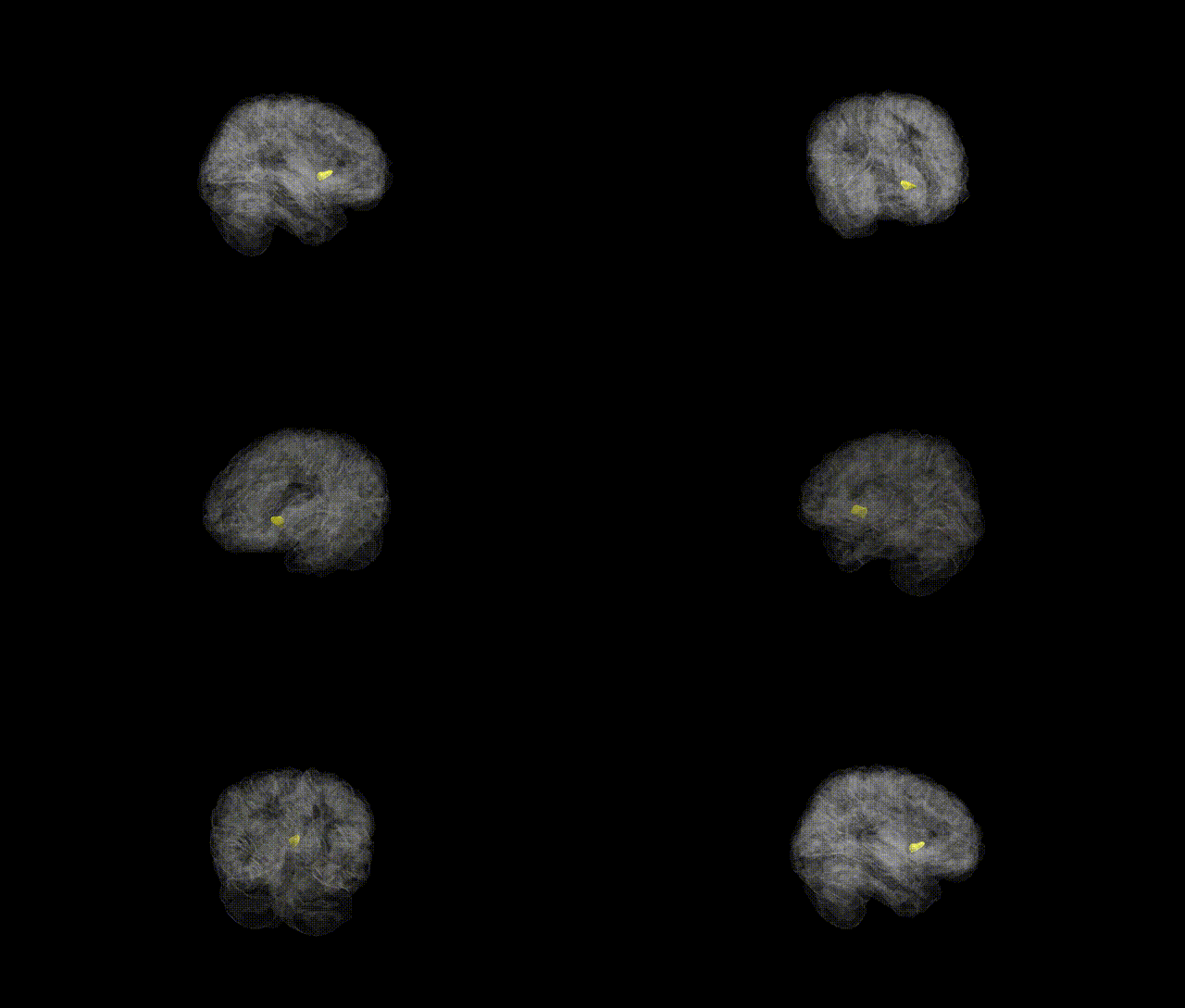
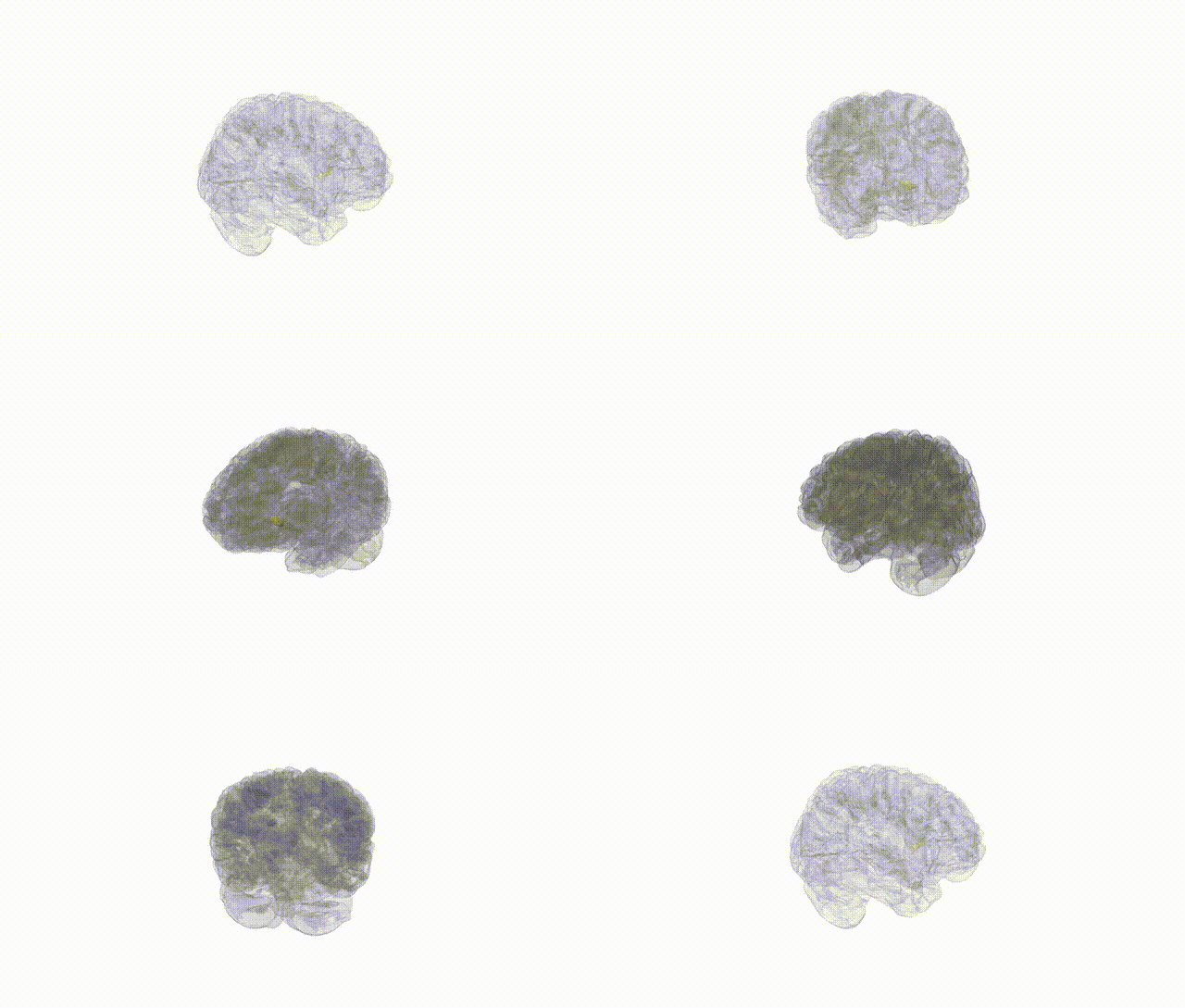
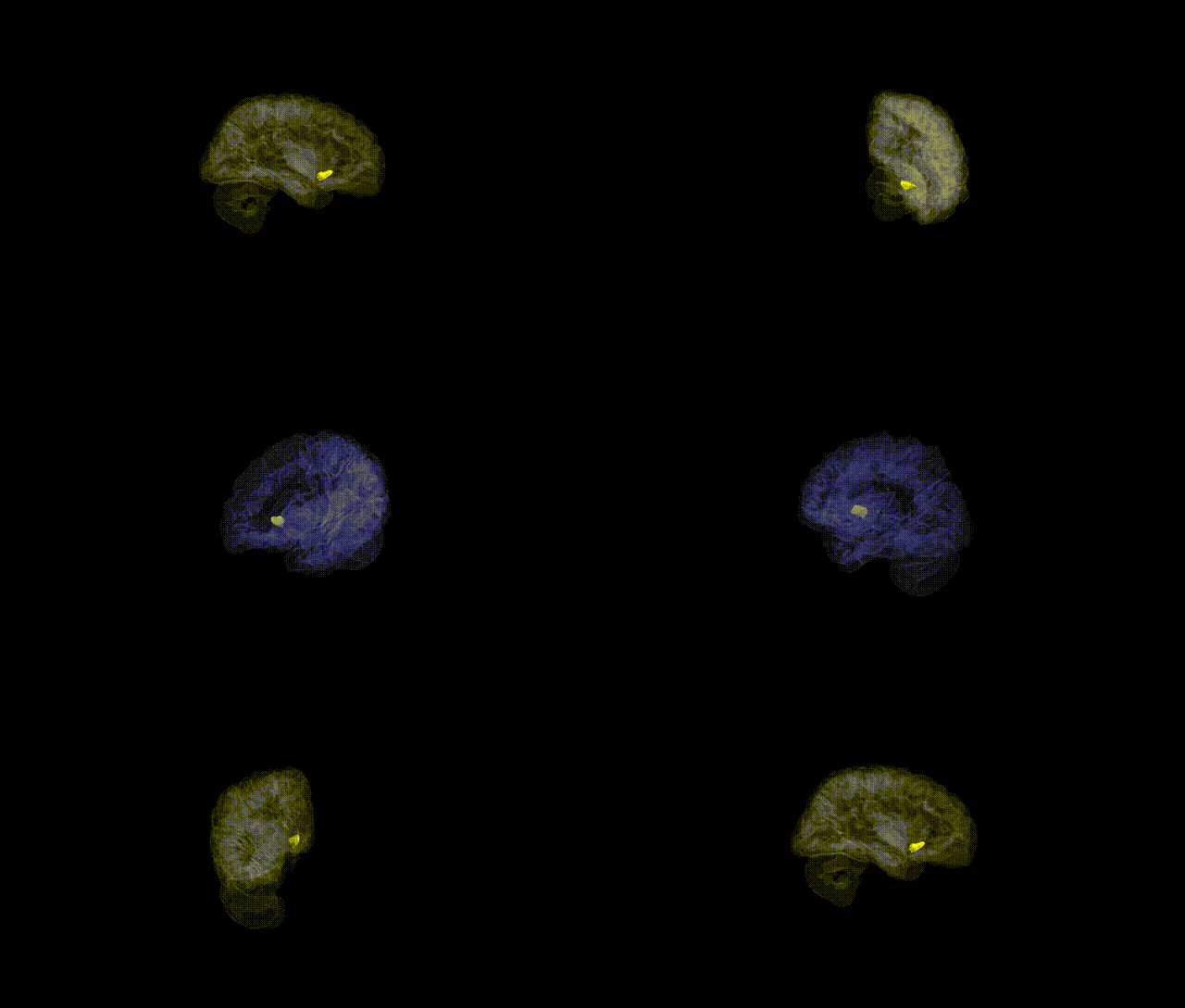
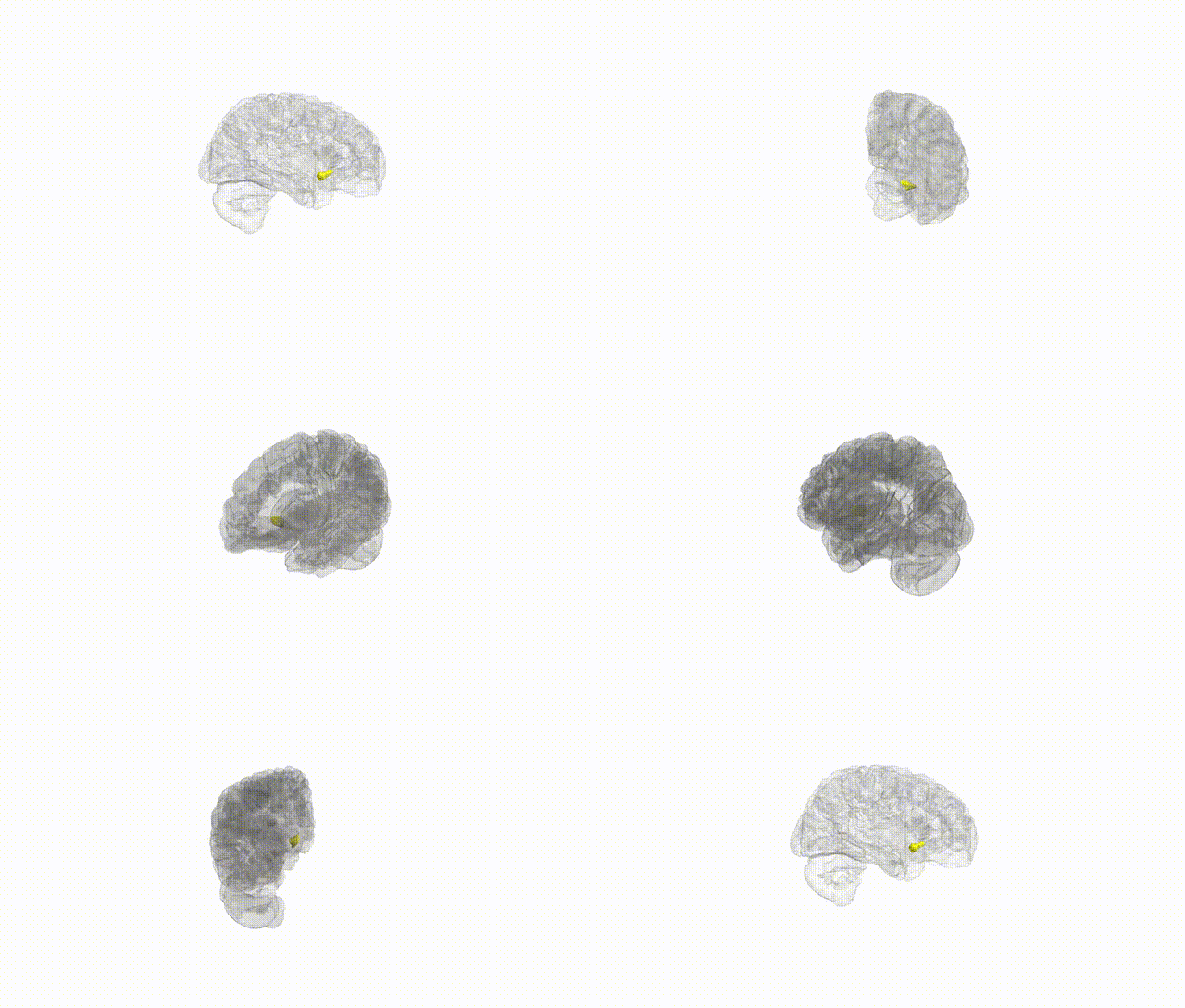
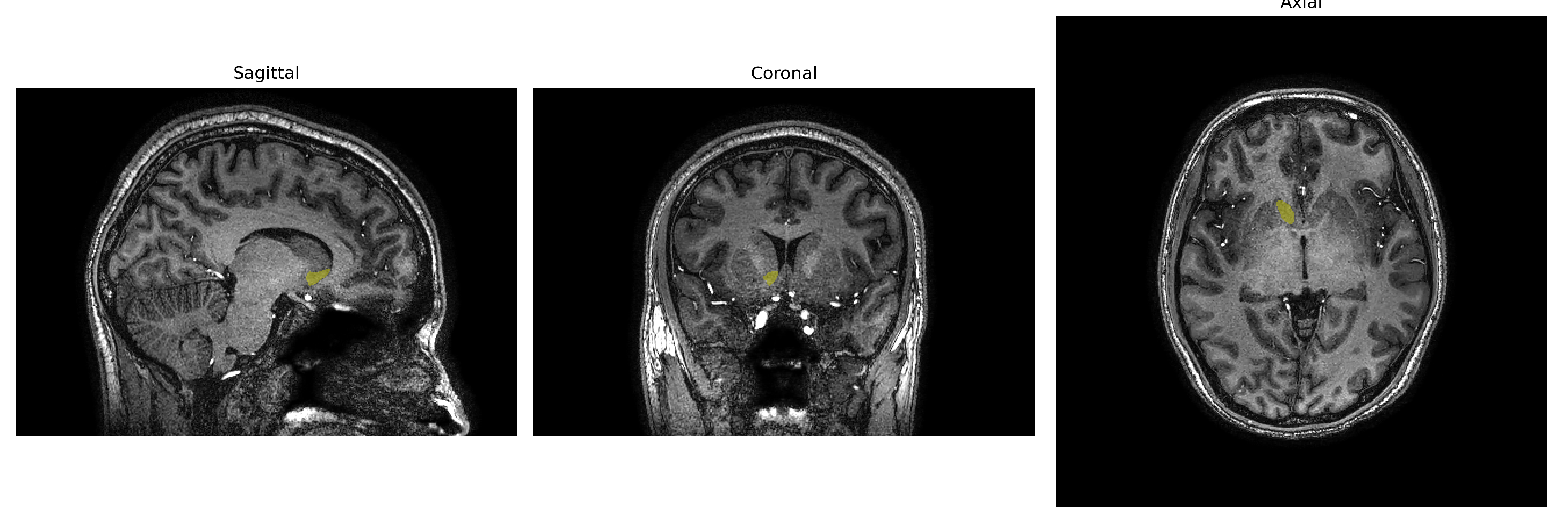
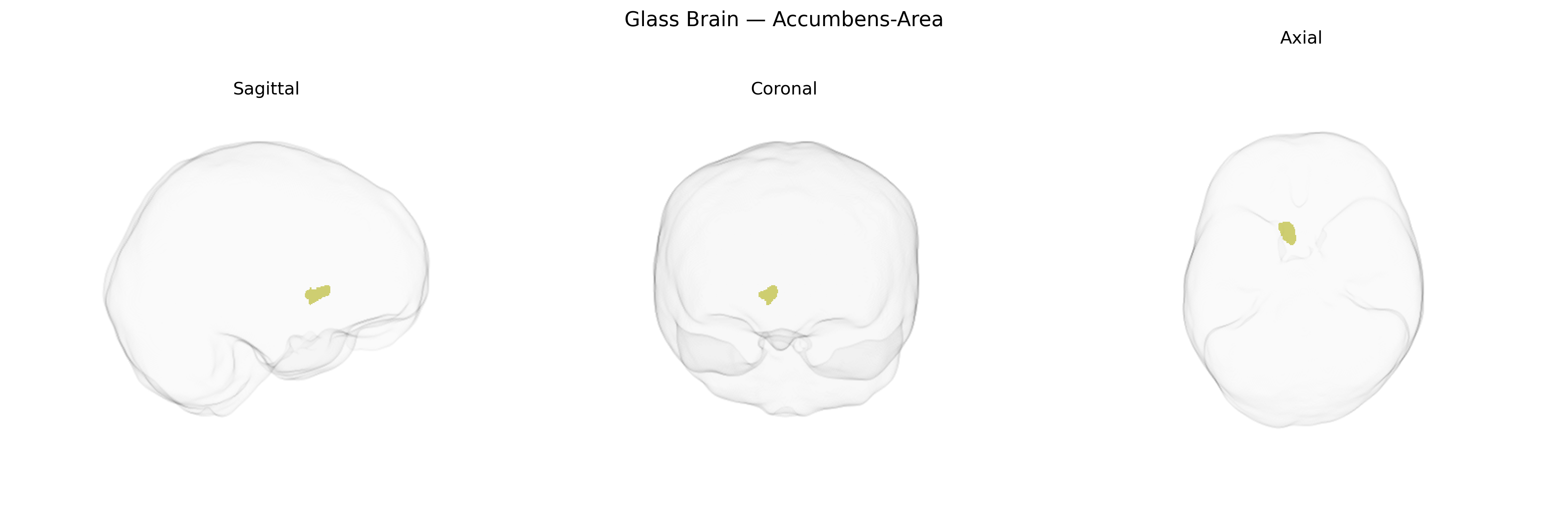
The Right Accumbens-Area corresponds to the right nucleus accumbens, a ventral striatal structure located at the junction of the caudate nucleus and putamen in the basal forebrain, adjacent to the anterior limb of the internal capsule and ventral to the head of the caudate. It is a key node in the mesolimbic dopamine system, receiving dense dopaminergic inputs from the ventral tegmental area and glutamatergic inputs from prefrontal cortex, hippocampus, and amygdala, and projecting to ventral pallidum and basal ganglia output nuclei. Functionally, it is critically involved in reward processing, motivation, reinforcement learning, and the translation of reward-related information into goal-directed behavior, and it has been strongly implicated in addiction, mood disorders, and other neuropsychiatric conditions. The Right Accumbens-Area itself does not have a dedicated Wikipedia page, but it is part of the Nucleus accumbens.
The Right Accumbens-Area in the brainCOLOR Atlas corresponds to the nucleus accumbens, a core component of the ventral striatum that has been repeatedly implicated in genetic studies of reward processing, addiction, and mood. Large-scale imaging–genetics consortia (e.g., ENIGMA, UK Biobank) have identified SNPs and loci associated with accumbens volume and morphology, including variants near genes involved in neurodevelopment, synaptic signaling, and dopamine/serotonin pathways (such as DRD2-related regions, GRIN2B-adjacent loci, and broader polygenic architectures shared with cortical and subcortical structures), though specific, robustly replicated loci for the right accumbens alone remain limited and often overlap with bilateral or total accumbens measures. GWAS of substance use and addiction-related traits (alcohol dependence, nicotine dependence, cannabis use, and general substance use disorder liability) show genetic correlations with accumbens structure and function, highlighting shared polygenic influences between reward circuitry and addiction. Similarly, polygenic risk scores for major depressive disorder, bipolar disorder, and schizophrenia have been associated with altered accumbens volume or activation, and several psychiatric risk loci show convergent effects on ventral striatal pathways, implicating dopaminergic, glutamatergic, and calcium-channel genes (e.g., CACNA1C, MIR137 loci) in accumbens-related circuitry rather than in a strictly region-specific manner. Genetic overlap has also been reported between accumbens structure and personality/behavioral traits such as risk-taking, neuroticism, anhedonia, and impulsivity, suggesting that common variants influencing motivational and affective processes may partly exert their effects through development and function of the right accumbens area.
Overview generated by GPT-4o (2026).
Region ID: 1
Hemisphere: Right
Atlas: brainCOLOR
Full Quality Version: Download MP4
Full Quality Version: Download MP4
Full Quality Version: Download MP4
Full Quality Version: Download MP4
Wali Sidiqyar*, Gaurav Rudravaram*, Elyssa M. McMaster, Trent M. Schwartz, Adam M. Saunders, Kurt G. Schilling, Bennett A. Landman "Introducing SPINS: A Shared Public Visualization Library of Neuroanatomical Structures." Medical Imaging with Deep Learning- short paper
This resource is licensed under CC0 1.0 Universal (Public Domain).