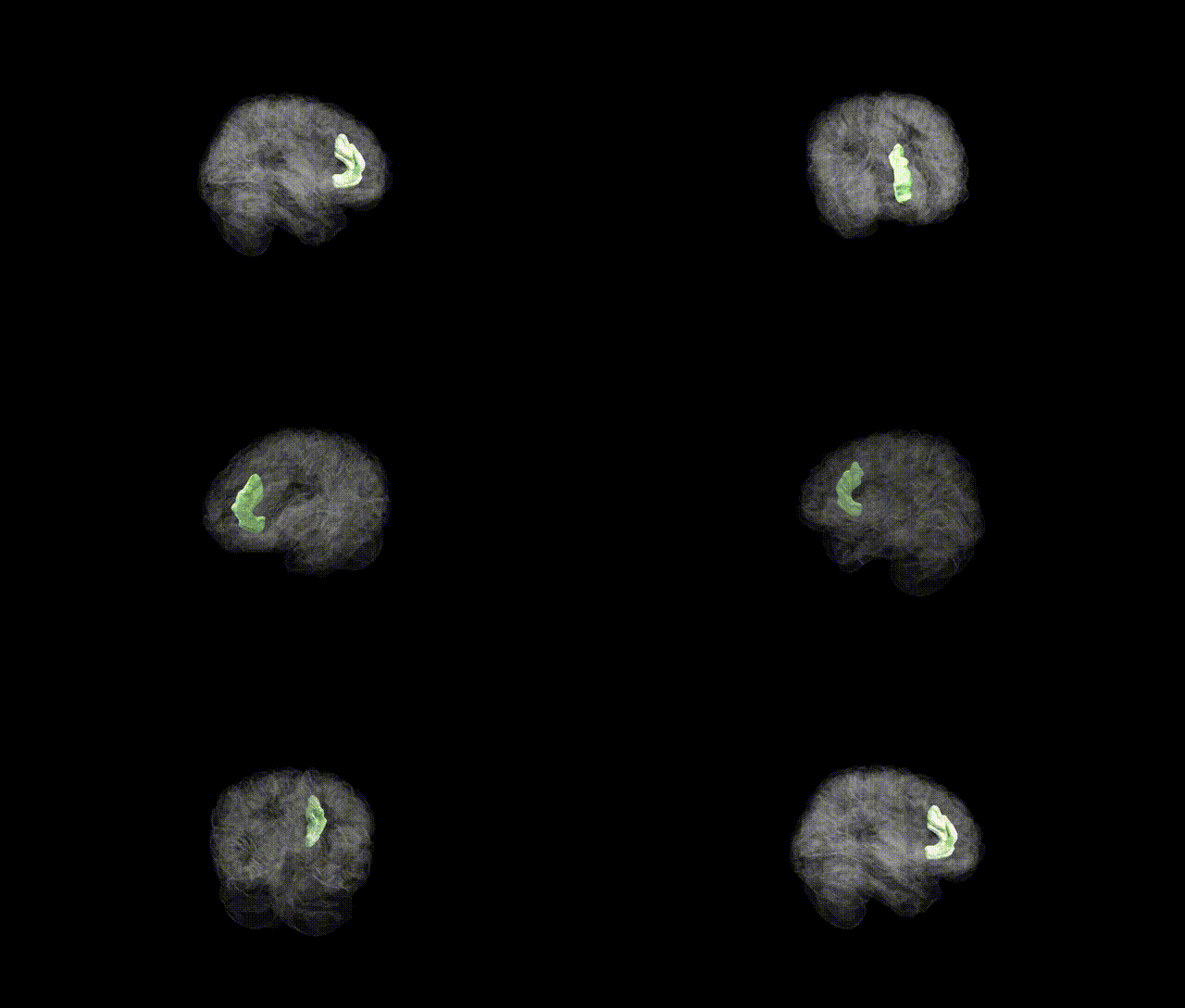
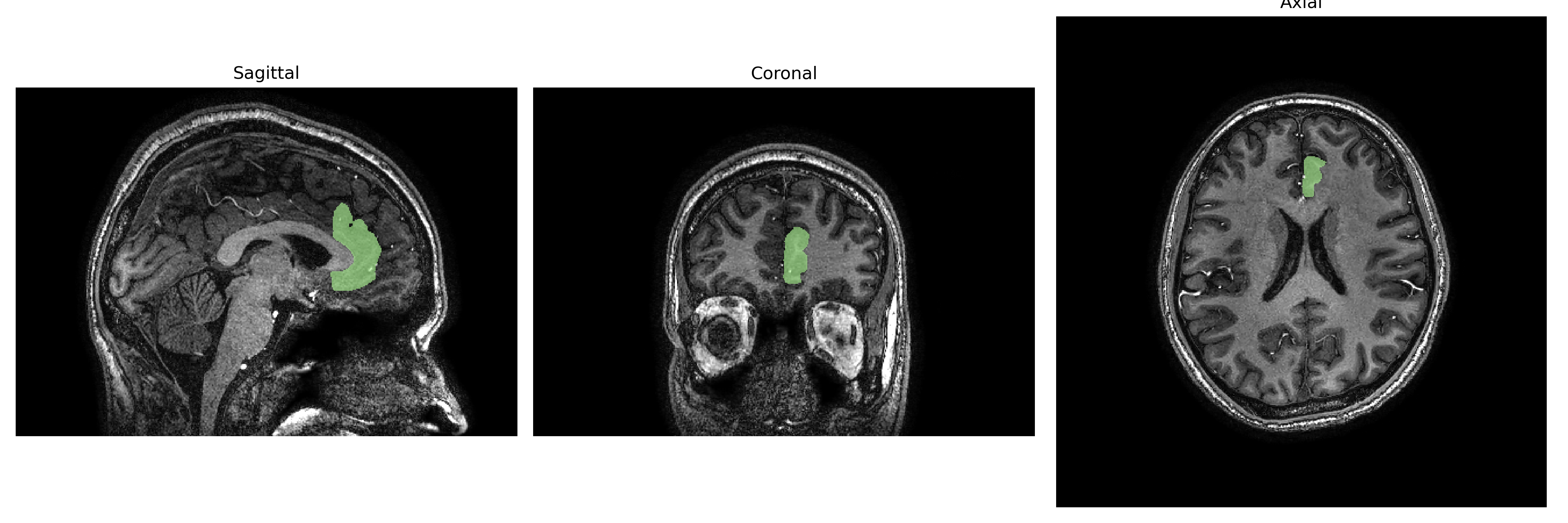
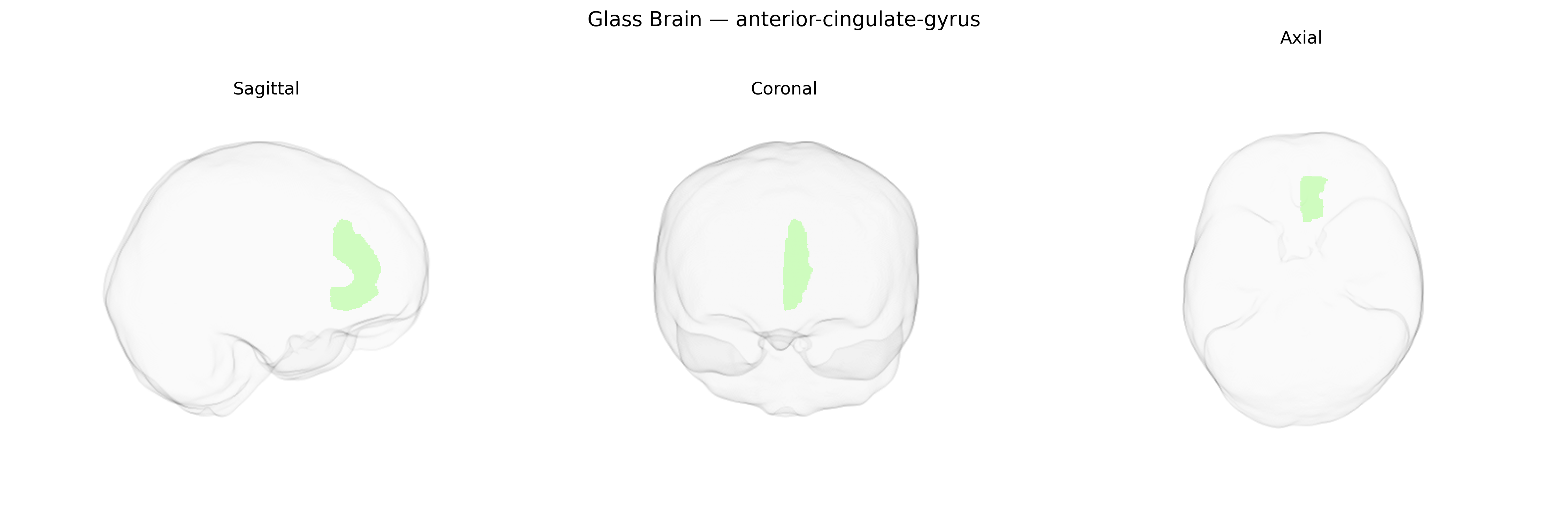
The Left anterior cingulate gyrus is a subdivision of the cingulate cortex located on the medial surface of the left cerebral hemisphere, rostral to the genu of the corpus callosum and anterior to the midcingulate region. It forms part of the limbic system and is heavily interconnected with prefrontal, premotor, limbic, and autonomic centers, supporting functions that integrate emotional, cognitive, and visceromotor processes. This region is implicated in conflict monitoring, error detection, decision-making under uncertainty, motivation, and regulation of affect, as well as modulation of autonomic responses such as heart rate and galvanic skin conductance during salient or demanding tasks. It is also engaged in pain processing, particularly the affective dimension of pain, and shows altered structure or function in various neuropsychiatric conditions, including depression, anxiety disorders, obsessive–compulsive disorder, and schizophrenia. There is no direct Wikipedia article for “Left anterior cingulate gyrus”; a closely related structure is the Anterior cingulate cortex.
The left anterior cingulate gyrus (ACG), as defined in the brainCOLOR atlas, has been implicated in multiple genetic and neuropsychiatric pathways, though region-specific GWAS findings are typically reported at the broader “anterior cingulate cortex” level. Polygenic influences on ACG volume, thickness, and functional connectivity have been detected in large imaging-genetics consortia such as ENIGMA and UK Biobank, with heritability estimates in the moderate range and associations involving common variants near genes related to synaptic plasticity, neurodevelopment, and glutamatergic signaling (for example, loci in or near GRIN2A, BDNF, and genes in the major histocompatibility complex region). Genetic variation influencing the left ACG has been linked to risk for major depressive disorder, schizophrenia, bipolar disorder, and anxiety-related traits, reflecting the region’s role in emotion regulation and cognitive control; structural and functional ACG measures often mediate polygenic risk effects on these disorders. Additionally, GWAS of pain sensitivity, neuroticism, cognitive control, and substance-use phenotypes have reported associations with cortical measures that include the left ACG, suggesting that genetically driven differences in this region contribute to individual variability in affective processing, executive function, and vulnerability to mood and psychotic disorders, although most findings remain polygenic and non–region-specific rather than tied to single high-effect variants.
Overview generated by GPT-4o (2026).
Region ID: 25
Hemisphere: Left
Atlas: brainCOLOR
Full Quality Version: Download MP4
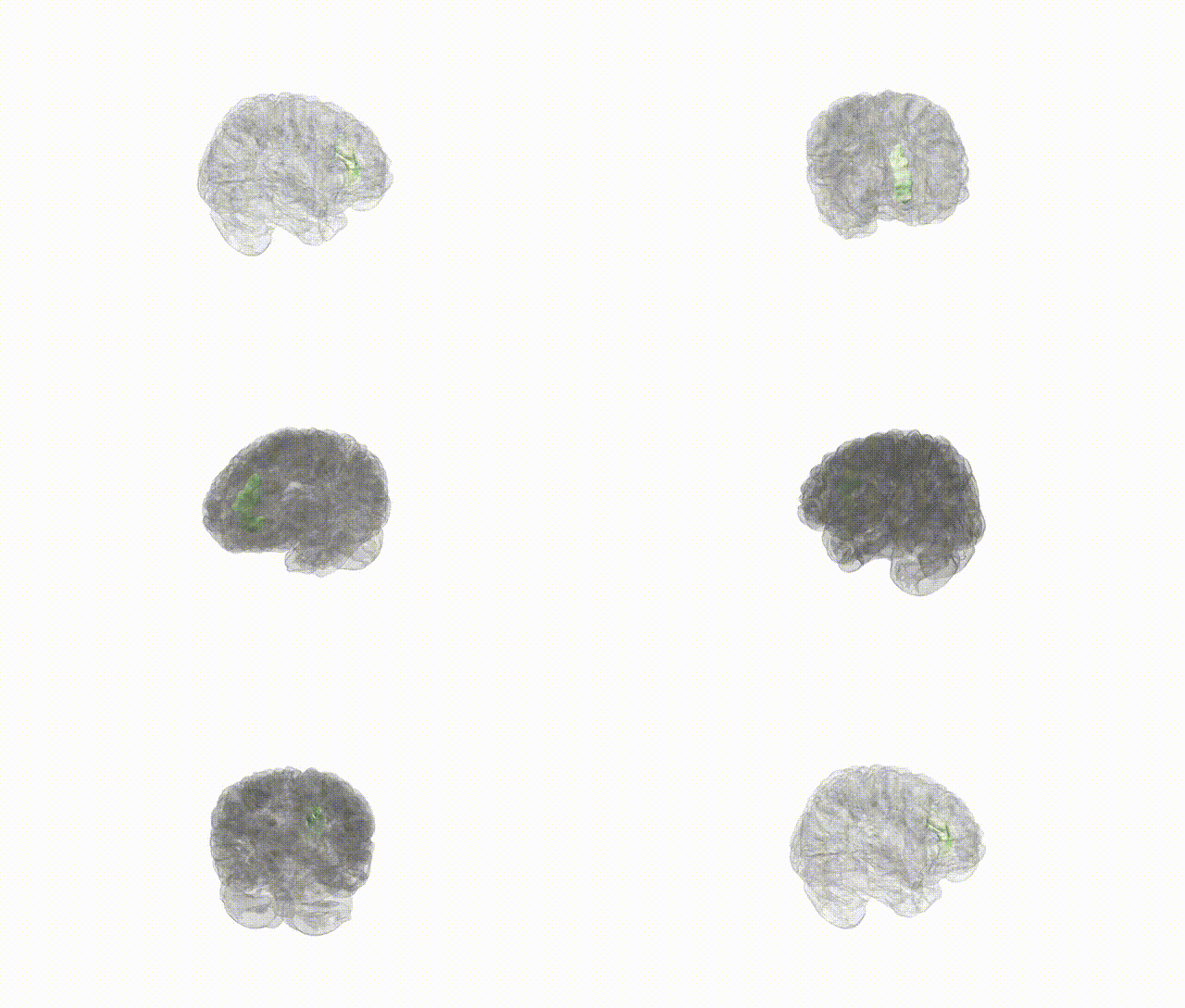
Full Quality Version: Download MP4
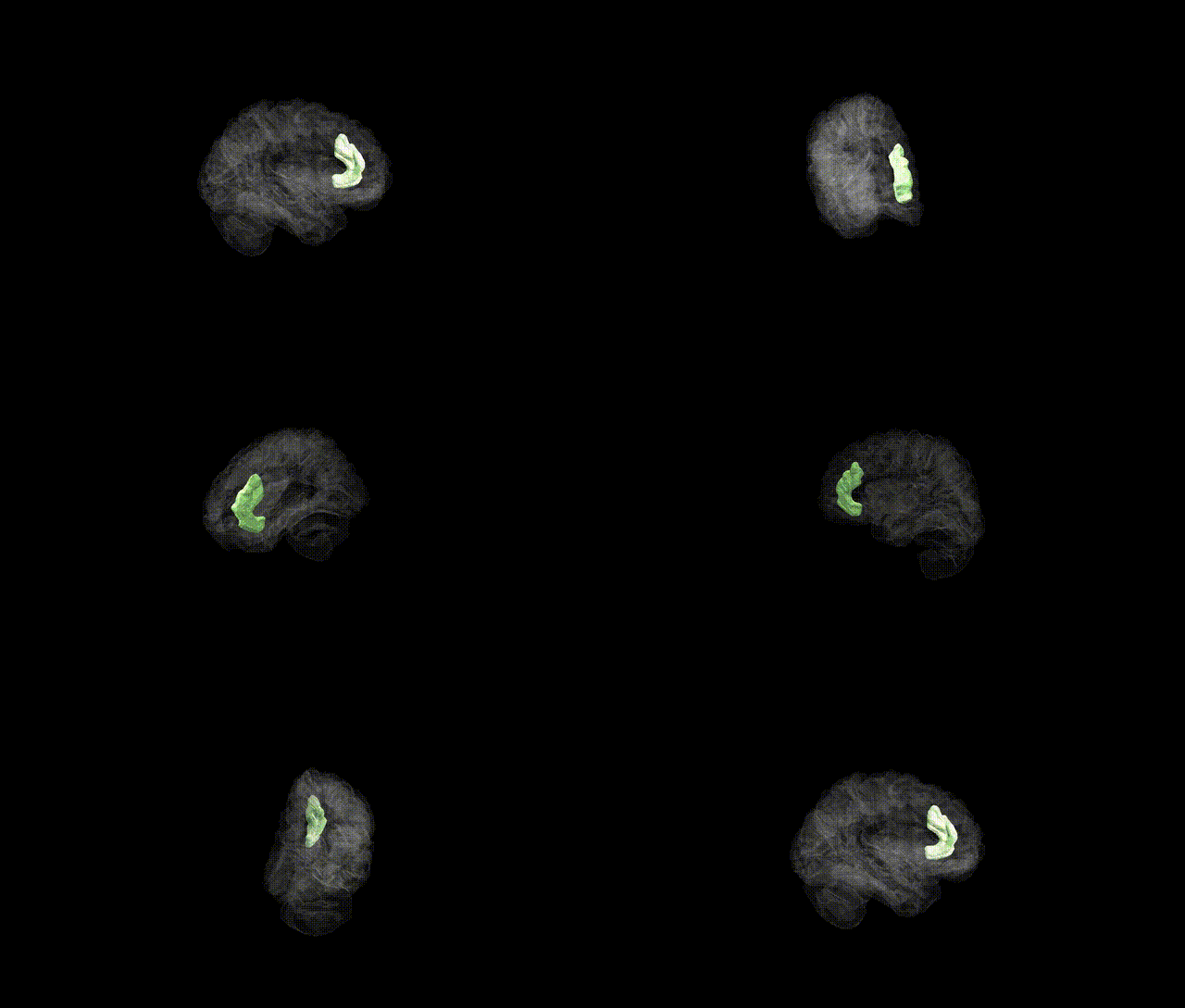
Full Quality Version: Download MP4
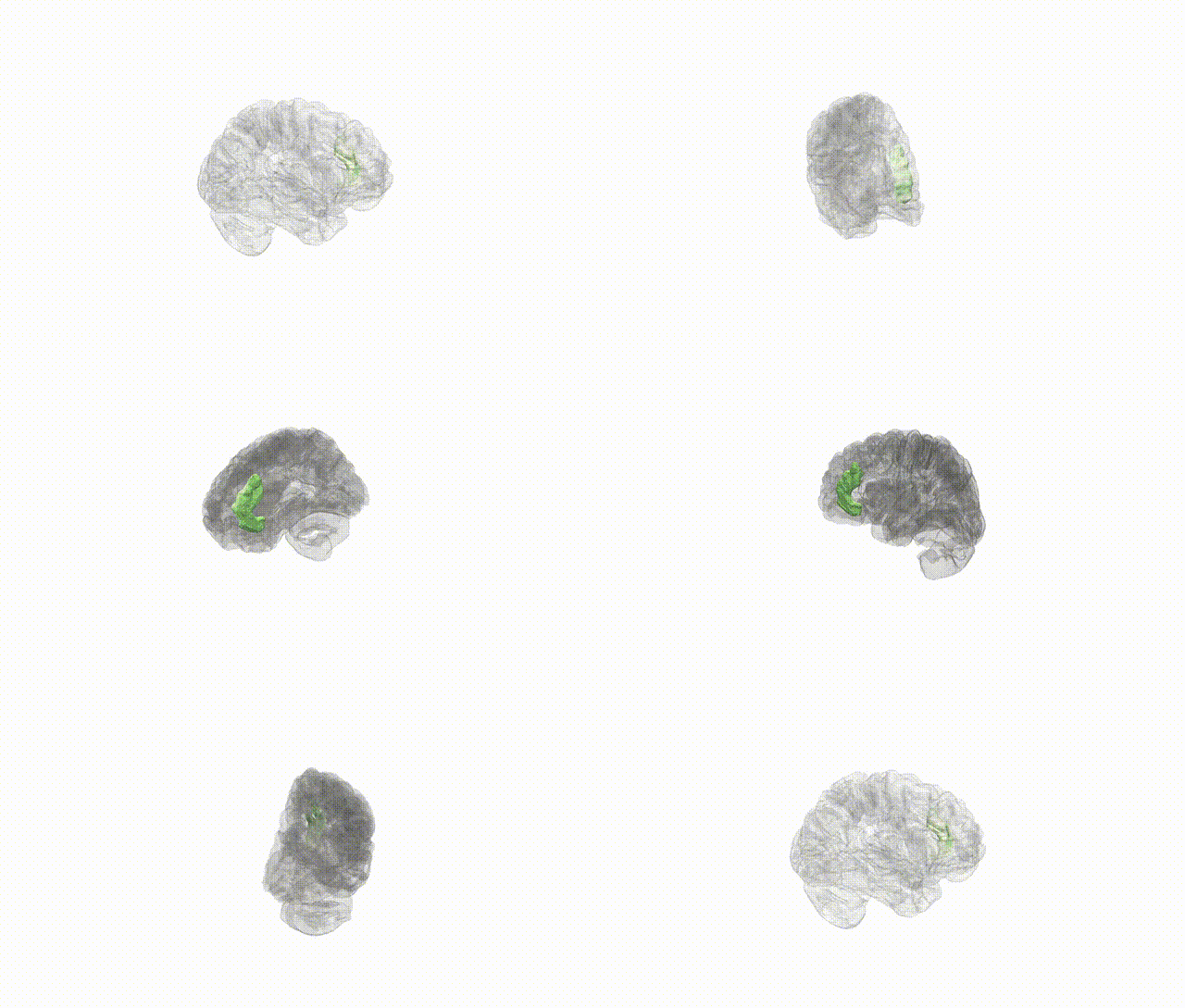
Full Quality Version: Download MP4
Wali Sidiqyar*, Gaurav Rudravaram*, Elyssa M. McMaster, Trent M. Schwartz, Adam M. Saunders, Kurt G. Schilling, Bennett A. Landman "Introducing SPINS: A Shared Public Visualization Library of Neuroanatomical Structures." Medical Imaging with Deep Learning- short paper
This resource is licensed under CC0 1.0 Universal (Public Domain).