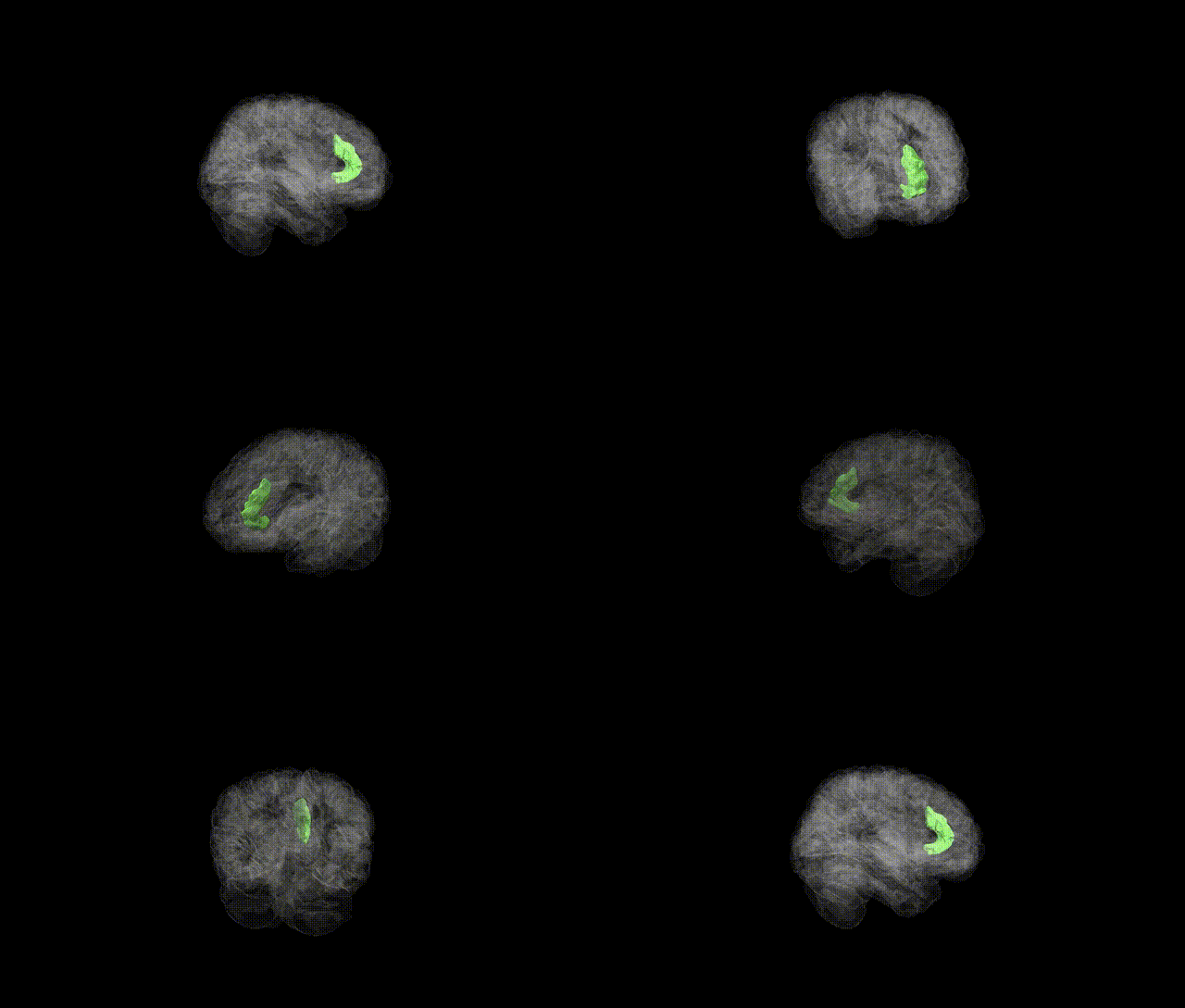
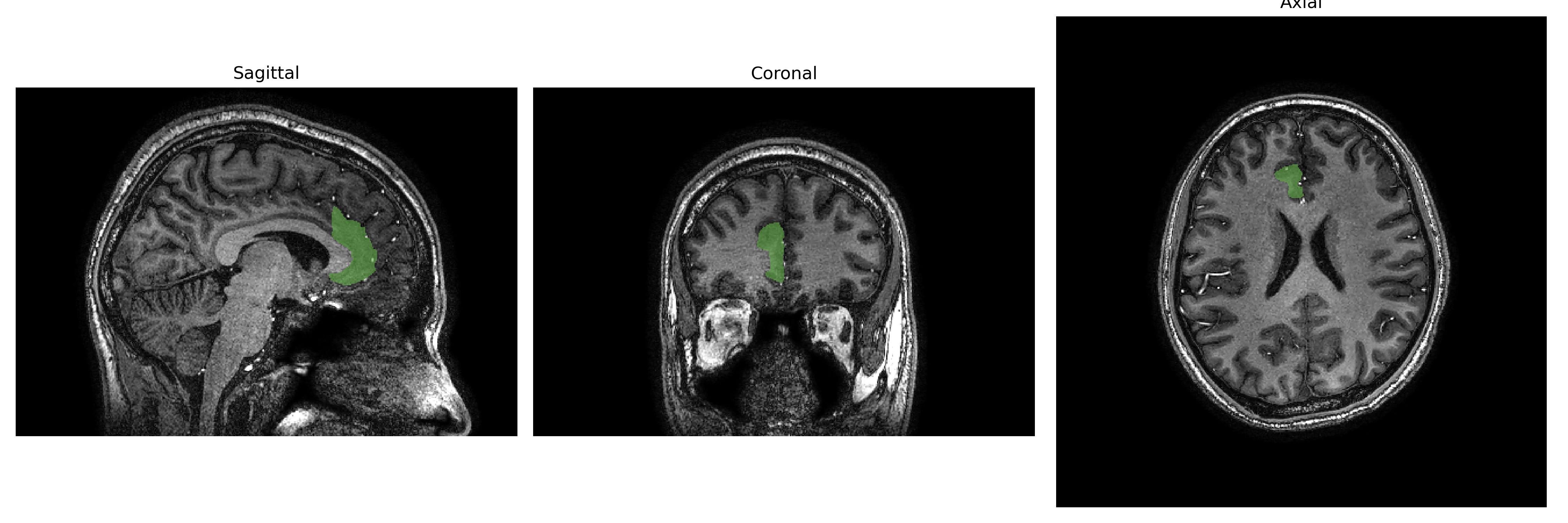
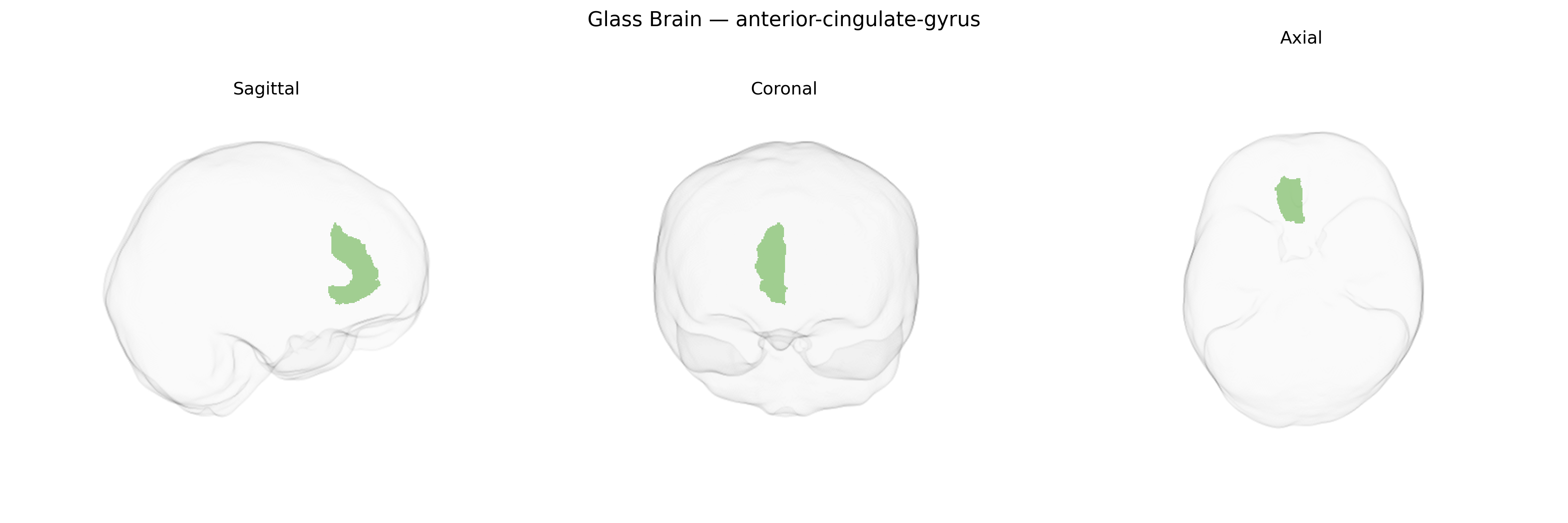
The Right anterior-cingulate-gyrus, part of the anterior cingulate cortex (ACC), is located on the medial aspect of the right frontal lobe, arching above the corpus callosum and anterior to the midcingulate and posterior cingulate regions. Cytoarchitectonically, it comprises portions of Brodmann areas 24, 32, and sometimes 33, characterized by dysgranular to agranular cortex that serves as an interface between limbic and frontal executive networks. Functionally, this region is implicated in performance monitoring, error detection, conflict resolution, motivational drive, and the integration of emotional and cognitive information, often showing strong connectivity with the prefrontal cortex, limbic structures (such as the amygdala), and motor control areas. It also contributes to autonomic regulation, including modulation of heart rate and visceromotor responses, particularly during emotionally salient or demanding tasks. There is no direct link for the “Right anterior-cingulate-gyrus” as a lateralized entry; a related structure is the Anterior cingulate cortex.
The right anterior cingulate gyrus, as defined in the brainCOLOR atlas, shows strong genetic influence on its structure and function, with twin and SNP-heritability studies (e.g., ENIGMA, UK Biobank) indicating moderate to high heritability of its cortical thickness, surface area, and functional connectivity. GWAS of brain morphology and resting-state networks have identified common variants in or near genes involved in synaptic development, axon guidance, and neuroplasticity (including pathways involving CACNA1C, GRIN2B, BDNF, and genes regulating glutamatergic and dopaminergic signaling) that affect anterior cingulate measures, though findings are often distributed and polygenic rather than region-specific. Genetic variants associated with psychiatric disorders—such as schizophrenia, bipolar disorder, major depressive disorder, ADHD, and anxiety—have been linked to structural or functional alterations in the right anterior cingulate, consistent with its role in emotion regulation, salience processing, and cognitive control. In addition, polygenic risk scores for depression, schizophrenia, and neuroticism correlate with right anterior cingulate thickness or activation patterns, and GWAS of pain sensitivity, risk-taking, and cognitive performance implicate overlapping loci that influence this region’s connectivity and activation, underscoring a shared polygenic architecture between right anterior cingulate variation and a range of psychiatric, cognitive, and behavioral traits.
Overview generated by GPT-4o (2026).
Region ID: 24
Hemisphere: Right
Atlas: brainCOLOR
Full Quality Version: Download MP4
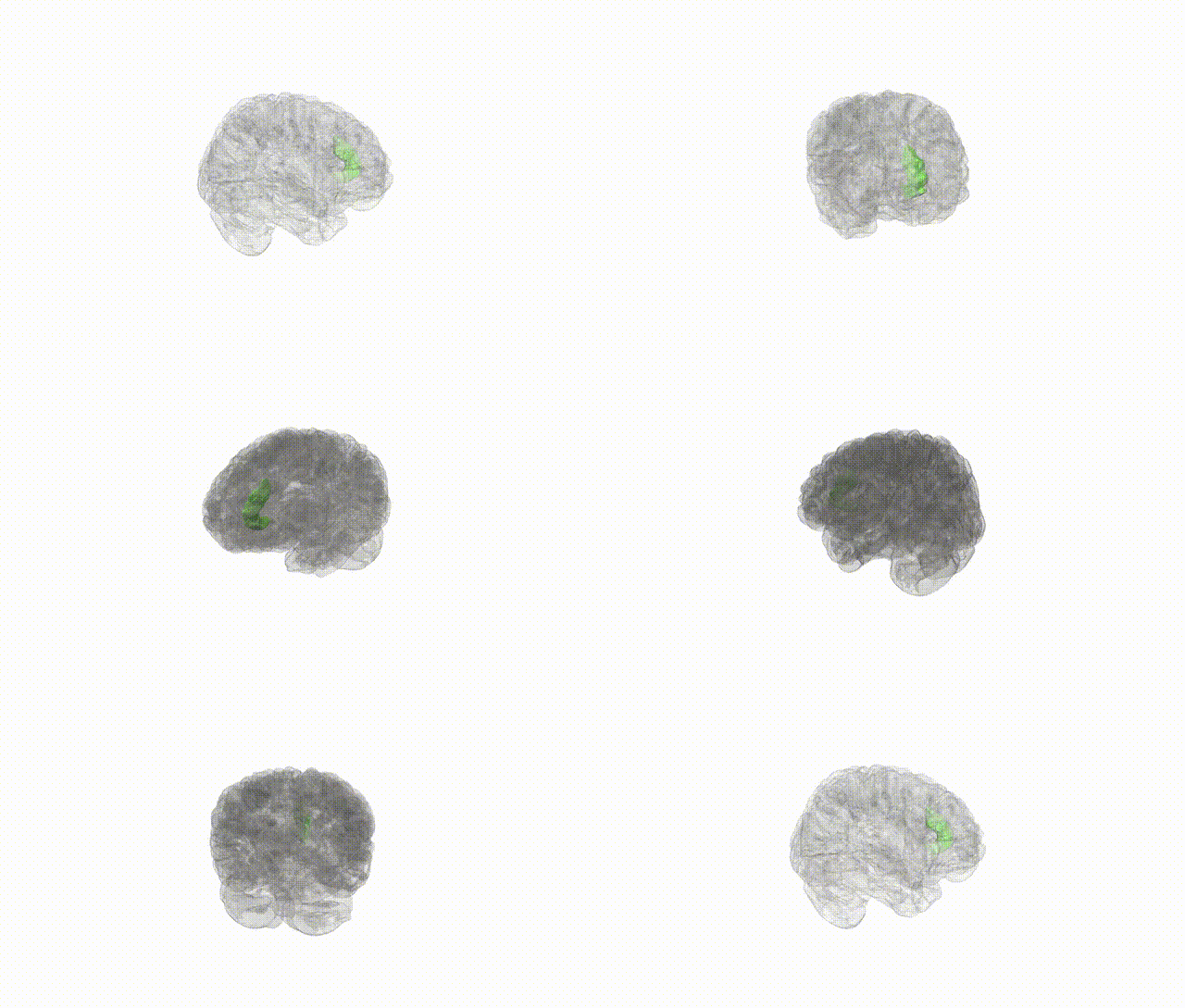
Full Quality Version: Download MP4
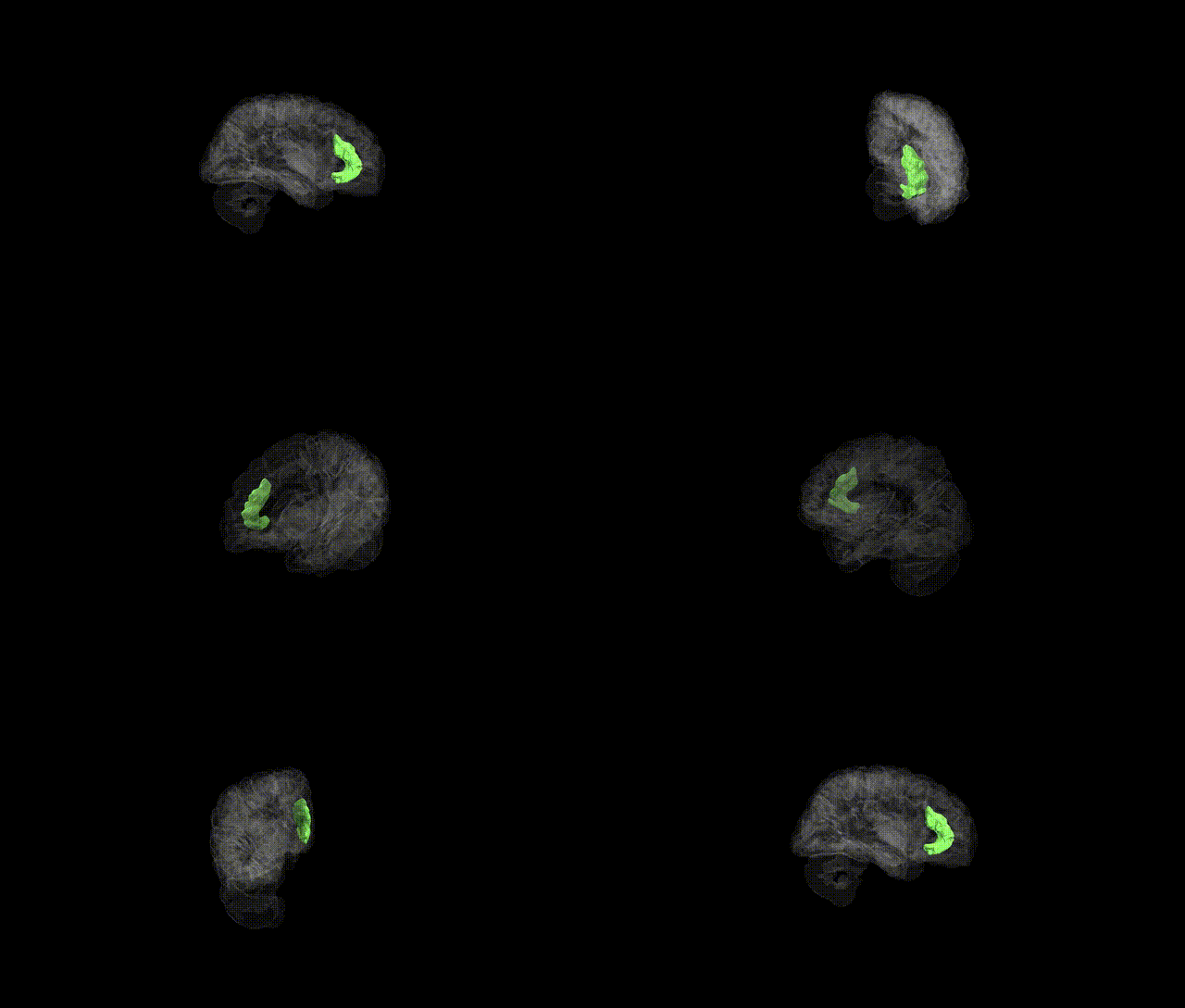
Full Quality Version: Download MP4
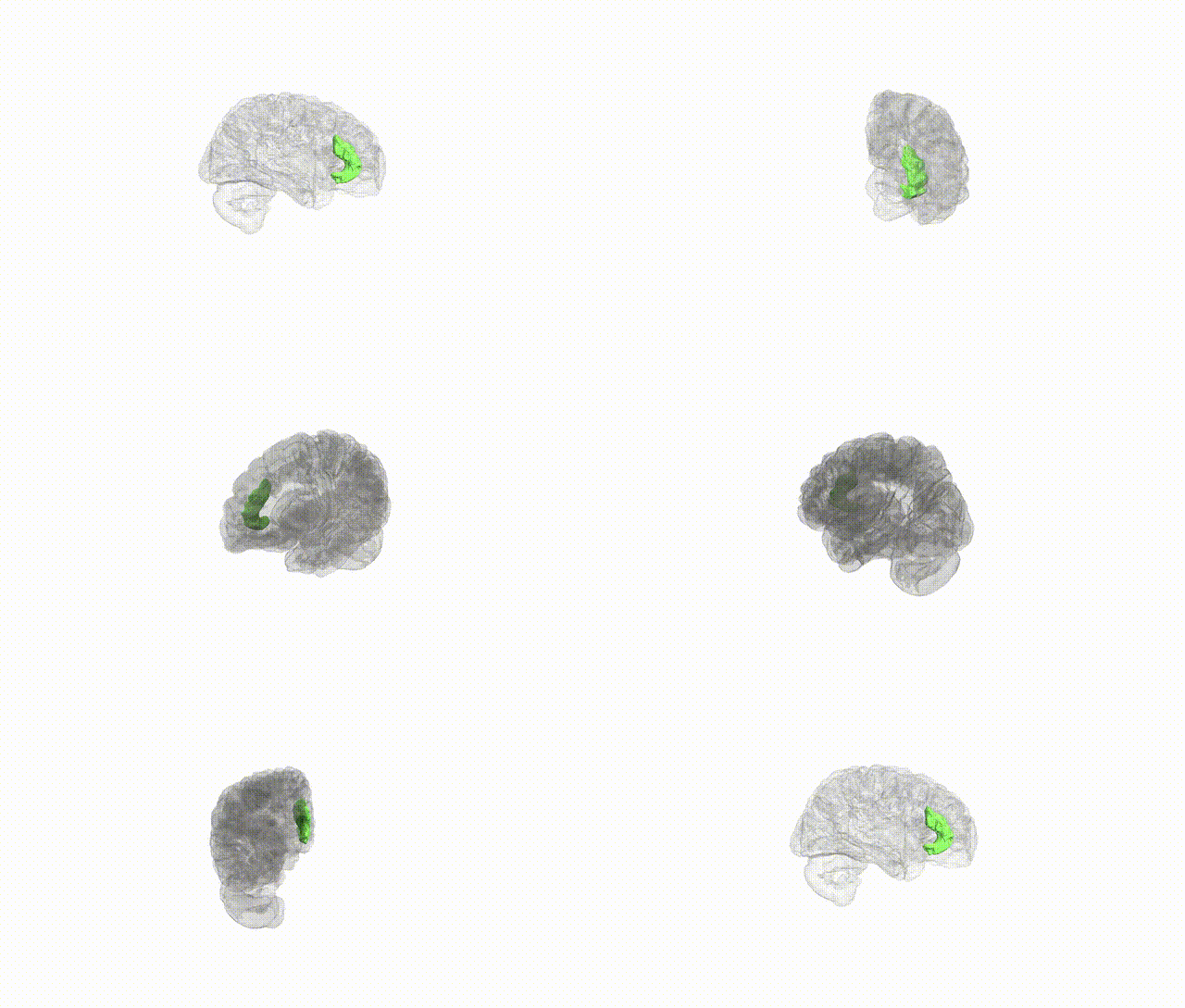
Full Quality Version: Download MP4
Wali Sidiqyar*, Gaurav Rudravaram*, Elyssa M. McMaster, Trent M. Schwartz, Adam M. Saunders, Kurt G. Schilling, Bennett A. Landman "Introducing SPINS: A Shared Public Visualization Library of Neuroanatomical Structures." Medical Imaging with Deep Learning- short paper
This resource is licensed under CC0 1.0 Universal (Public Domain).