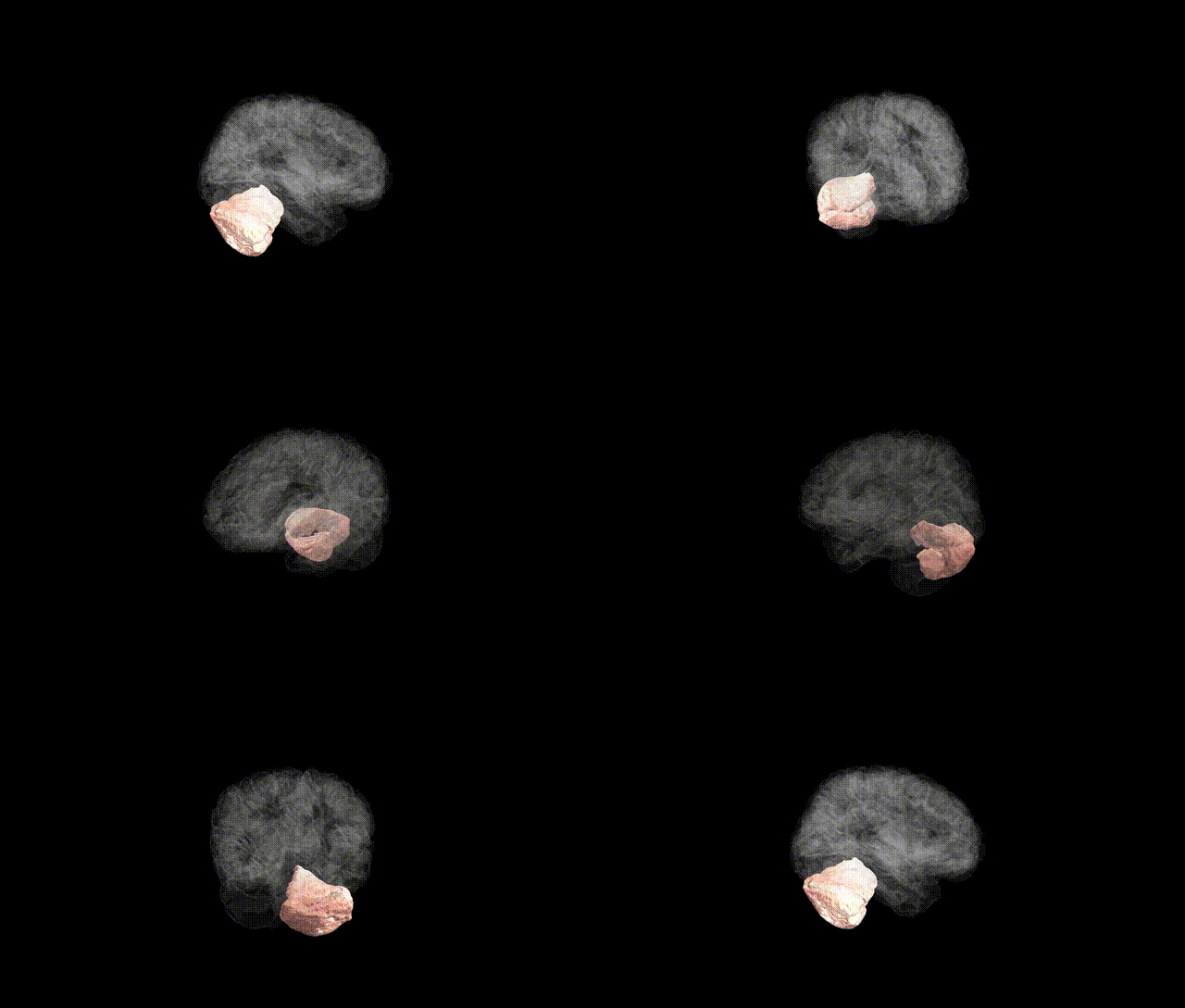
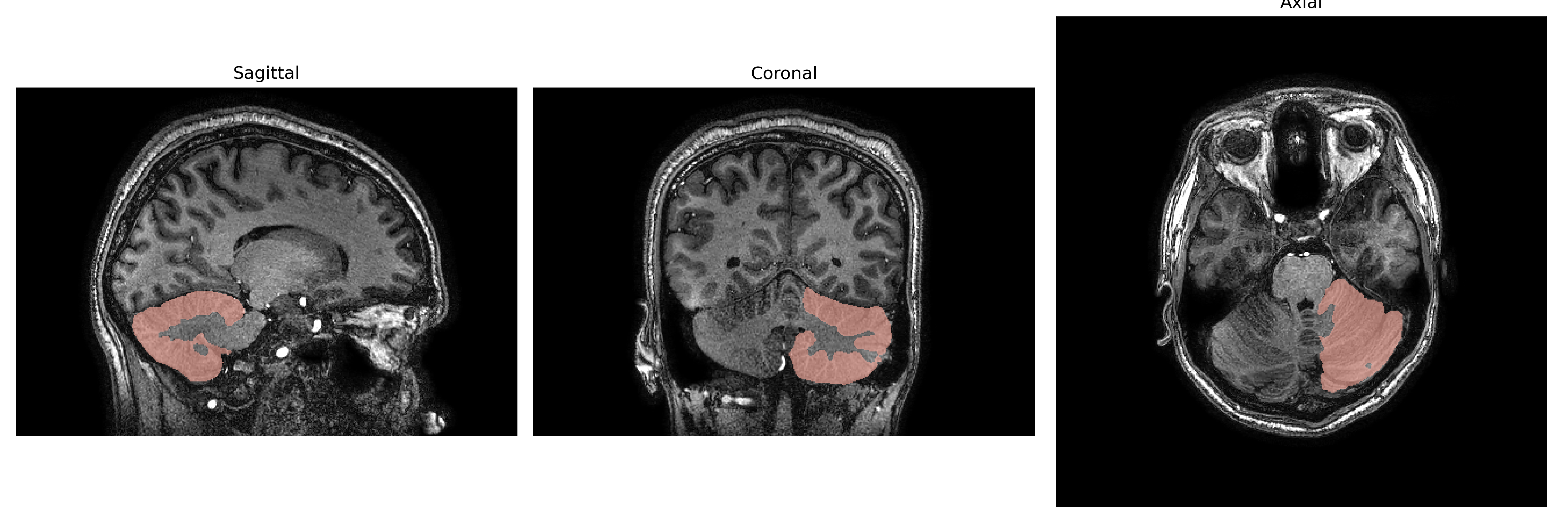
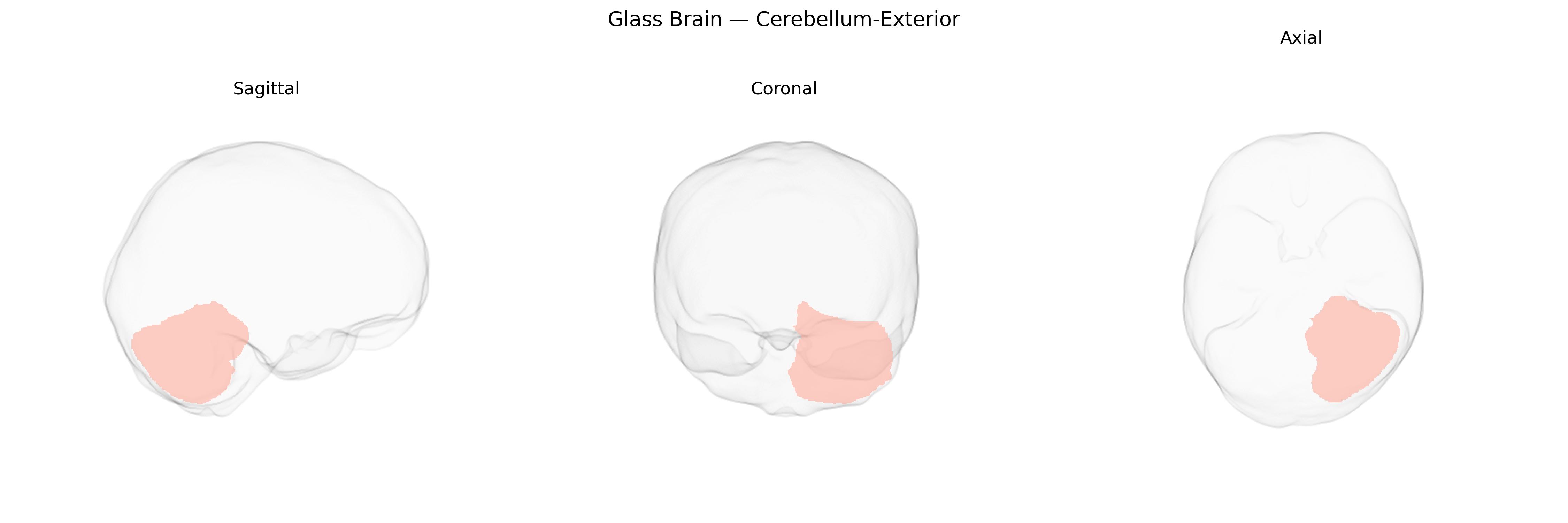
The Left Cerebellum-Exterior, as defined in the brainCOLOR Atlas, corresponds to the superficial cortical mantle of the left cerebellar hemisphere, encompassing the outer folial surfaces and cortical gray matter that overlie the underlying white matter and deep cerebellar nuclei. This region participates in the fine-tuning of ipsilateral motor coordination, balance, and posture, and, through extensive cerebro-cerebellar loops, contributes to the temporal precision of movements and adaptation of motor programs based on sensory feedback. Beyond motor control, the lateral cerebellar cortex, particularly in its posterior aspects, is implicated in higher-order functions such as language, working memory, and aspects of executive and affective processing via connections with association cortices and limbic structures. Functionally, the Left Cerebellum-Exterior thus serves as an interface between sensory inputs, motor outputs, and cognitive operations, supporting the calibration and optimization of behavior. Cerebellum
The Left Cerebellum-Exterior region, as defined in the brainCOLOR atlas, has been implicated in several large-scale imaging genetics and GWAS meta-analyses that examine cerebellar volume and morphology, though locus- and gene-level associations are typically reported for global or lobule-specific cerebellar measures rather than this subregion alone. Common variants in genes involved in neurodevelopment, synaptic function, and axon guidance—such as KIAA0586, PAX3, and several loci near growth and transcriptional regulators—have been associated with total cerebellar volume or specific cerebellar subregions in UK Biobank–based GWAS, suggesting shared genetic underpinnings for cerebellar structure across hemispheres and surfaces. Polygenic overlap has been reported between cerebellar measures and neuropsychiatric disorders including schizophrenia, bipolar disorder, major depressive disorder, ADHD, and autism spectrum disorder, as well as cognitive traits such as general intelligence and educational attainment, indicating that variants influencing cerebellar anatomy contribute to broader brain–behavior phenotypes. Additional associations link cerebellar volumes with motor-related traits, coordination, and gait, and there is emerging evidence that genetic risk for ataxias and certain spinocerebellar degenerations converges on networks that include lateral cerebellar regions, likely overlapping the Left Cerebellum-Exterior territory, although these findings are usually reported at the level of clinical diagnosis or broader cerebellar lobules rather than the specific brainCOLOR label.
Overview generated by GPT-4o (2026).
Region ID: 8
Hemisphere: Left
Atlas: brainCOLOR
Full Quality Version: Download MP4
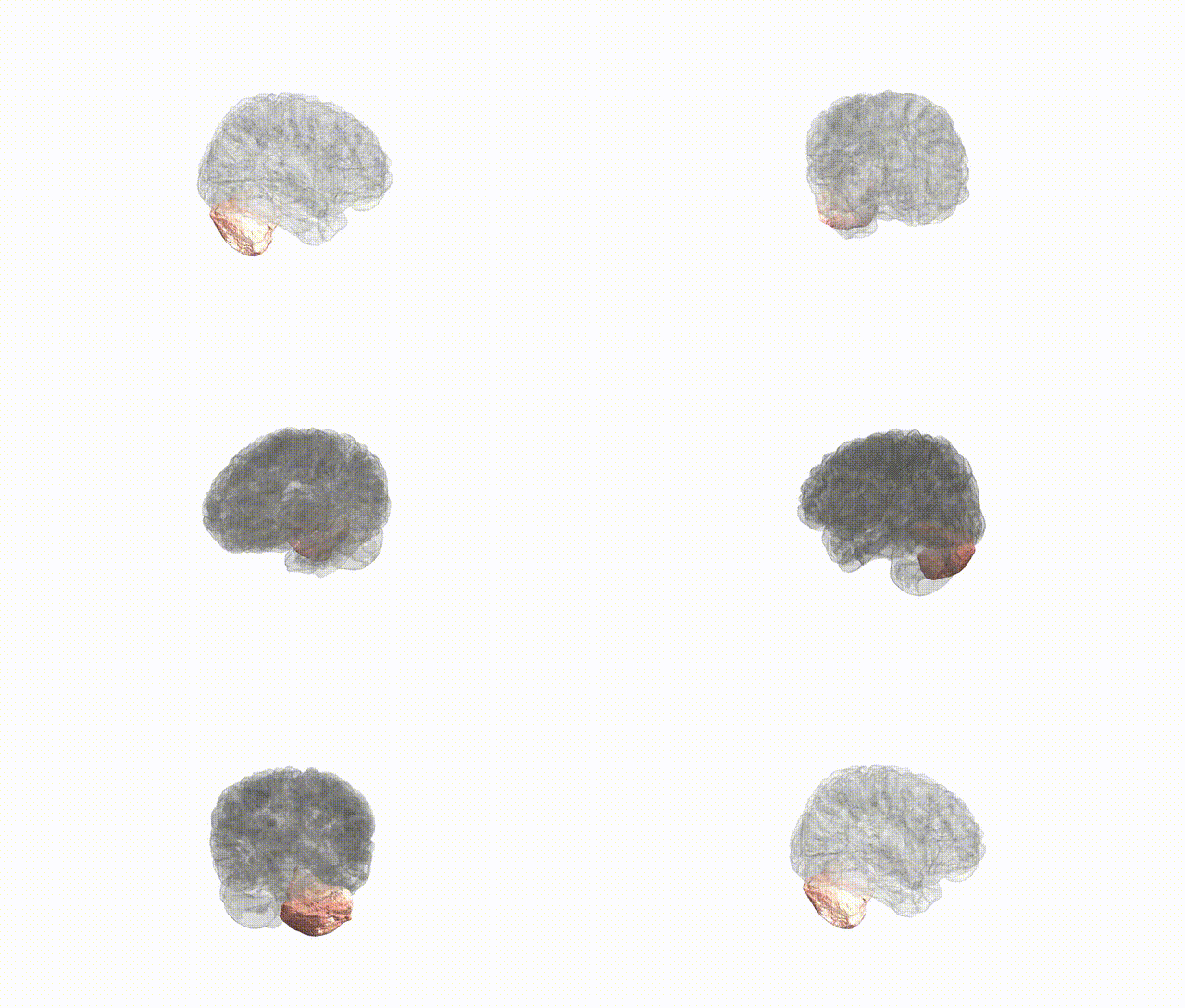
Full Quality Version: Download MP4
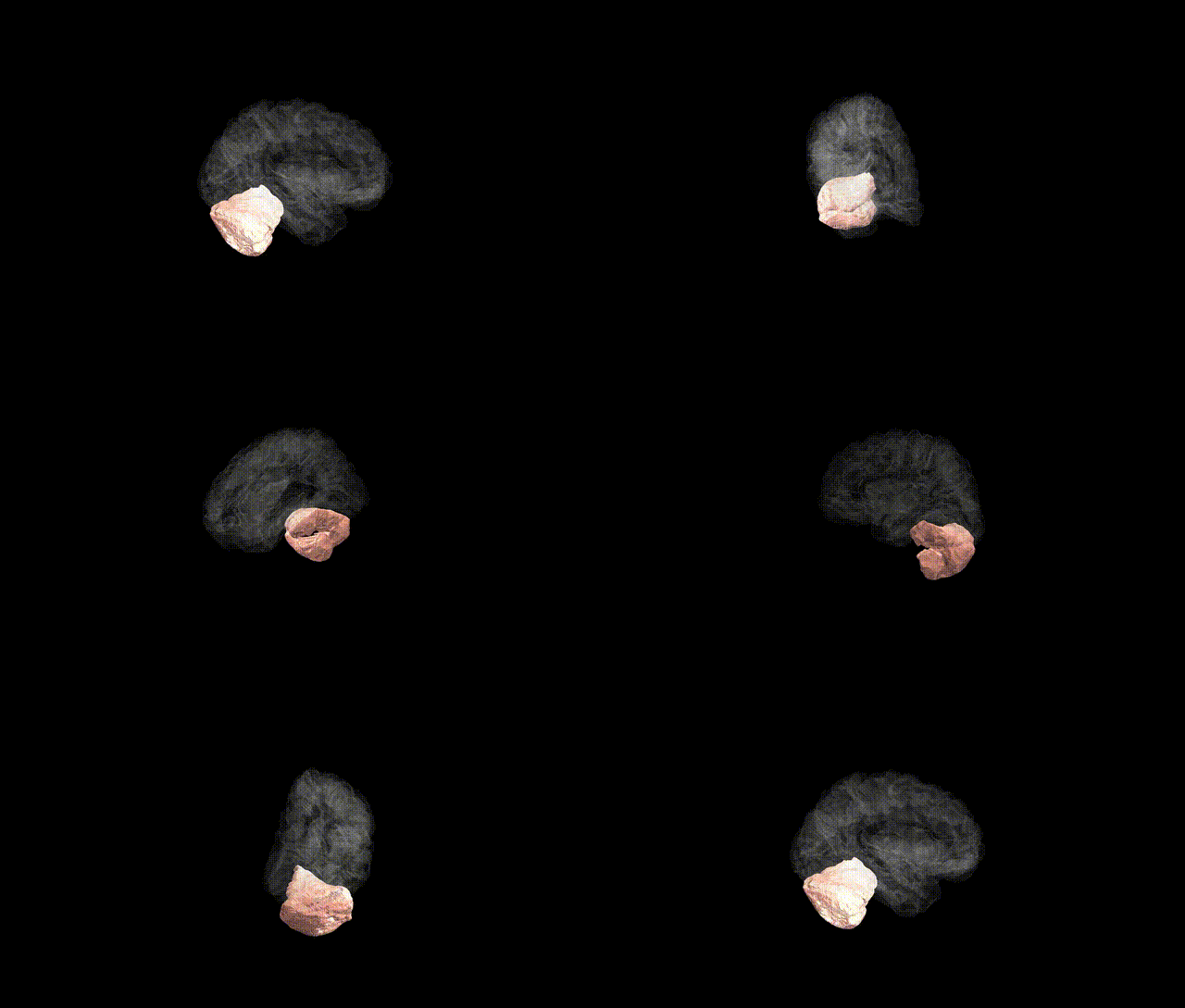
Full Quality Version: Download MP4
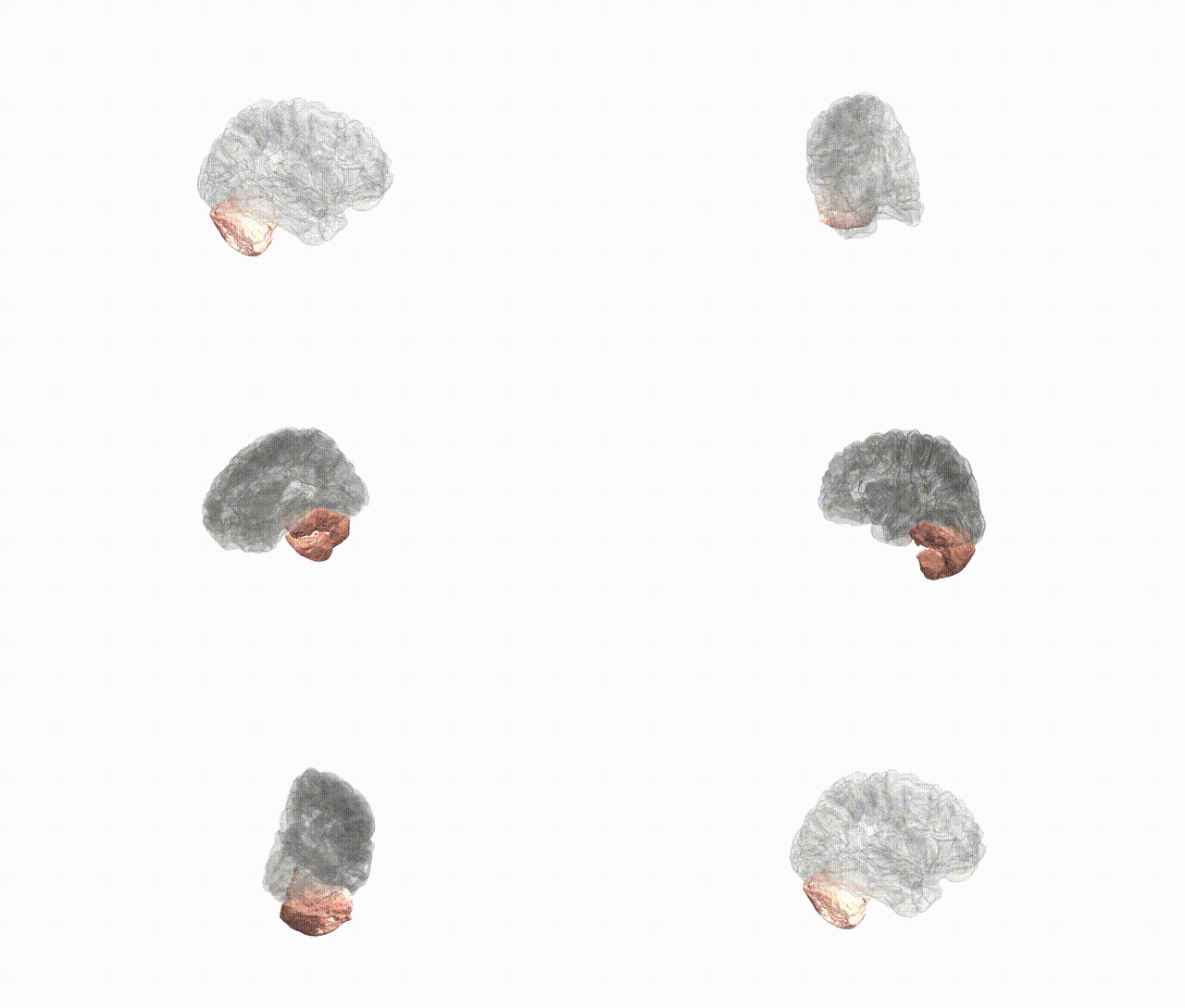
Full Quality Version: Download MP4
Wali Sidiqyar*, Gaurav Rudravaram*, Elyssa M. McMaster, Trent M. Schwartz, Adam M. Saunders, Kurt G. Schilling, Bennett A. Landman "Introducing SPINS: A Shared Public Visualization Library of Neuroanatomical Structures." Medical Imaging with Deep Learning- short paper
This resource is licensed under CC0 1.0 Universal (Public Domain).