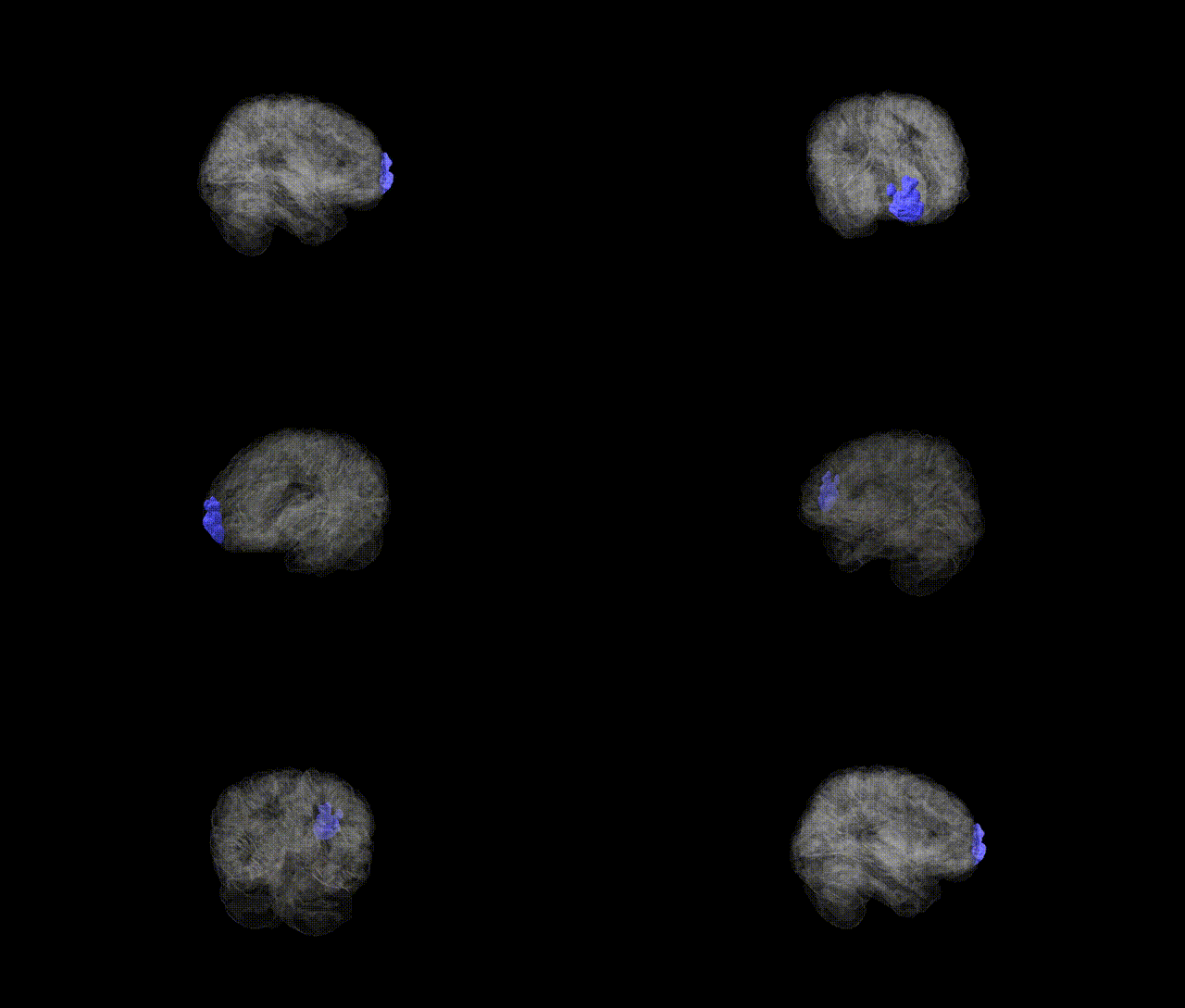
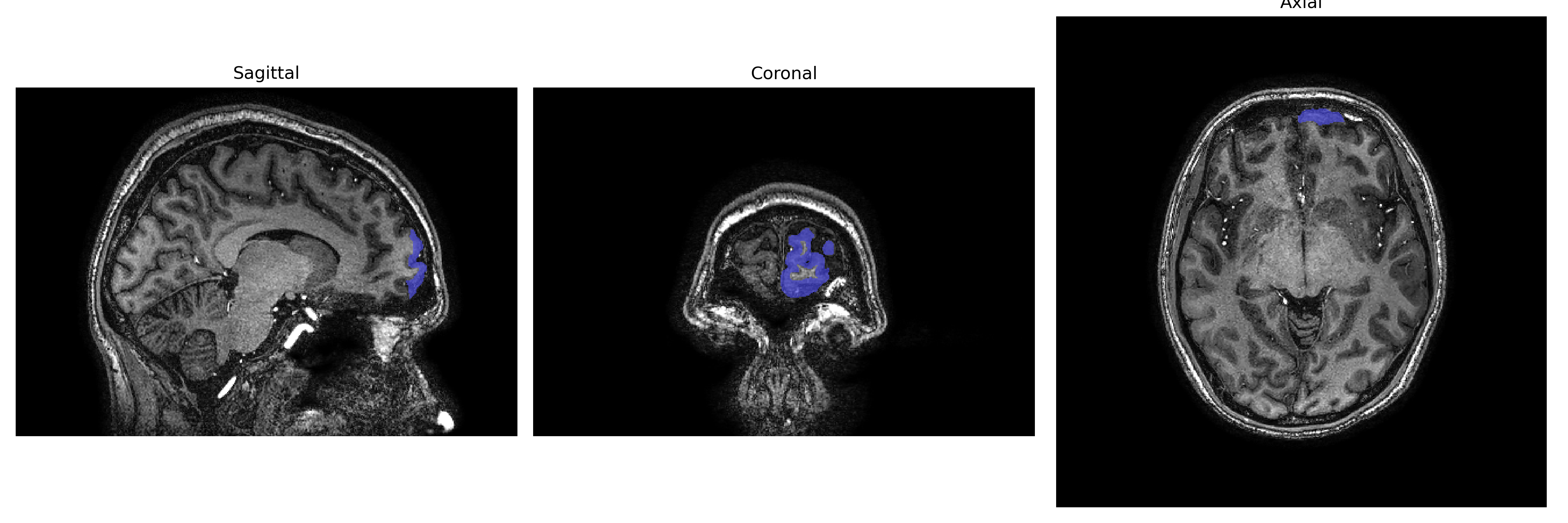
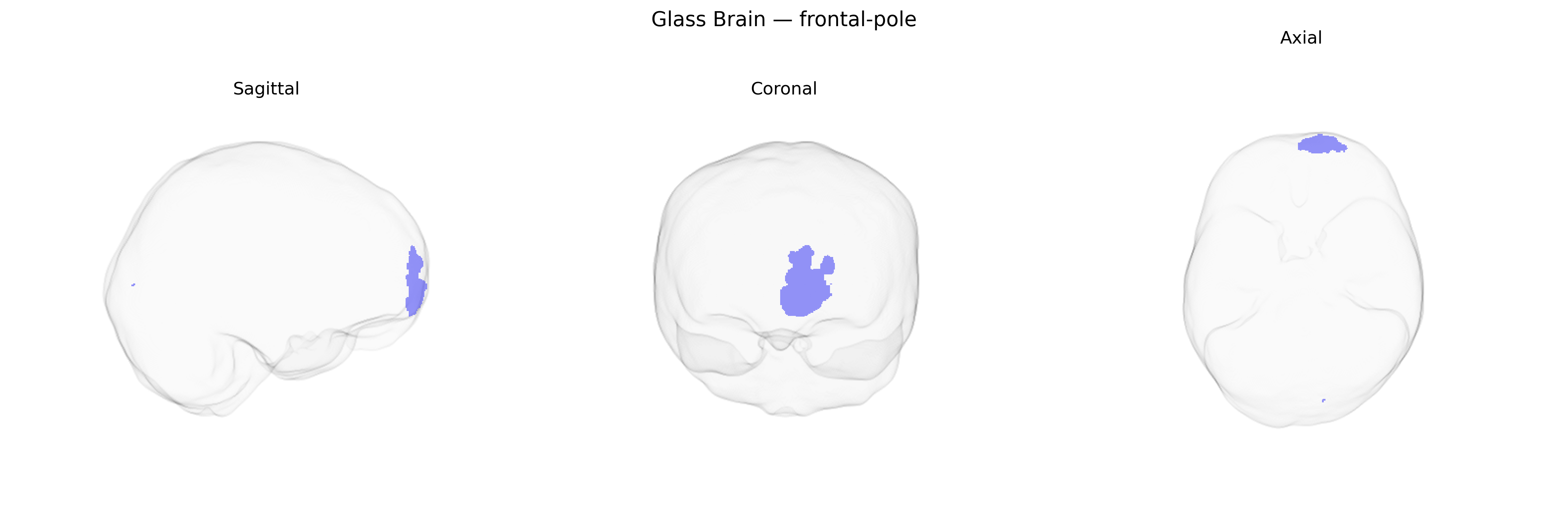
The left frontal pole, corresponding roughly to the most anterior portion of the left frontal lobe (often encompassing parts of Brodmann area 10), is a high-order association region implicated in complex cognitive operations such as prospective memory, abstract reasoning, multitasking, and strategic planning. This region integrates information from distributed cortical networks, including dorsolateral prefrontal, orbitofrontal, and limbic areas, and contributes to the orchestration of goal-directed behavior over extended time scales. Neuroimaging and lesion studies indicate that the left frontal pole is particularly involved in internally generated thought, evaluation of alternative actions, and metacognitive aspects of decision making, with a notable role in language-related executive processes in the dominant (typically left) hemisphere. There is no direct Wikipedia article for this exact parcel; see the related structure Frontal pole.
The left frontal pole (as defined in the brainCOLOR Atlas) has been implicated in genetic studies primarily through its roles in higher-order cognition, decision-making, and psychopathology, although region-specific genetic associations remain relatively coarse due to the spatial resolution of most GWAS and imaging-genetics analyses. Large-scale brain imaging GWAS from consortia such as ENIGMA and UK Biobank have identified common variants in genes involved in neurodevelopment and synaptic function (for example, near genes such as HMGA2, IGF1, and others implicated in cortical surface area and thickness) that influence frontal cortical morphology, including anterior frontal regions overlapping the frontal pole. Polygenic risk scores for schizophrenia, bipolar disorder, major depressive disorder, attention-deficit/hyperactivity disorder, and autism spectrum disorder have been associated with structural and functional alterations in medial and lateral prefrontal areas that include or border the frontal pole, though few findings are specific to the left frontal-pole label itself. Variants linked to general cognitive ability, educational attainment, and executive function also show associations with frontal cortical measures, suggesting that frontal-pole anatomy and connectivity partly reflect the cumulative effects of many small-effect alleles shaping cortical development. Overall, genetic associations to date indicate that the left frontal pole participates in polygenic networks influencing psychiatric vulnerability and higher cognition, but precise, locus-specific effects tied uniquely to this atlas-defined region remain under active investigation and are not yet clearly delineated beyond broader frontal-lobe and prefrontal cortical signals.
Overview generated by GPT-4o (2026).
Region ID: 43
Hemisphere: Left
Atlas: brainCOLOR
Full Quality Version: Download MP4
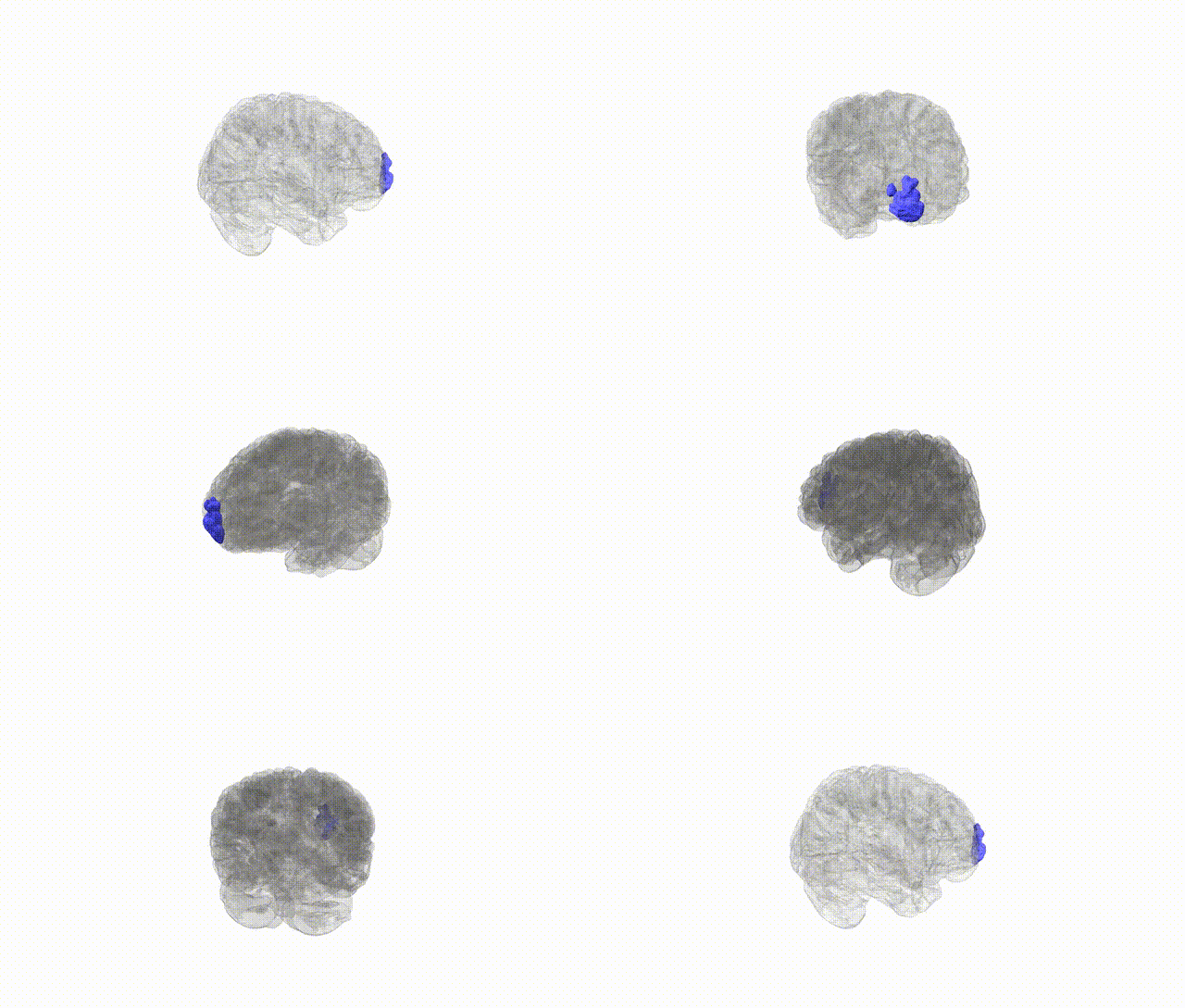
Full Quality Version: Download MP4
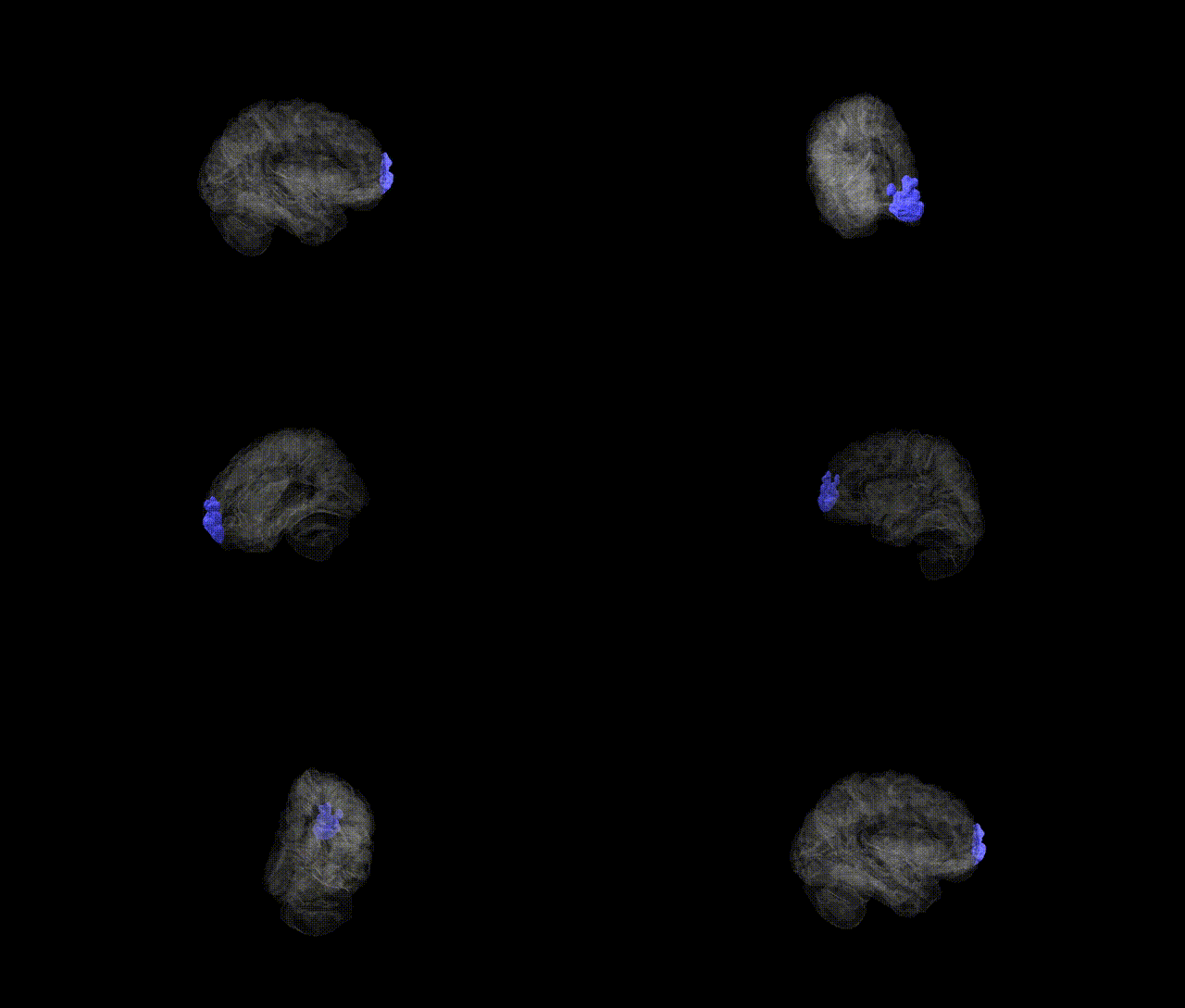
Full Quality Version: Download MP4
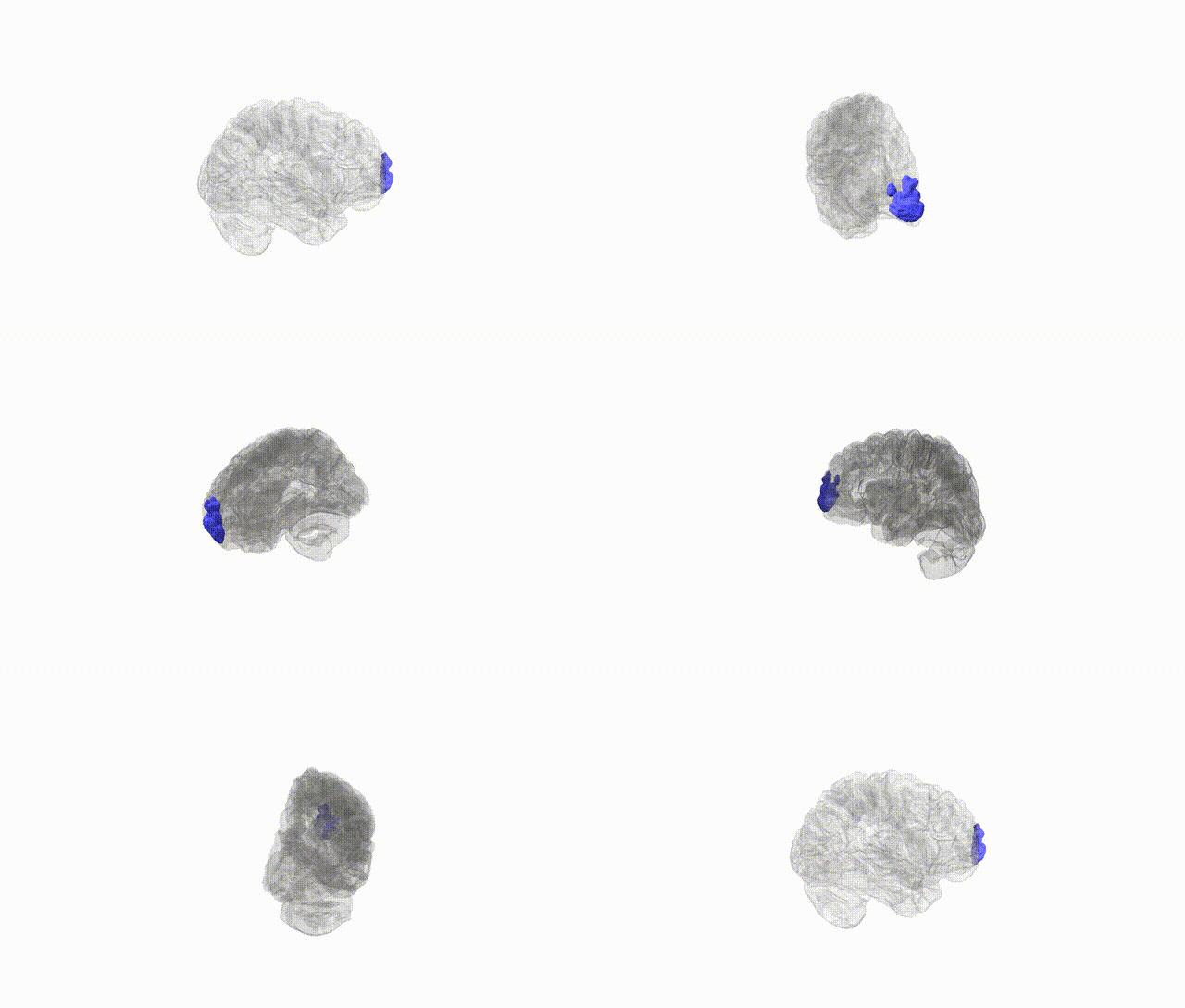
Full Quality Version: Download MP4
Wali Sidiqyar*, Gaurav Rudravaram*, Elyssa M. McMaster, Trent M. Schwartz, Adam M. Saunders, Kurt G. Schilling, Bennett A. Landman "Introducing SPINS: A Shared Public Visualization Library of Neuroanatomical Structures." Medical Imaging with Deep Learning- short paper
This resource is licensed under CC0 1.0 Universal (Public Domain).