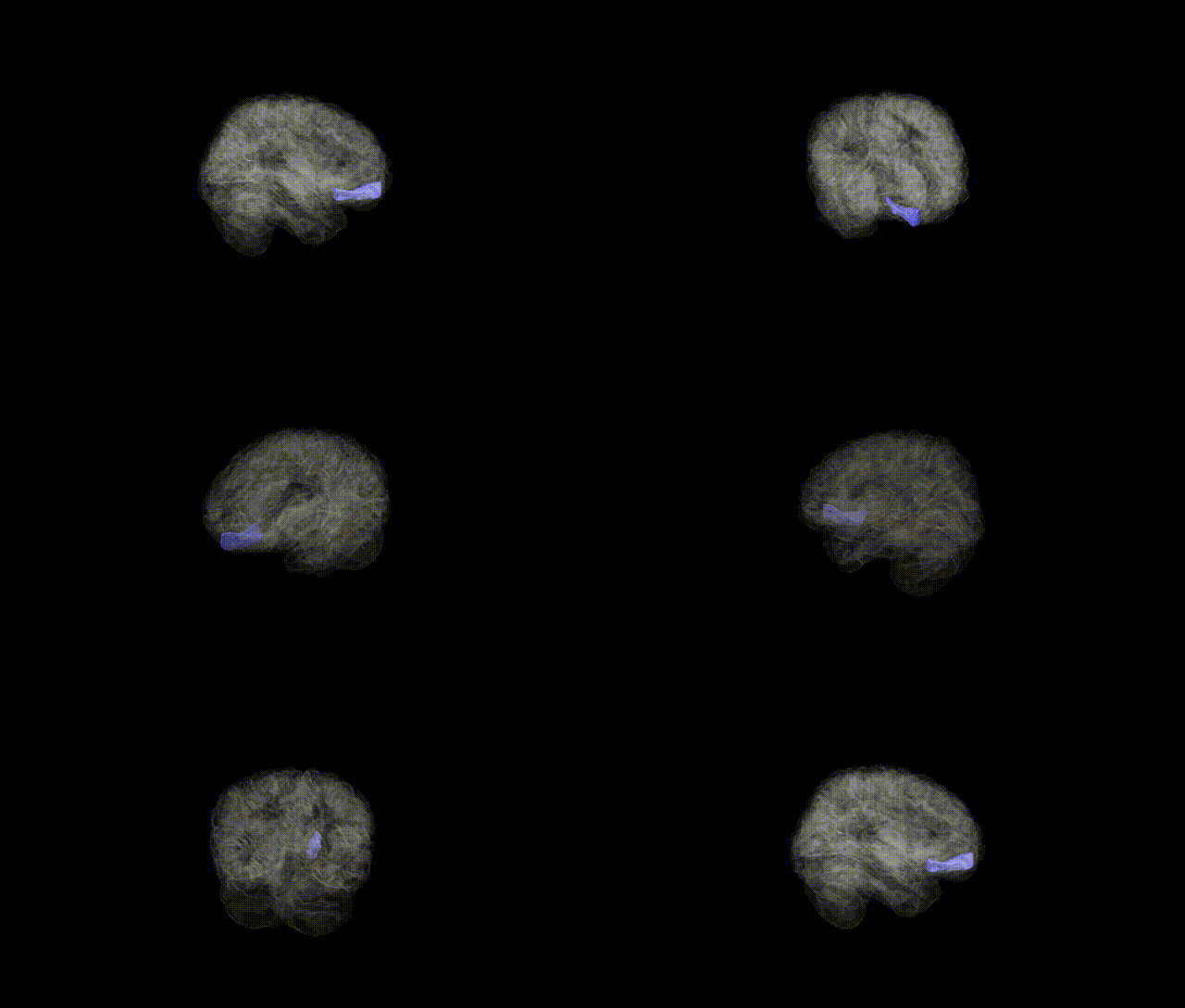
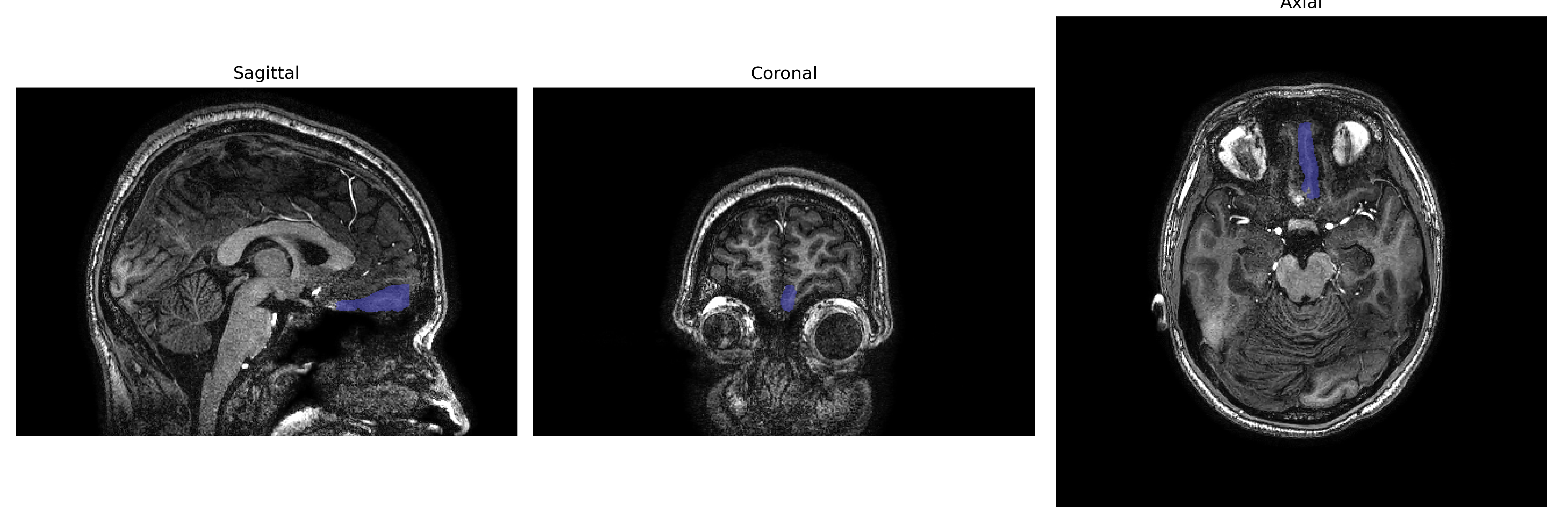
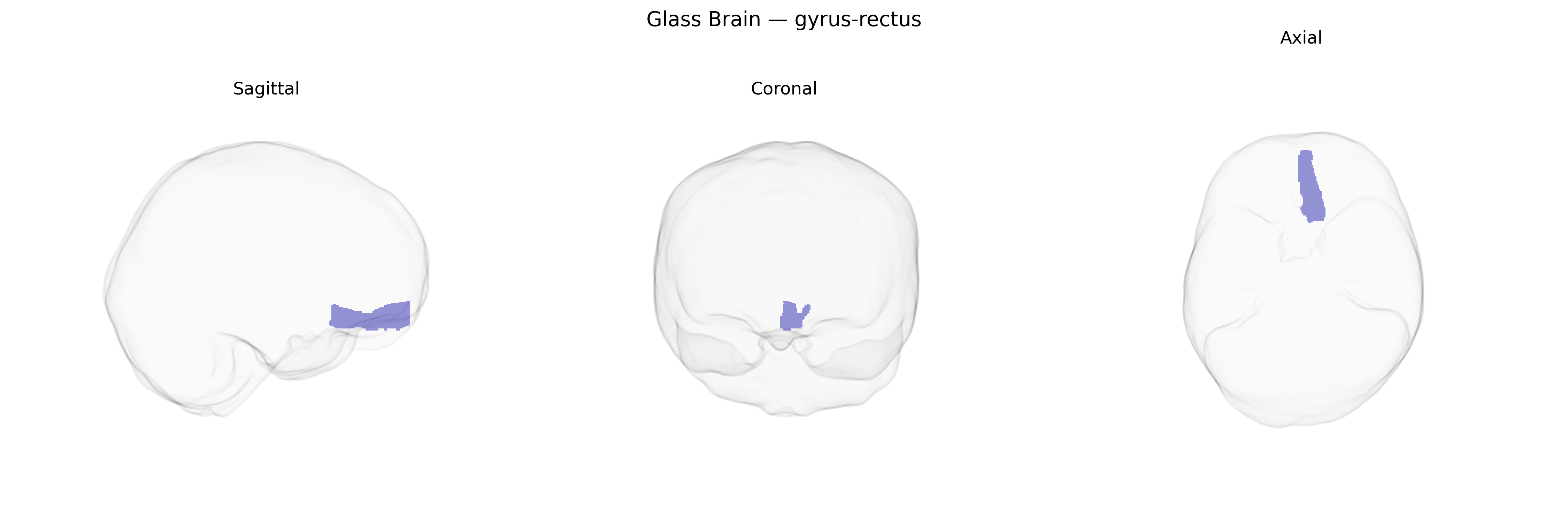
The left gyrus rectus is the medial-most convolution of the left frontal lobe, forming part of the inferior surface of the frontal cortex along the midline, immediately adjacent to the olfactory sulcus and overlying the orbital surface of the frontal bone. It is cytoarchitectonically associated with orbitofrontal cortex regions and is supplied primarily by branches of the anterior cerebral artery. Functionally, the gyrus rectus has been implicated in higher-order cognitive and socio-emotional processes, including aspects of reward evaluation, affective regulation, and decision-making, as well as in certain aspects of olfactory processing, though its precise and isolated functional role remains incompletely defined. There is no direct Wikipedia article for the gyrus rectus; a related structure within which it is located is the Frontal lobe.
The left gyrus rectus (medial orbitofrontal/ventromedial prefrontal cortex region as delineated in the brainCOLOR atlas) has been implicated in several genetic and imaging-genetics studies, although direct GWAS focused specifically on this labeled region are sparse. Large-scale brain MRI GWAS (e.g., ENIGMA, UK Biobank) have identified common variants near genes involved in neurodevelopment, synaptic function, and cell adhesion (such as MAPT on 17q21.31 and loci in 3p24–p25 and 6q22) that influence cortical volume or thickness in medial orbitofrontal areas encompassing the gyrus rectus. Polygenic risk for major depressive disorder, schizophrenia, and bipolar disorder has been associated with structural and functional alterations in ventromedial prefrontal regions including the gyrus rectus, with some evidence that higher psychiatric polygenic scores correlate with reduced gray matter volume or altered connectivity in this area. Additionally, variants in genes related to Alzheimer’s disease risk (such as APOE ε4) and frontotemporal dementia have been linked to atrophy patterns that include the gyrus rectus/medial orbitofrontal cortex, while GWAS of cognitive traits and personality (e.g., neuroticism, impulsivity) show enrichment of effects in prefrontal circuits that functionally overlap this region, suggesting a genetically mediated contribution to emotion regulation, reward processing, and higher-order executive function.
Overview generated by GPT-4o (2026).
Region ID: 47
Hemisphere: Left
Atlas: brainCOLOR
Full Quality Version: Download MP4
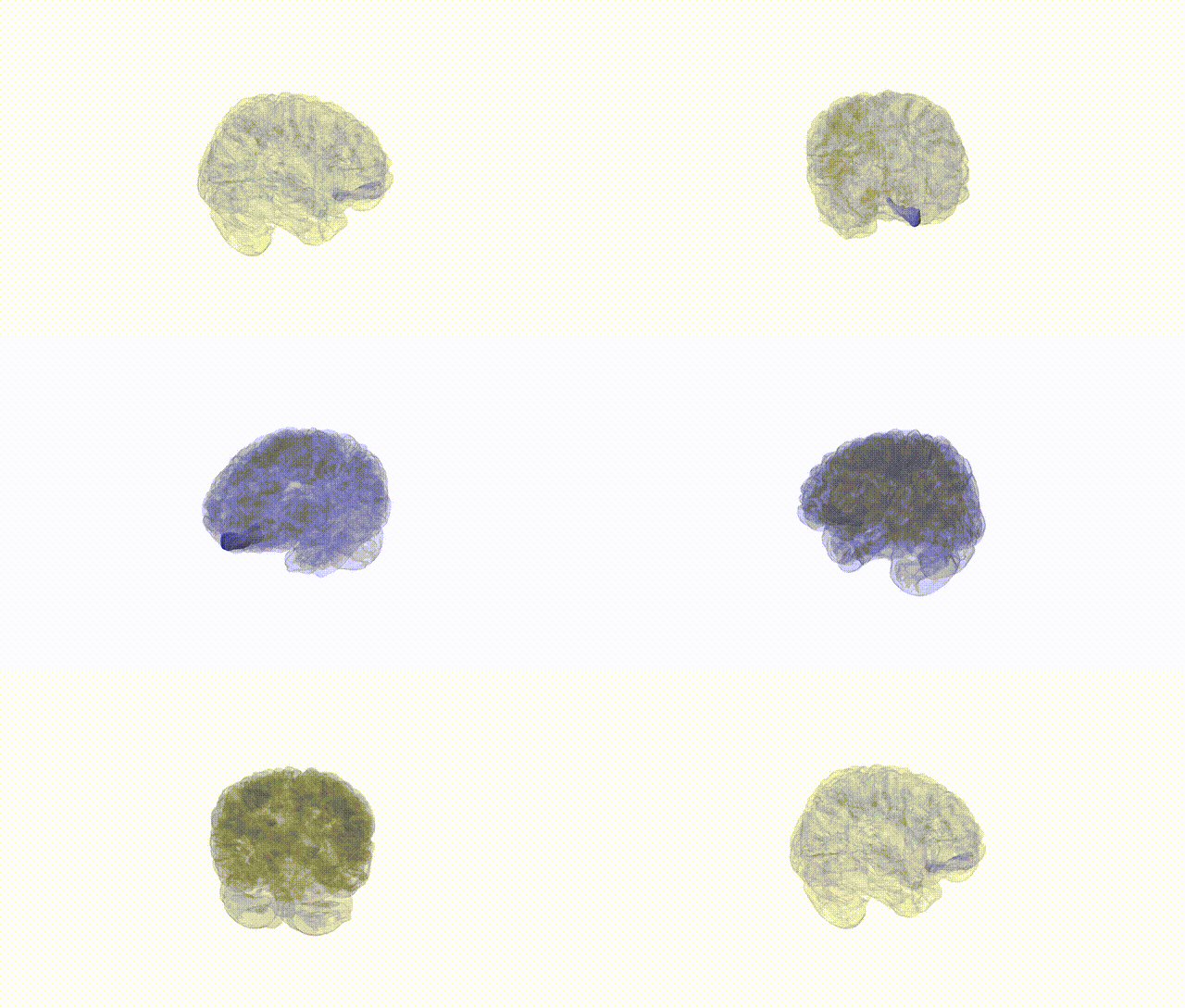
Full Quality Version: Download MP4
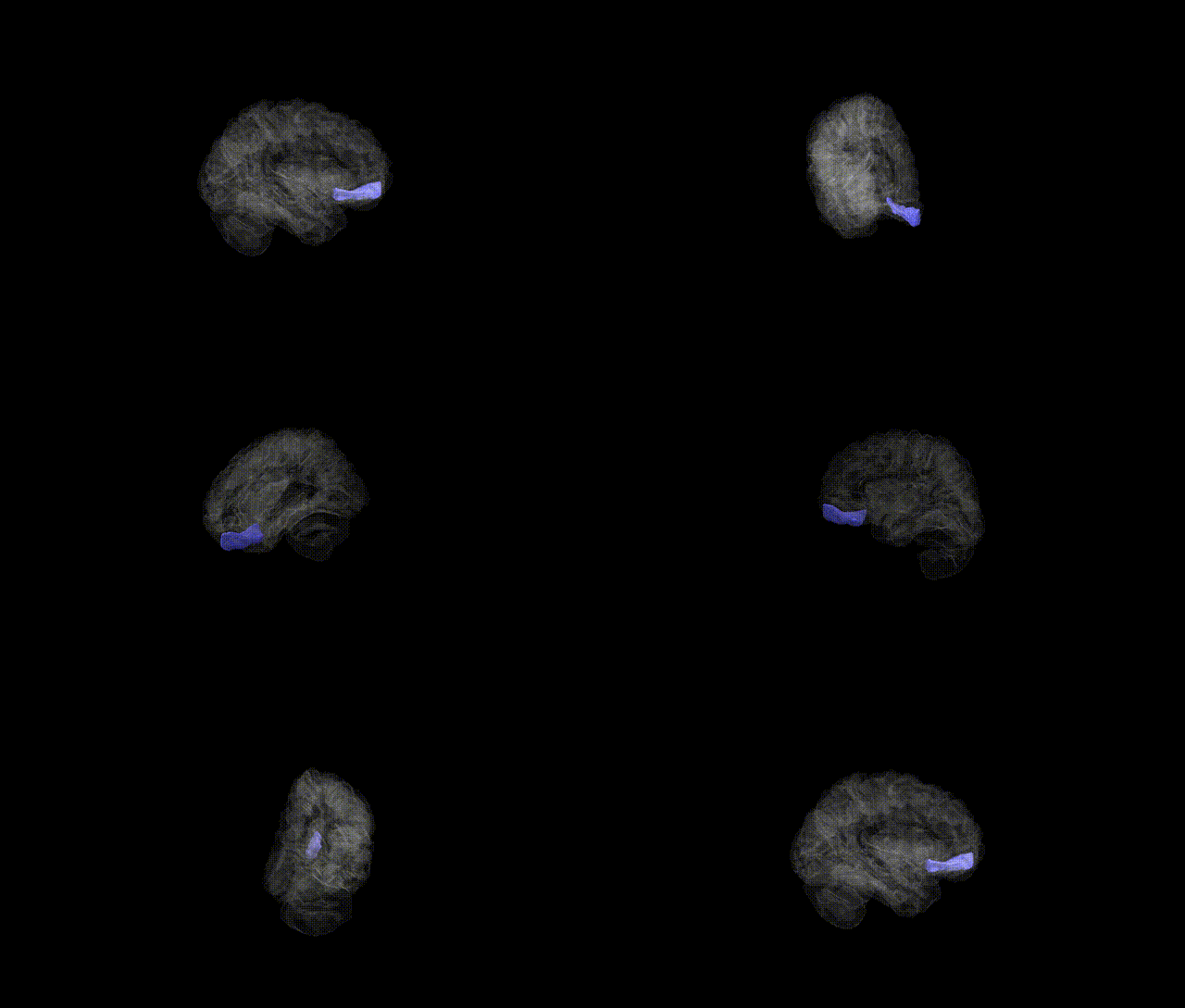
Full Quality Version: Download MP4
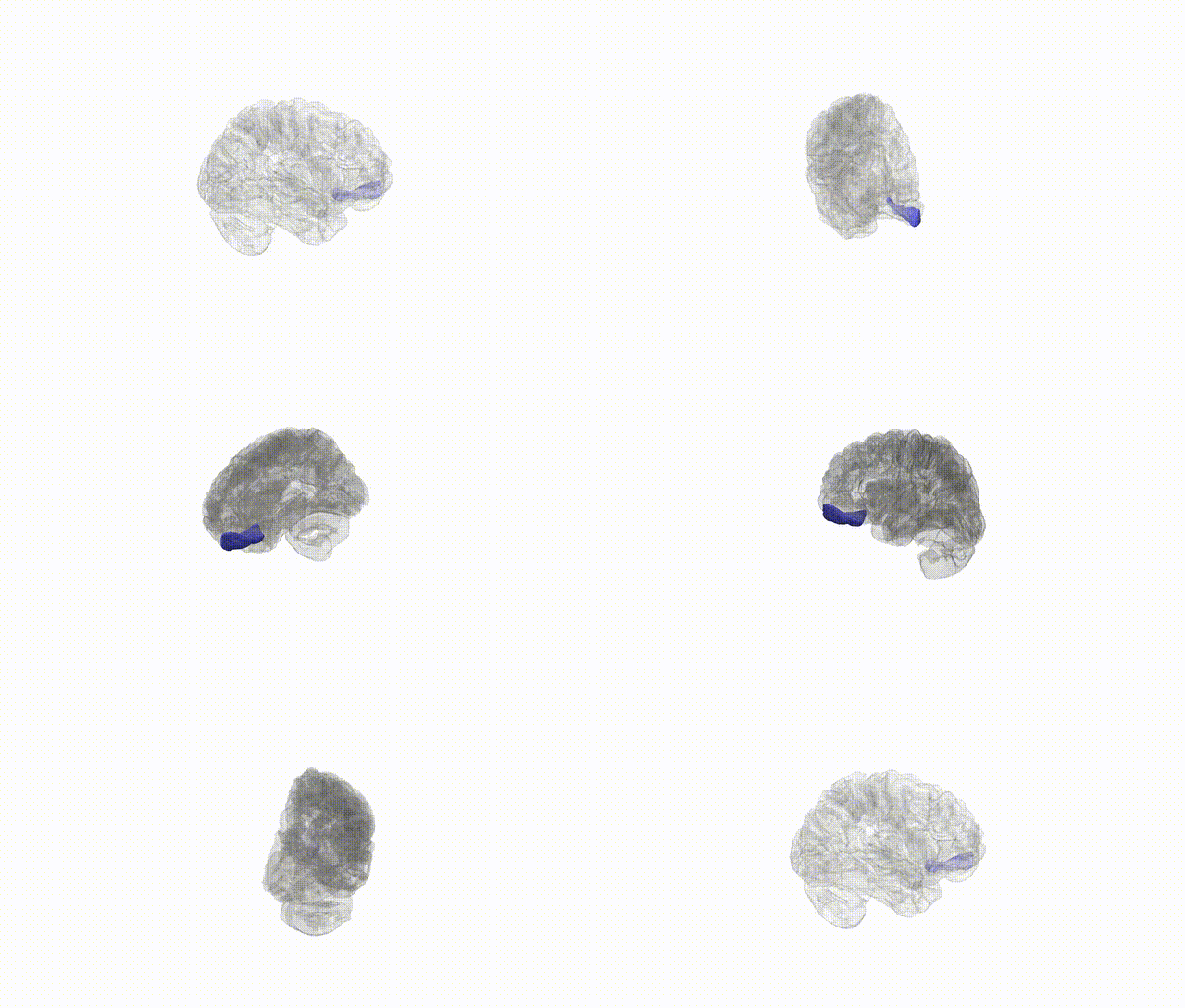
Full Quality Version: Download MP4
Wali Sidiqyar*, Gaurav Rudravaram*, Elyssa M. McMaster, Trent M. Schwartz, Adam M. Saunders, Kurt G. Schilling, Bennett A. Landman "Introducing SPINS: A Shared Public Visualization Library of Neuroanatomical Structures." Medical Imaging with Deep Learning- short paper
This resource is licensed under CC0 1.0 Universal (Public Domain).