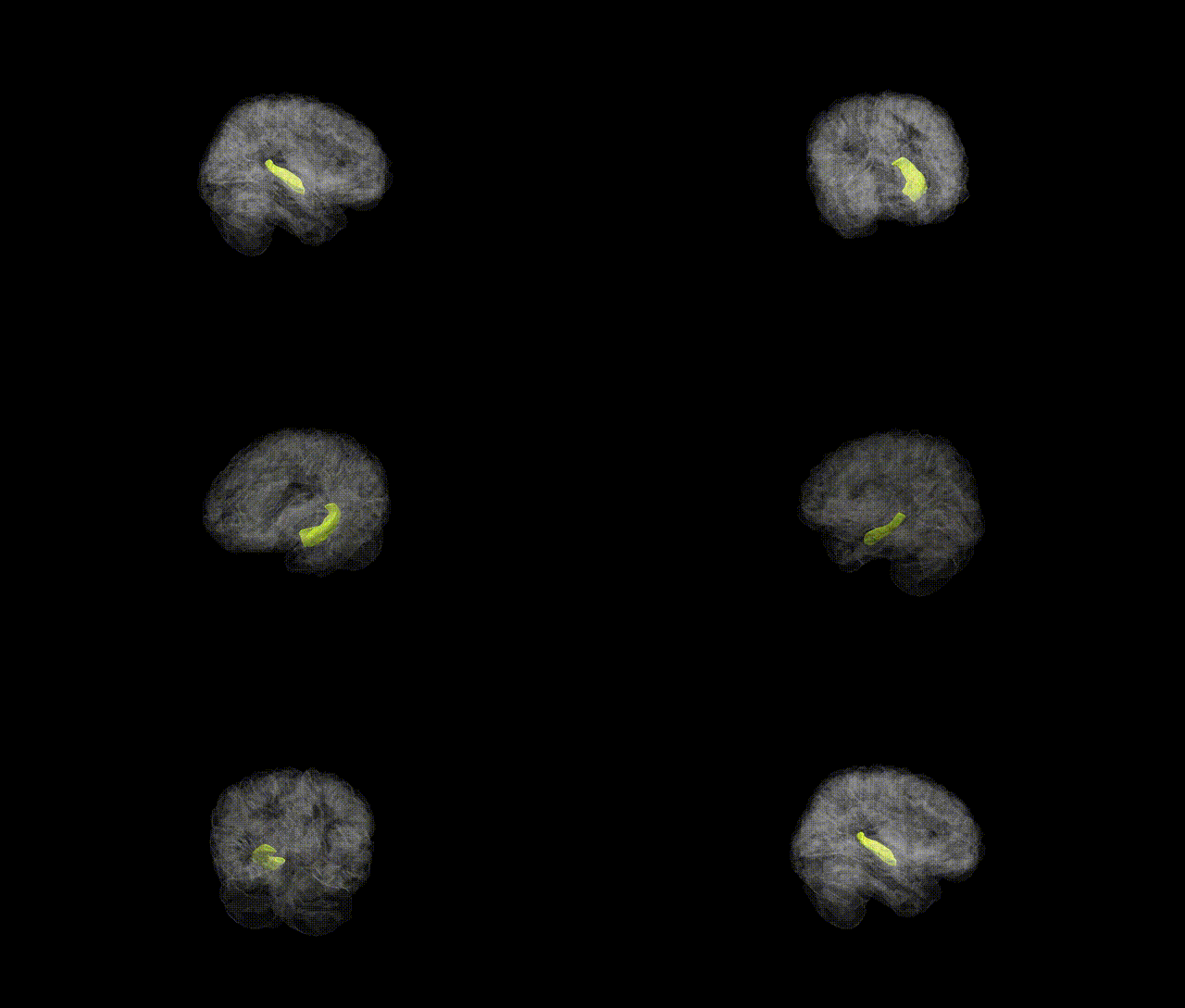
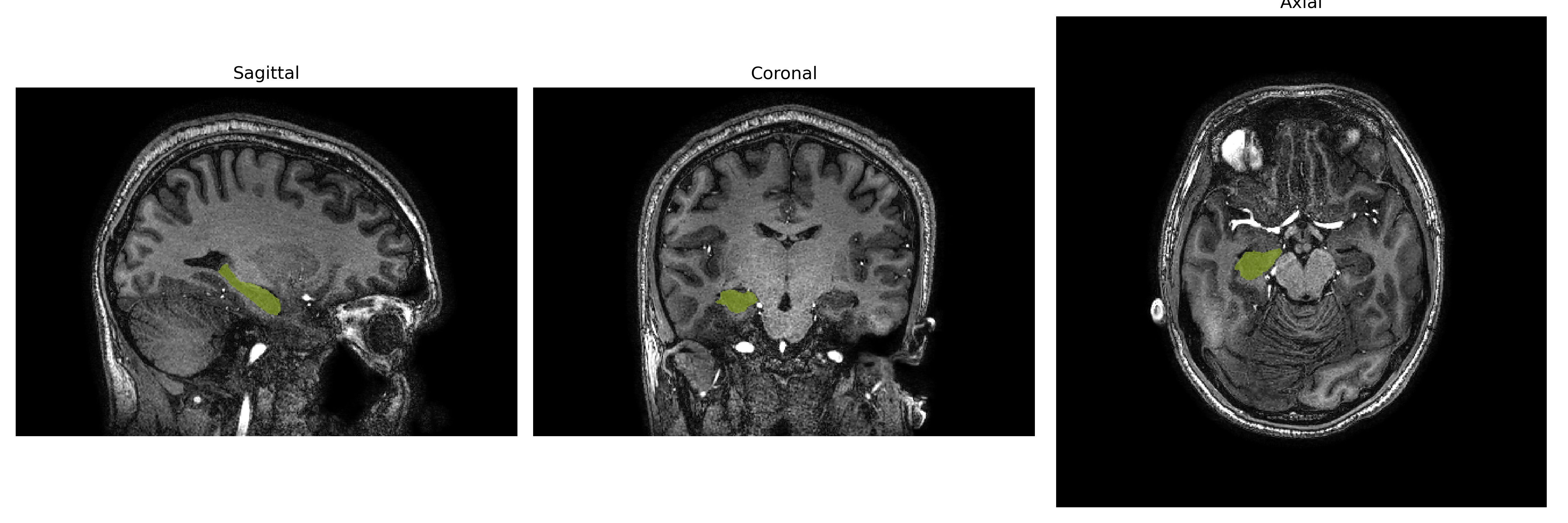
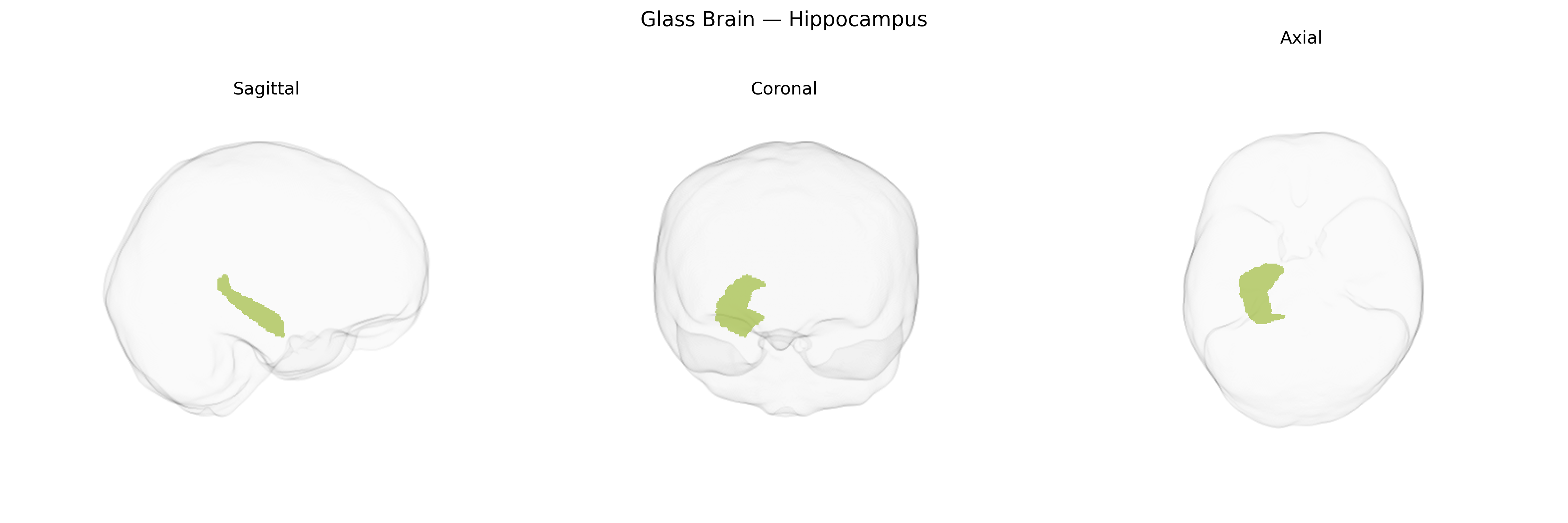
The Right Hippocampus is a bilateral medial temporal lobe structure that plays a critical role in memory formation, spatial navigation, and contextual learning, with the right side often associated more strongly with spatial and visual memory processing. It consists of distinct subfields, including the dentate gyrus, CA1–CA4 regions, and subiculum, which are interconnected in a trisynaptic circuit supporting the encoding and consolidation of episodic memories. The right hippocampus receives multimodal sensory input via the entorhinal cortex and projects to widespread cortical and subcortical targets, including the prefrontal cortex and limbic structures, integrating cognitive, emotional, and spatial information. It is highly plastic and vulnerable to hypoxia, neurodegenerative processes, and stress-related pathology, with volume changes frequently observed in conditions such as temporal lobe epilepsy, Alzheimer’s disease, and post-traumatic stress disorder. Hippocampus
Genetic studies of the right hippocampus, including GWAS-based imaging genetics using parcellations such as the brainCOLOR atlas, consistently implicate genes involved in synaptic function, neurodevelopment, and immune regulation, with several large-effect loci emerging from ENIGMA and UK Biobank analyses of hippocampal volume and shape. Variants in or near genes such as BDNF (involved in synaptic plasticity), SORL1, APOE, and TOMM40 (linked to Alzheimer’s disease risk and hippocampal atrophy), as well as WNT3, DPP4, and HMGA2, have shown associations with hippocampal structure, often with lateralization patterns that include right-hippocampal–specific or stronger effects. Polygenic scores for schizophrenia, major depressive disorder, bipolar disorder, and Alzheimer’s disease are associated with reduced hippocampal volumes, with some studies reporting stronger relationships for the right hippocampus, particularly in early disease stages or high-risk cohorts. Additional GWAS have connected right hippocampal measures to cognitive traits such as episodic memory, general cognitive ability, and educational attainment, as well as to stress-related and anxiety phenotypes, supporting a role for hippocampal genetic architecture in shaping vulnerability to mood and psychotic disorders, neurodegeneration, and cognitive aging.
Overview generated by GPT-4o (2026).
Region ID: 9
Hemisphere: Right
Atlas: brainCOLOR
Full Quality Version: Download MP4
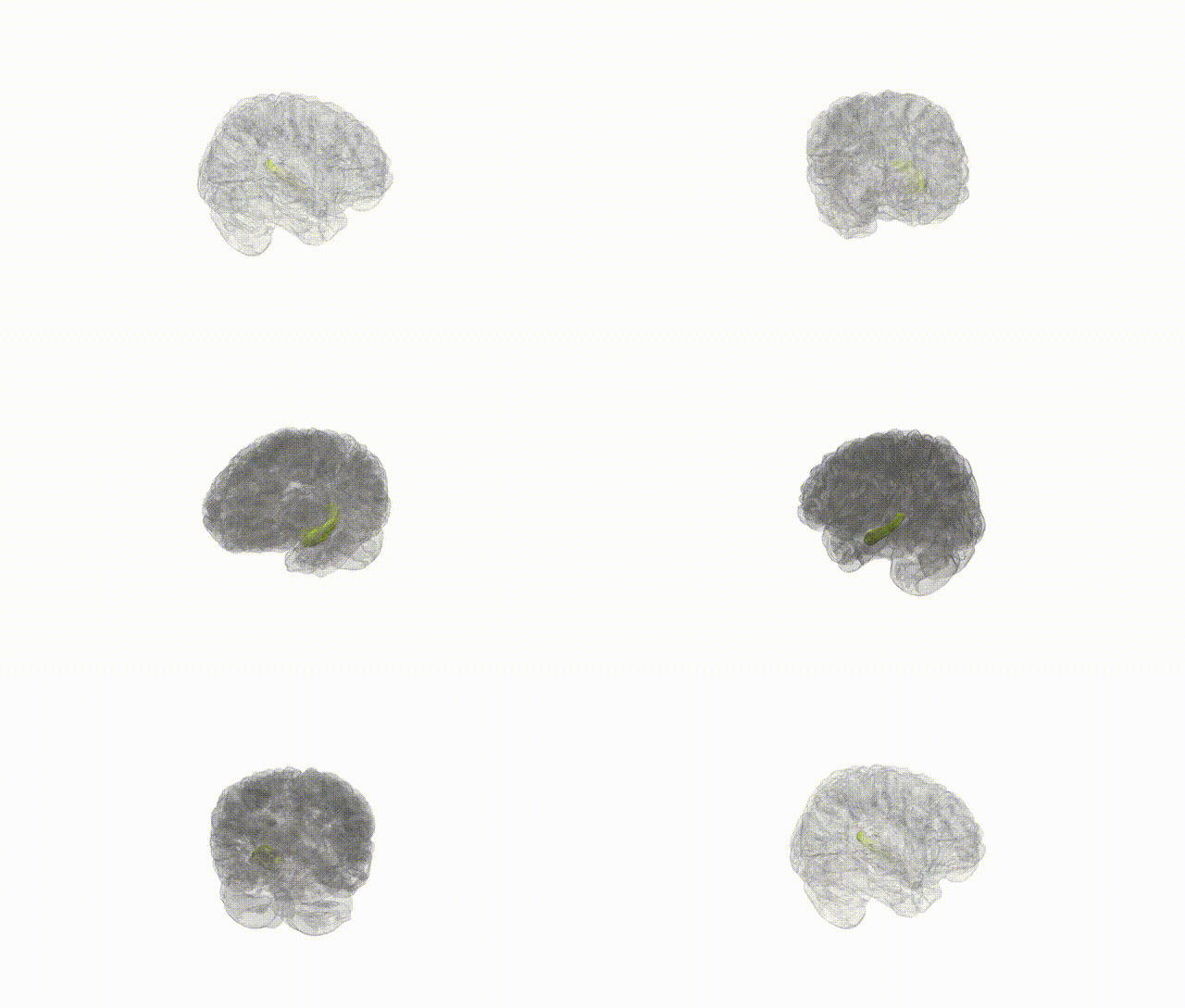
Full Quality Version: Download MP4
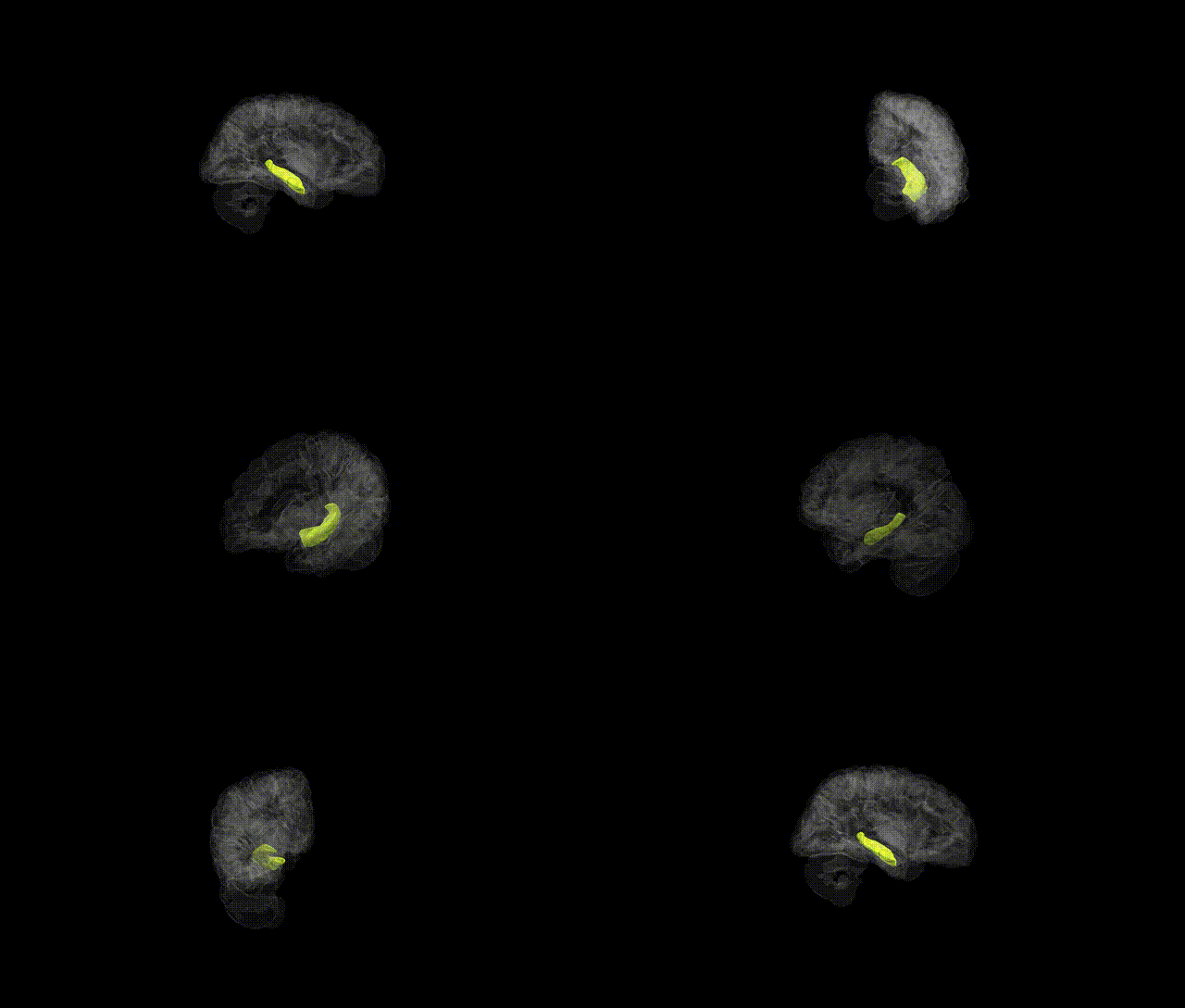
Full Quality Version: Download MP4
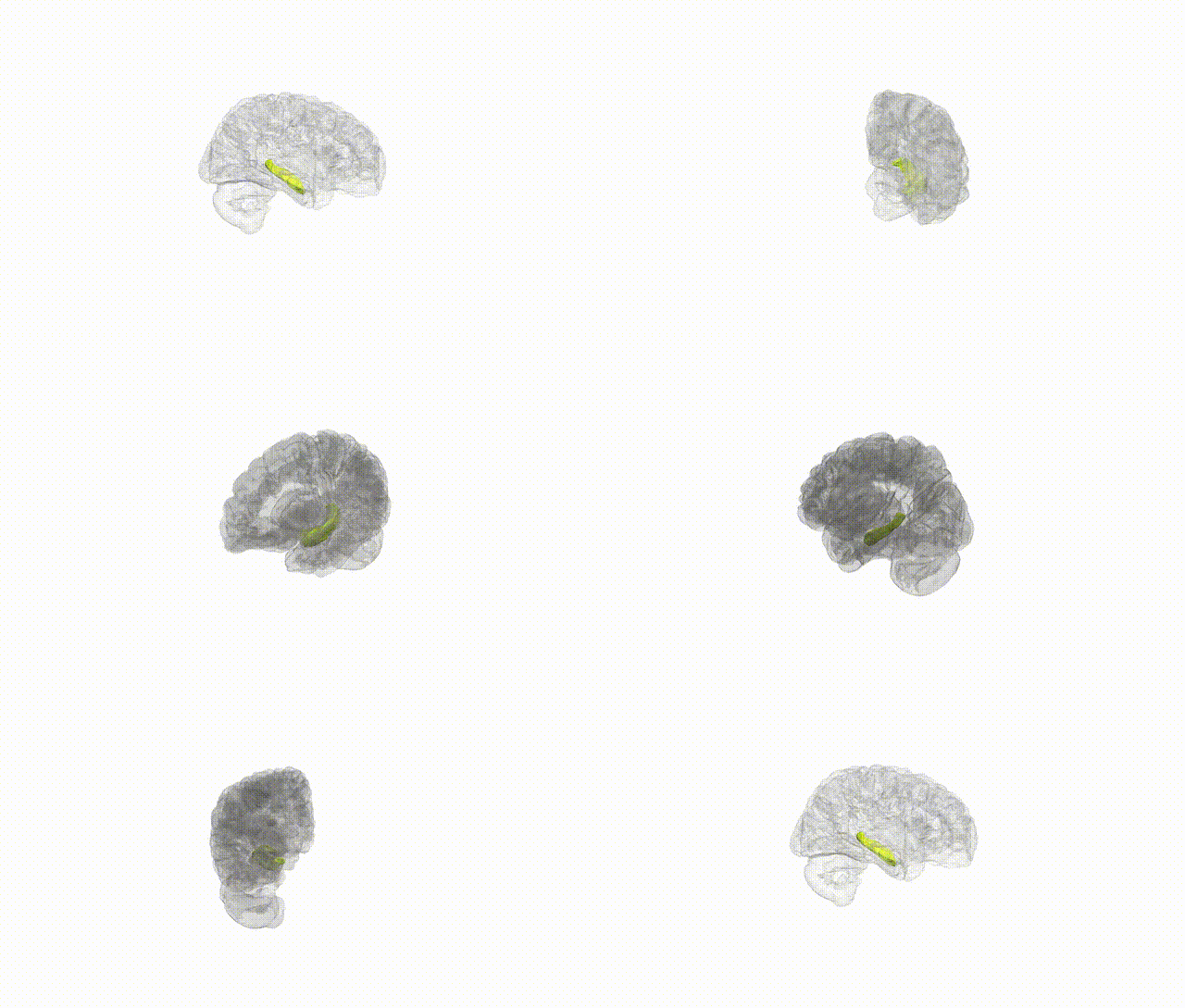
Full Quality Version: Download MP4
Wali Sidiqyar*, Gaurav Rudravaram*, Elyssa M. McMaster, Trent M. Schwartz, Adam M. Saunders, Kurt G. Schilling, Bennett A. Landman "Introducing SPINS: A Shared Public Visualization Library of Neuroanatomical Structures." Medical Imaging with Deep Learning- short paper
This resource is licensed under CC0 1.0 Universal (Public Domain).