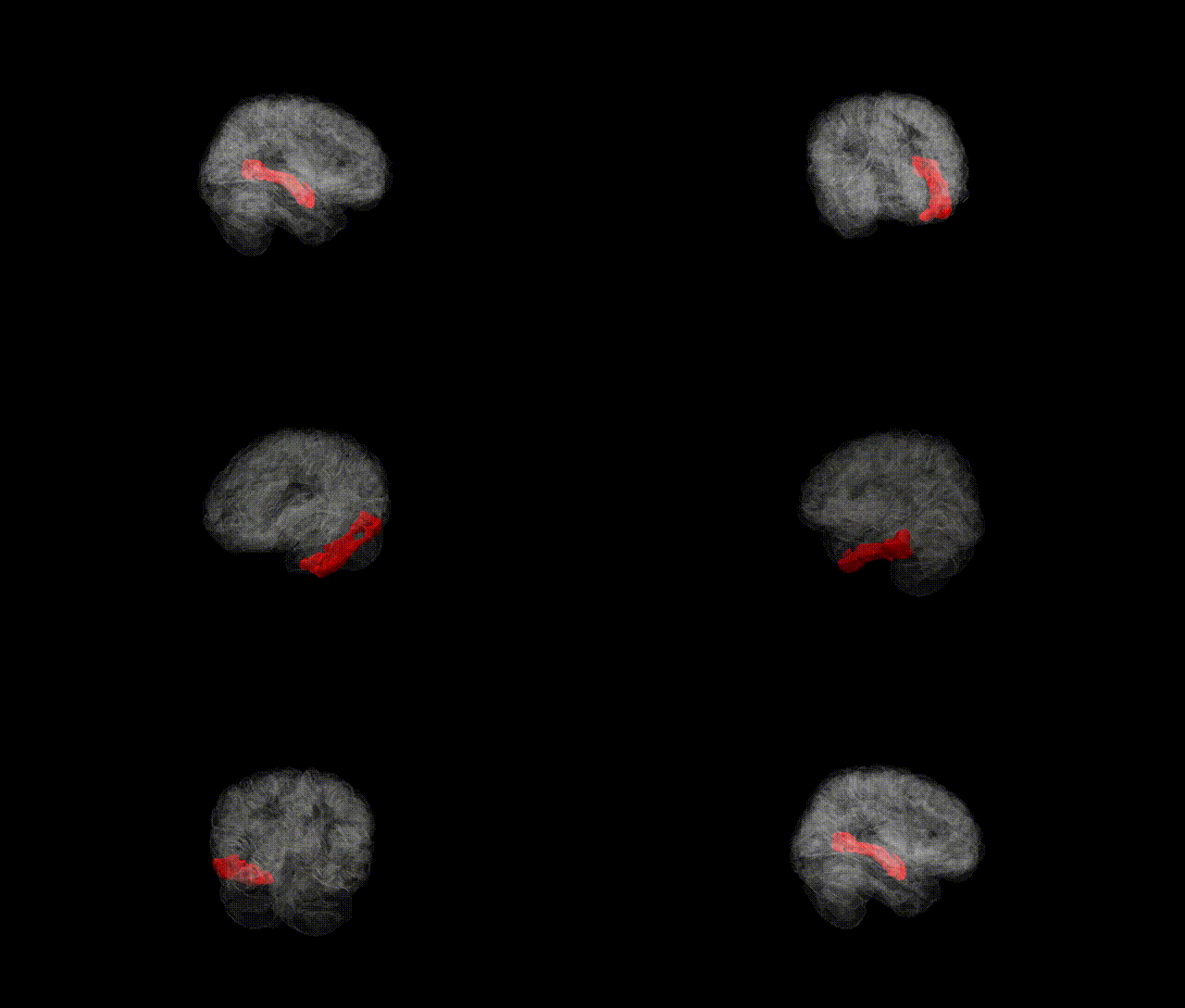
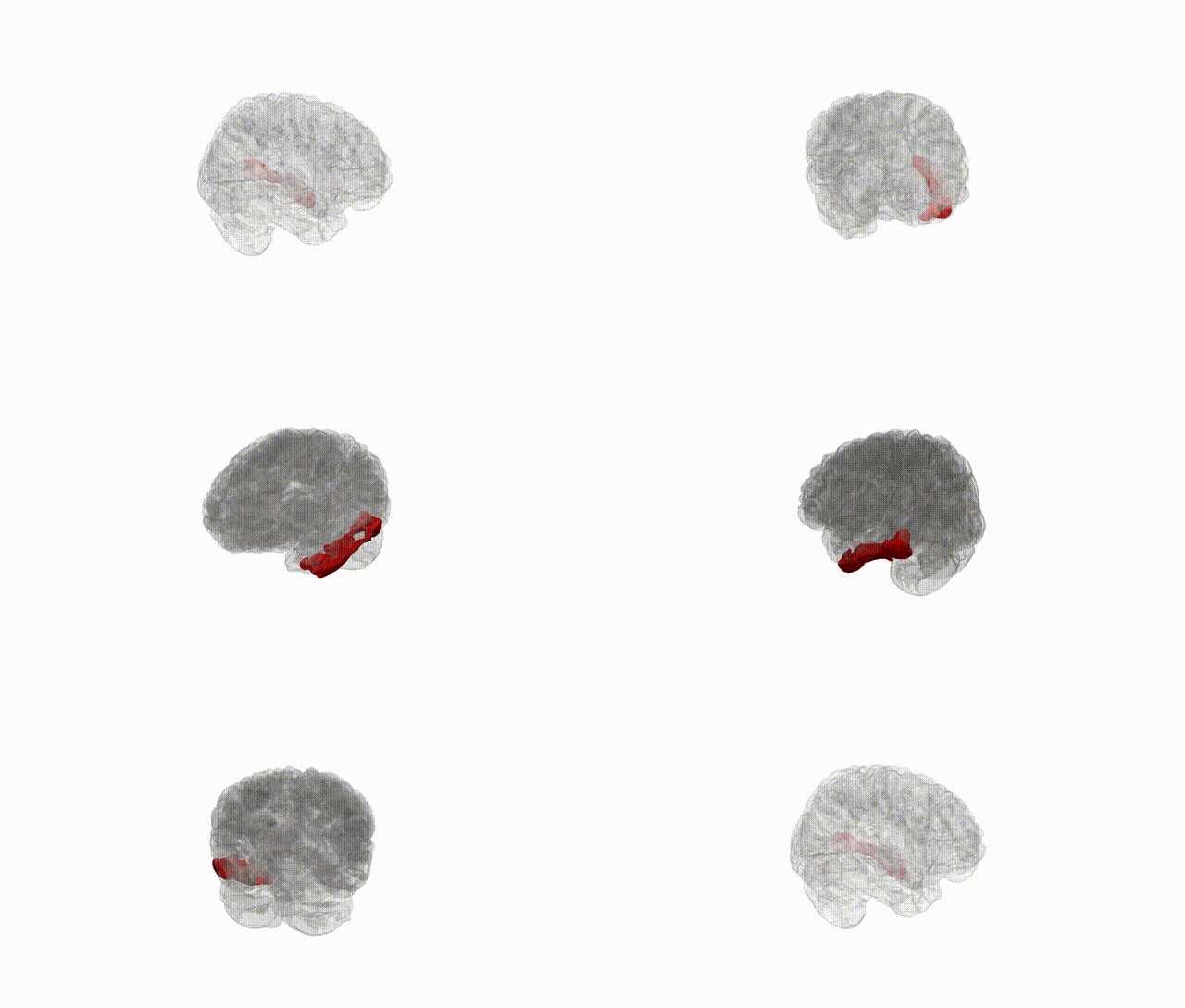
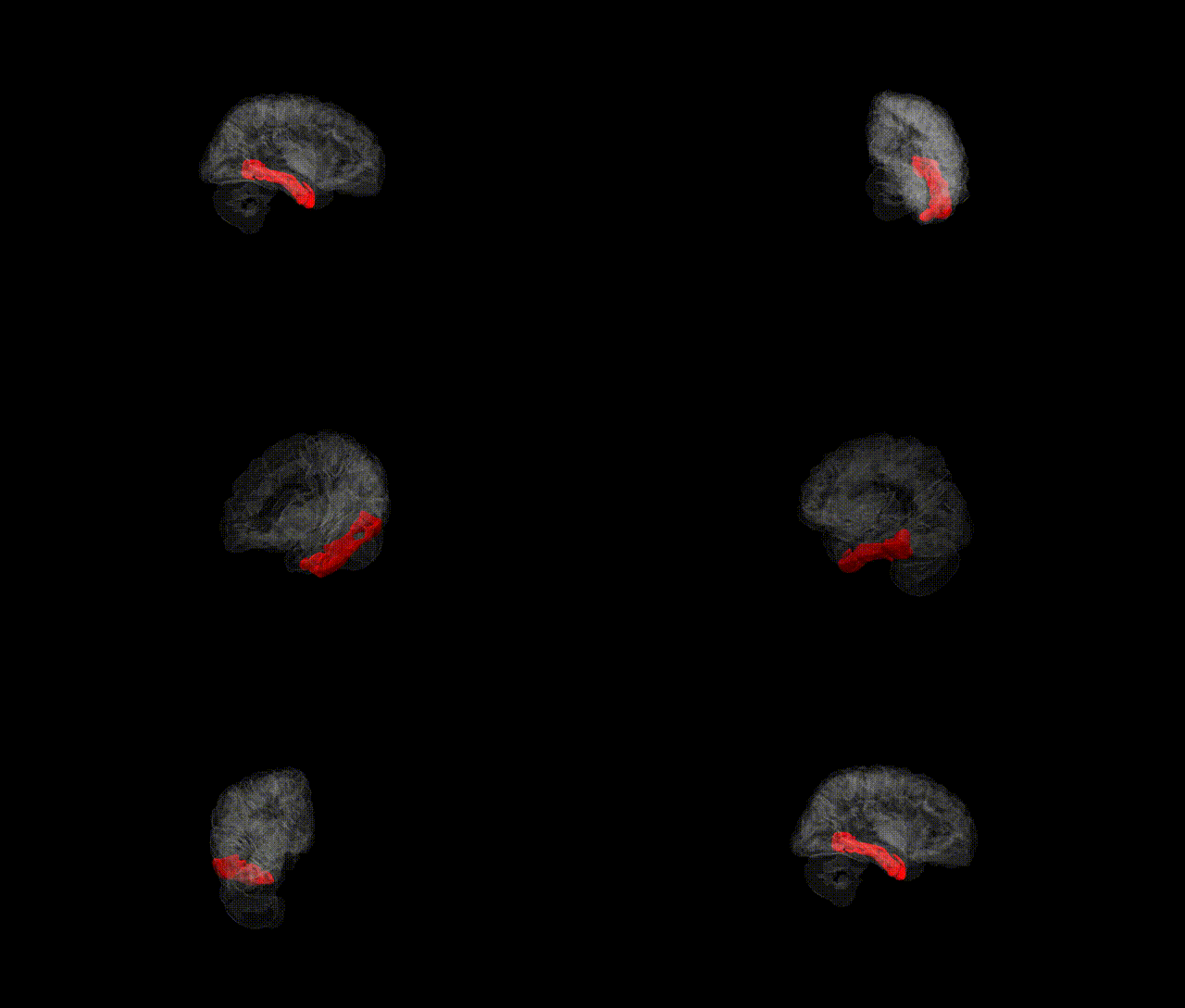
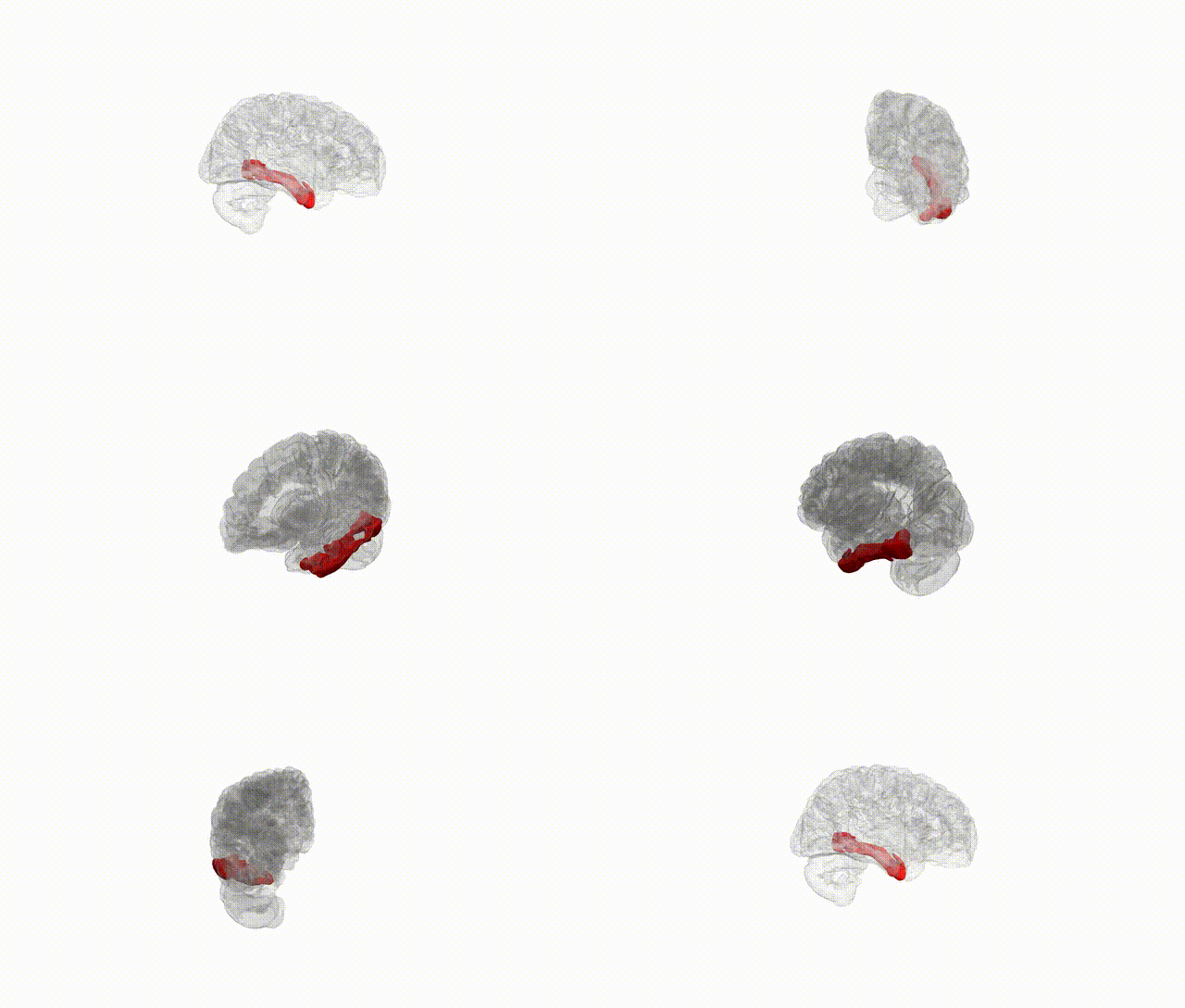
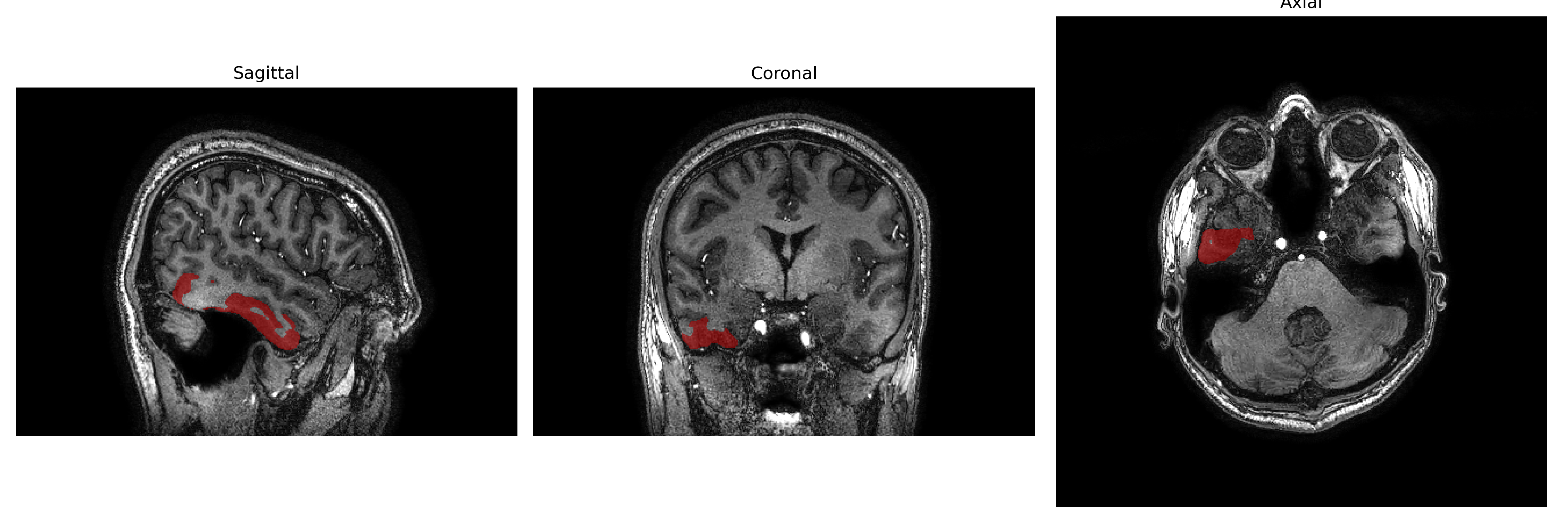
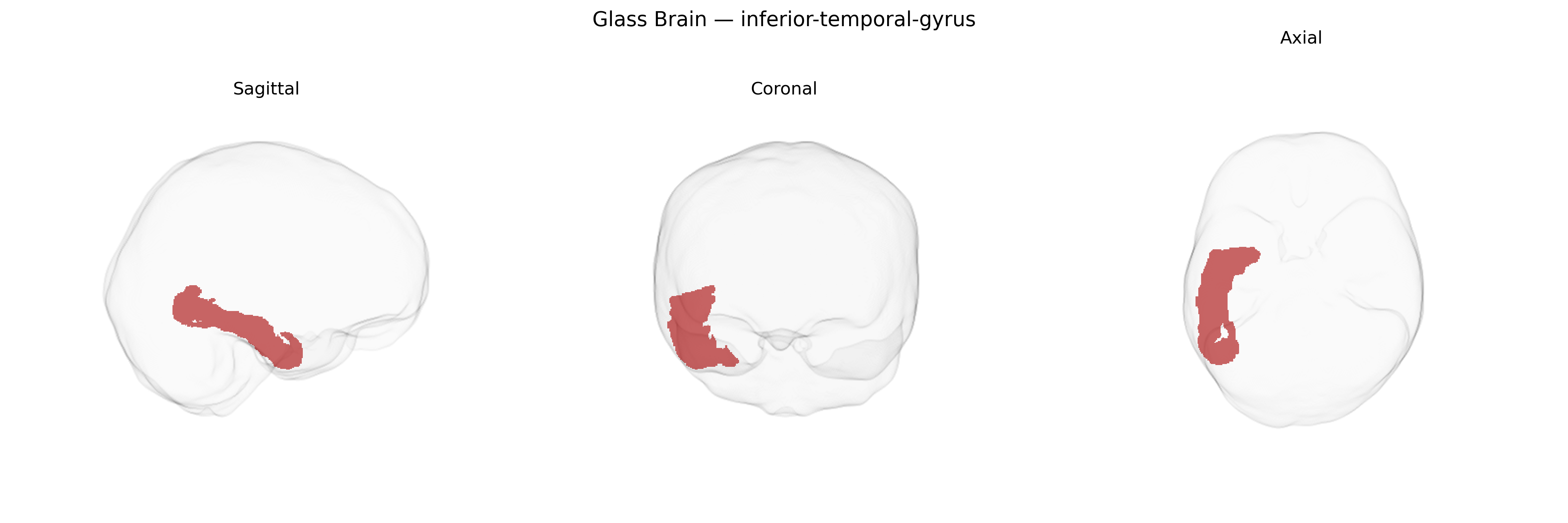
The Right inferior-temporal-gyrus is a lateral temporal lobe structure participating in high-level visual processing, particularly object recognition, complex shape analysis, and aspects of category-specific perception such as faces and tools. Cytoarchitectonically, it corresponds primarily to Brodmann areas 20 and 37, receiving convergent visual input from occipital and posterior temporal cortices and projecting to anterior temporal, limbic, and prefrontal regions involved in semantic memory and visual-mnemonic integration. Functionally, it contributes to forming invariant representations of objects across changes in size, position, and viewpoint, and lesions in this region can be associated with visual agnosias or deficits in recognition of complex visual stimuli. In the right hemisphere, it may be particularly important for holistic visual processing and certain aspects of visuospatial integration. There is no direct Wikipedia article for this exact subregion; see the related structure Inferior temporal gyrus.
Genetic associations involving the right inferior temporal gyrus (ITG), as defined in structural MRI parcellations such as the brainCOLOR Atlas, largely emerge from imaging‑genetics and GWAS of cortical thickness, surface area, and volume rather than from region‑specific candidate gene studies. Large consortia (e.g., ENIGMA, UK Biobank) have identified common variants near genes involved in neurodevelopment, synaptic signaling, and axon guidance (including loci near genes such as HMGA2, IGF1, GRIN2B, and various cell-adhesion and transcription-factor genes) that show genome-wide significant associations with temporal lobe morphology, sometimes including inferior temporal cortex measures that subsume or approximate the right ITG parcel. Polygenic risk scores for schizophrenia, bipolar disorder, major depressive disorder, autism spectrum disorder, and Alzheimer’s disease have been linked to structural and functional alterations in temporal association cortices, with inferior temporal regions often implicated in face, object, and semantic processing; however, these effects are typically distributed across broader temporal networks rather than being specific to the right ITG alone. GWAS of cognitive traits (e.g., general intelligence, educational attainment, language‑related abilities) and face recognition performance also show overlap between implicated genetic loci and brain networks that include the right ITG and adjacent fusiform regions, but attribution to this precise atlas-defined region is indirect. Overall, current genetic evidence supports a role for neurodevelopmental and synaptic genes in shaping right inferior temporal morphology and function, yet highly localized, atlas-specific genetic associations to the right ITG remain sparse and are usually inferred from broader temporal lobe or inferior temporal cortex findings rather than directly demonstrated.
Overview generated by GPT-4o (2026).
Region ID: 50
Hemisphere: Right
Atlas: brainCOLOR
Full Quality Version: Download MP4
Full Quality Version: Download MP4
Full Quality Version: Download MP4
Full Quality Version: Download MP4
Wali Sidiqyar*, Gaurav Rudravaram*, Elyssa M. McMaster, Trent M. Schwartz, Adam M. Saunders, Kurt G. Schilling, Bennett A. Landman "Introducing SPINS: A Shared Public Visualization Library of Neuroanatomical Structures." Medical Imaging with Deep Learning- short paper
This resource is licensed under CC0 1.0 Universal (Public Domain).