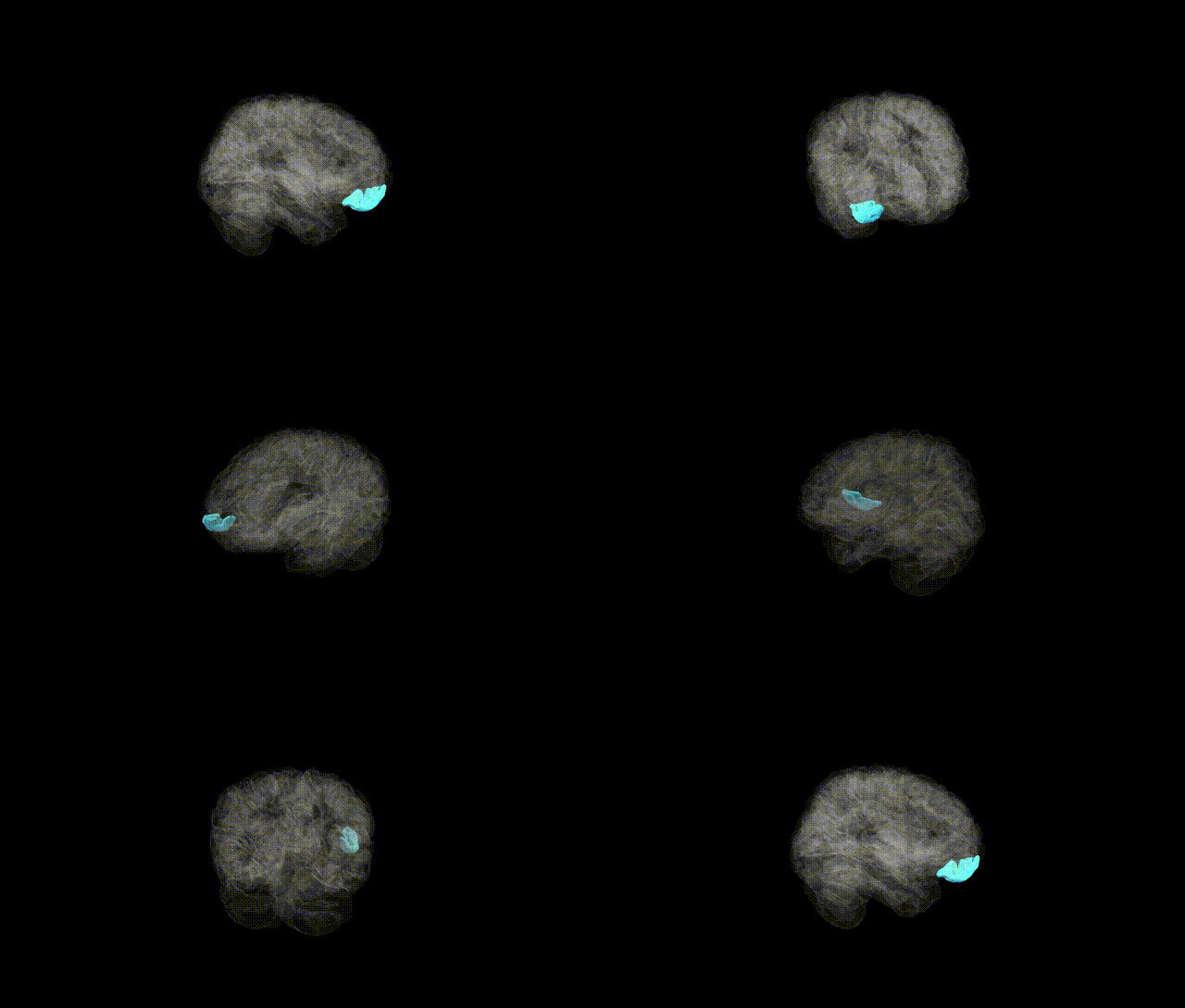
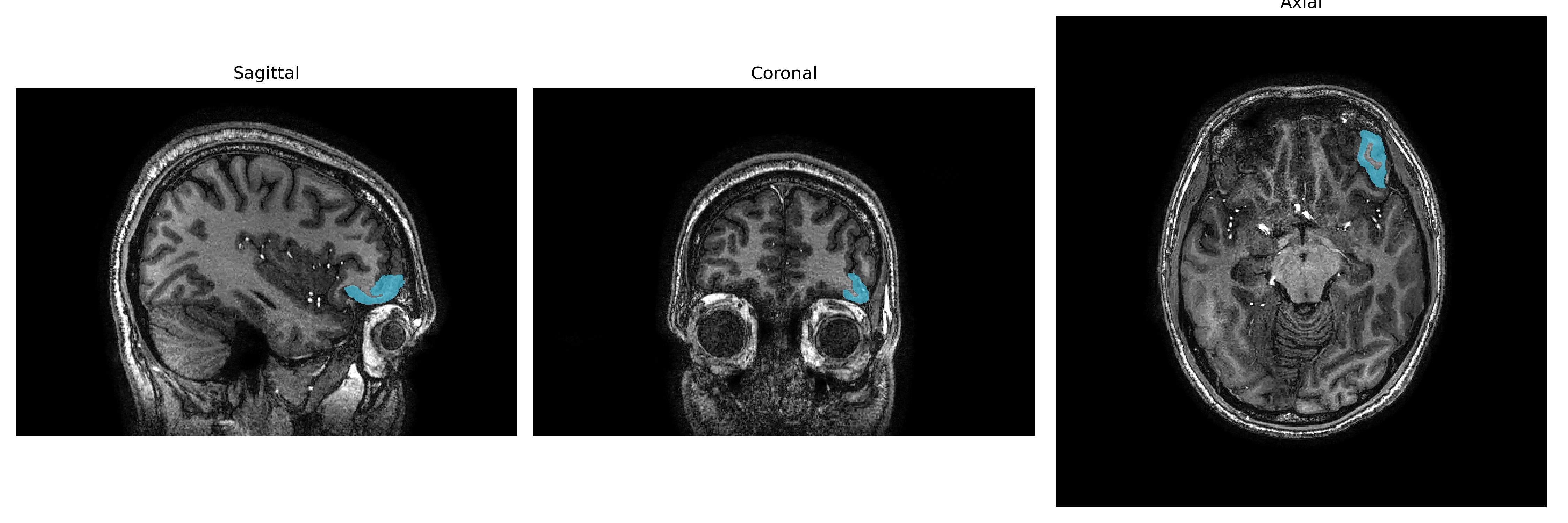
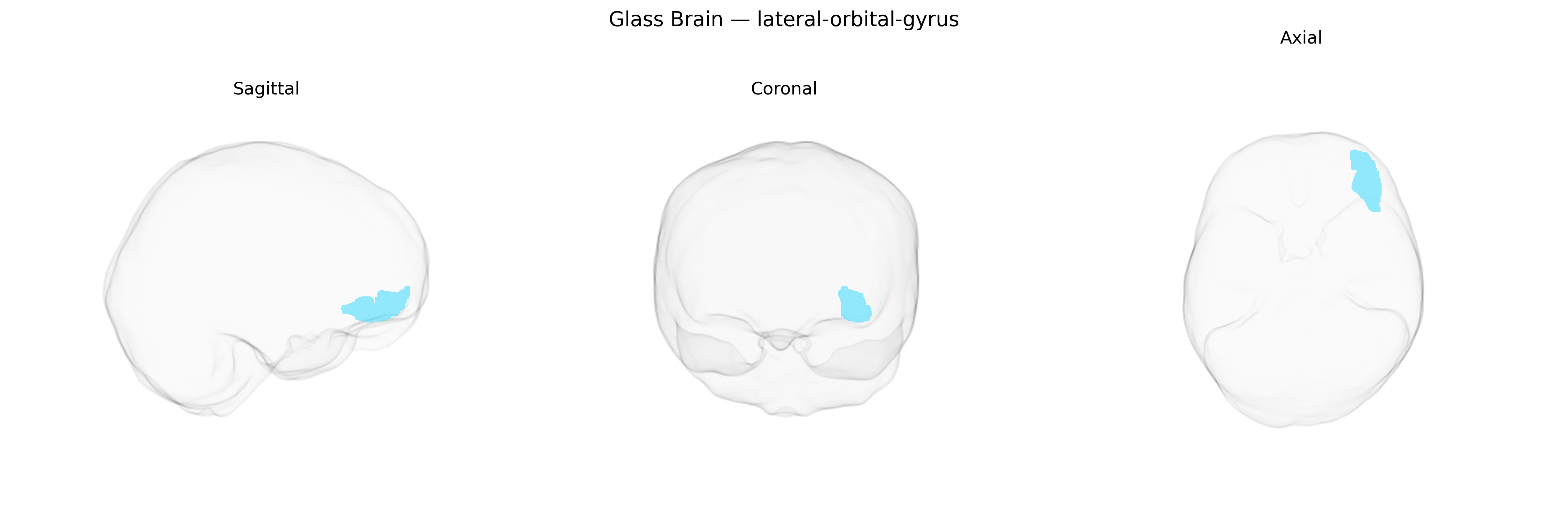
The left lateral orbital gyrus is a cortical region located on the ventrolateral surface of the frontal lobe, forming part of the orbitofrontal cortex overlying the lateral orbital surface above the orbits. It is cytoarchitectonically heterogeneous and participates in networks involved in reward valuation, emotional regulation, response inhibition, and decision-making under uncertainty, integrating sensory, limbic, and autonomic information to guide goal-directed behavior. The lateral orbital gyrus is strongly interconnected with the amygdala, ventral striatum, medial prefrontal cortex, and insula, and contributes to evaluating the affective significance of stimuli and adjusting behavior based on changing contingencies. Lesions or dysfunction in this region and adjacent orbitofrontal territories have been associated with impaired social judgment, disinhibition, altered reward processing, and aspects of mood and anxiety disorders. There is no direct link for the lateral orbital gyrus; see the related region Orbitofrontal cortex.
The left lateral orbital gyrus, part of the orbitofrontal cortex (OFC) as delineated in parcellations such as the brainCOLOR Atlas, has been implicated in several imaging genetics and GWAS studies that link variation in this region’s structure and function to diverse neuropsychiatric and behavioral traits, although locus-specific findings for this exact parcel are still emerging and often reported at the broader OFC level. Large-scale neuroimaging GWAS (e.g., ENIGMA, UK Biobank) have identified common variants in genes involved in neurodevelopment, synaptic signaling, and cortical patterning (such as variants near or within genes like HMGA2, KIAA0586, and others implicated in global cortical thickness and surface area) that show associations with orbitofrontal cortical morphology, including lateral OFC regions that overlap the lateral orbital gyrus. Genetic correlations and polygenic risk analyses indicate that structural and functional properties of lateral OFC territories are partly influenced by polygenic liability for major depressive disorder, bipolar disorder, schizophrenia, obsessive–compulsive disorder, attention-deficit/hyperactivity disorder, and substance use traits, with orbitofrontal thinning or altered volume and connectivity observed in carriers of higher polygenic risk for these conditions. Additionally, GWAS of personality and behavioral phenotypes, such as neuroticism, impulsivity, and risk-taking, as well as traits related to reward sensitivity and decision-making, show convergent evidence of shared genetic architecture with OFC structure and activity, suggesting that genetic variants that affect frontal cortical development and frontostriatal circuitry contribute to inter-individual differences in the left lateral orbital gyrus. Overall, while there is no single canonical “left lateral-orbital-gyrus gene,” the region appears to be a polygenic convergence point where variants influencing cortical development, excitatory–inhibitory balance, and reward–emotion regulation networks contribute to both brain morphology and vulnerability to mood, psychotic, and addictive disorders.
Overview generated by GPT-4o (2026).
Region ID: 55
Hemisphere: Left
Atlas: brainCOLOR
Full Quality Version: Download MP4
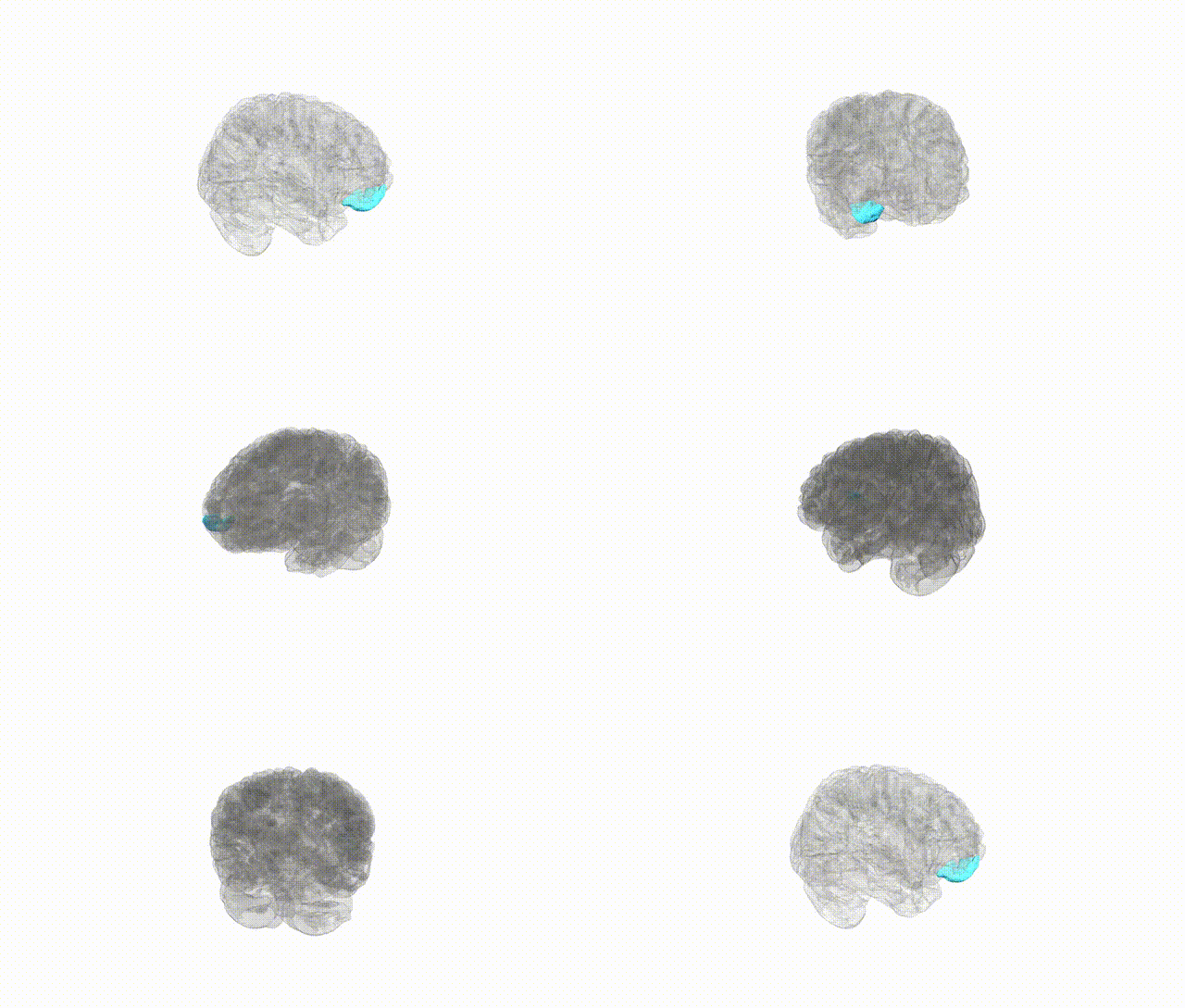
Full Quality Version: Download MP4
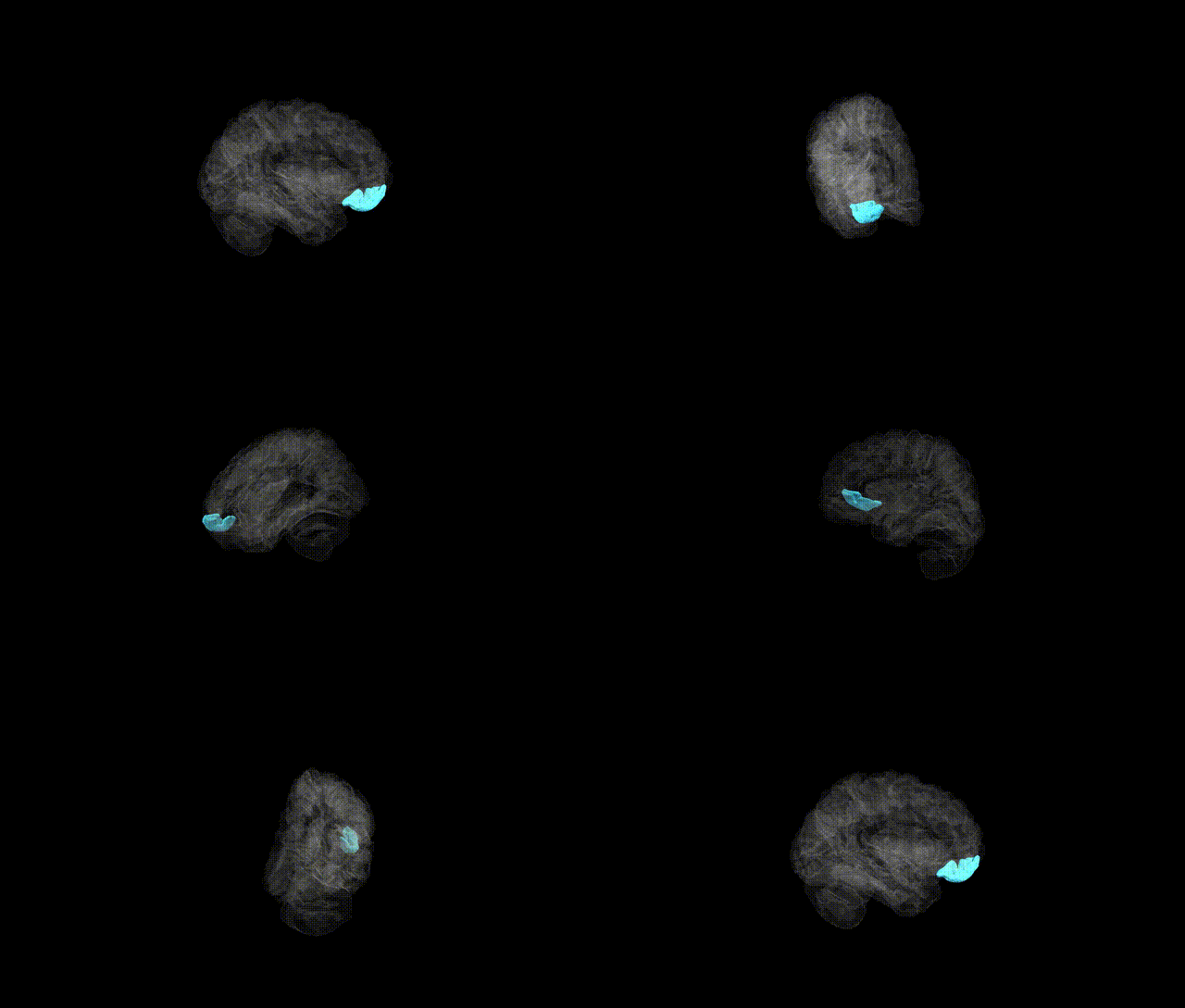
Full Quality Version: Download MP4
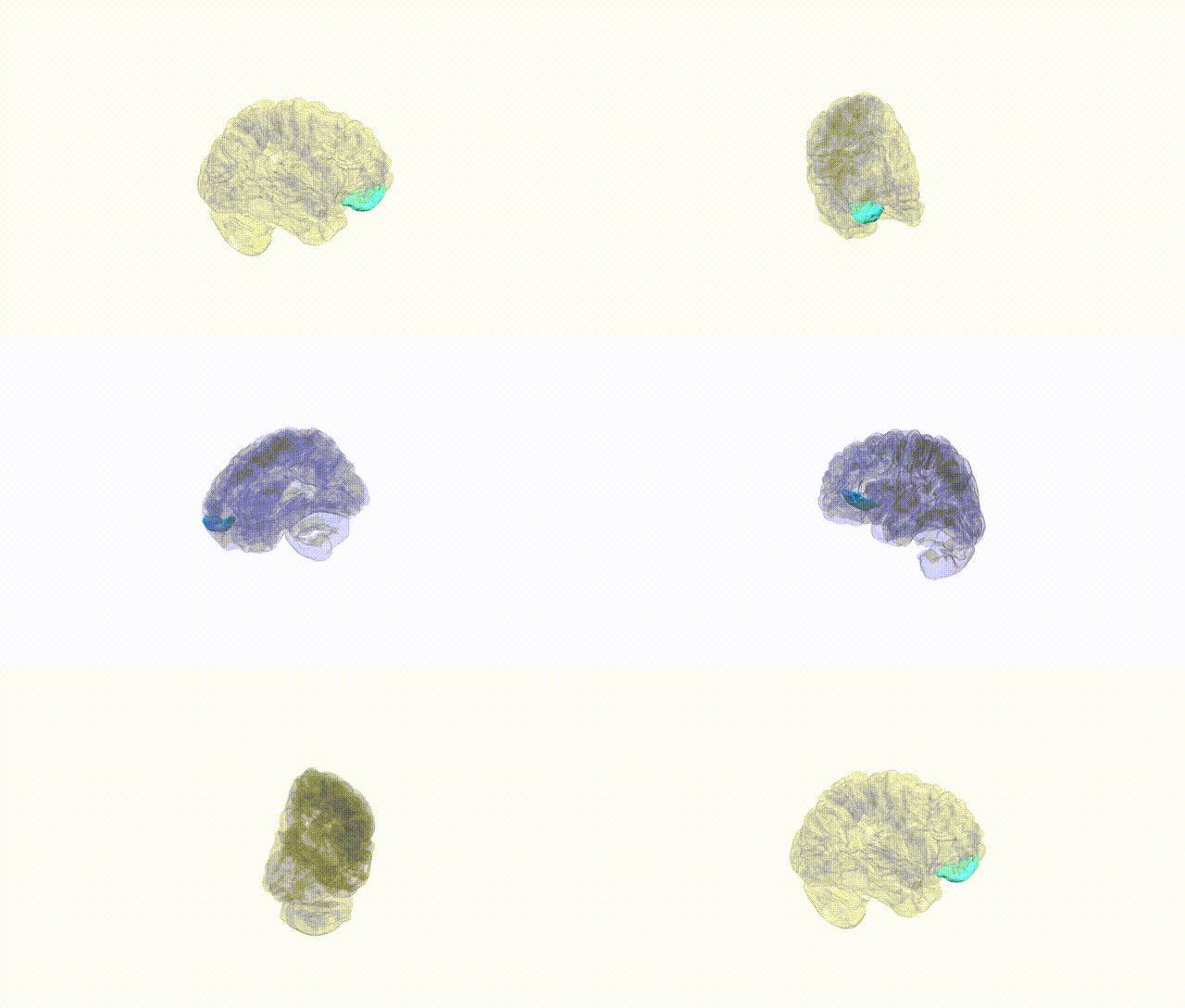
Full Quality Version: Download MP4
Wali Sidiqyar*, Gaurav Rudravaram*, Elyssa M. McMaster, Trent M. Schwartz, Adam M. Saunders, Kurt G. Schilling, Bennett A. Landman "Introducing SPINS: A Shared Public Visualization Library of Neuroanatomical Structures." Medical Imaging with Deep Learning- short paper
This resource is licensed under CC0 1.0 Universal (Public Domain).