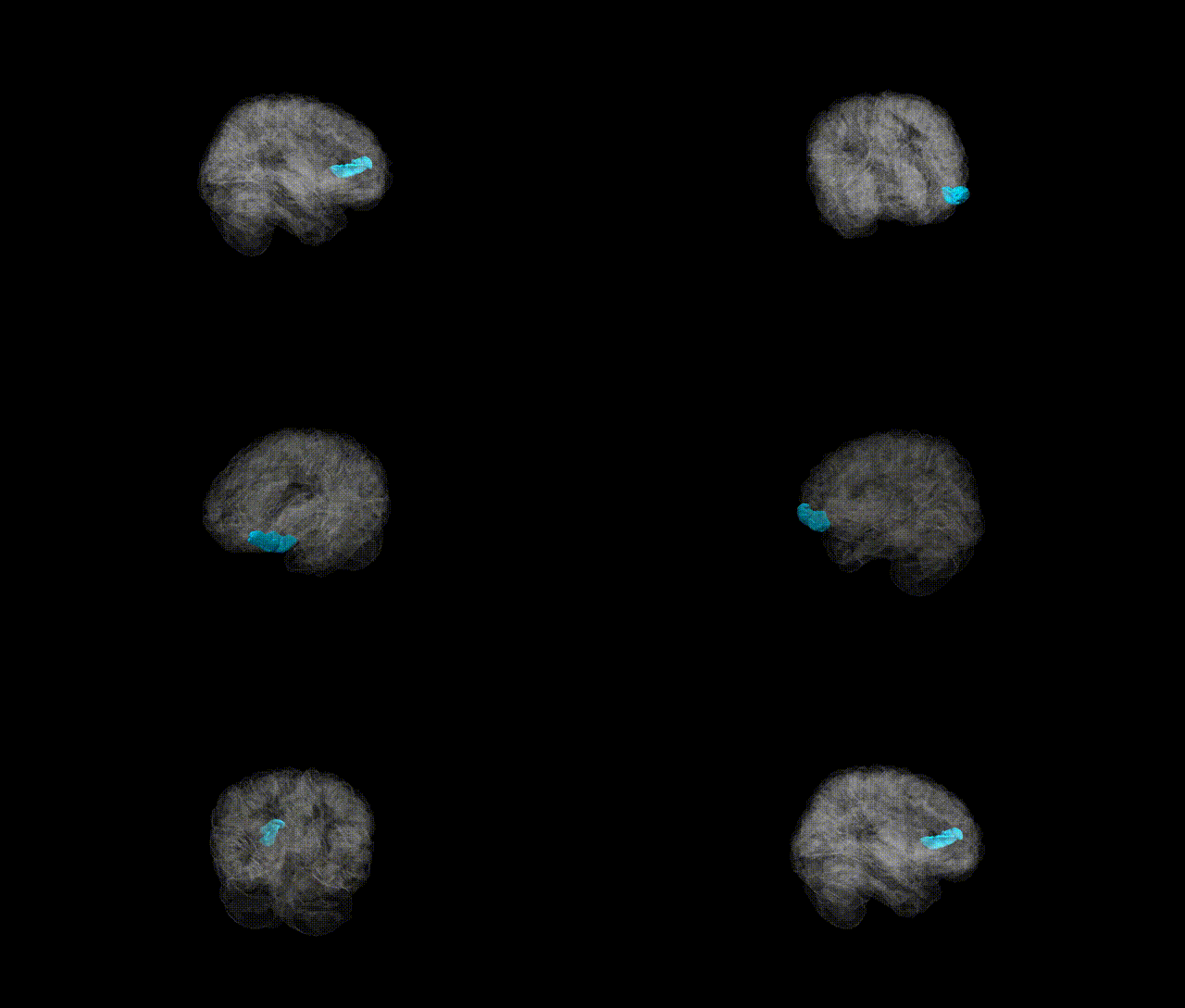
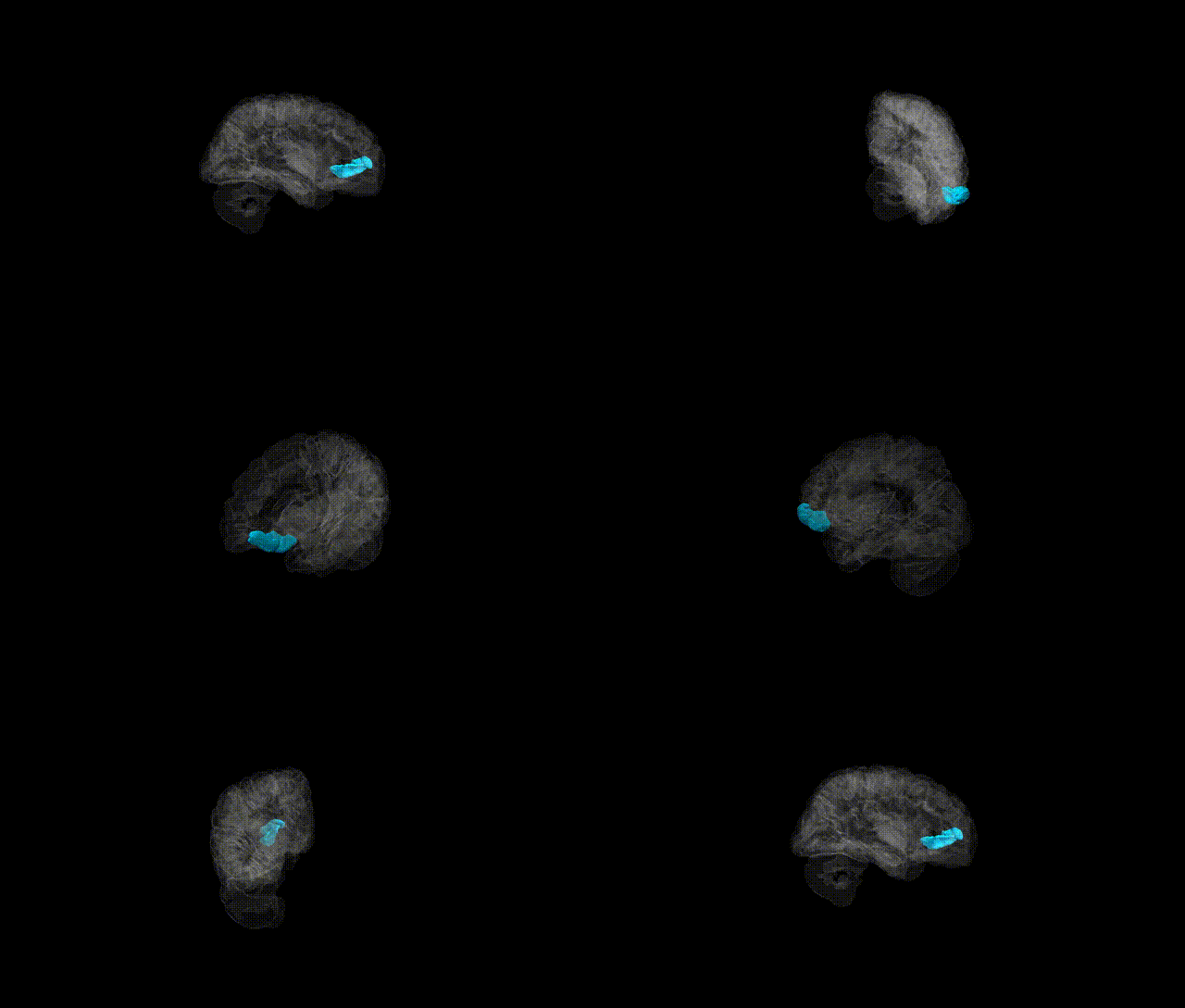
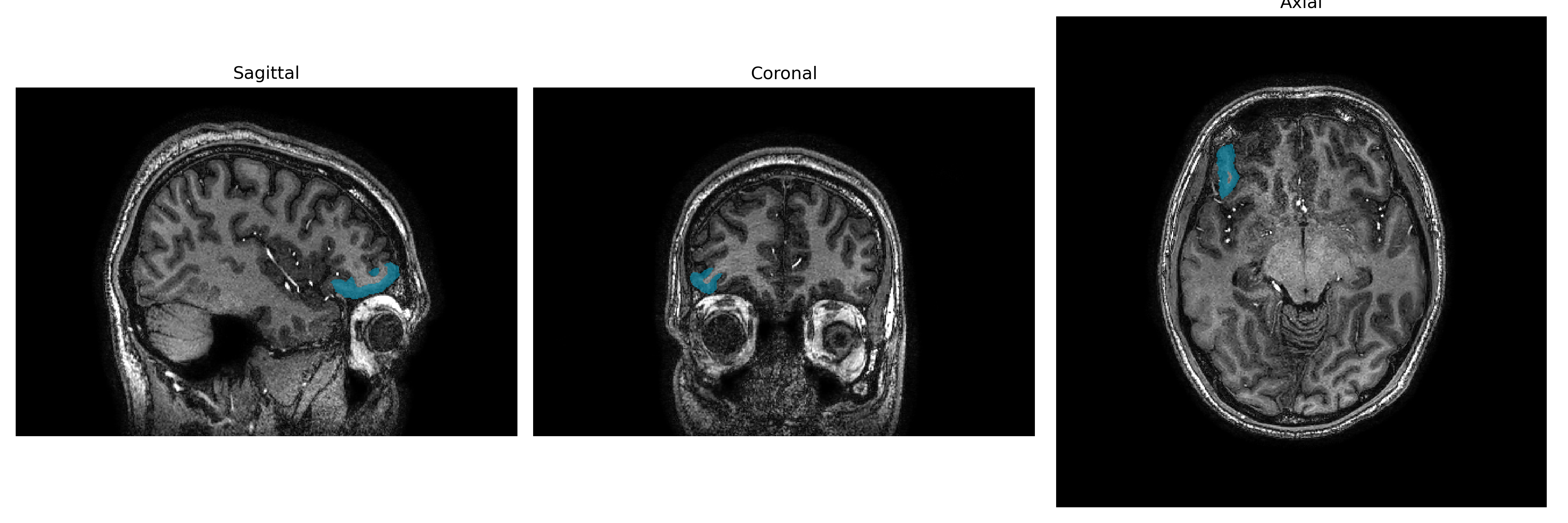
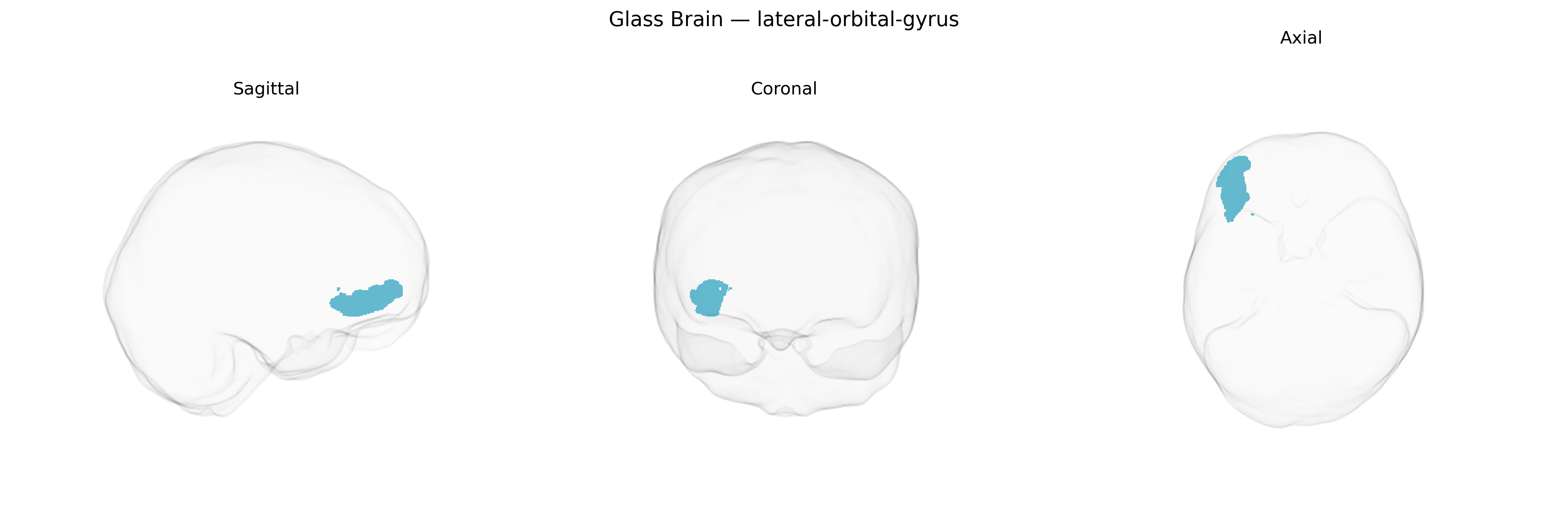
The right lateral orbital gyrus is a cortical subdivision of the orbitofrontal cortex (OFC) located on the ventrolateral surface of the frontal lobe, overlying the orbital plate of the frontal bone and bordering the inferior frontal gyrus and more medial orbital gyri. Cytoarchitectonically, it corresponds to lateral portions of Brodmann areas 11/47 and is interconnected with limbic, sensory, and association regions, including the amygdala, ventral striatum, insula, and temporal association cortex. Functionally, the lateral orbital gyrus participates in reward and punishment processing, value-based decision-making, evaluation of emotional and social cues, and adaptive updating of behavior based on changing contingencies. Lesions or dysfunction in this region have been associated with impaired reversal learning, altered risk-taking, and abnormalities in affective regulation and social behavior. There is no direct Wikipedia article for the “lateral orbital gyrus”; it is typically treated as part of the Orbitofrontal cortex.
The right lateral orbital gyrus (lateral orbital part of the orbitofrontal cortex) has been implicated in several genetic imaging and GWAS-based neuropsychiatric findings, though it is less frequently the primary focus than medial orbitofrontal areas. Variants in genes influencing synaptic function and neurodevelopment—such as those in glutamatergic and GABAergic pathways, as well as genes involved in axon guidance and cortical patterning—have shown associations with cortical thickness or surface area measures in lateral/orbitofrontal regions, including the right lateral orbital gyrus, in large-scale imaging-genetics consortia (e.g., ENIGMA, UK Biobank). Polygenic risk scores for major depressive disorder, schizophrenia, bipolar disorder, and obsessive-compulsive disorder have been linked to structural and functional alterations within orbitofrontal territories encompassing the lateral orbital gyrus, with some studies reporting reduced cortical thickness or altered connectivity related to higher psychiatric genetic load. GWAS of impulsivity, risk-taking, and substance use traits also identify orbitofrontal-related loci whose expression or imaging associations map to lateral orbital prefrontal regions, consistent with this area’s role in reward valuation and decision-making. In addition, common variants associated with general cognitive ability and educational attainment have been related to morphometric variability in lateral prefrontal and orbitofrontal cortex, including the right lateral orbital gyrus, although these effects are typically small and distributed rather than region-specific. Overall, current genetic associations for the right lateral orbital gyrus arise mainly from large, distributed polygenic effects on orbitofrontal structure and function across psychiatric, behavioral, and cognitive traits rather than from single, region-specific loci, and the literature rarely isolates this gyrus independently from adjacent orbitofrontal regions in the brainCOLOR or similar parcellations.
Overview generated by GPT-4o (2026).
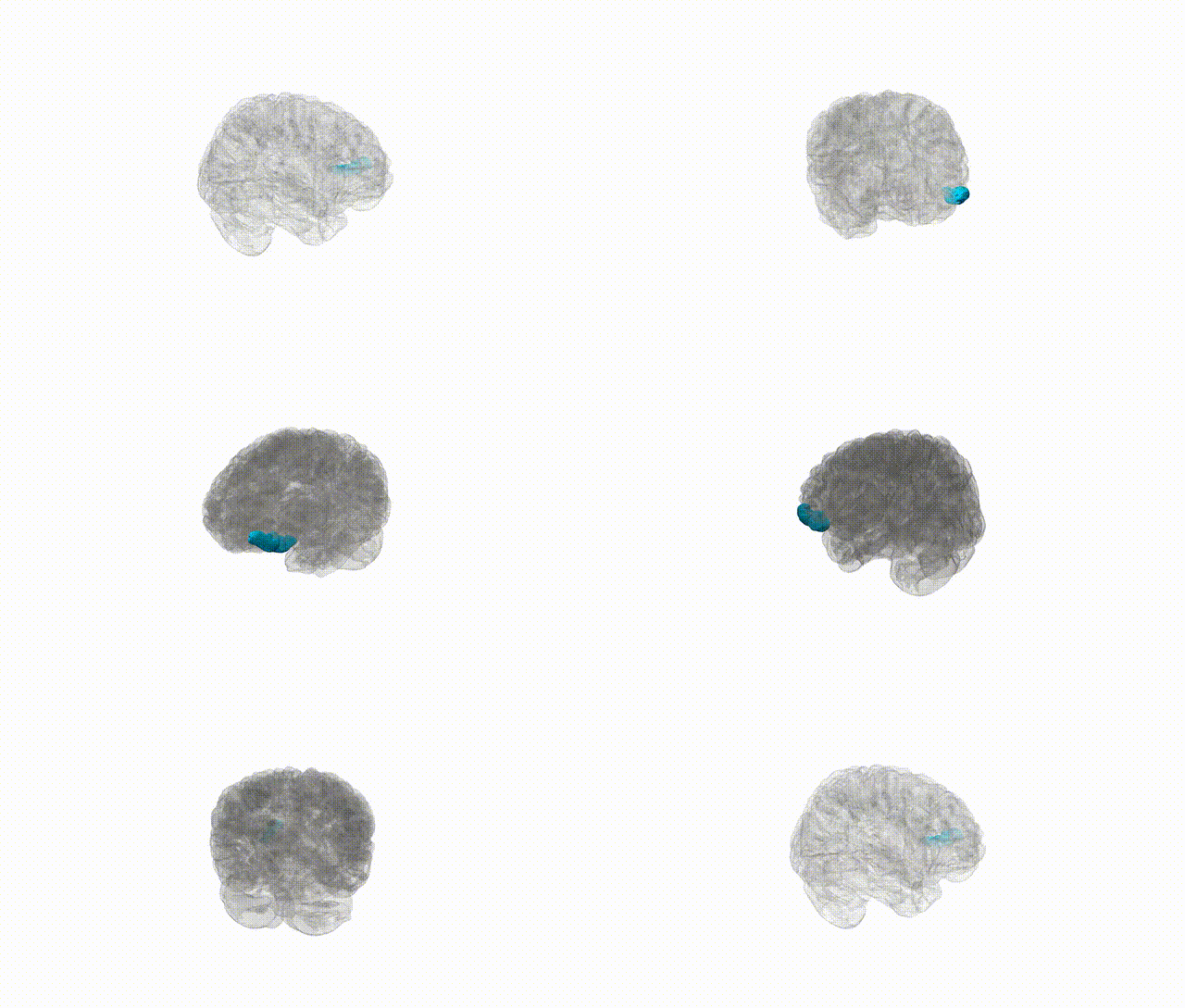
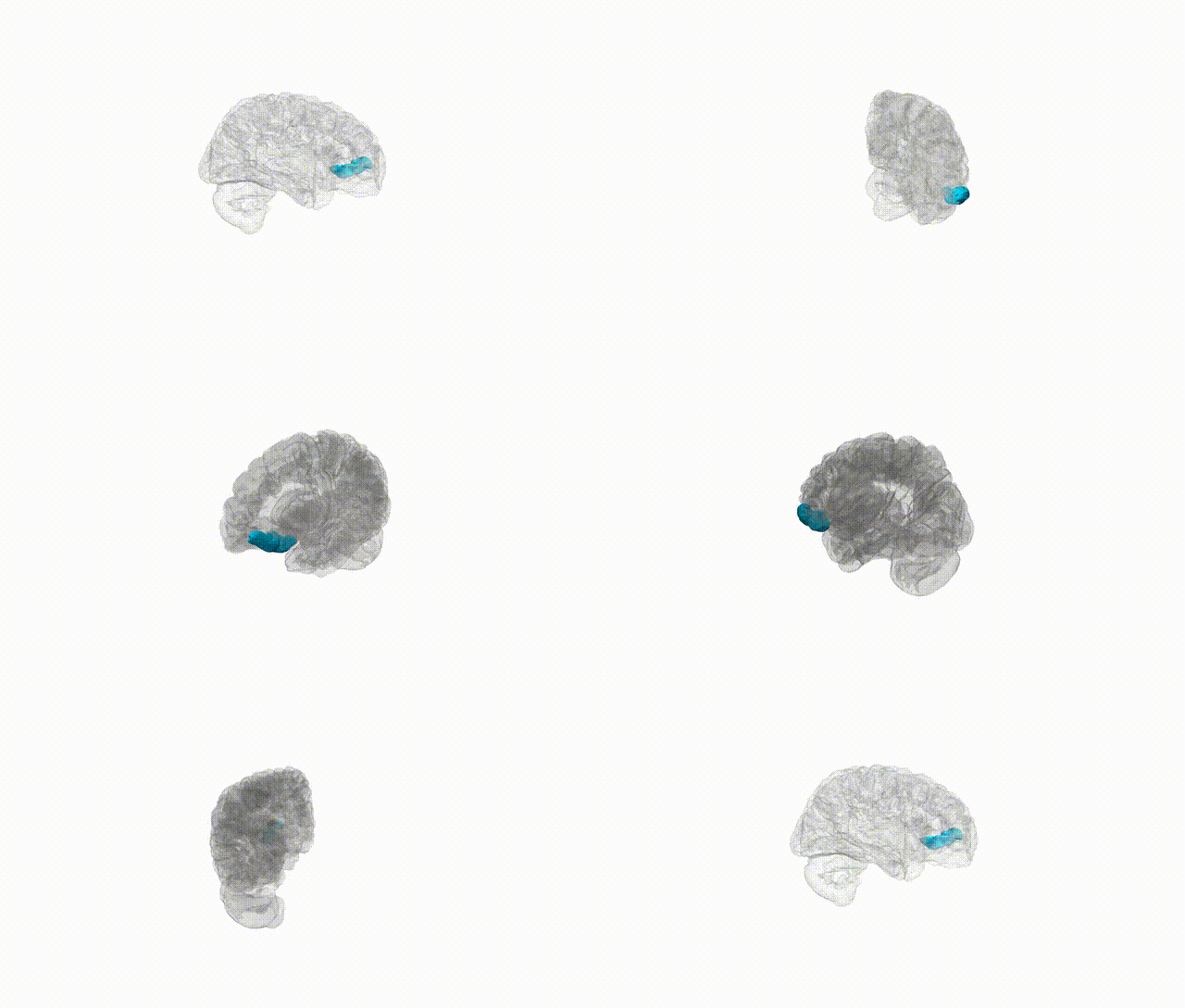
Region ID: 54
Hemisphere: Right
Atlas: brainCOLOR
Full Quality Version: Download MP4
Full Quality Version: Download MP4
Full Quality Version: Download MP4
Full Quality Version: Download MP4
Wali Sidiqyar*, Gaurav Rudravaram*, Elyssa M. McMaster, Trent M. Schwartz, Adam M. Saunders, Kurt G. Schilling, Bennett A. Landman "Introducing SPINS: A Shared Public Visualization Library of Neuroanatomical Structures." Medical Imaging with Deep Learning- short paper
This resource is licensed under CC0 1.0 Universal (Public Domain).