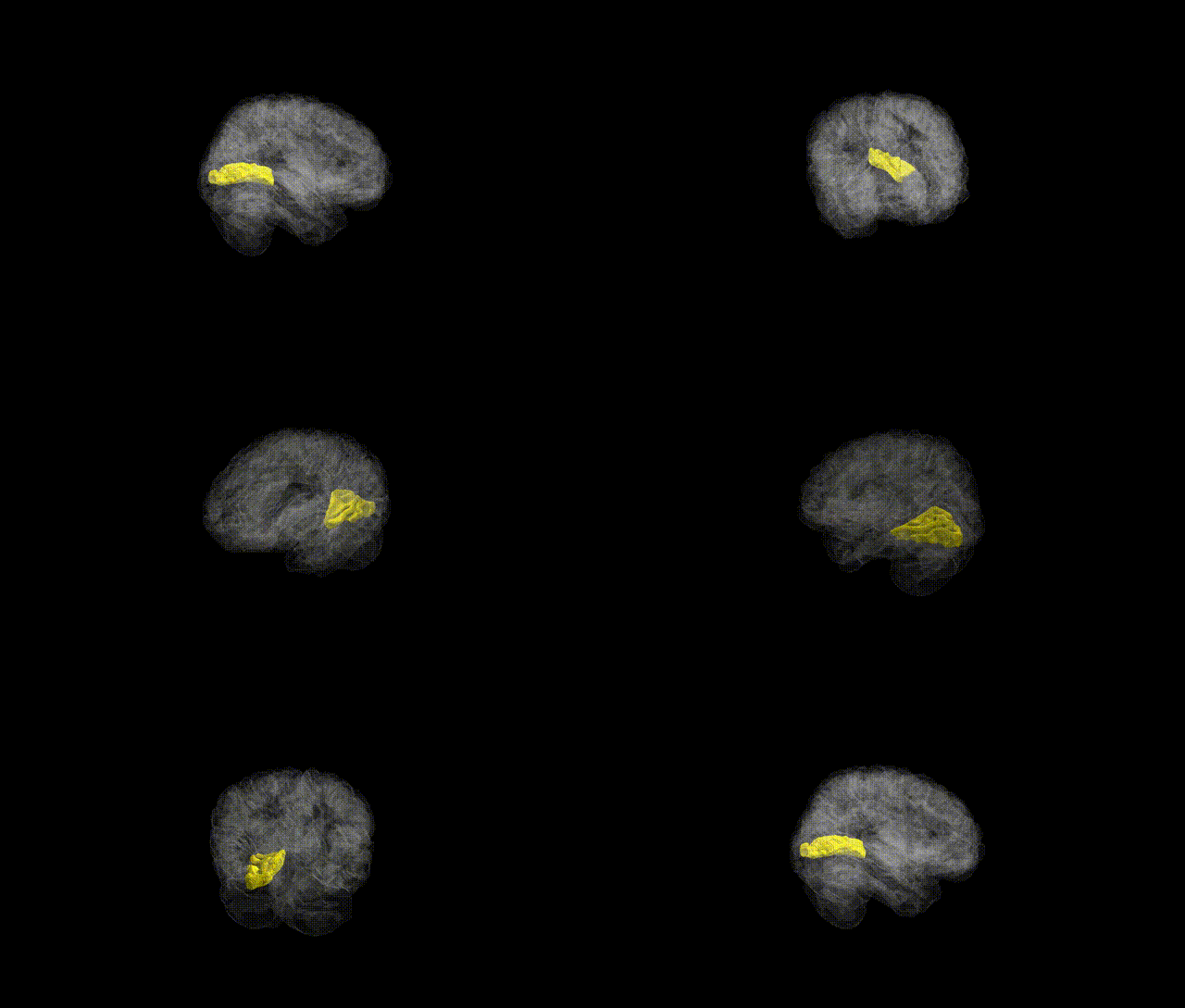
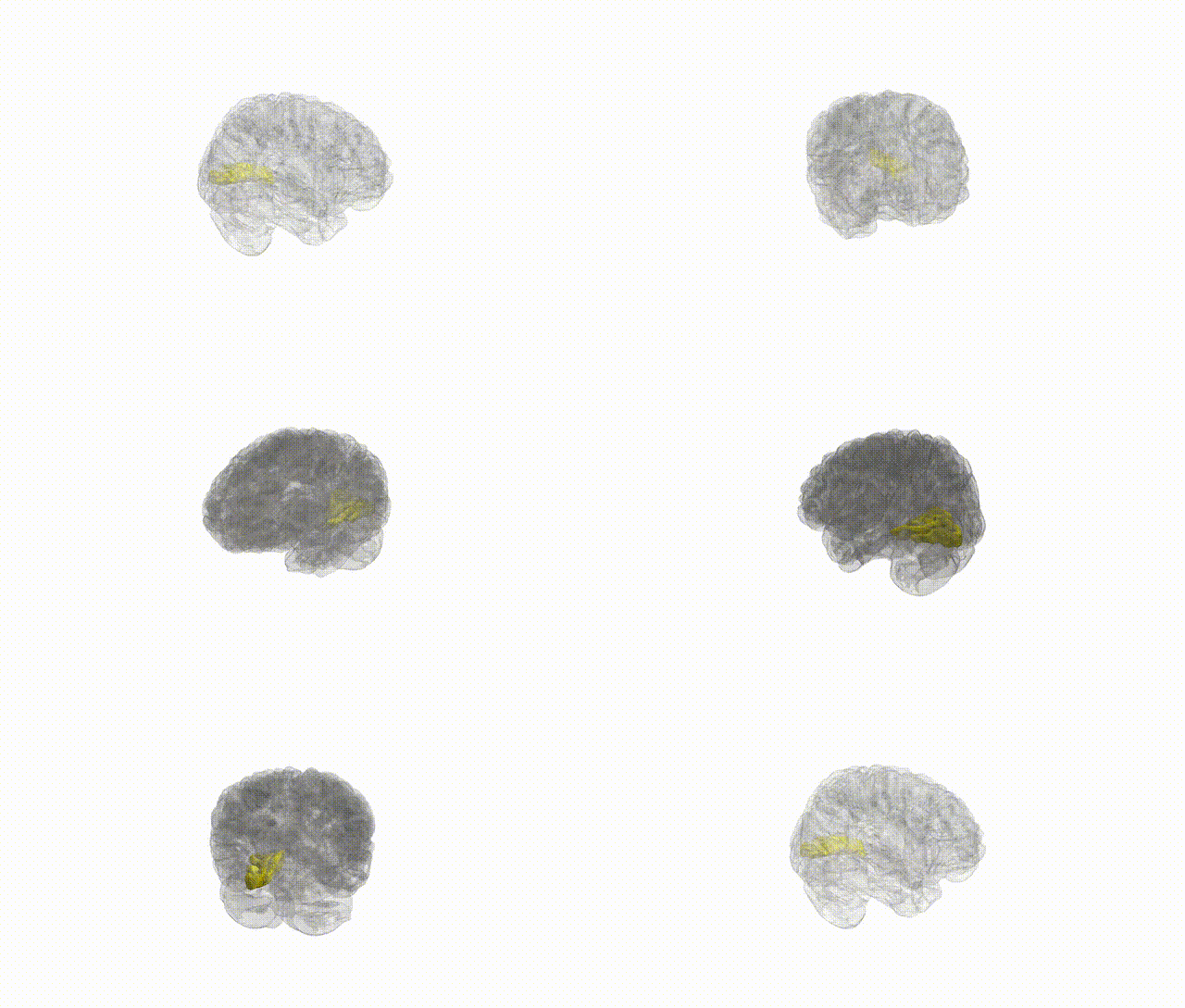
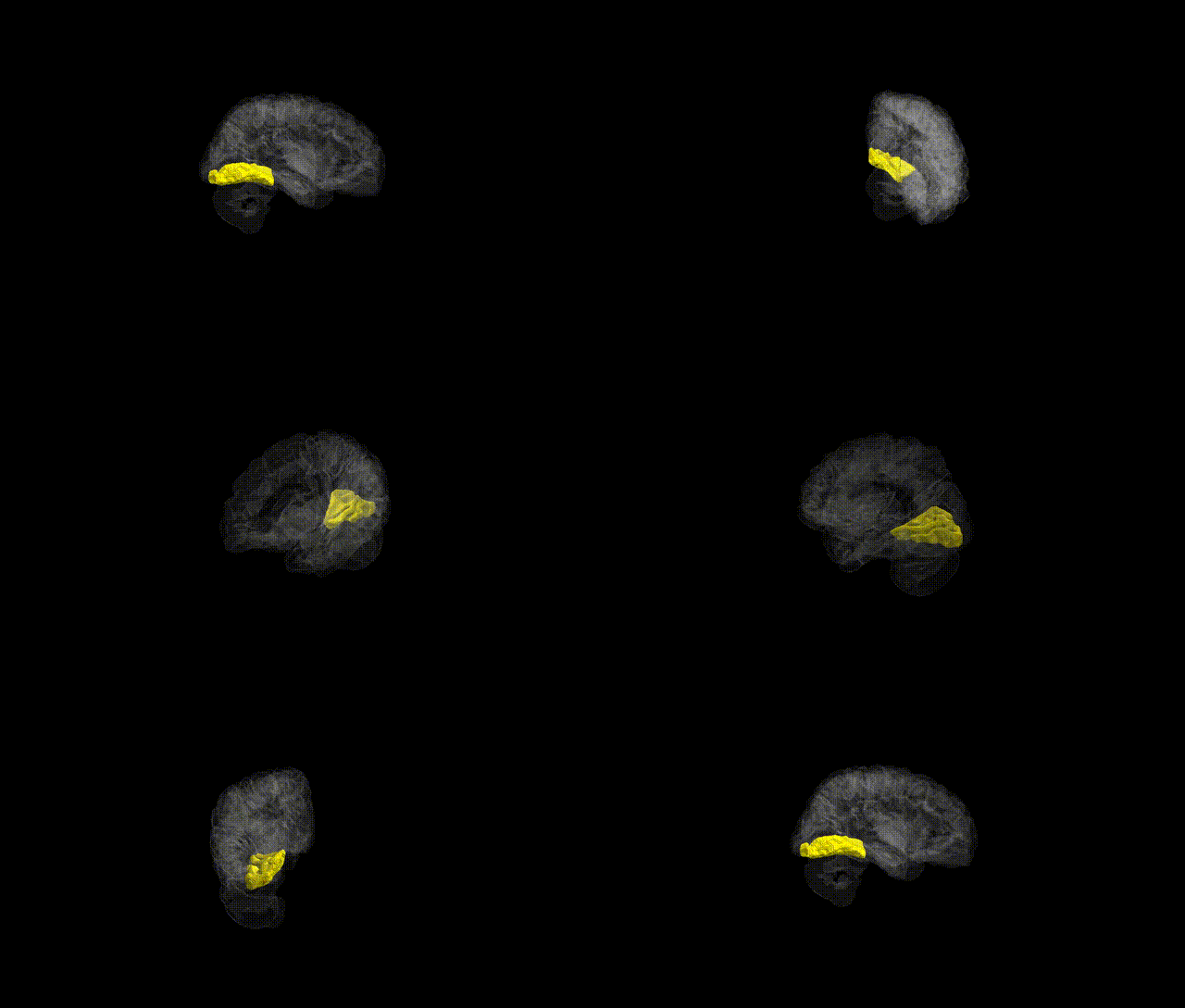
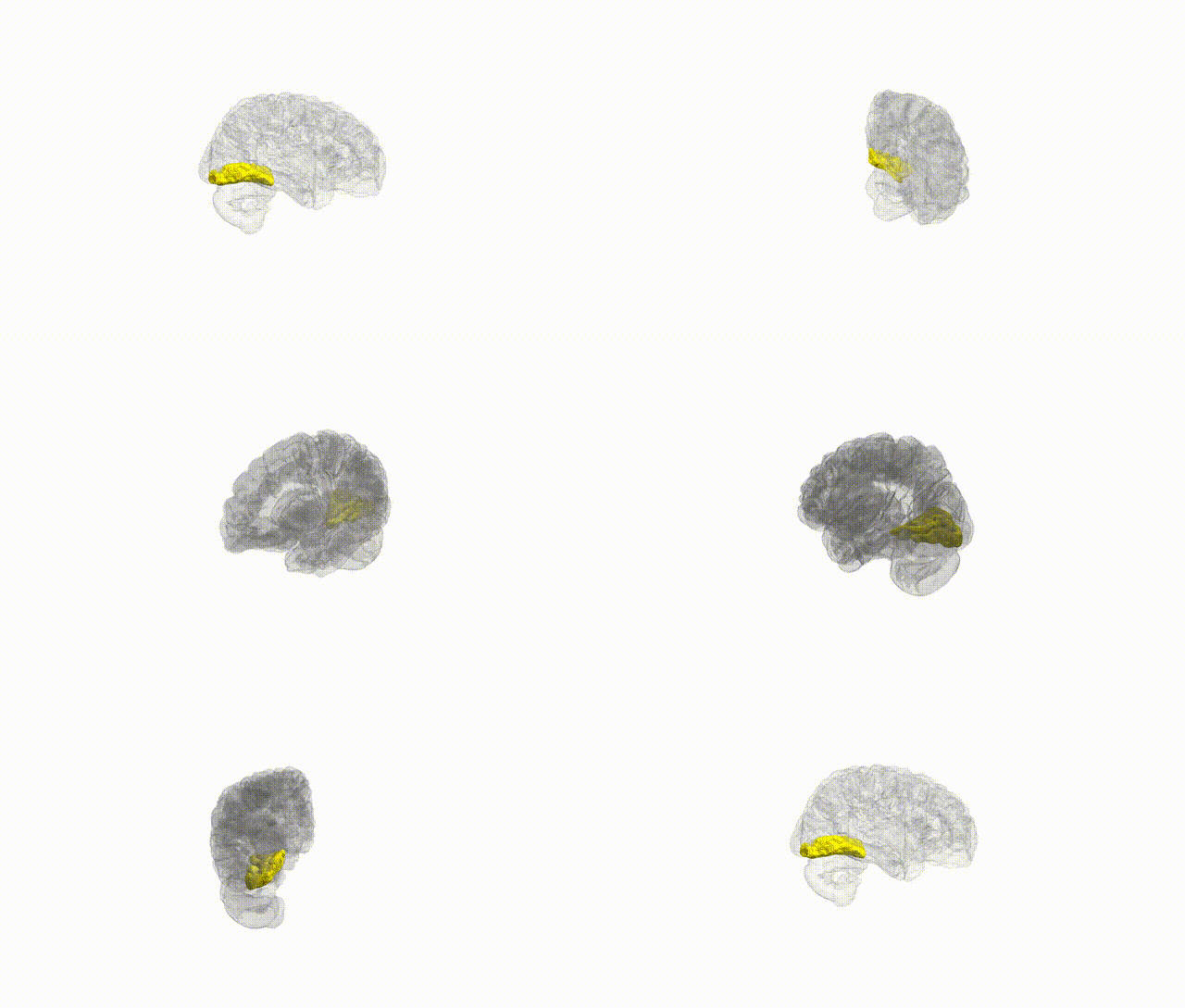
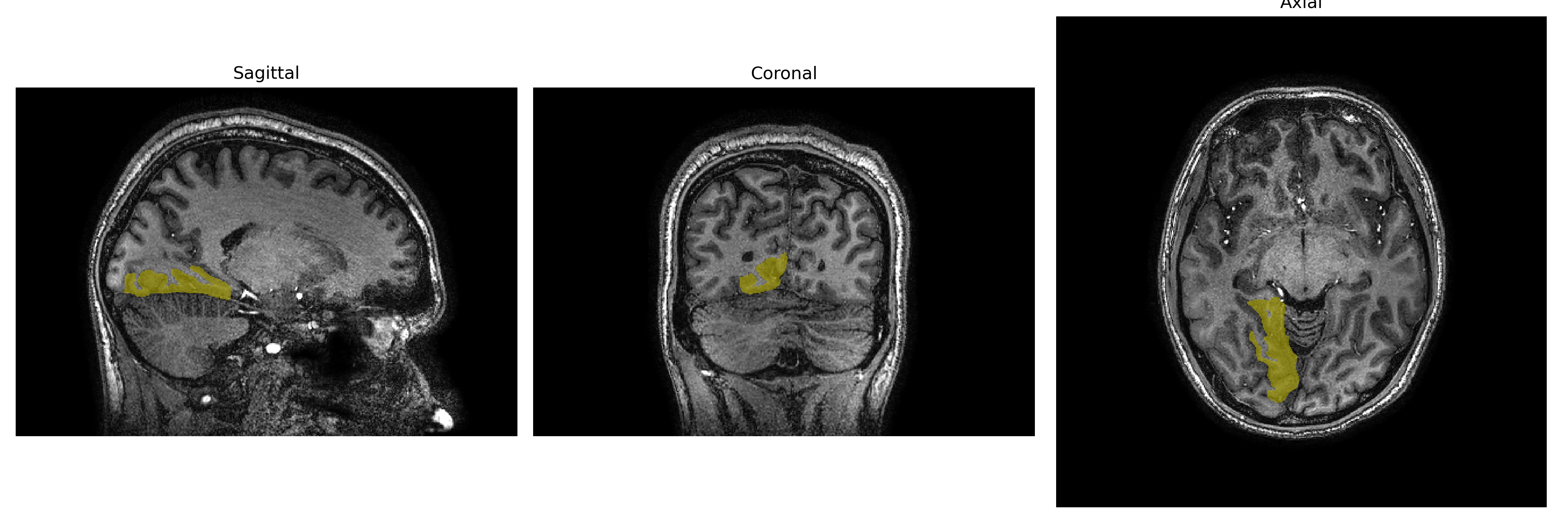
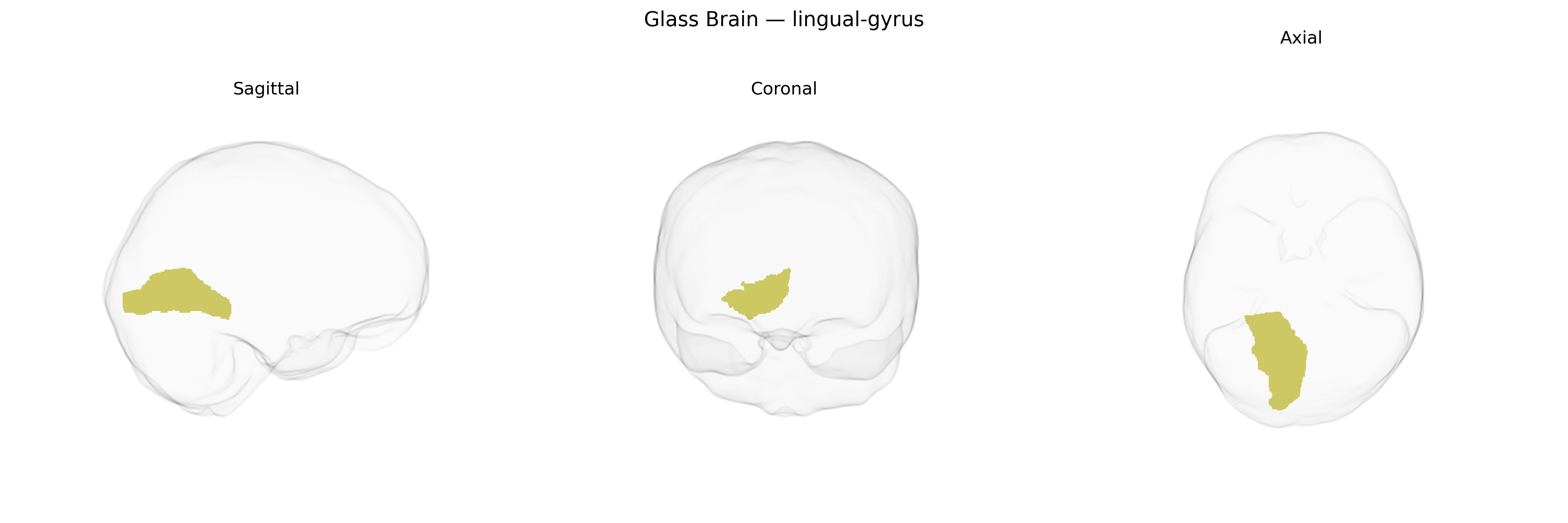
The right lingual gyrus is a medial occipito-temporal cortical region on the ventral surface of the right hemisphere, extending from the calcarine sulcus toward the fusiform gyrus and parahippocampal areas. It is primarily involved in early and intermediate stages of visual processing, including analysis of complex shapes, letter and word forms, and aspects of color and scene perception. Functionally, it participates in visual memory and contributes to reading and recognition of visually presented linguistic material, integrating visual input with higher-order associative networks. In neuroimaging, activation of the right lingual gyrus is observed during tasks involving pattern recognition, visual imagery, and processing of symbolic visual stimuli, and lesions in this region can be associated with disturbances in visual perception and reading. There is no direct link for the right lingual gyrus; a related structure is the Lingual gyrus.
The right lingual gyrus, as defined in parcellations such as the brainCOLOR atlas, has been implicated in several genetic association studies, particularly through imaging GWAS that link common variants to regional gray matter volume, cortical thickness, and functional activation patterns. Variants in genes involved in synaptic function, neurodevelopment, and myelination—such as BDNF, NRG1, and genes within the major histocompatibility complex region—have shown associations with structural or functional changes in occipito-temporal regions that include the lingual gyrus, often in the context of visual processing and memory tasks. Large-scale neuroimaging consortia (e.g., ENIGMA, UK Biobank) have reported heritability of lingual gyrus morphology and identified genome-wide significant loci affecting occipital and ventral visual cortex measures, though most do not isolate the right lingual gyrus as a stand-alone target and instead report effects across broader visual cortical clusters. Clinically, genetic risk for psychiatric and neurodevelopmental disorders such as schizophrenia, bipolar disorder, and autism spectrum disorder has been linked to altered lingual gyrus structure or activation, with polygenic risk scores for these conditions sometimes correlating with measures in this region. In addition, genetic liability for migraine, major depressive disorder, and Alzheimer’s disease has been associated with altered occipital and medial temporal structures including the lingual gyrus, and visual hallucinations and visual memory deficits in these and related conditions have occasionally been tied to variants affecting connectivity and metabolism in this area, although specific right-lateralized lingual-gyrus genetic associations remain relatively understudied and are usually inferred from bilateral or regionally aggregated analyses.
Overview generated by GPT-4o (2026).
Region ID: 52
Hemisphere: Right
Atlas: brainCOLOR
Full Quality Version: Download MP4
Full Quality Version: Download MP4
Full Quality Version: Download MP4
Full Quality Version: Download MP4
Wali Sidiqyar*, Gaurav Rudravaram*, Elyssa M. McMaster, Trent M. Schwartz, Adam M. Saunders, Kurt G. Schilling, Bennett A. Landman "Introducing SPINS: A Shared Public Visualization Library of Neuroanatomical Structures." Medical Imaging with Deep Learning- short paper
This resource is licensed under CC0 1.0 Universal (Public Domain).