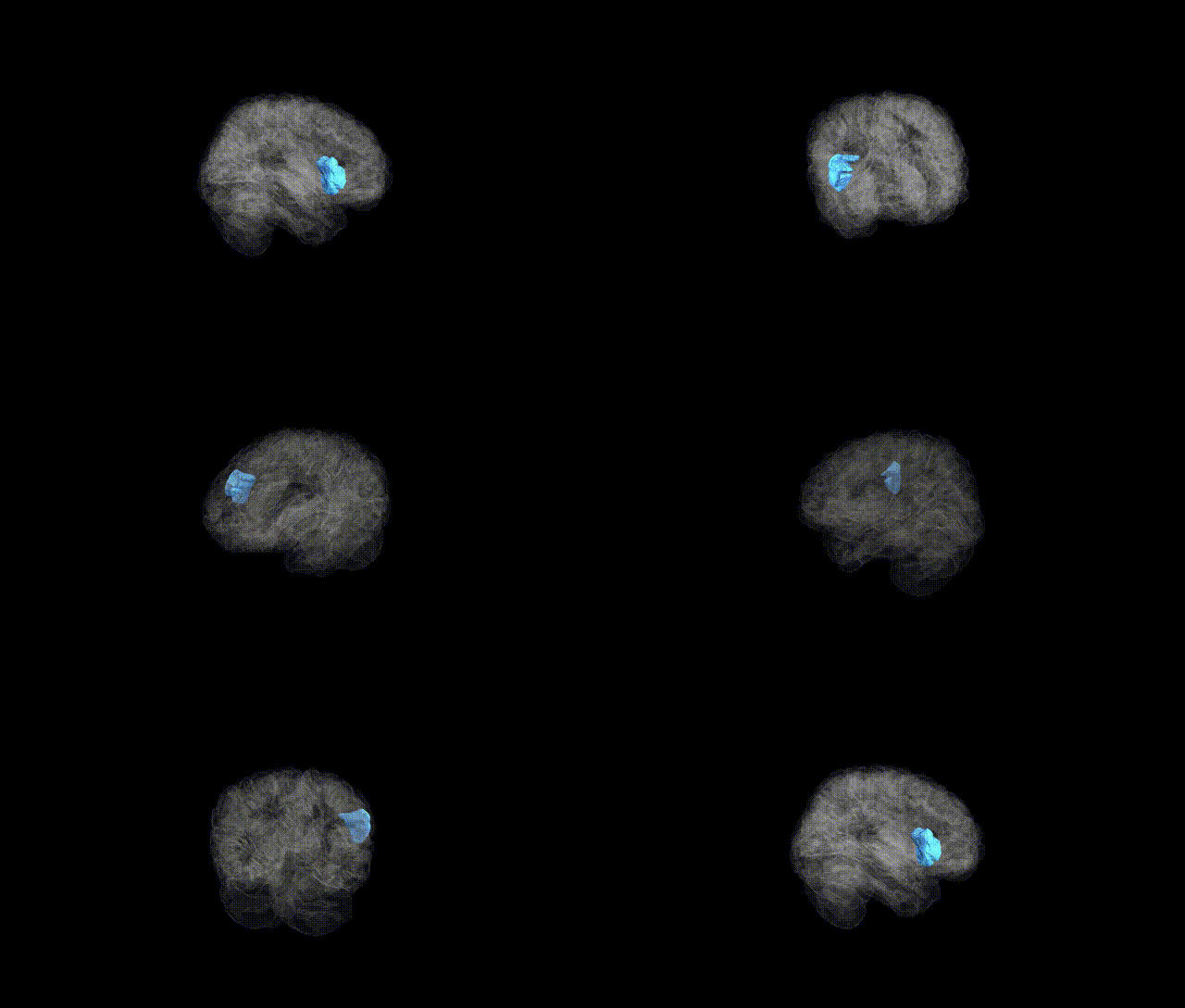
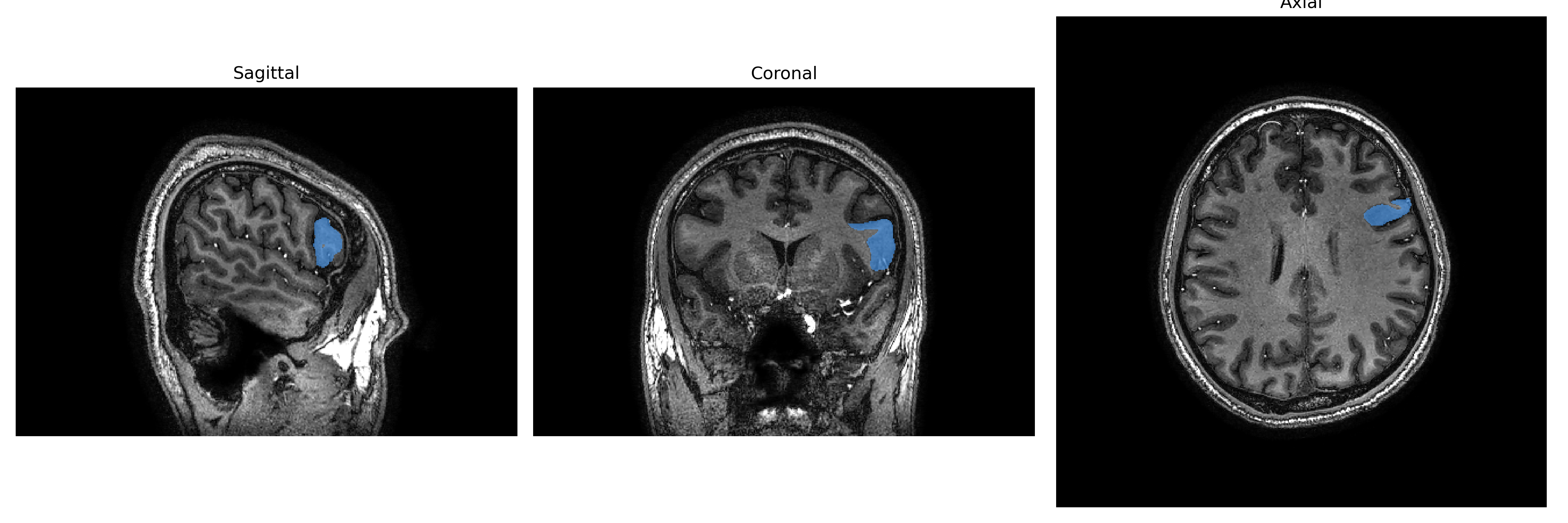
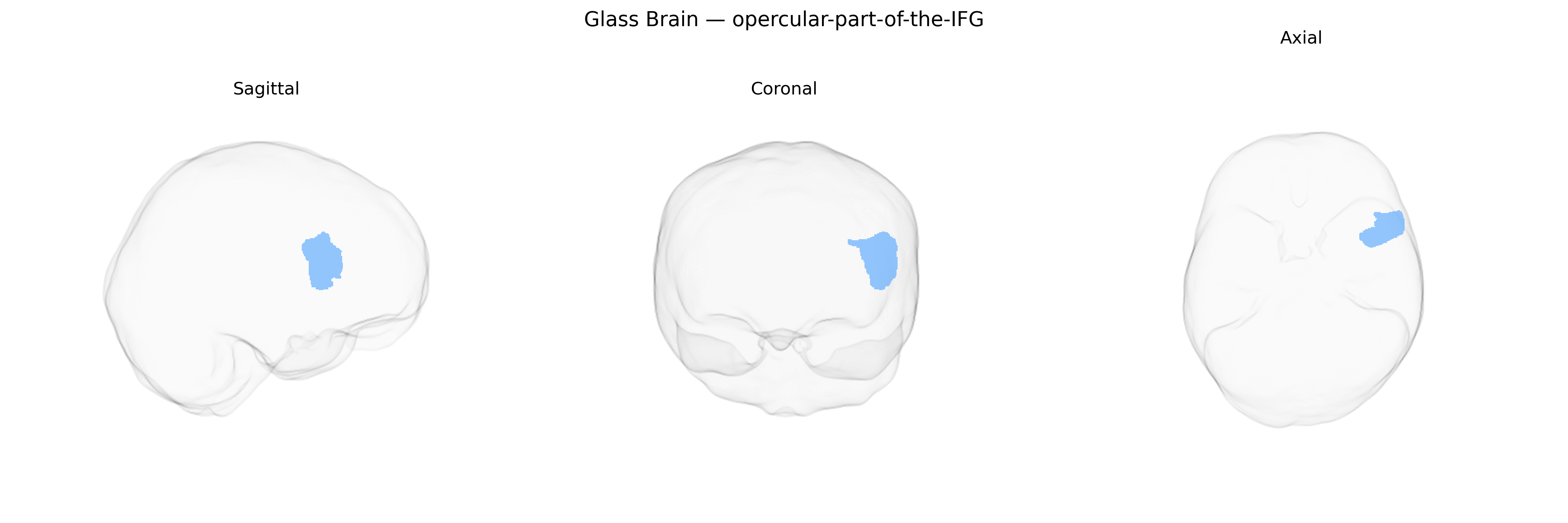
The Left opercular-part-of-the-IFG corresponds to the opercular division of the inferior frontal gyrus in the left cerebral hemisphere, most commonly associated with Brodmann area 44 and often considered a core component of Broca’s area. This region forms part of the posterior inferior frontal cortex bordering the lateral sulcus (Sylvian fissure) and is involved in phonological processing, speech production, and aspects of syntactic and motor planning for orofacial movements. Cytoarchitectonically, it is characterized by granular frontal cortex with dense corticocortical connections to superior temporal and inferior parietal regions, as well as reciprocal connections with premotor and primary motor areas, supporting its role in coordinating language and complex motor sequences. There is no direct Wikipedia page for the “Left opercular-part-of-the-IFG,” but it is encompassed within the Inferior frontal gyrus.
The left opercular part of the inferior frontal gyrus (IFG; often overlapping with Brodmann areas 44/45 and including BA44-opercular subdivisions in the brainCOLOR/FreeSurfer-style atlases) shows convergent genetic associations primarily related to language, speech, and cognitive control, though findings are mostly from broader IFG or pars opercularis measures rather than the brainCOLOR parcel specifically. Twin and SNP-based heritability studies indicate moderate to high heritability of cortical thickness and surface area in this region, with genome-wide association studies implicating variants near or within genes involved in neurodevelopment and synaptic function (e.g., FOXP2-related networks, CNTNAP2, DCDC2, KIAA0319, and other neurodevelopmental/axonal guidance genes) in structural or functional variation of the IFG. GWAS of language ability, reading and dyslexia, developmental language disorder, and stuttering have repeatedly highlighted IFG-opercular involvement at the imaging or functional levels, with genetic effects often mediated by altered IFG activation during phonological or articulatory tasks. Imaging–genetics and ENIGMA-based cortical GWAS have also linked common variants (e.g., in loci near HMGA2, IGF1, and other growth and transcriptional regulators) to global and frontal lobe morphology that includes the opercular IFG. Clinically, the left IFG opercular region is genetically implicated indirectly via its role in disorders with language and executive dysfunction—such as autism spectrum disorder, schizophrenia, ADHD, and specific learning disorders—where polygenic risk scores for these conditions correlate with IFG structure or activation, though specific, robust single-locus associations confined solely to the brainCOLOR-defined left opercular-part-of-the-IFG parcel have not yet been established.
Overview generated by GPT-4o (2026).
Region ID: 79
Hemisphere: Left
Atlas: brainCOLOR
Full Quality Version: Download MP4
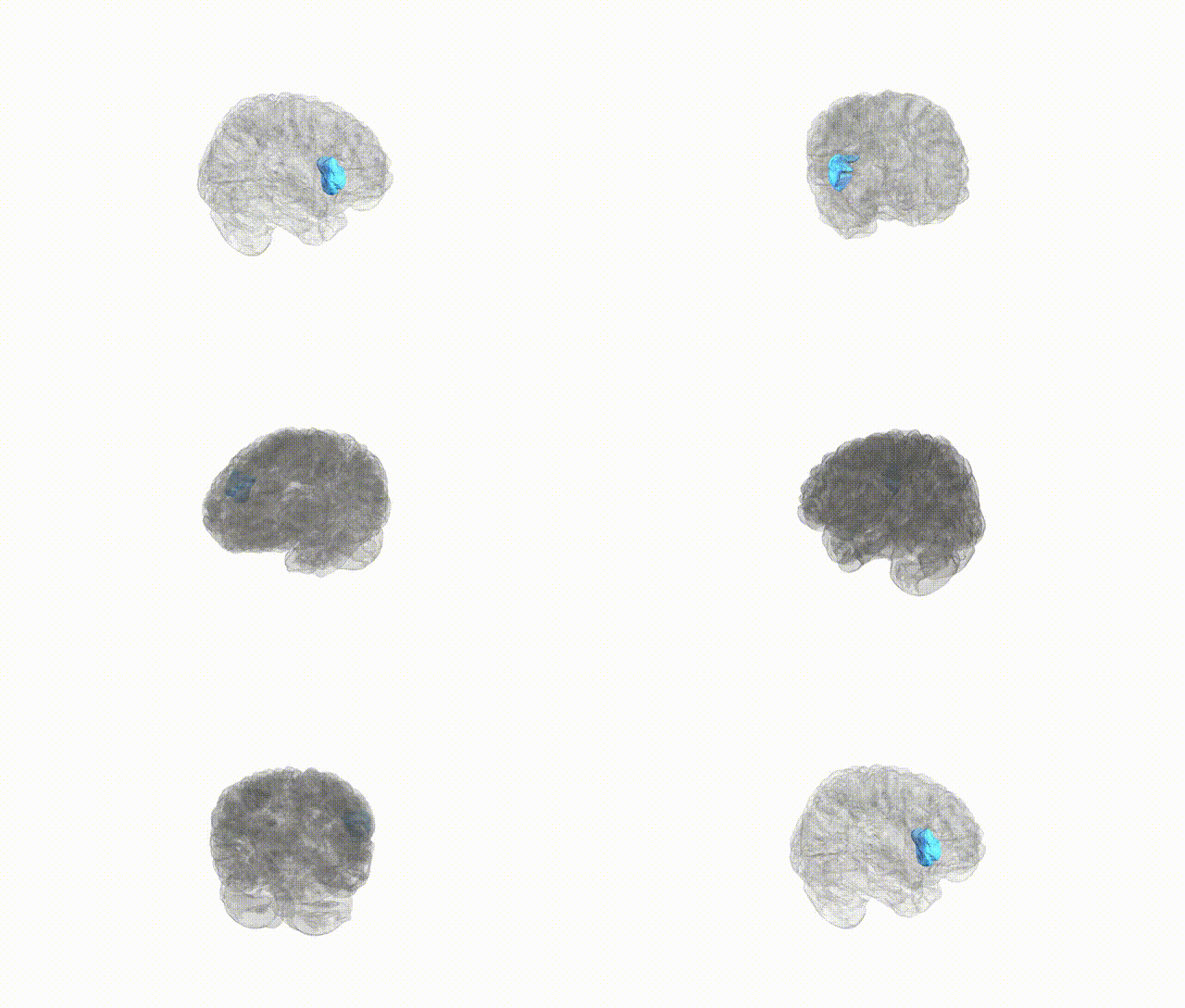
Full Quality Version: Download MP4
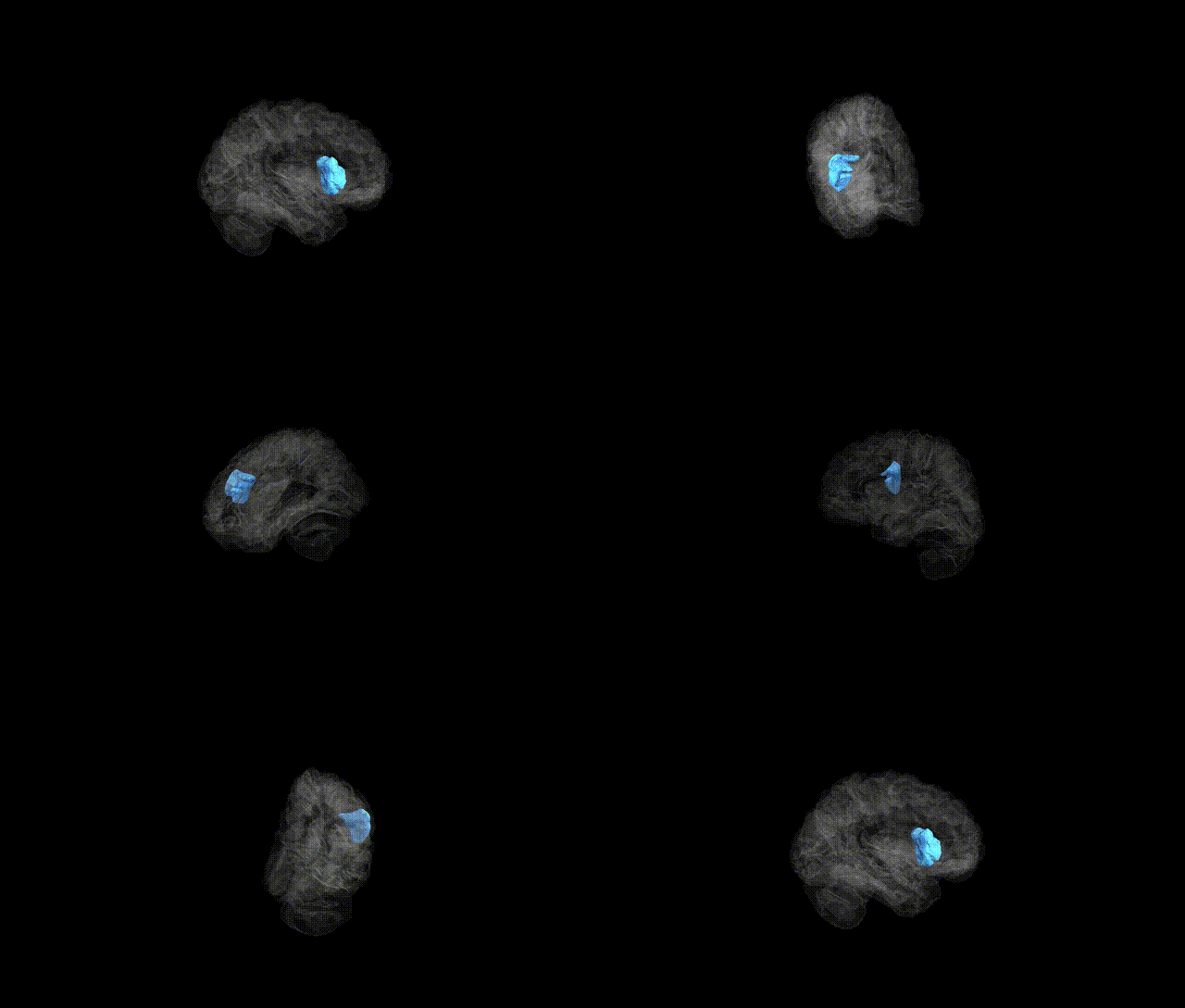
Full Quality Version: Download MP4
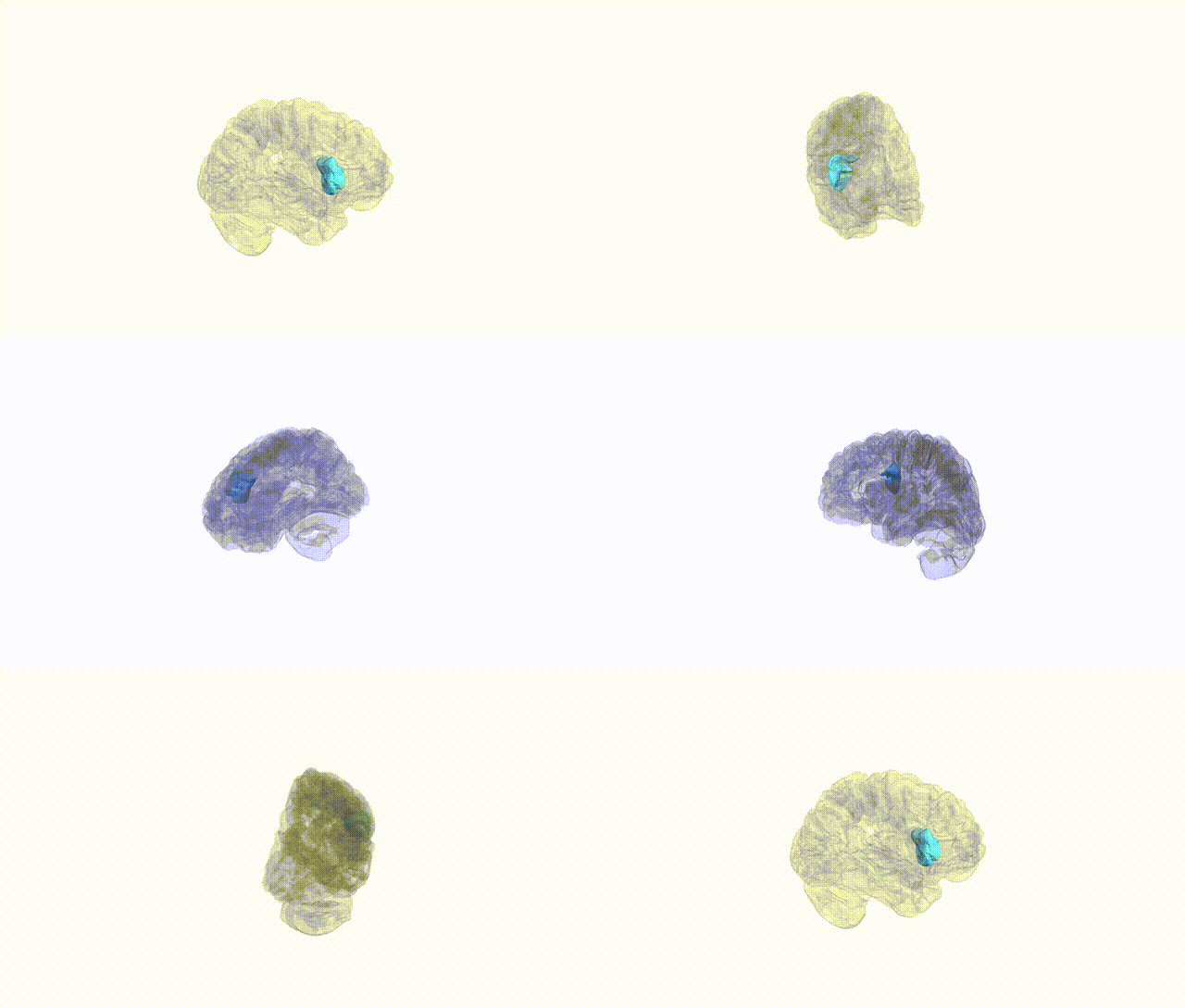
Full Quality Version: Download MP4
Wali Sidiqyar*, Gaurav Rudravaram*, Elyssa M. McMaster, Trent M. Schwartz, Adam M. Saunders, Kurt G. Schilling, Bennett A. Landman "Introducing SPINS: A Shared Public Visualization Library of Neuroanatomical Structures." Medical Imaging with Deep Learning- short paper
This resource is licensed under CC0 1.0 Universal (Public Domain).