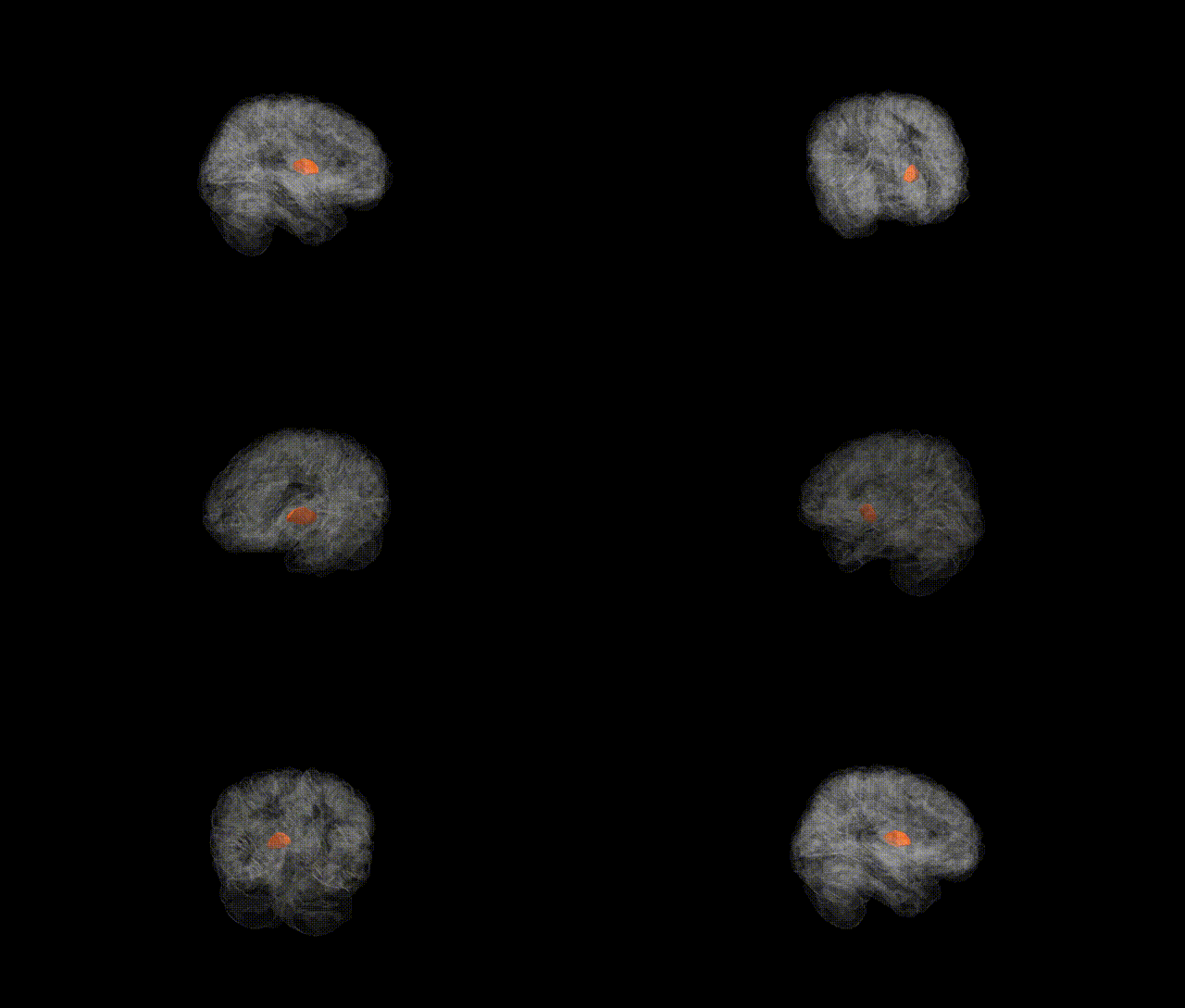
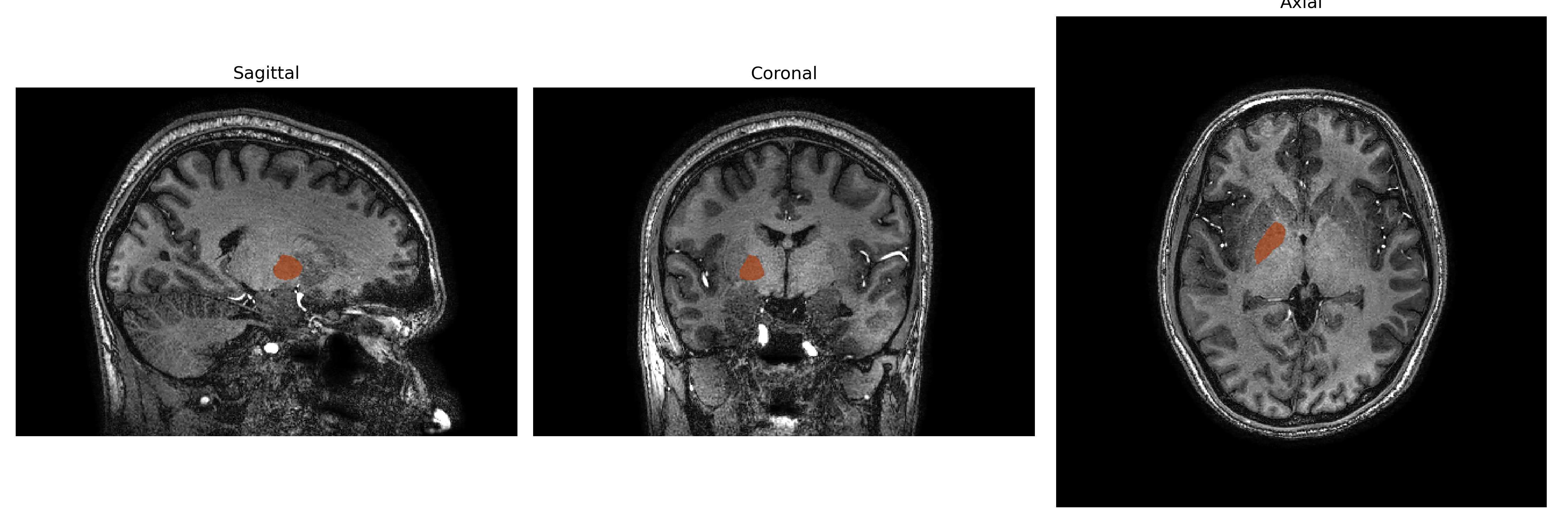
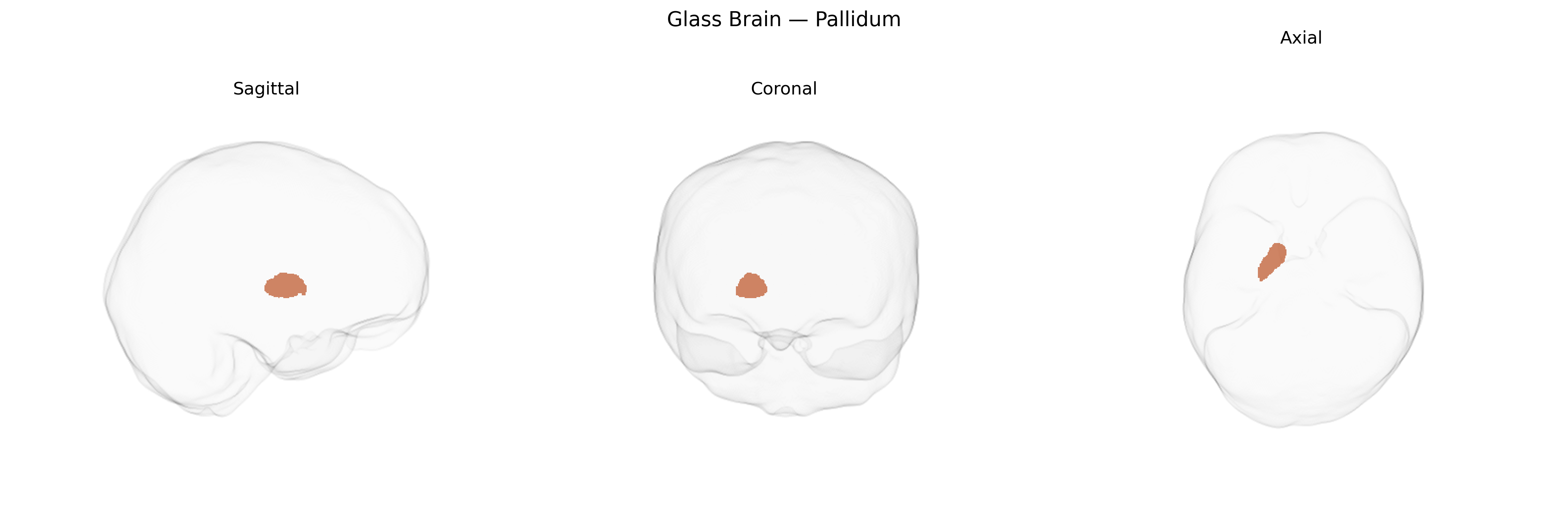
The right pallidum is the right-sided component of the globus pallidus, a major inhibitory nucleus of the basal ganglia located deep within the cerebral hemispheres, medial to the putamen and lateral to the internal capsule. Composed primarily of GABAergic projection neurons, it is subdivided into external (GPe) and internal (GPi) segments, which participate in parallel cortico-basal ganglia-thalamo-cortical loops that modulate voluntary movement, muscle tone, and aspects of motor learning. The right pallidum integrates input from the striatum and subthalamic nucleus and regulates thalamocortical activity through tonic inhibitory output, thereby contributing to the balance between facilitation and suppression of motor programs. Pathophysiological changes in this region are implicated in movement disorders such as Parkinson’s disease, dystonia, and chorea. There is no direct link for “Right Pallidum”; see the related structure Globus pallidus.
The right pallidum, part of the basal ganglia and often delineated in MRI-based parcellations such as the brainCOLOR Atlas, shows robust heritability and has been implicated in multiple genome-wide association studies (GWAS) of subcortical brain volumes and psychiatric or neurodegenerative traits. Large-scale imaging-genetics consortia (e.g., ENIGMA, UK Biobank–based analyses) have identified common variants near or within genes involved in neurodevelopment, synaptic signaling, and axonal guidance—such as those in or near DRD2, WNT3, KTN1, DCC, and MAPT—that associate with pallidal volume or shape, often in a lateralized manner including the right side. Polygenic architectures underlying schizophrenia, bipolar disorder, major depressive disorder, and Parkinson’s disease overlap with genetic determinants of pallidal morphology, and right pallidum volume differences have been repeatedly reported in case–control and high-risk cohorts for these disorders, suggesting shared genetic influences on both structure and disease liability. Additional associations have been reported between pallidal measures and genetic risk for substance use (e.g., alcohol and nicotine dependence), compulsive behaviors, and cognitive traits such as processing speed and executive function, consistent with the pallidum’s role in reward, motor control, and habit formation. Overall, current evidence supports a highly polygenic, pleiotropic genetic architecture in which variants implicated in neurodevelopmental and dopaminergic pathways contribute to individual differences in right pallidum structure and related vulnerability to psychiatric and neurologic conditions.
Overview generated by GPT-4o (2026).
Region ID: 11
Hemisphere: Right
Atlas: brainCOLOR
Full Quality Version: Download MP4
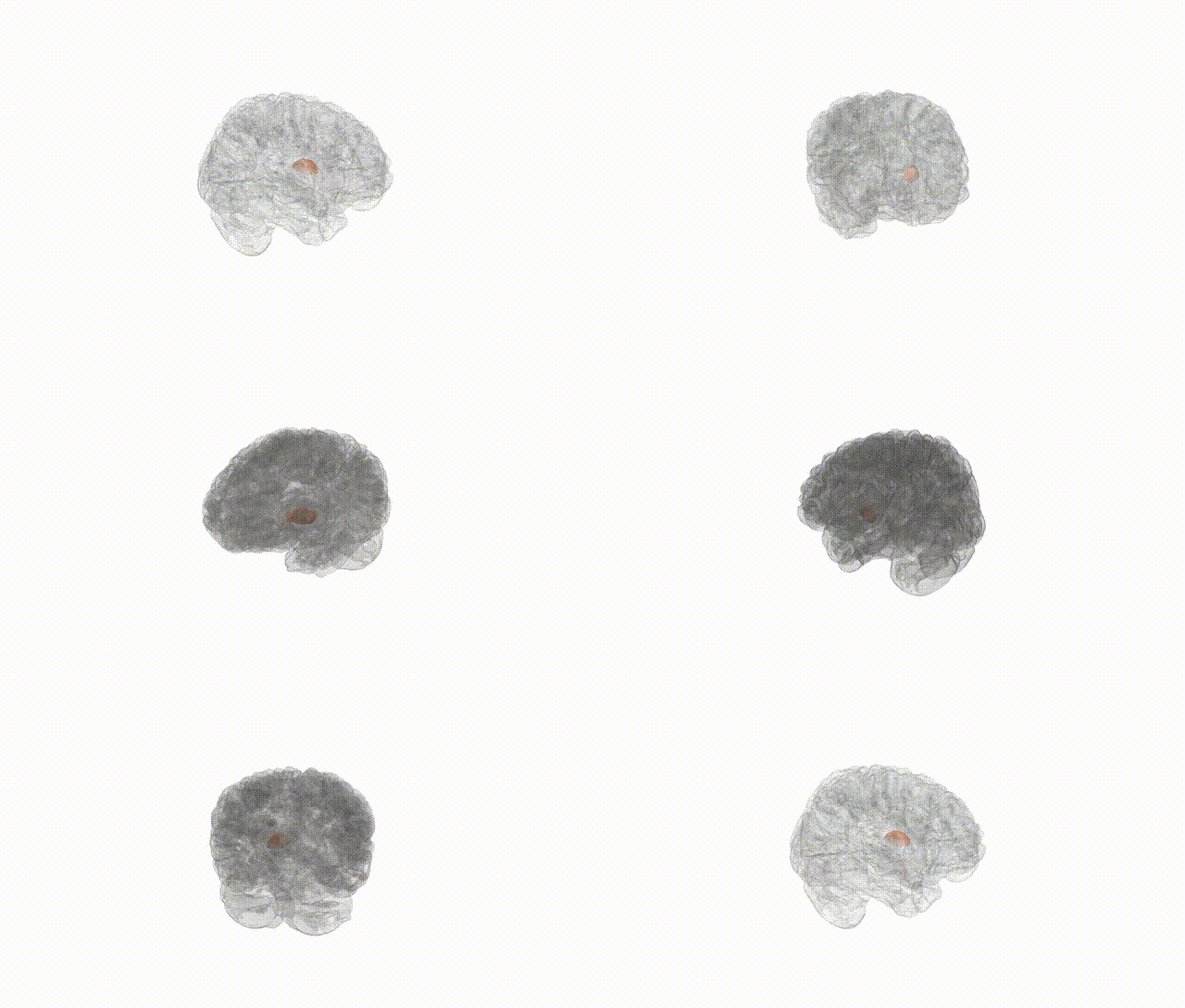
Full Quality Version: Download MP4
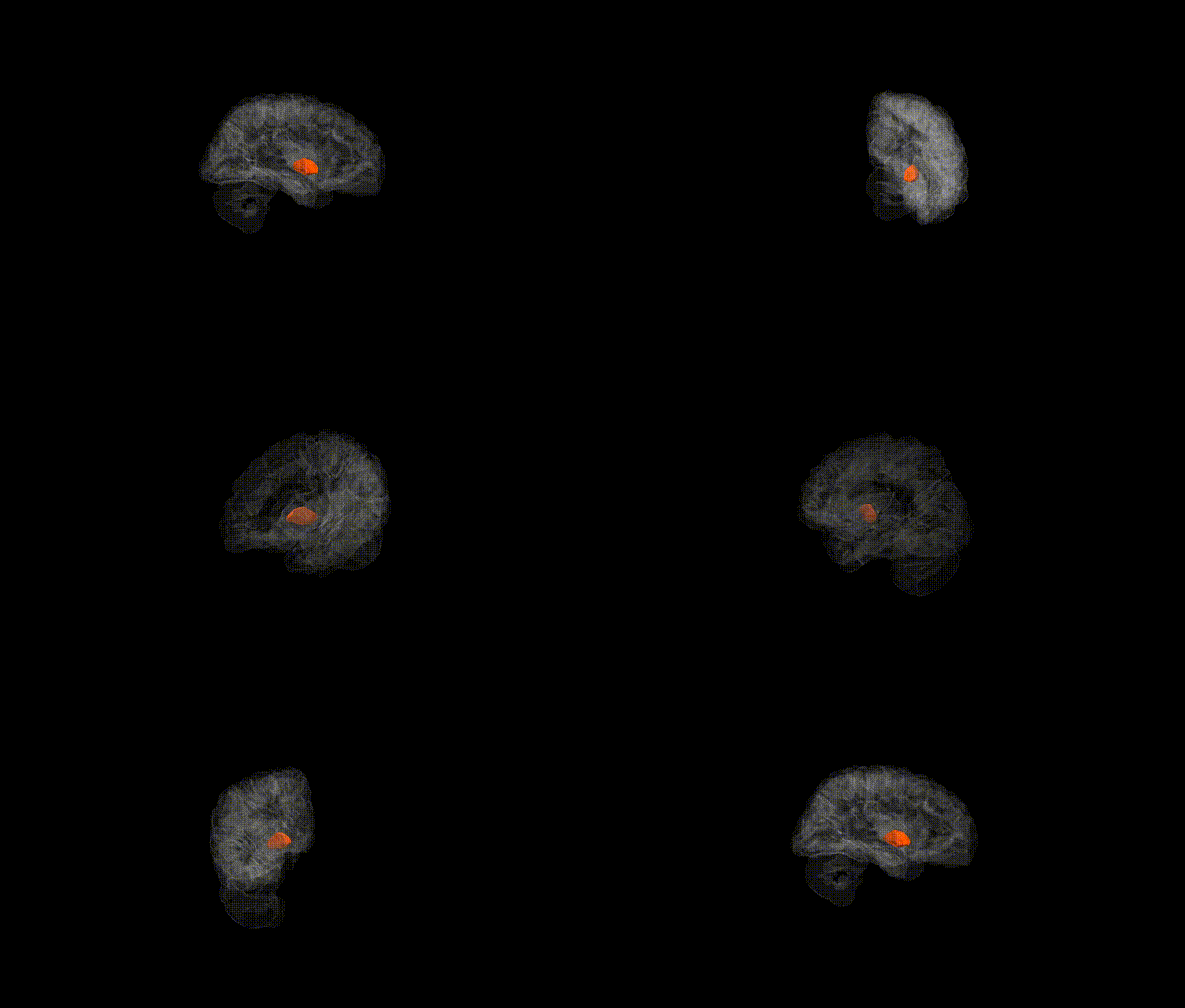
Full Quality Version: Download MP4
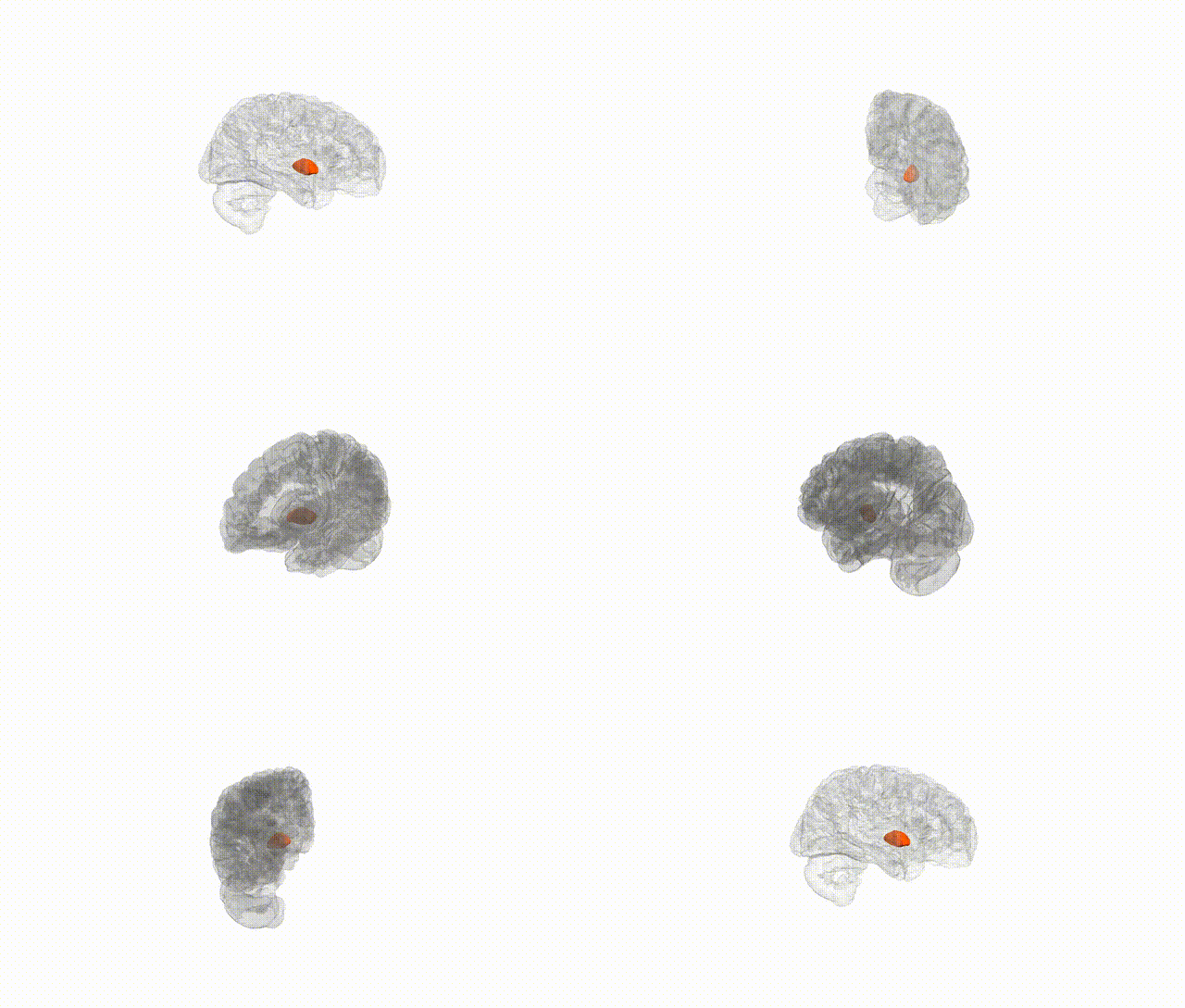
Full Quality Version: Download MP4
Wali Sidiqyar*, Gaurav Rudravaram*, Elyssa M. McMaster, Trent M. Schwartz, Adam M. Saunders, Kurt G. Schilling, Bennett A. Landman "Introducing SPINS: A Shared Public Visualization Library of Neuroanatomical Structures." Medical Imaging with Deep Learning- short paper
This resource is licensed under CC0 1.0 Universal (Public Domain).