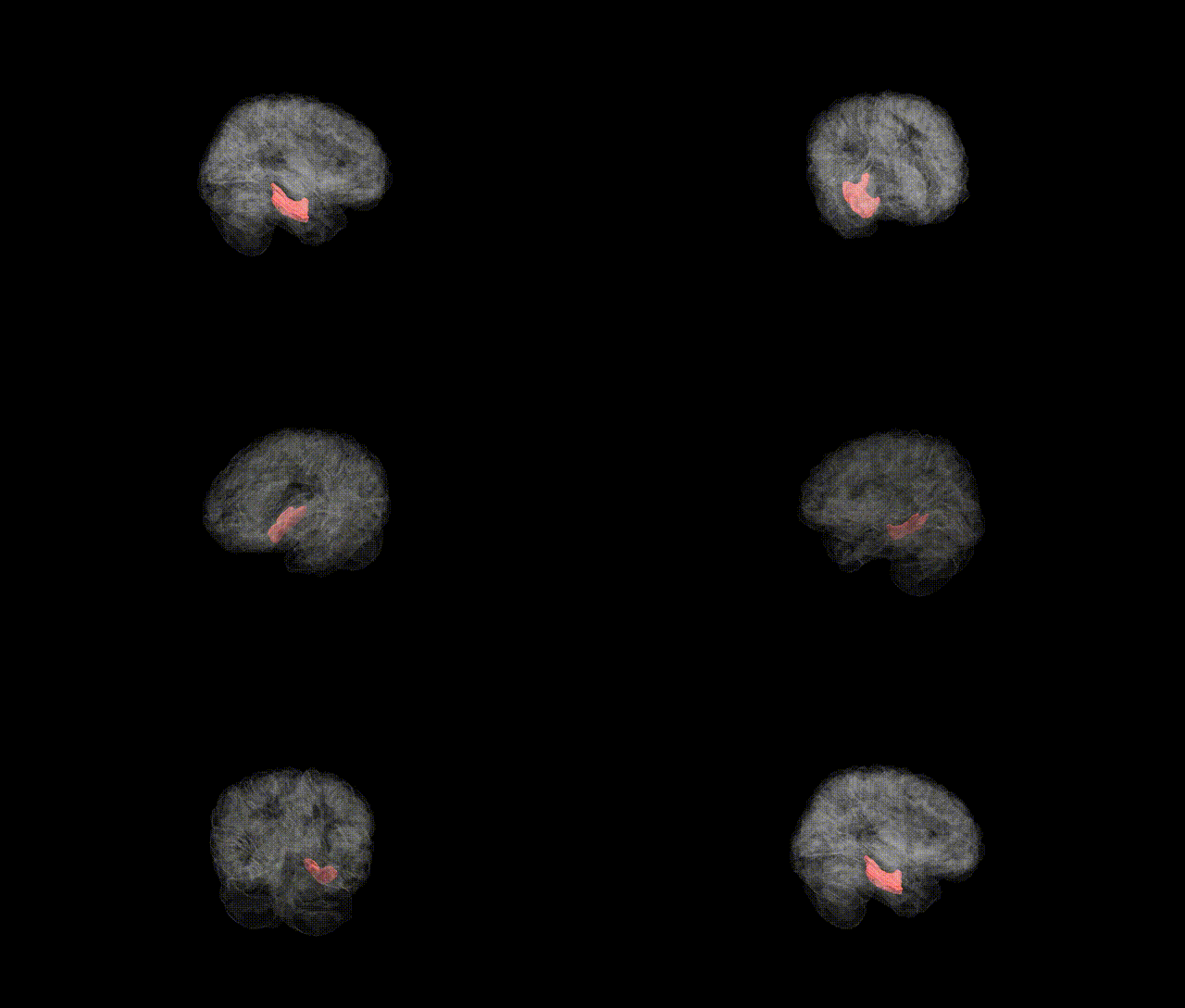
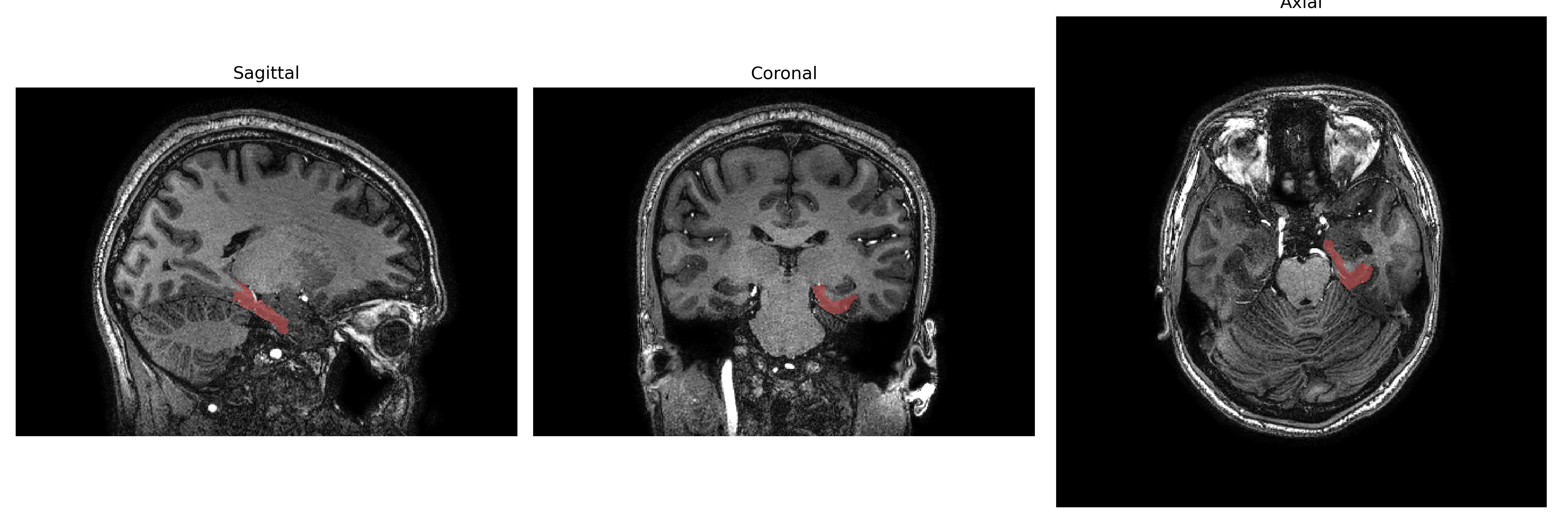
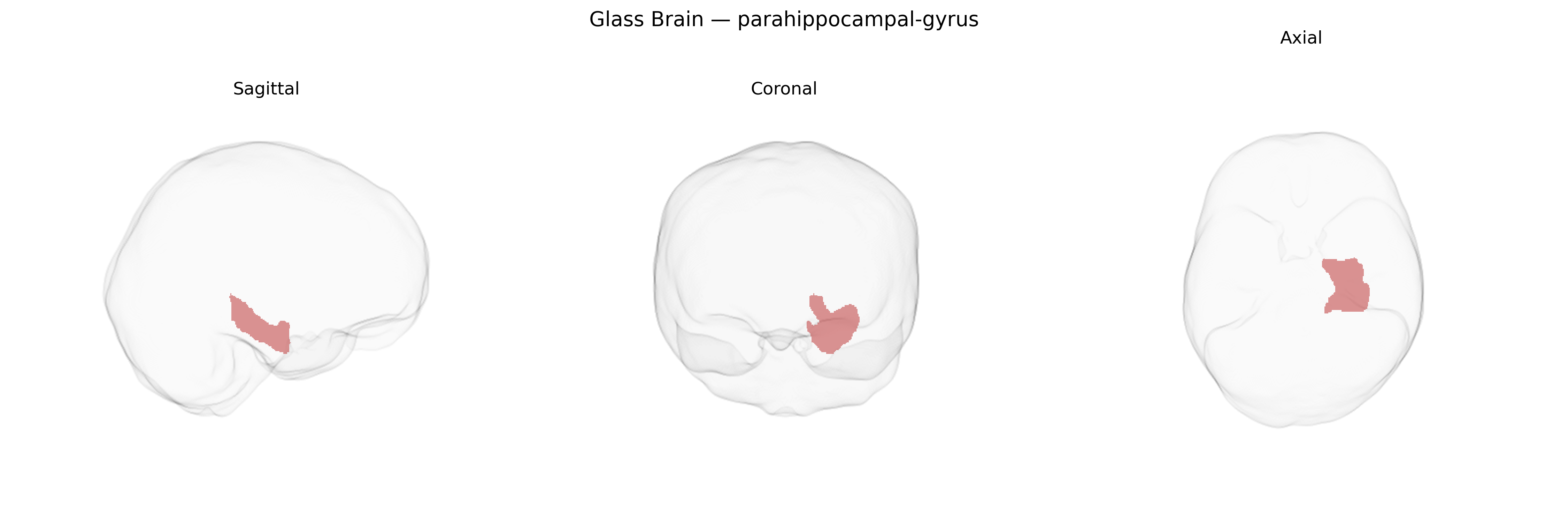
The left parahippocampal gyrus is a cortical region of the medial temporal lobe that lies adjacent to the hippocampus and forms part of the limbic system. It is involved in scene processing, contextual association, and episodic memory, including encoding and retrieval of environmental layouts and spatial context. Cytoarchitectonically, it includes regions such as the entorhinal and perirhinal cortices, which provide major input and output pathways to the hippocampal formation and neocortex, integrating multimodal sensory information with memory processes. The parahippocampal gyrus also participates in navigation-related functions and responds selectively to places and scenes, as evidenced by activity in the parahippocampal place area identified in functional imaging studies. Parahippocampal gyrus
The left parahippocampal gyrus, a medial temporal lobe structure involved in episodic memory, scene processing, and contextual association, shows robust heritability in neuroimaging genetics studies and has been implicated in multiple GWAS of brain structure and function. Large-scale imaging GWAS (e.g., ENIGMA, UK Biobank) have identified common variants near genes such as KIBRA/WFS1, APOE, and loci in or near genes involved in synaptic plasticity, neurodevelopment, and neurodegeneration that associate with parahippocampal volume or cortical thickness, though signals often overlap with broader medial temporal or hippocampal regions rather than being strictly confined to the left parahippocampal gyrus as labeled in the brainCOLOR atlas. Genetic risk variants for Alzheimer’s disease (notably APOE ε4 and additional loci in CLU, PICALM, BIN1, and others) are associated with reduced parahippocampal and entorhinal volumes, altered functional connectivity, and early metabolic changes. Schizophrenia and major depressive disorder polygenic risk scores have been linked to structural and functional alterations in parahippocampal and adjacent limbic regions, suggesting shared genetic influences on limbic circuitry. Variants in genes underlying temporal lobe epilepsy, as well as common risk alleles from epilepsy GWAS, have been associated with structural alterations in parahippocampal and hippocampal cortices. Additional GWAS of cognitive traits (e.g., general cognitive ability, memory performance) and neuroticism or anxiety-related traits suggest that some cognitive and affective polygenic architectures partially converge on medial temporal lobe morphology and connectivity, including the left parahippocampal gyrus, though most associations remain regionally broad and not atlas-specific.
Overview generated by GPT-4o (2026).
Region ID: 87
Hemisphere: Left
Atlas: brainCOLOR
Full Quality Version: Download MP4
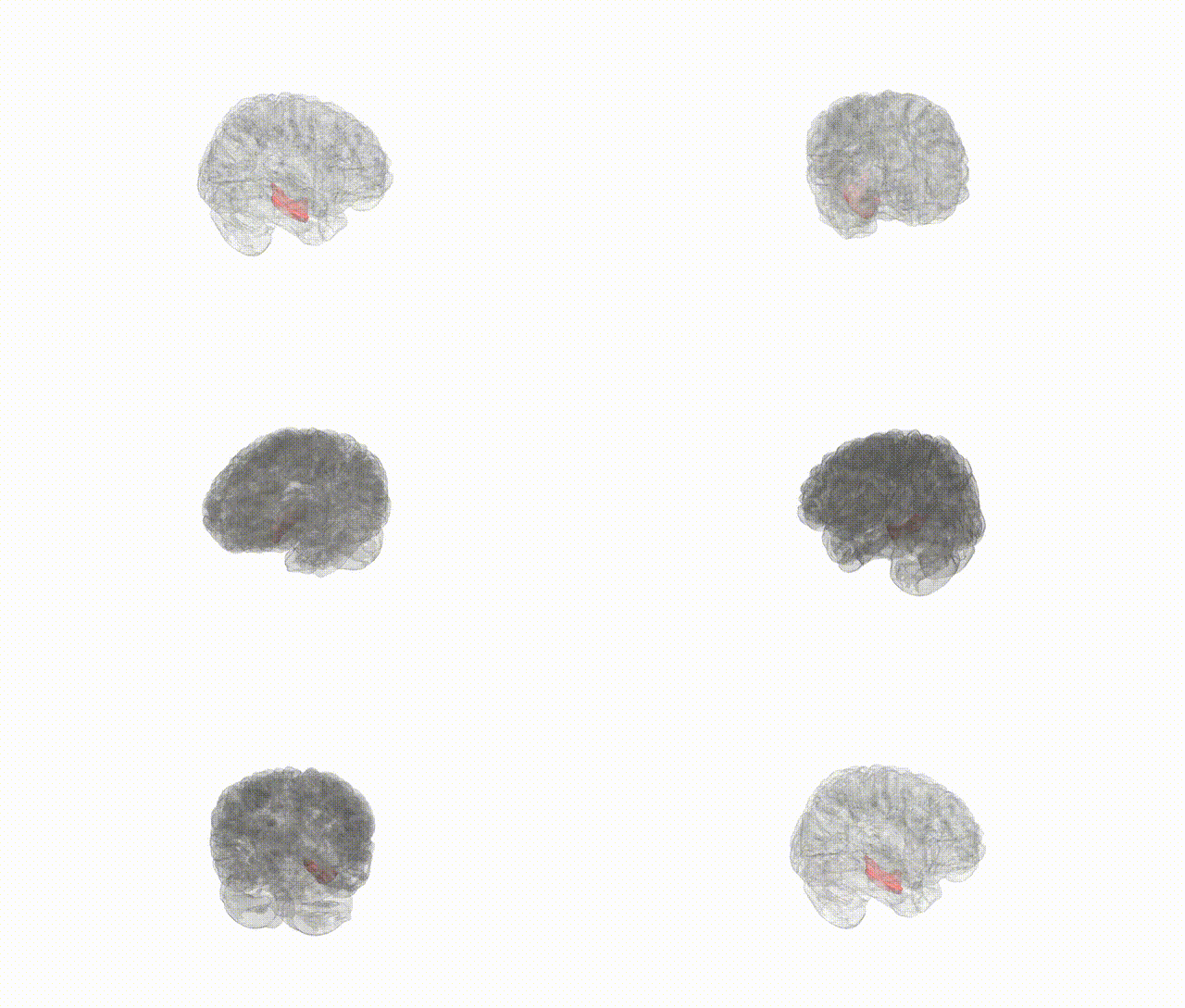
Full Quality Version: Download MP4
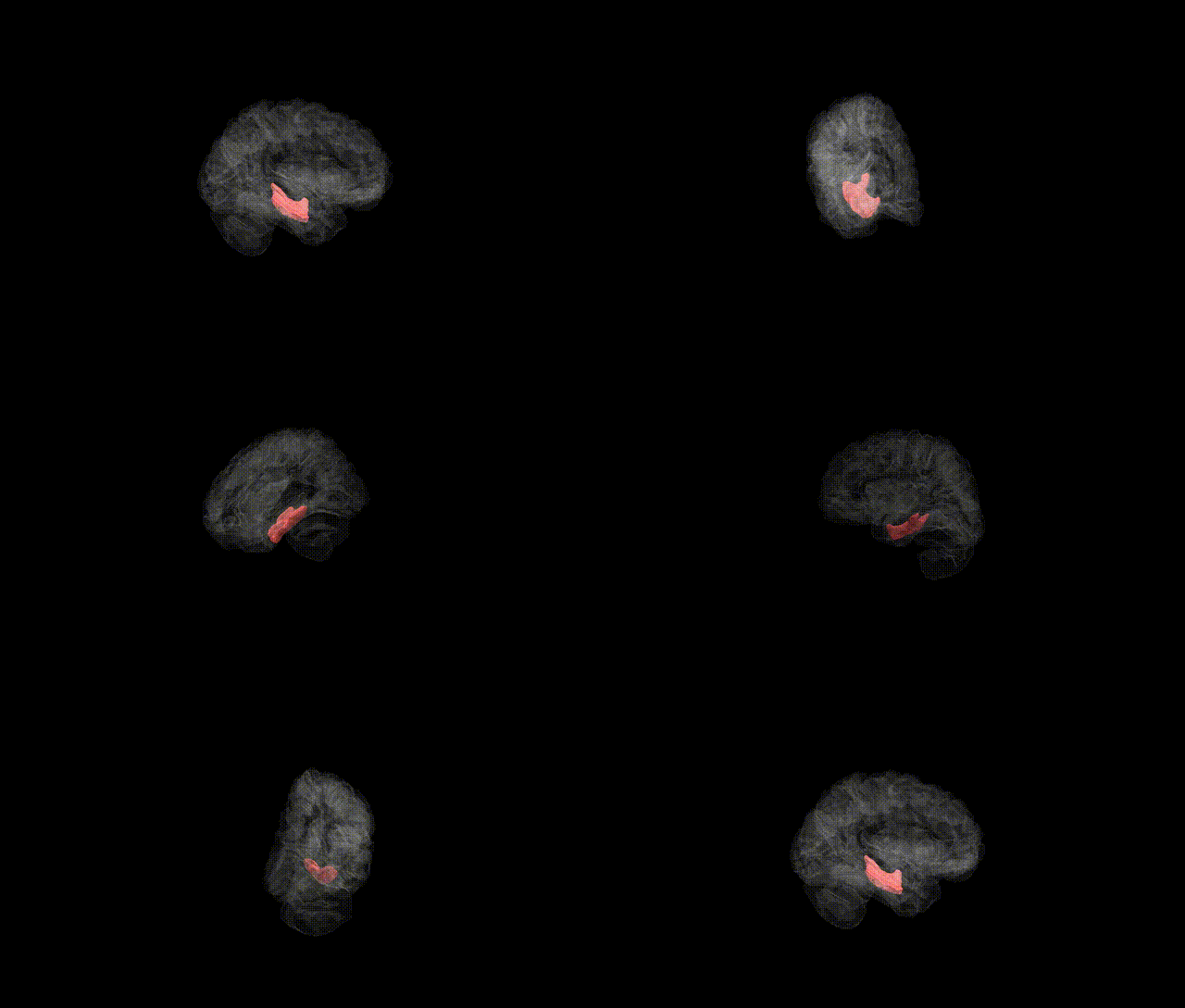
Full Quality Version: Download MP4
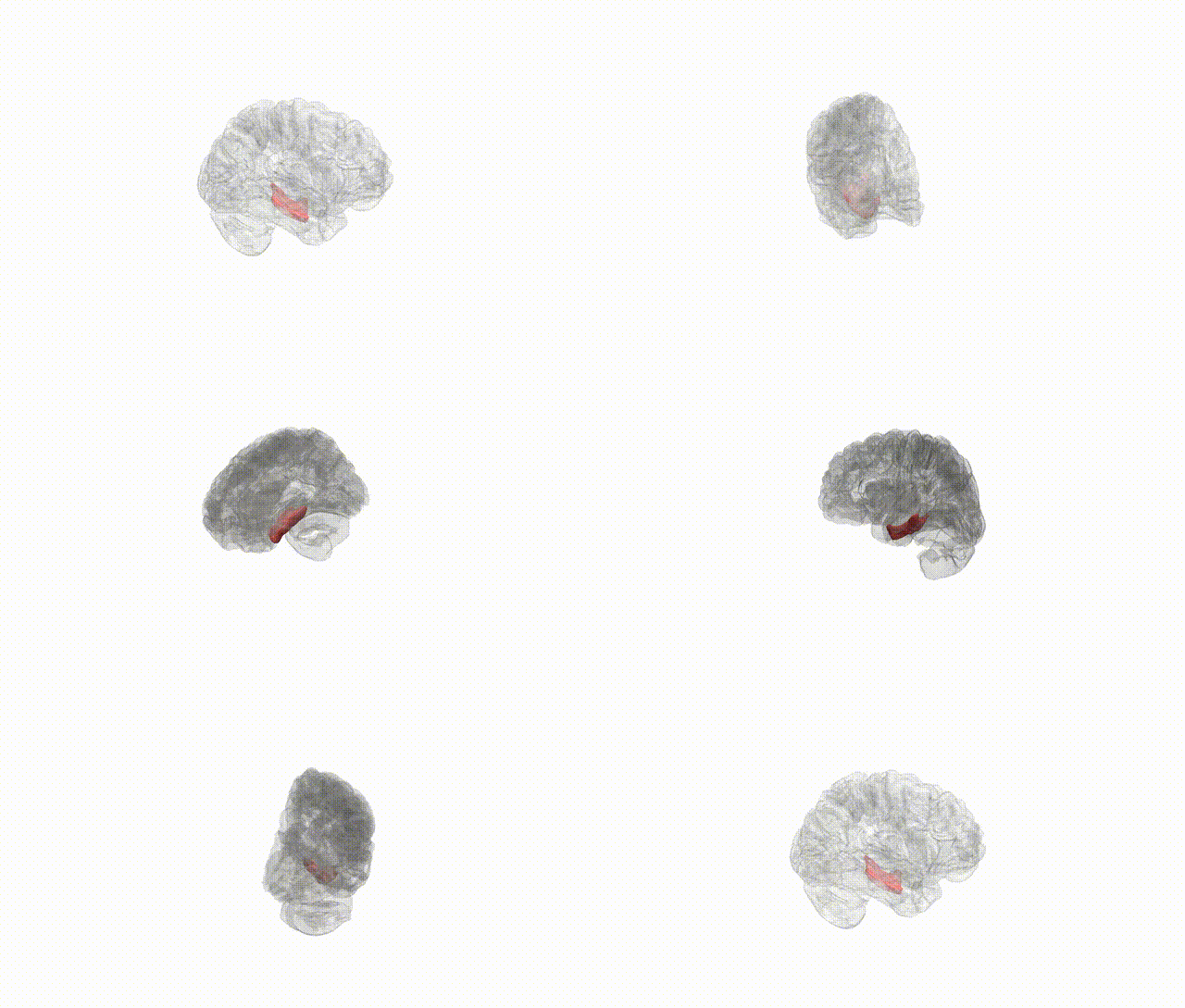
Full Quality Version: Download MP4
Wali Sidiqyar*, Gaurav Rudravaram*, Elyssa M. McMaster, Trent M. Schwartz, Adam M. Saunders, Kurt G. Schilling, Bennett A. Landman "Introducing SPINS: A Shared Public Visualization Library of Neuroanatomical Structures." Medical Imaging with Deep Learning- short paper
This resource is licensed under CC0 1.0 Universal (Public Domain).