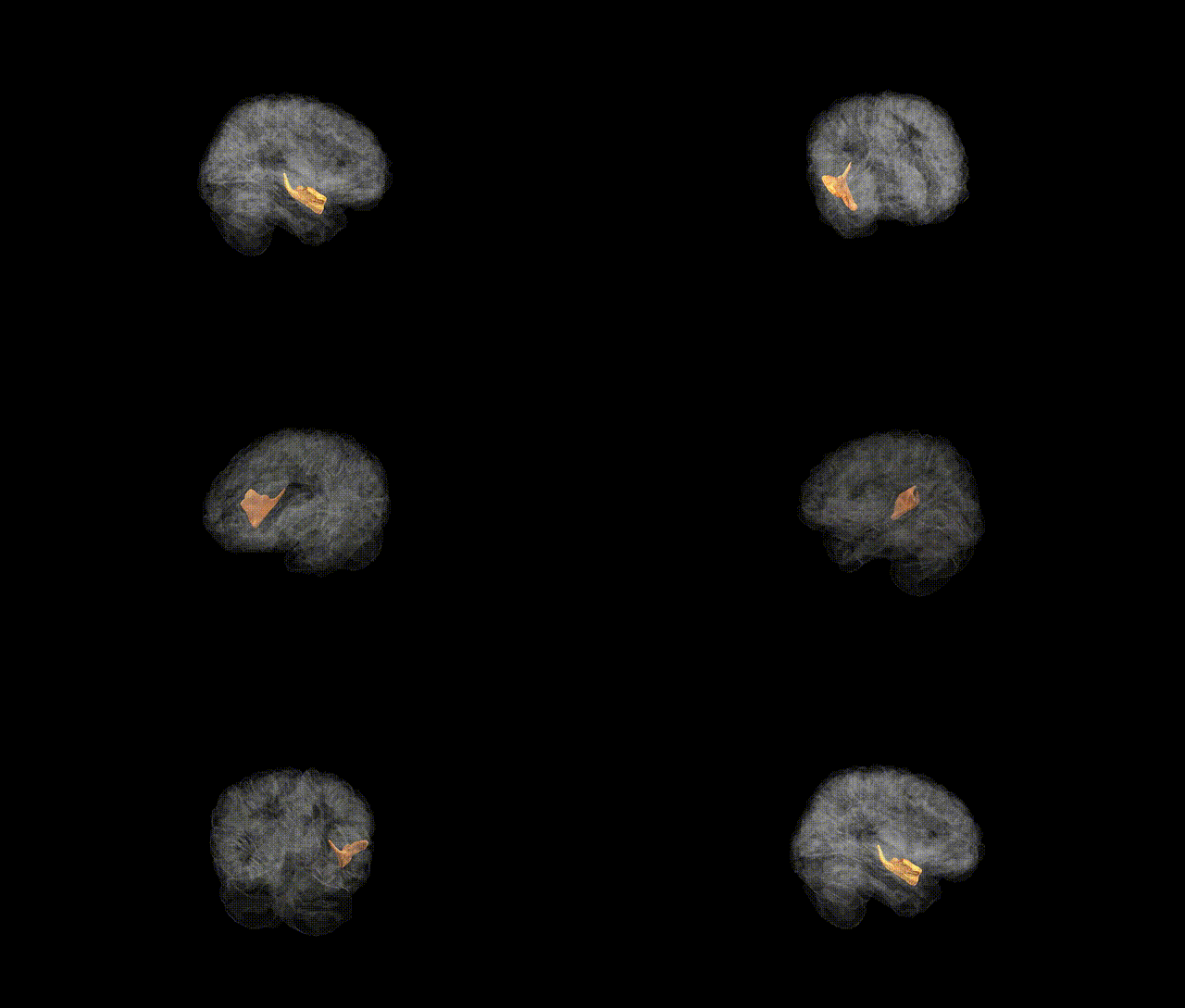
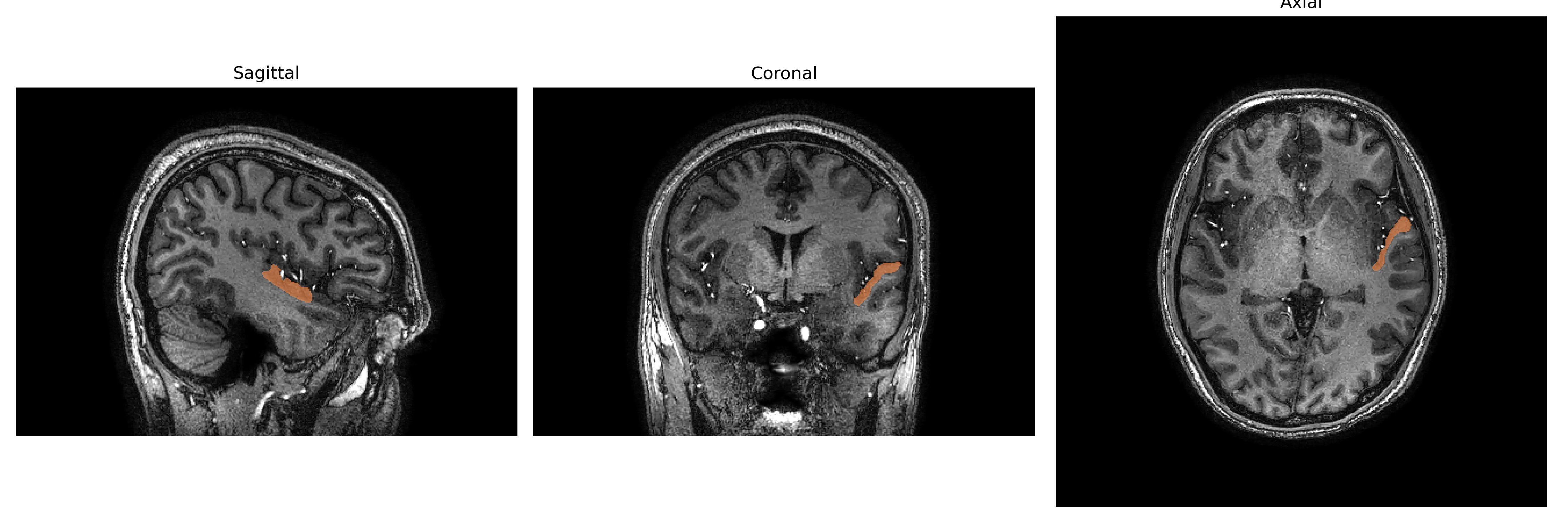
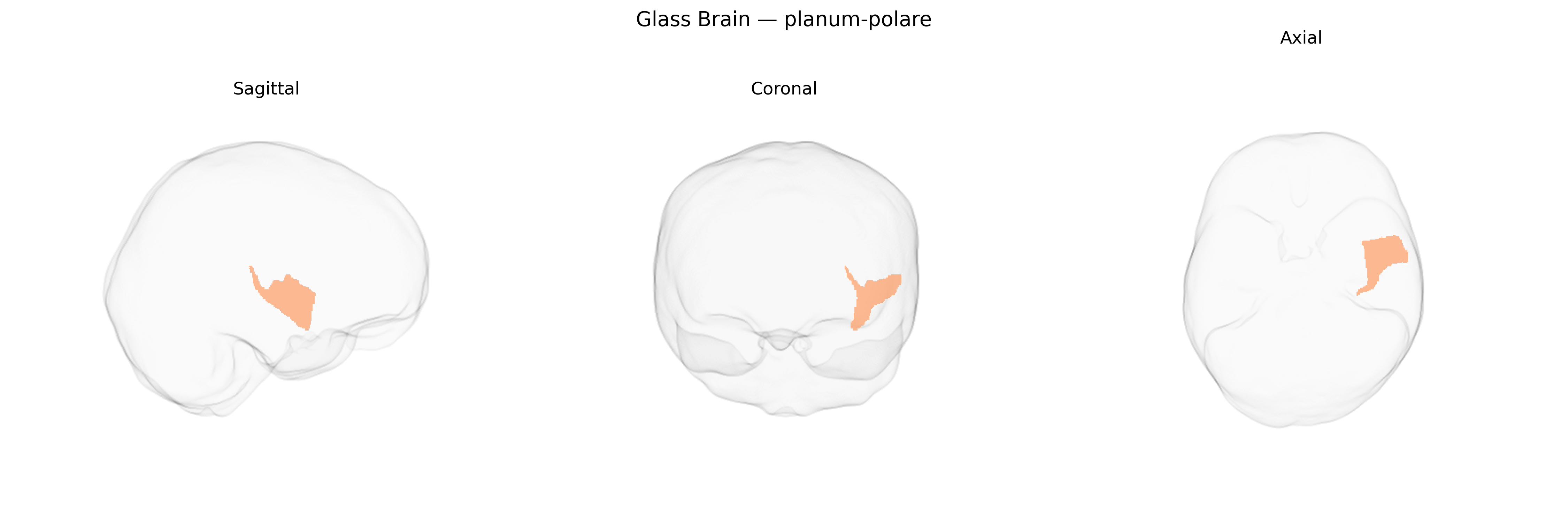
The Left planum polare is a cortical region located anterior to Heschl’s gyrus on the superior temporal plane of the left temporal lobe, forming part of the auditory association cortex and closely related to language-processing networks. It lies rostral to the planum temporale and is involved in higher-order analysis of complex sounds, including spectral and temporal features of speech and music. Cytoarchitectonically, it corresponds predominantly to non-primary auditory areas, receiving input from primary auditory cortex and projecting to multimodal temporal and frontal regions. Functionally, the Left planum polare shows strong activation during auditory object recognition, prosodic and melodic processing, and aspects of semantic integration, and it participates in left-lateralized networks that support speech perception and comprehension. There is no direct link for this specific subdivision; see the related structure Superior temporal gyrus.
The left planum polare, an anterolateral temporal lobe region implicated in auditory and language processing, has shown modest but notable genetic associations in imaging genetics and GWAS of brain structure and function, although it is less frequently isolated than neighboring regions such as Heschl’s gyrus or the planum temporale. Large-scale ENIGMA and UK Biobank studies of cortical thickness and surface area have identified common variants in genes involved in neurodevelopment, synaptic organization, and axon guidance (for example, loci near genes such as DCC, GRIN2A, and FOXP2-related networks) that influence temporal lobe morphology, including regions overlapping or adjacent to the planum polare. Polygenic scores for schizophrenia, bipolar disorder, and major depression have been associated with structural and functional variation in superior temporal and adjacent auditory association cortices, suggesting shared genetic liability that may extend to the planum polare, particularly in relation to auditory hallucinations and language disturbances. GWAS of language, musical aptitude, and auditory processing traits have also implicated temporal association cortices and genes involved in cortical patterning and auditory circuitry (e.g., KIAA0319 and CNTNAP2-related pathways), although direct, high-confidence SNP associations specifically labeled to the “left planum polare” remain sparse due to atlas and parcellation differences. Overall, current genetic evidence points to a polygenic architecture involving general neurodevelopmental and language-related pathways that shape the structure and function of the broader superior temporal and planum regions encompassing the left planum polare, rather than highly specific, region-exclusive genetic effects.
Overview generated by GPT-4o (2026).
Region ID: 97
Hemisphere: Left
Atlas: brainCOLOR
Full Quality Version: Download MP4
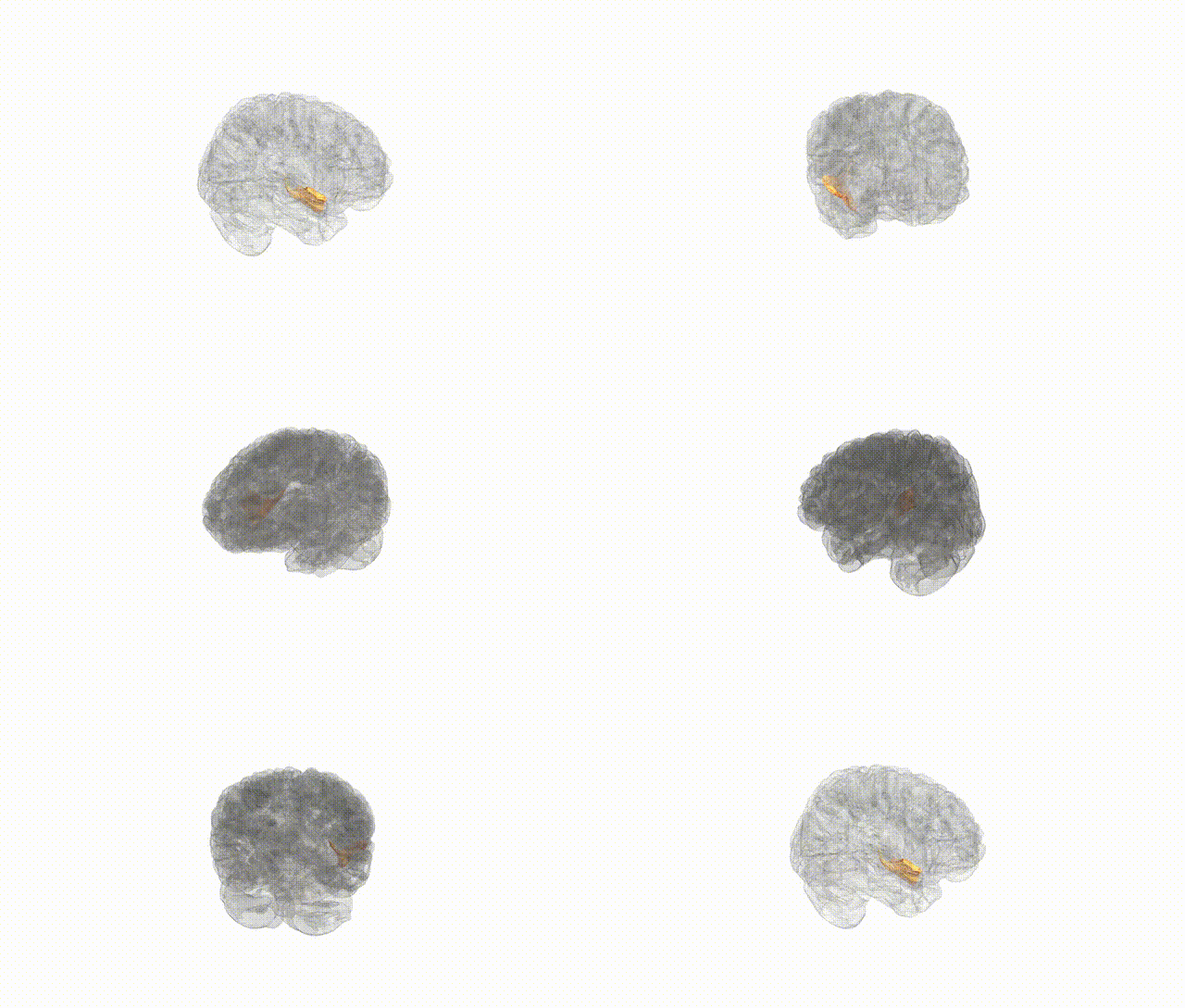
Full Quality Version: Download MP4
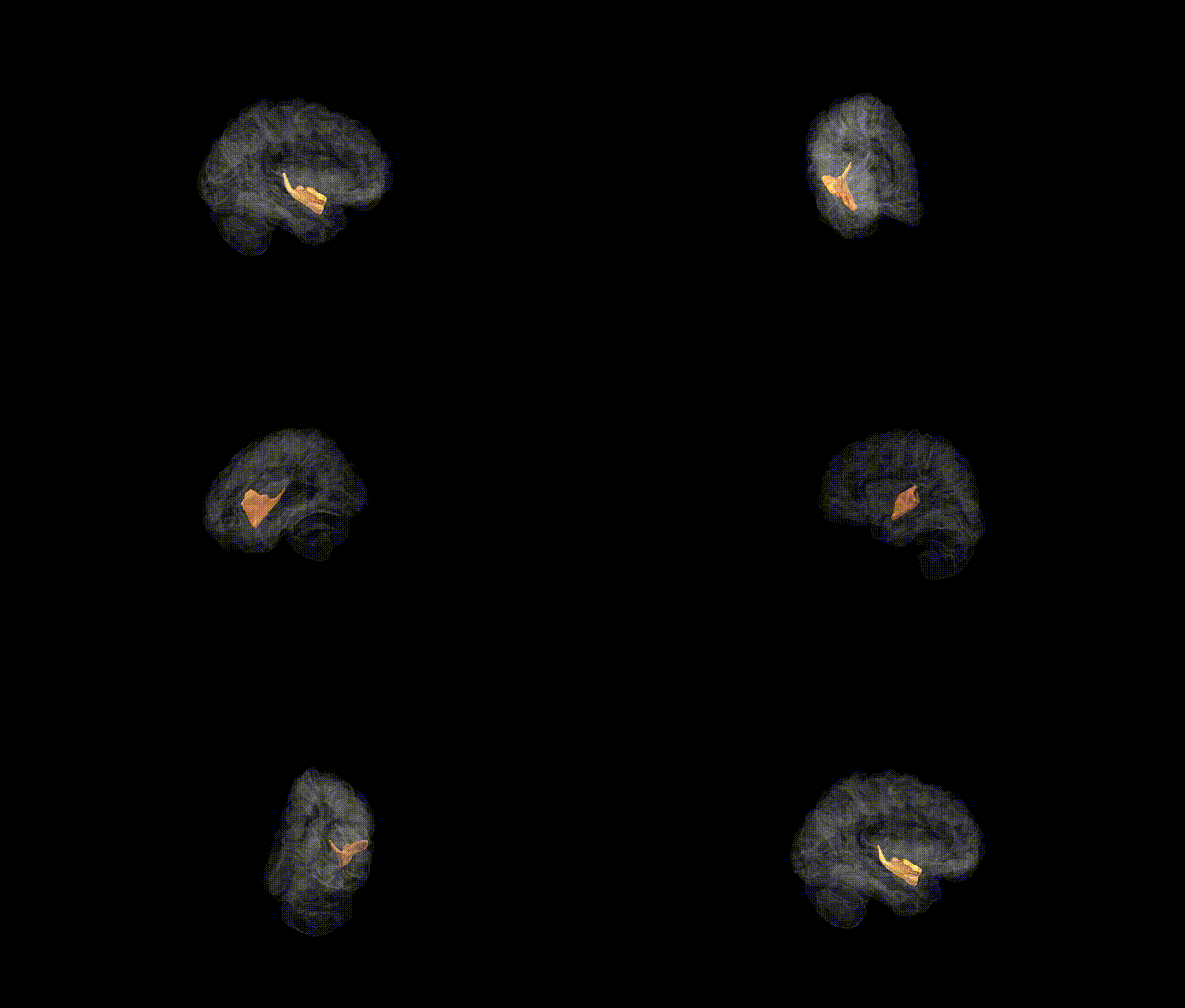
Full Quality Version: Download MP4
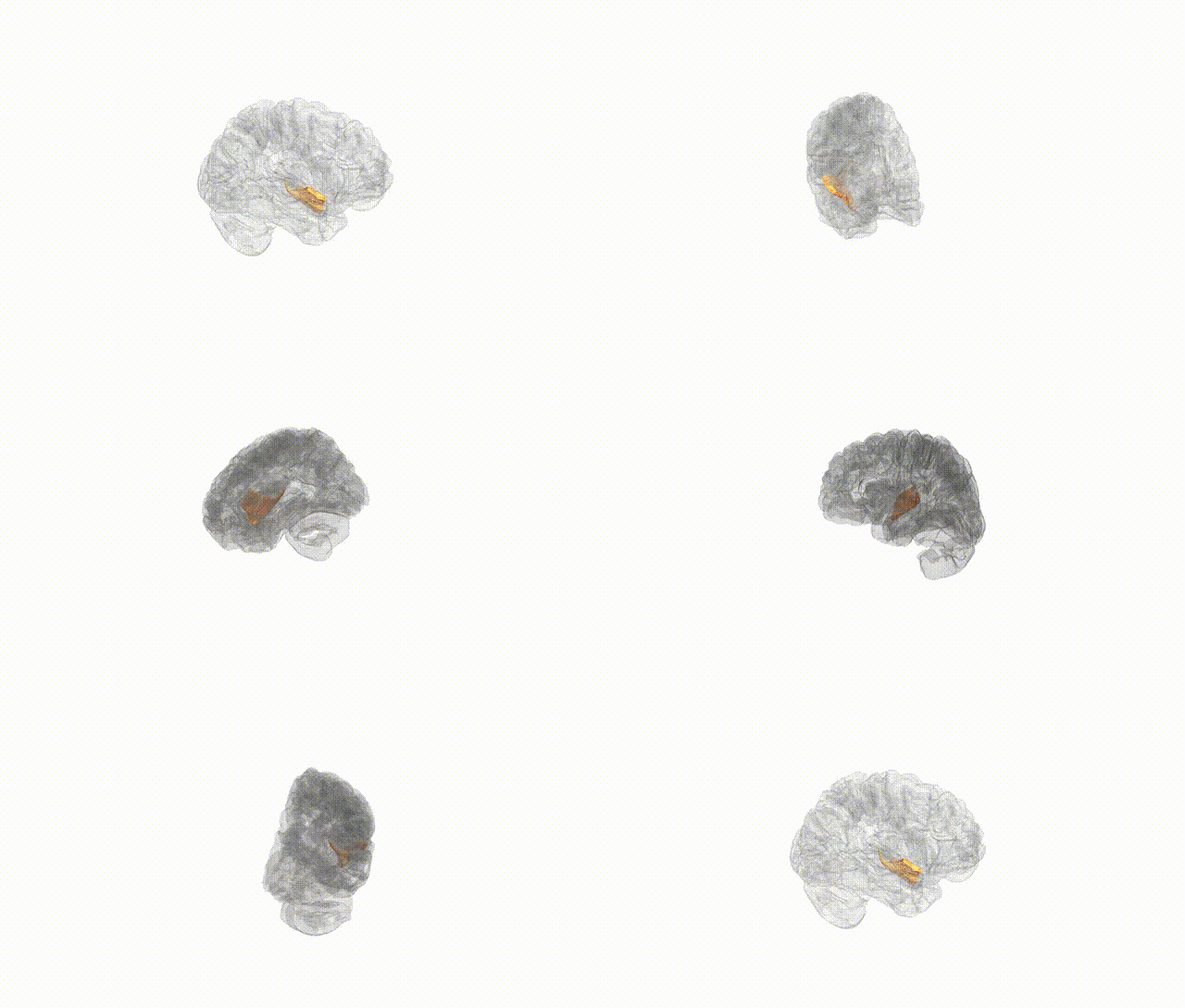
Full Quality Version: Download MP4
Wali Sidiqyar*, Gaurav Rudravaram*, Elyssa M. McMaster, Trent M. Schwartz, Adam M. Saunders, Kurt G. Schilling, Bennett A. Landman "Introducing SPINS: A Shared Public Visualization Library of Neuroanatomical Structures." Medical Imaging with Deep Learning- short paper
This resource is licensed under CC0 1.0 Universal (Public Domain).