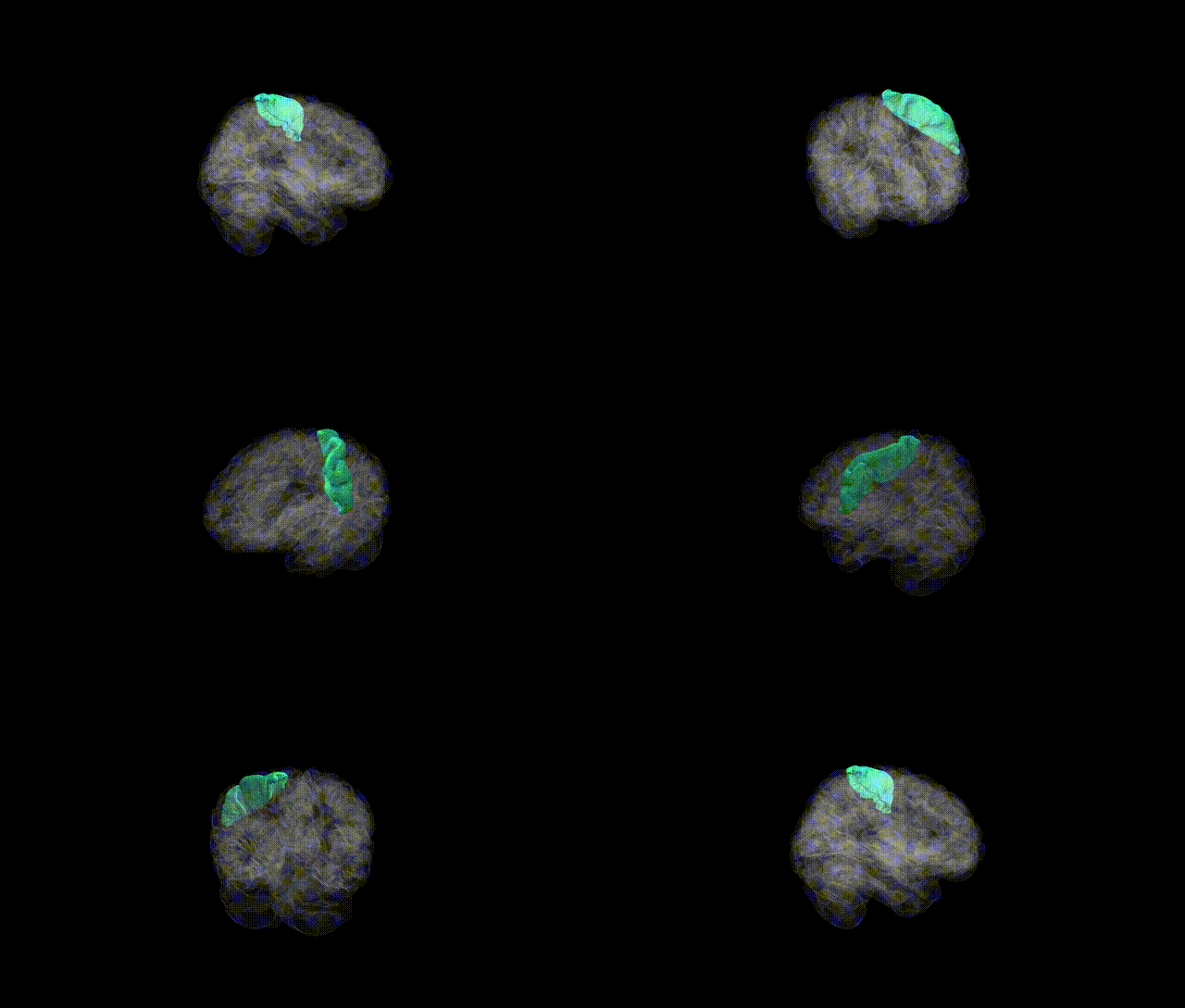
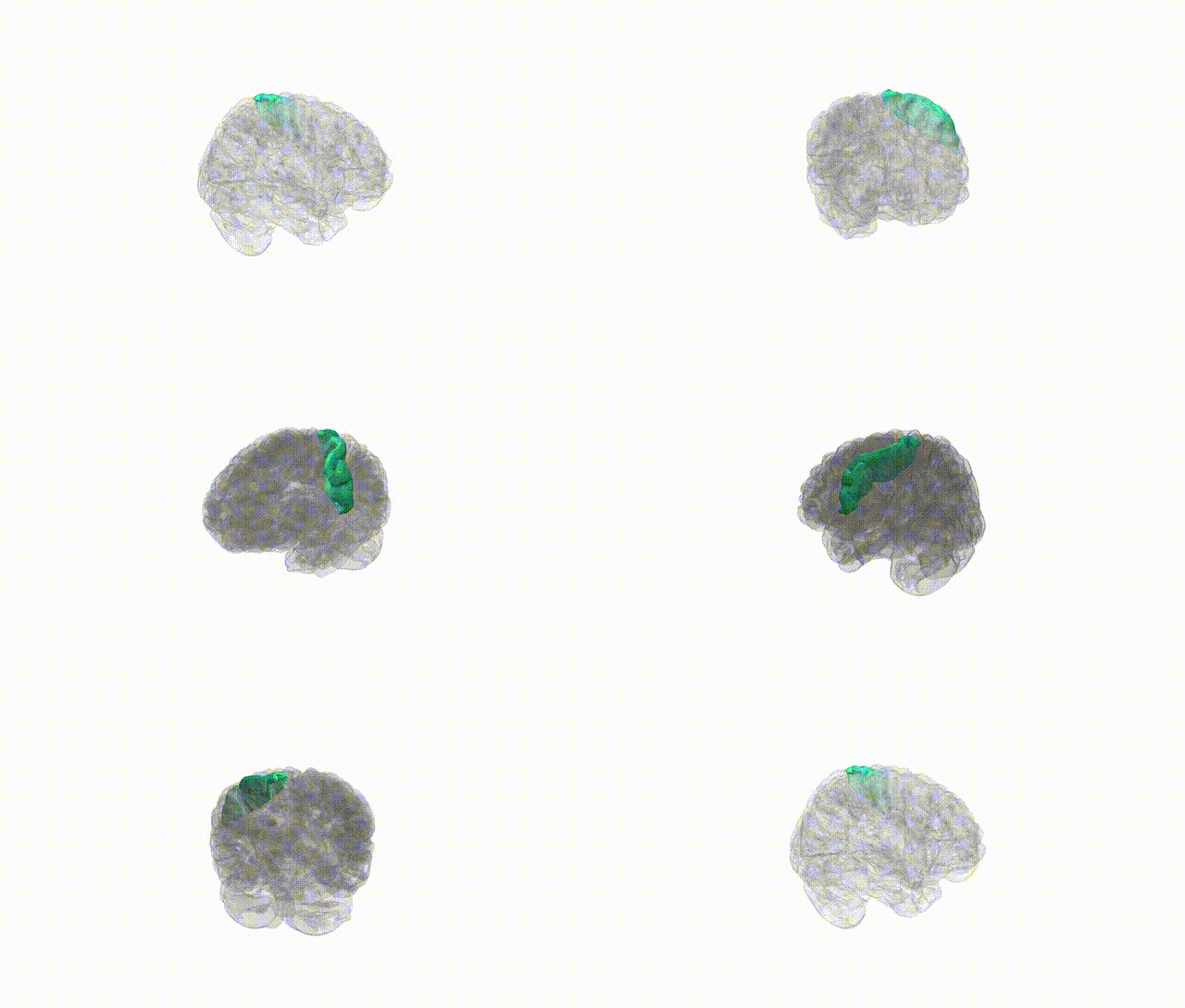
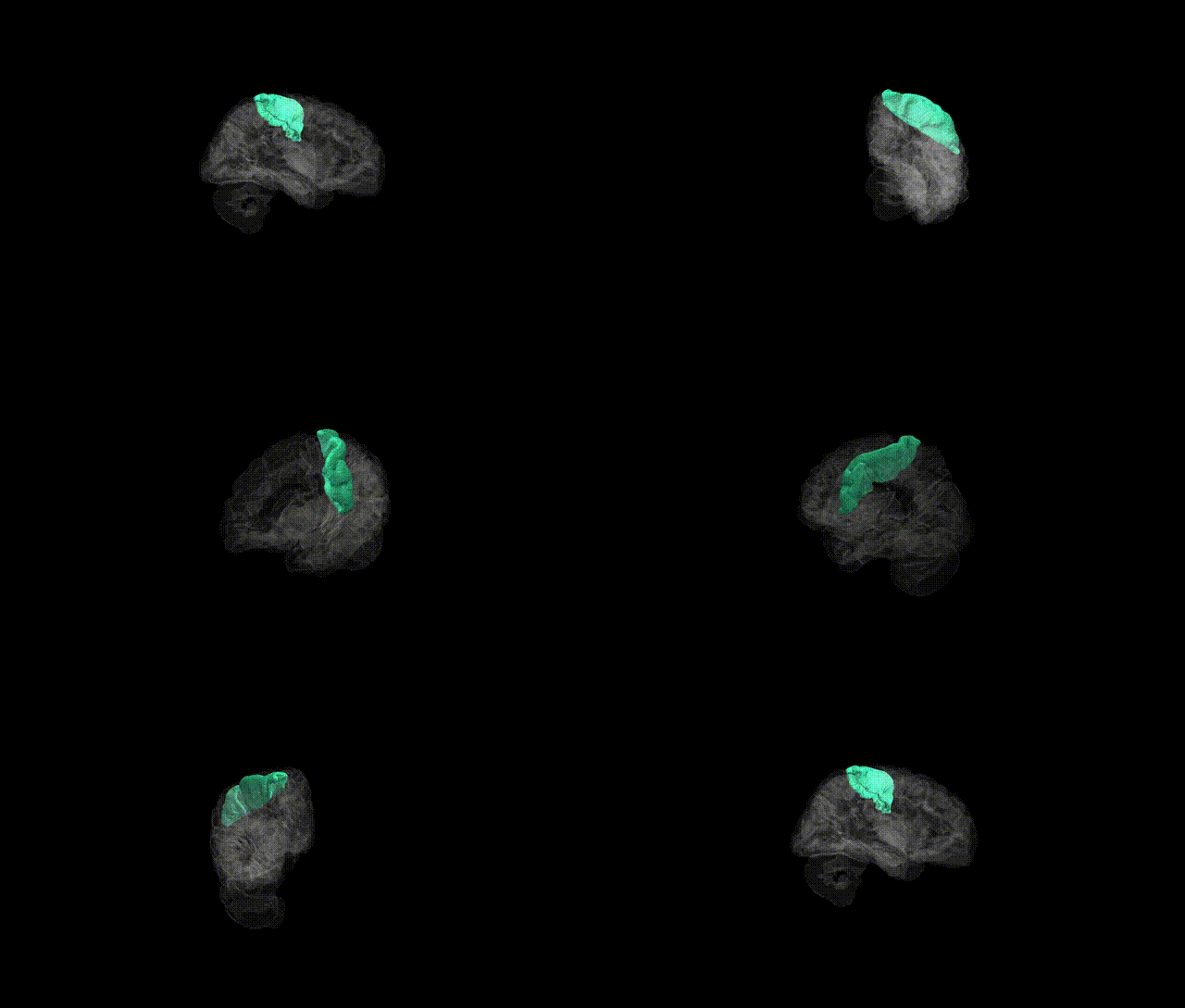
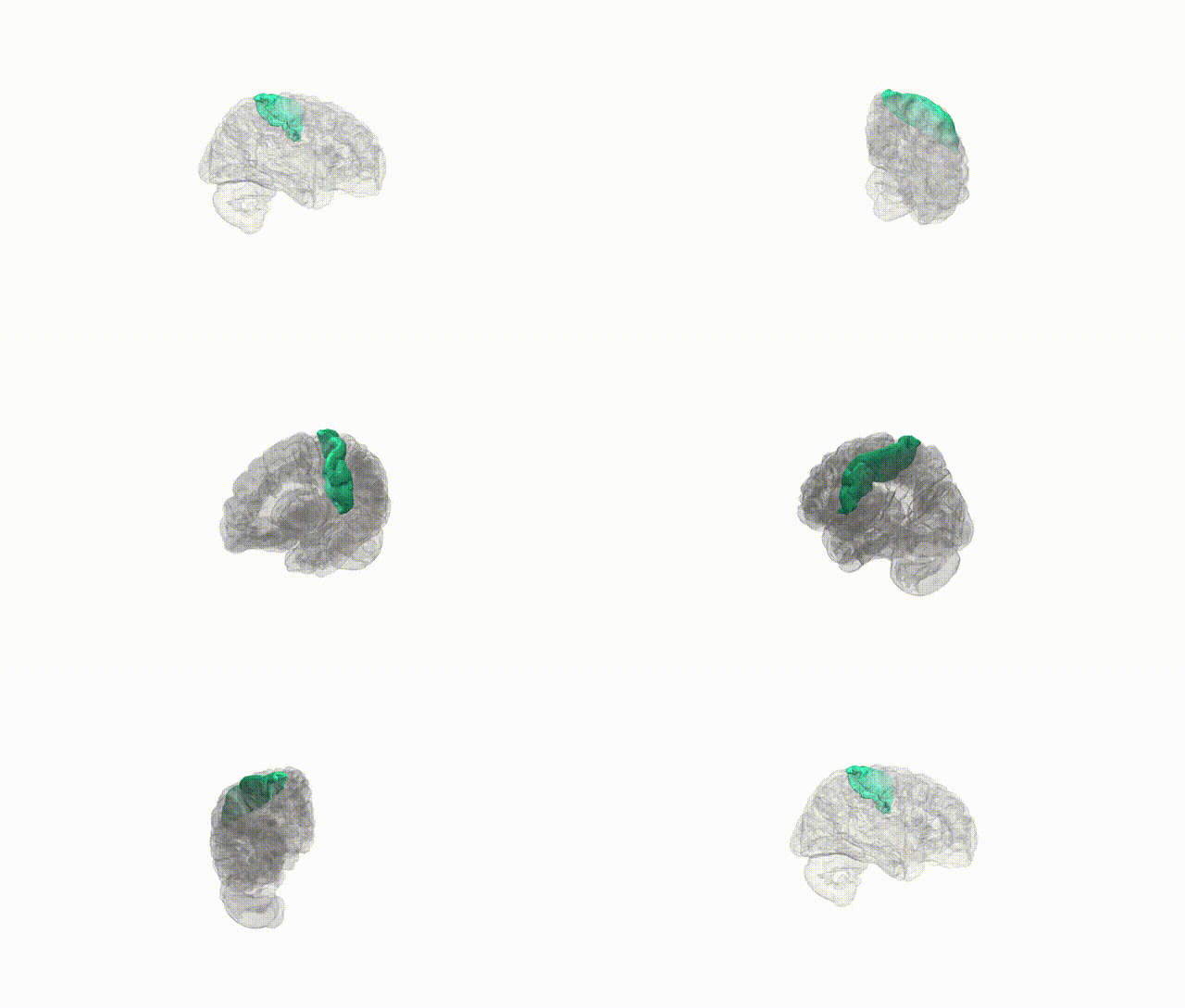
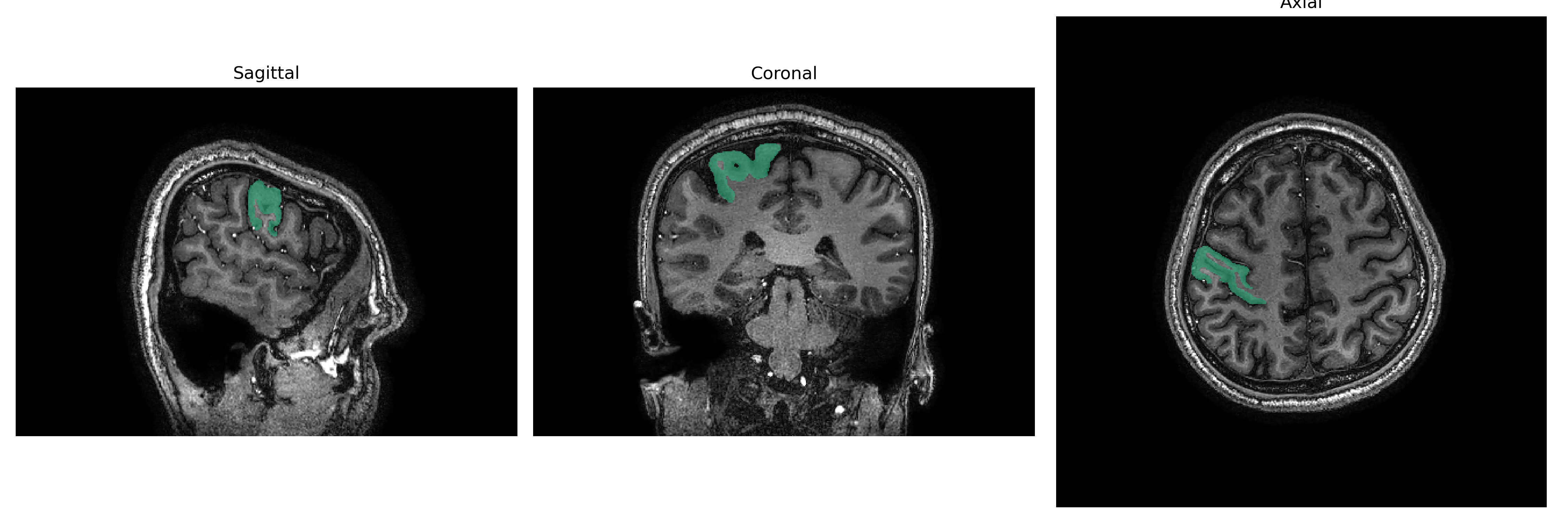
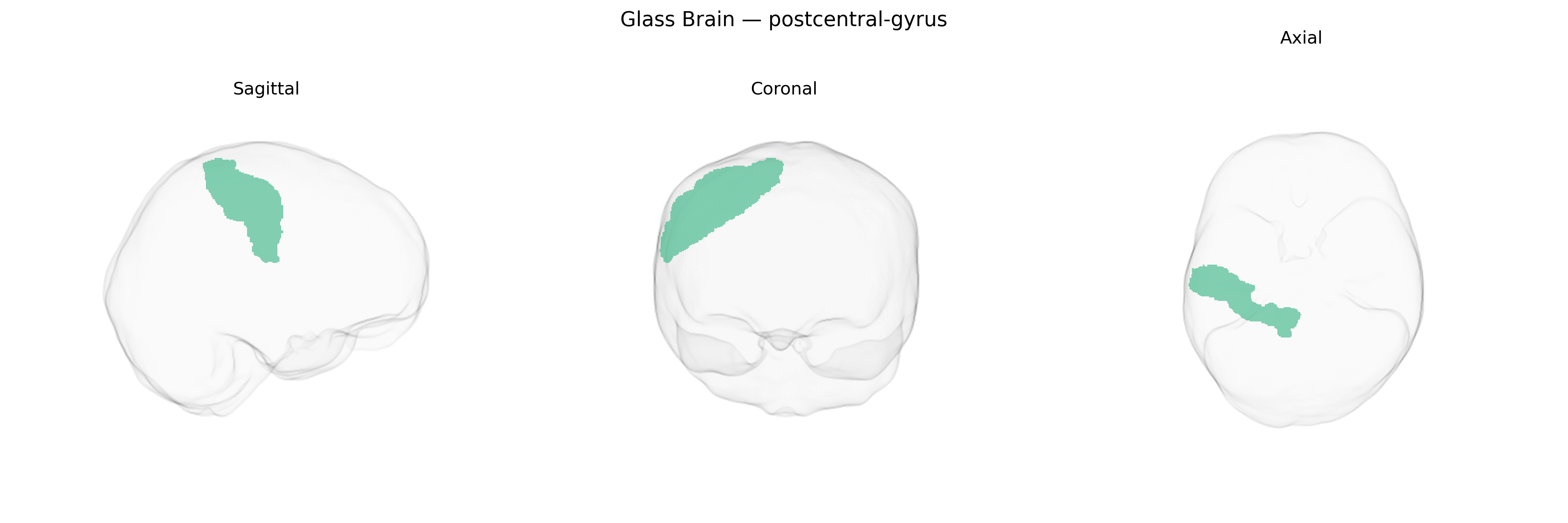
The right postcentral gyrus is the cortical strip in the posterior portion of the right parietal lobe that constitutes the primary somatosensory cortex (Brodmann areas 3, 1, and 2). It receives dense thalamocortical input from the ventral posterior nuclei of the thalamus and is somatotopically organized, forming part of the sensory homunculus representing contralateral body surfaces, including tactile, proprioceptive, and nociceptive information. Neurons within this gyrus integrate cutaneous and deep sensory signals to encode stimulus location, intensity, and quality, contributing to body schema, fine tactile discrimination, and sensorimotor integration in conjunction with adjacent parietal and frontal regions. Lesions of the right postcentral gyrus can produce contralateral sensory deficits such as numbness, impaired two-point discrimination, and astereognosis, and, when involvement extends into higher-order parietal areas, may contribute to hemispatial neglect.
Postcentral gyrus
The right postcentral gyrus, corresponding to primary somatosensory cortex in the brainCOLOR atlas, has been implicated in several genetic and GWAS-based findings primarily through imaging genetics of cortical structure and function rather than direct region-specific GWAS. Large-scale consortia such as ENIGMA and UK Biobank imaging studies have identified common variants in genes involved in neurodevelopment, synaptic function, and cell adhesion (for example, MIR137, HMGA2, KIAA0586, and genes in Wnt and axon-guidance pathways) that associate with cortical thickness, surface area, or volume in postcentral regions, often bilaterally but sometimes with right-lateralized effects. Variants influencing intracranial volume and global cortical measures (e.g., in HMGA2 and IGF1-related loci) show downstream associations with somatosensory areas including the right postcentral gyrus. GWAS of resting-state and task-based functional MRI have linked polygenic risk for schizophrenia, autism spectrum disorder, and ADHD to altered activation or connectivity patterns involving postcentral cortex, although these effects are typically part of distributed networks rather than specific to this single region. Structural and functional alterations of the postcentral gyrus have also been reported in genetic epilepsies and neurodevelopmental disorders, but these are usually mediated by broad neurodevelopmental risk variants rather than loci uniquely tied to the right postcentral gyrus. Overall, current genetic evidence supports a polygenic and network-level influence on the right postcentral gyrus, embedded in general mechanisms of cortical development, sensory processing, and neuropsychiatric risk, rather than a set of region-exclusive genetic associations.
Overview generated by GPT-4o (2026).
Region ID: 92
Hemisphere: Right
Atlas: brainCOLOR
Full Quality Version: Download MP4
Full Quality Version: Download MP4
Full Quality Version: Download MP4
Full Quality Version: Download MP4
Wali Sidiqyar*, Gaurav Rudravaram*, Elyssa M. McMaster, Trent M. Schwartz, Adam M. Saunders, Kurt G. Schilling, Bennett A. Landman "Introducing SPINS: A Shared Public Visualization Library of Neuroanatomical Structures." Medical Imaging with Deep Learning- short paper
This resource is licensed under CC0 1.0 Universal (Public Domain).