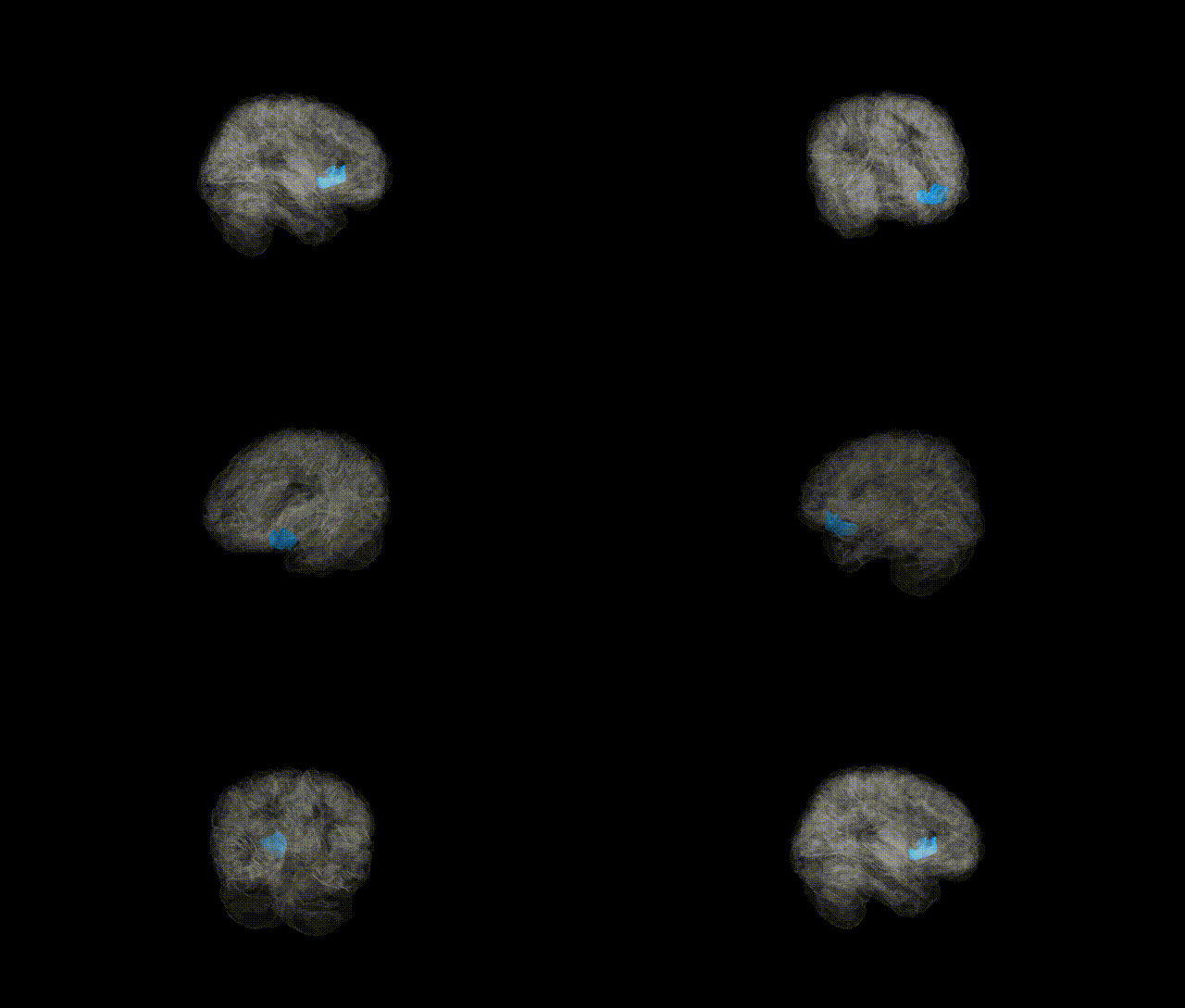
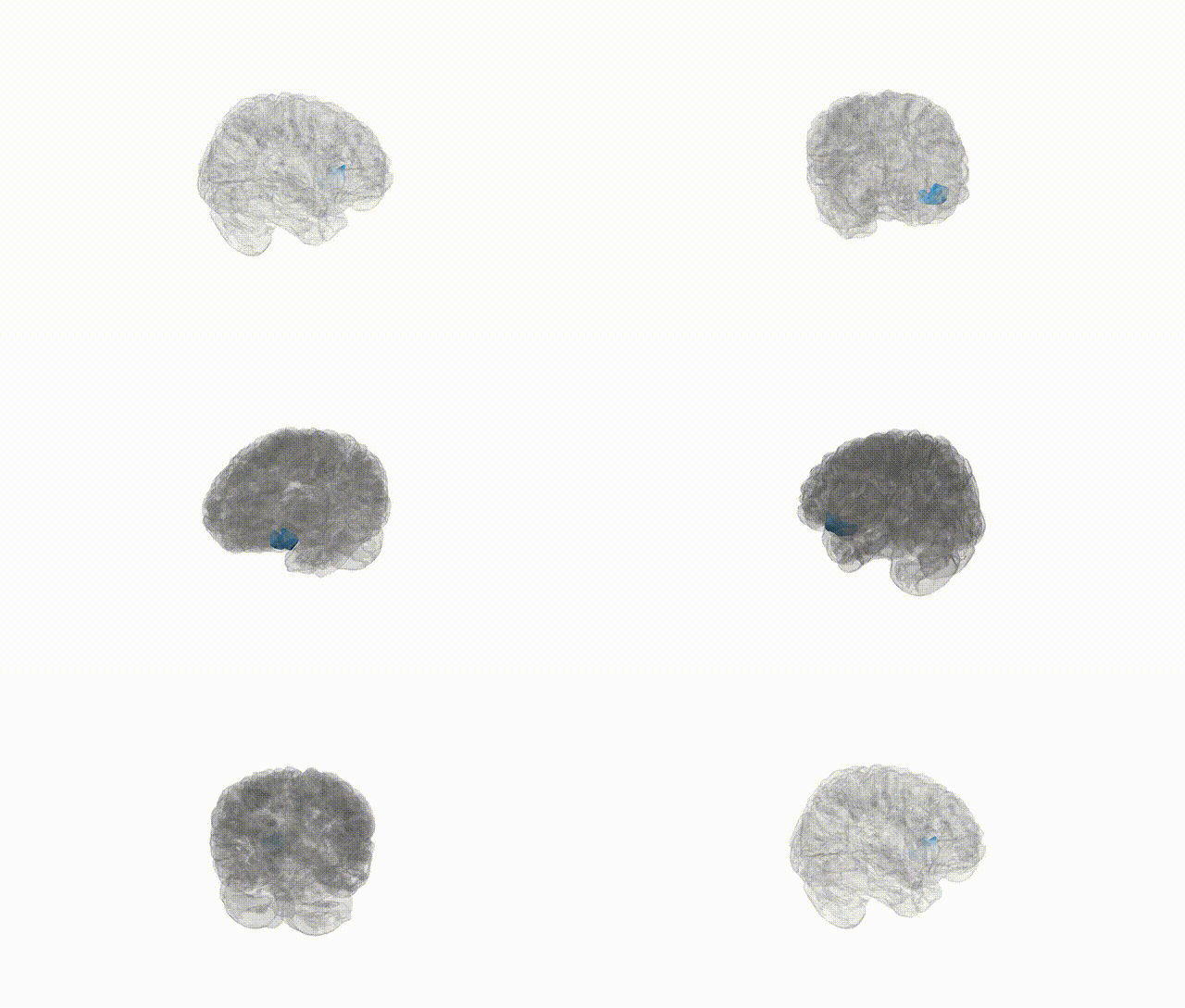
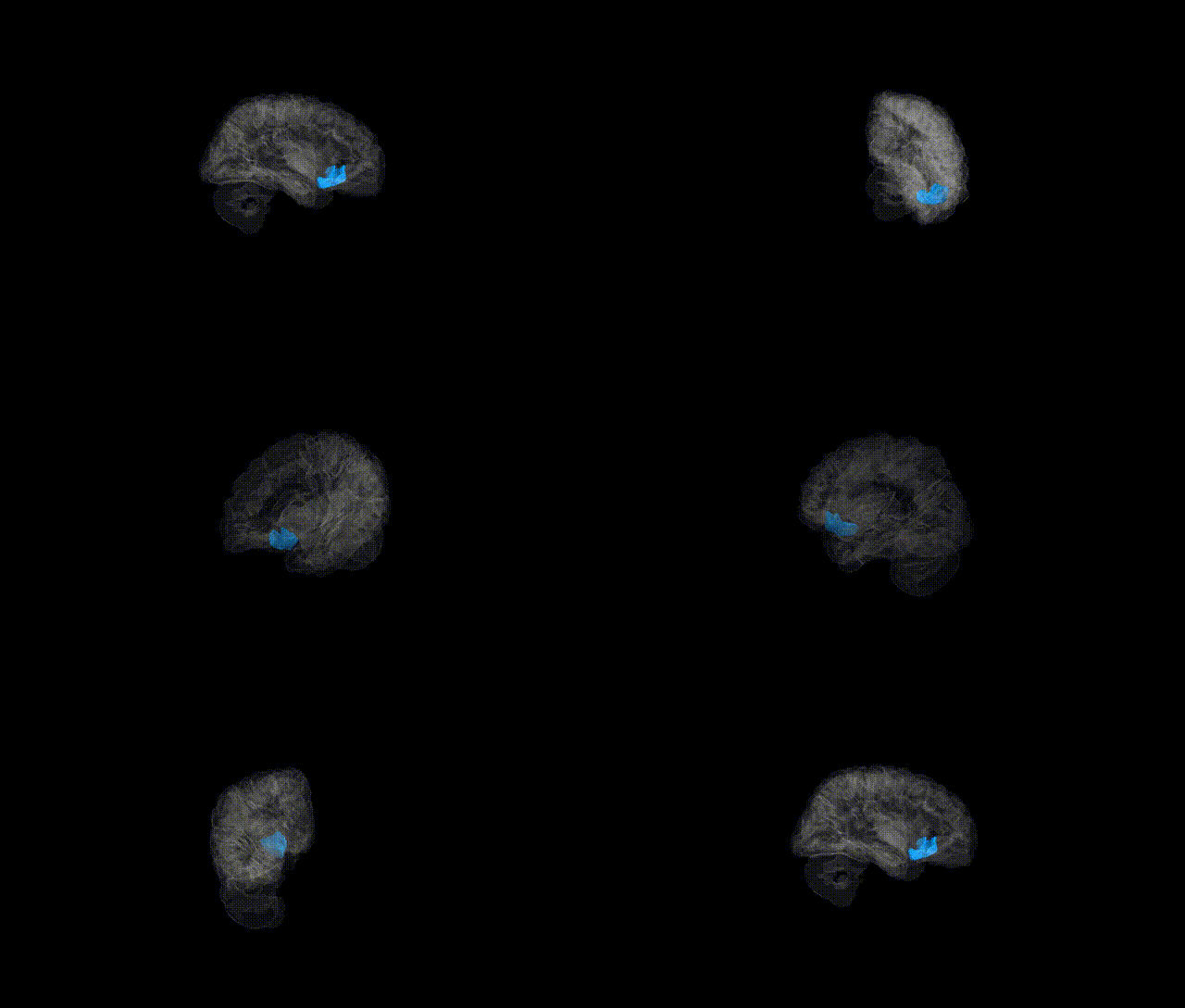
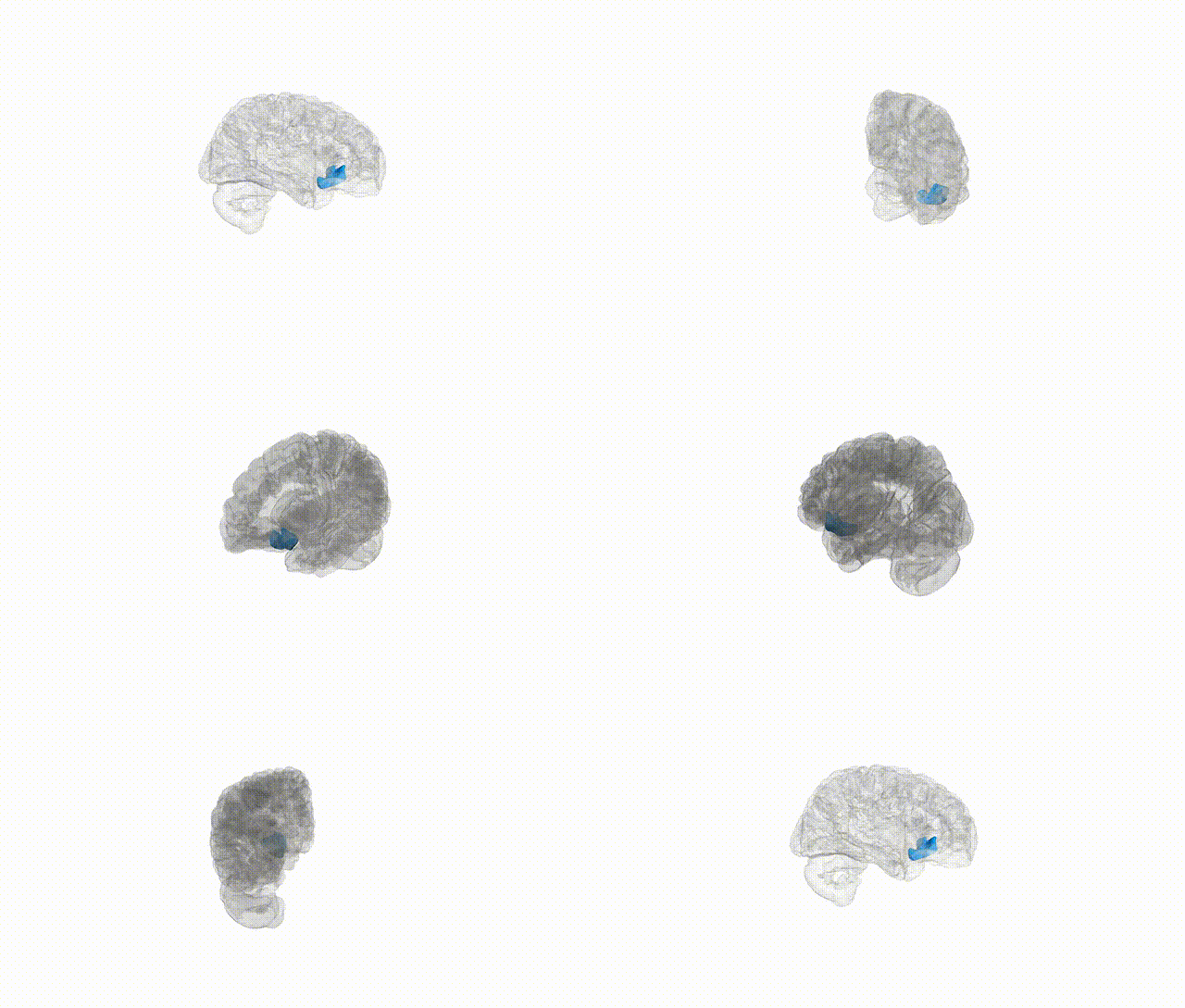
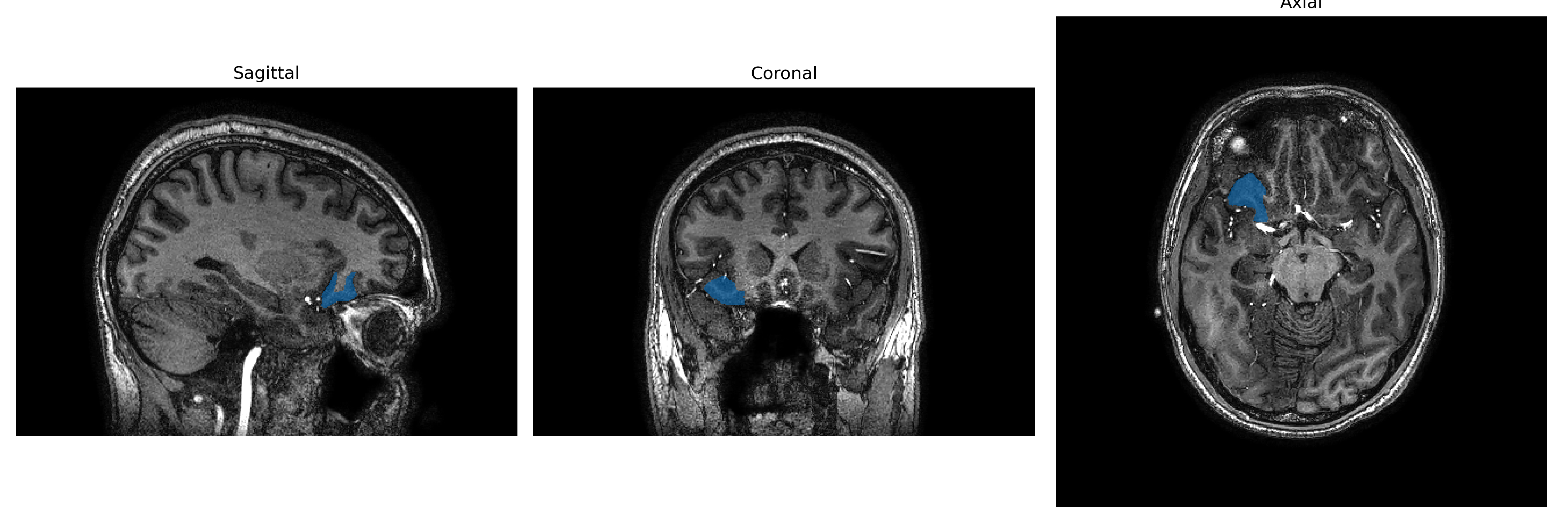
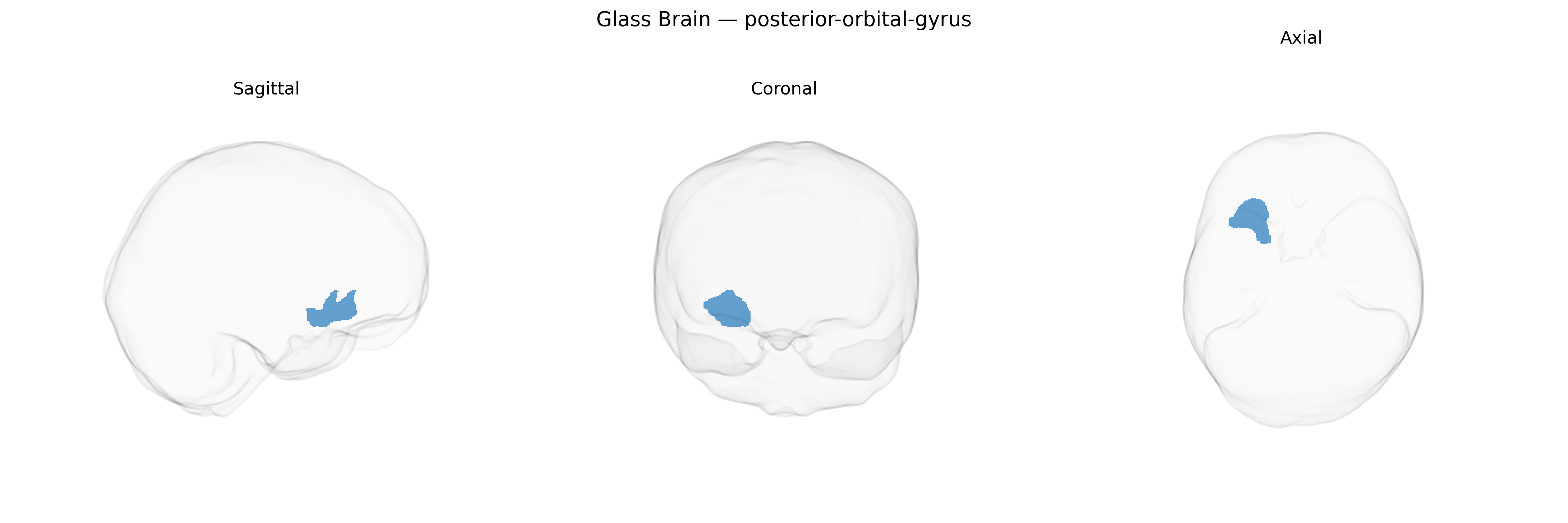
The Right posterior-orbital-gyrus, as defined in the brainCOLOR atlas, refers to cortex on the orbital (ventral) surface of the right frontal lobe located posteriorly within the orbitofrontal region. This area lies just above the orbits and is involved in higher-order integration of sensory, reward, and emotional information that contributes to decision-making, valuation, and adaptive behavioral control. Cytoarchitectonically, it overlaps with portions of the orbitofrontal cortex, which receives convergent inputs from limbic, sensory, and association areas and projects to subcortical targets such as the striatum and amygdala. Functionally, the posterior orbital portions of the orbitofrontal cortex have been implicated in representing outcome expectancies, updating stimulus–reward contingencies, and modulating autonomic and affective responses based on environmental feedback. There is no direct link for “Right posterior-orbital-gyrus”; a related structure is the Orbitofrontal cortex.
Current large-scale genetic and imaging-genetics resources (e.g., ENIGMA, UK Biobank, and GWAS of cortical structure and function) do not report robust, region-specific genetic associations uniquely attributable to the Right posterior-orbital-gyrus as defined in the brainCOLOR Atlas; instead, genetic findings typically target broader orbitofrontal or ventromedial prefrontal regions that encompass or overlap this parcel. Common variants in genes influencing cortical morphology and connectivity (such as those involved in synaptic development, axon guidance, and neurotransmission) have been linked to orbitofrontal thickness, surface area, or functional activation, which in turn associate with traits including risk-taking, reward sensitivity, impulsivity, and affective symptoms. GWAS of psychiatric disorders—particularly major depressive disorder, bipolar disorder, schizophrenia, and substance use—have repeatedly implicated networks including the orbitofrontal cortex, but these signals arise at the level of genes and pathways rather than single, atlas-specific gyri. Thus, while convergent evidence suggests that genetic variation affecting orbitofrontal circuitry contributes to mood, decision-making, and addiction-related traits, no well-validated GWAS findings currently isolate the Right posterior-orbital-gyrus from neighboring orbitofrontal regions as a distinct genetic association target.
Overview generated by GPT-4o (2026).
Region ID: 94
Hemisphere: Right
Atlas: brainCOLOR
Full Quality Version: Download MP4
Full Quality Version: Download MP4
Full Quality Version: Download MP4
Full Quality Version: Download MP4
Wali Sidiqyar*, Gaurav Rudravaram*, Elyssa M. McMaster, Trent M. Schwartz, Adam M. Saunders, Kurt G. Schilling, Bennett A. Landman "Introducing SPINS: A Shared Public Visualization Library of Neuroanatomical Structures." Medical Imaging with Deep Learning- short paper
This resource is licensed under CC0 1.0 Universal (Public Domain).