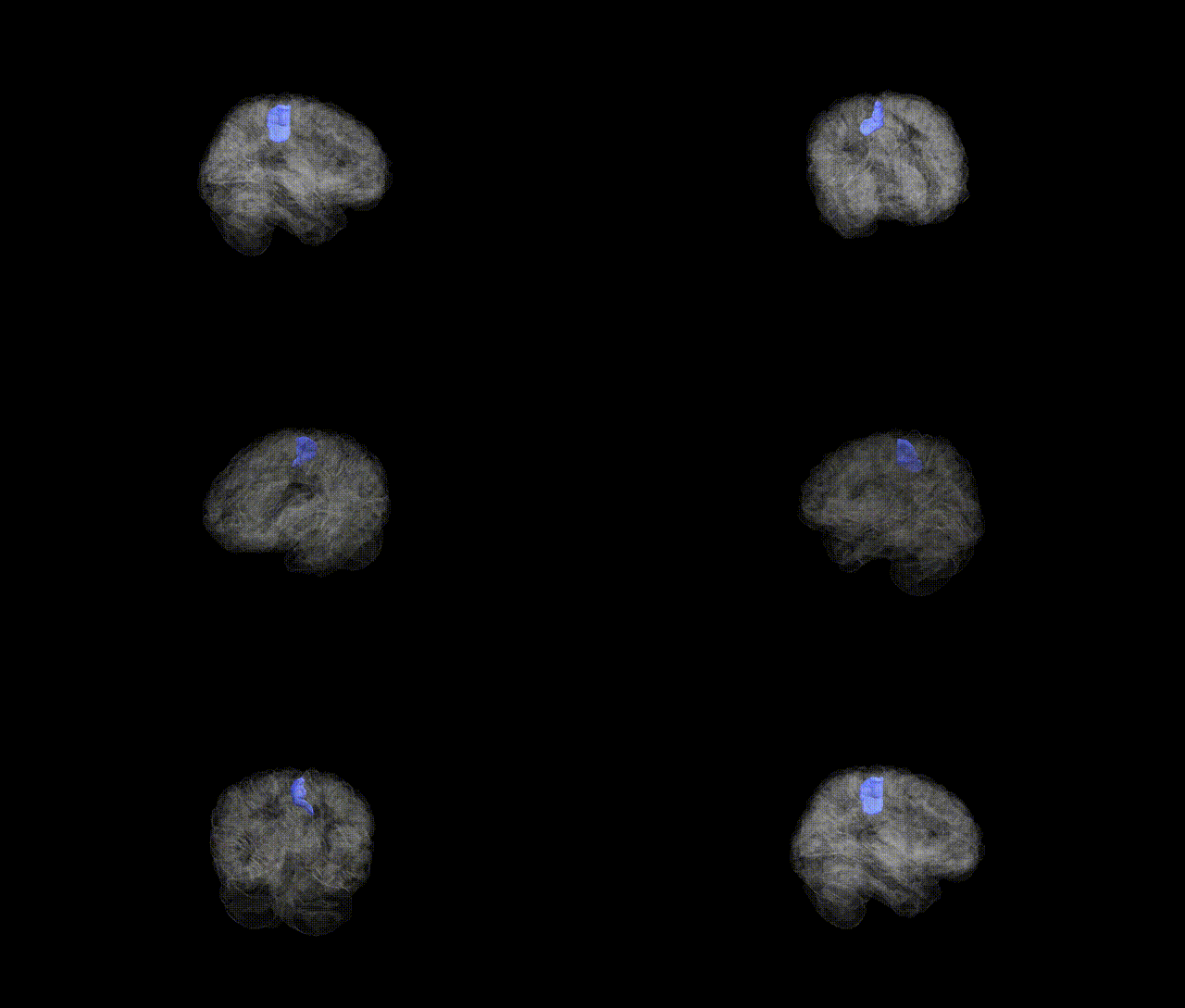
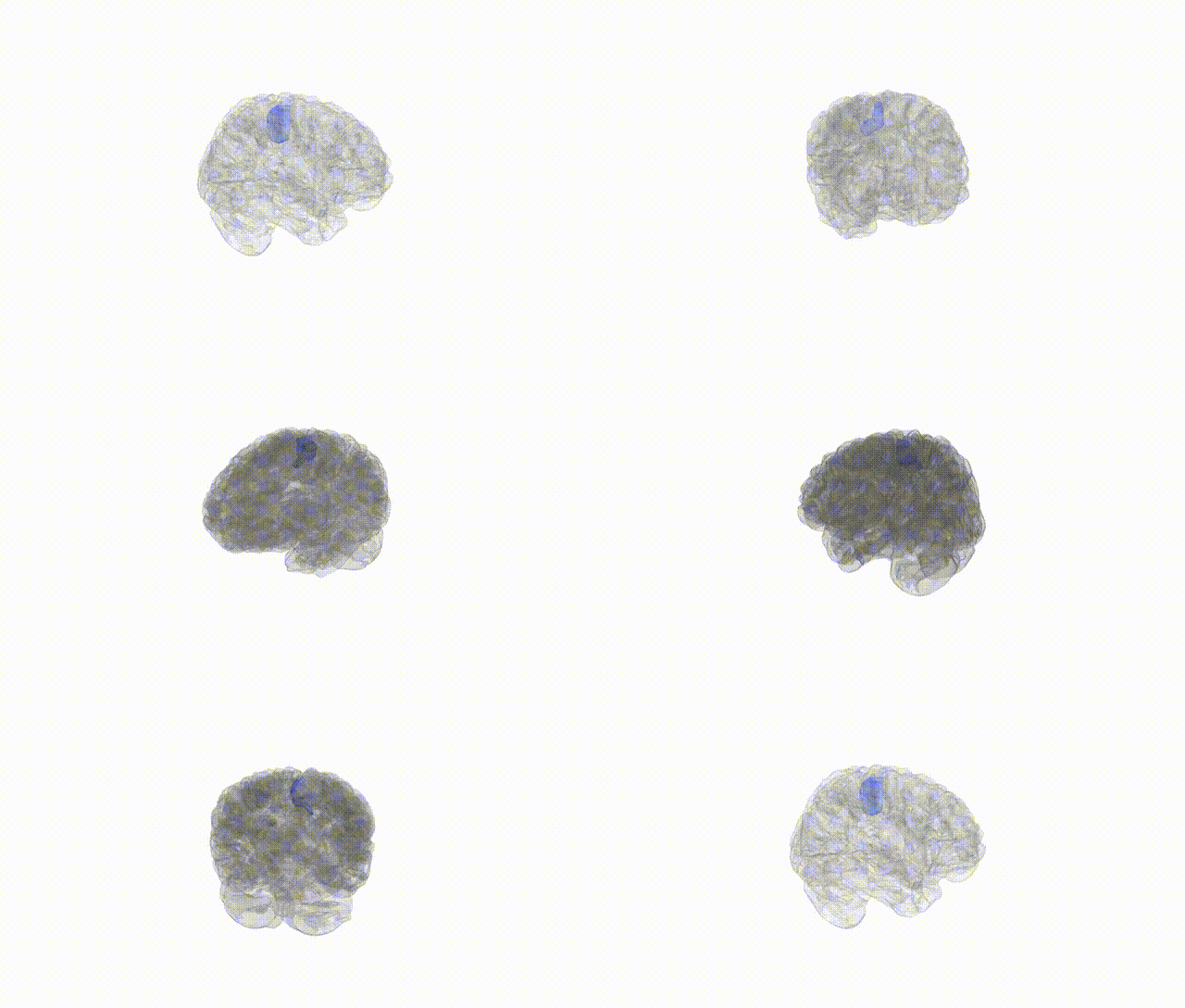
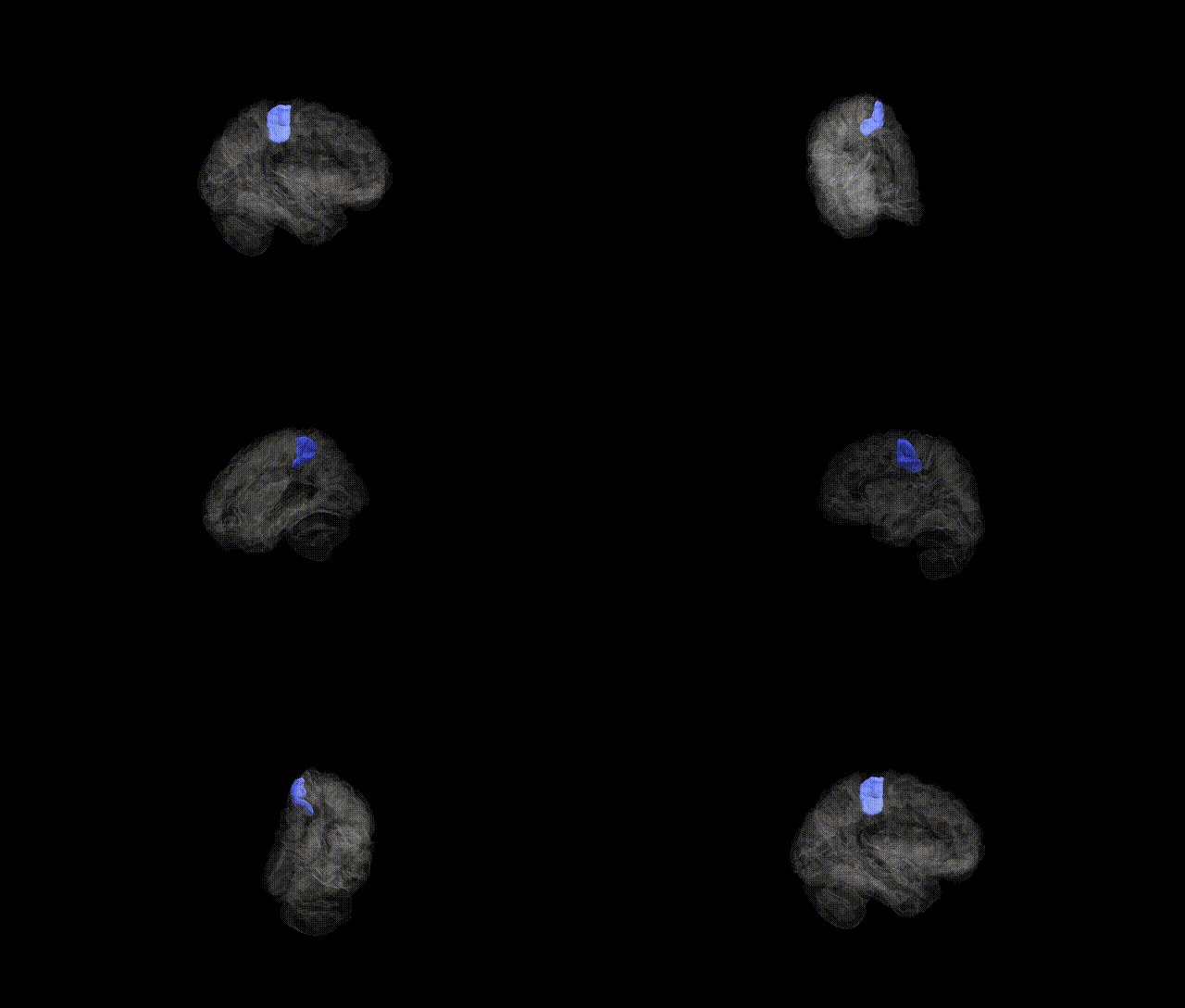
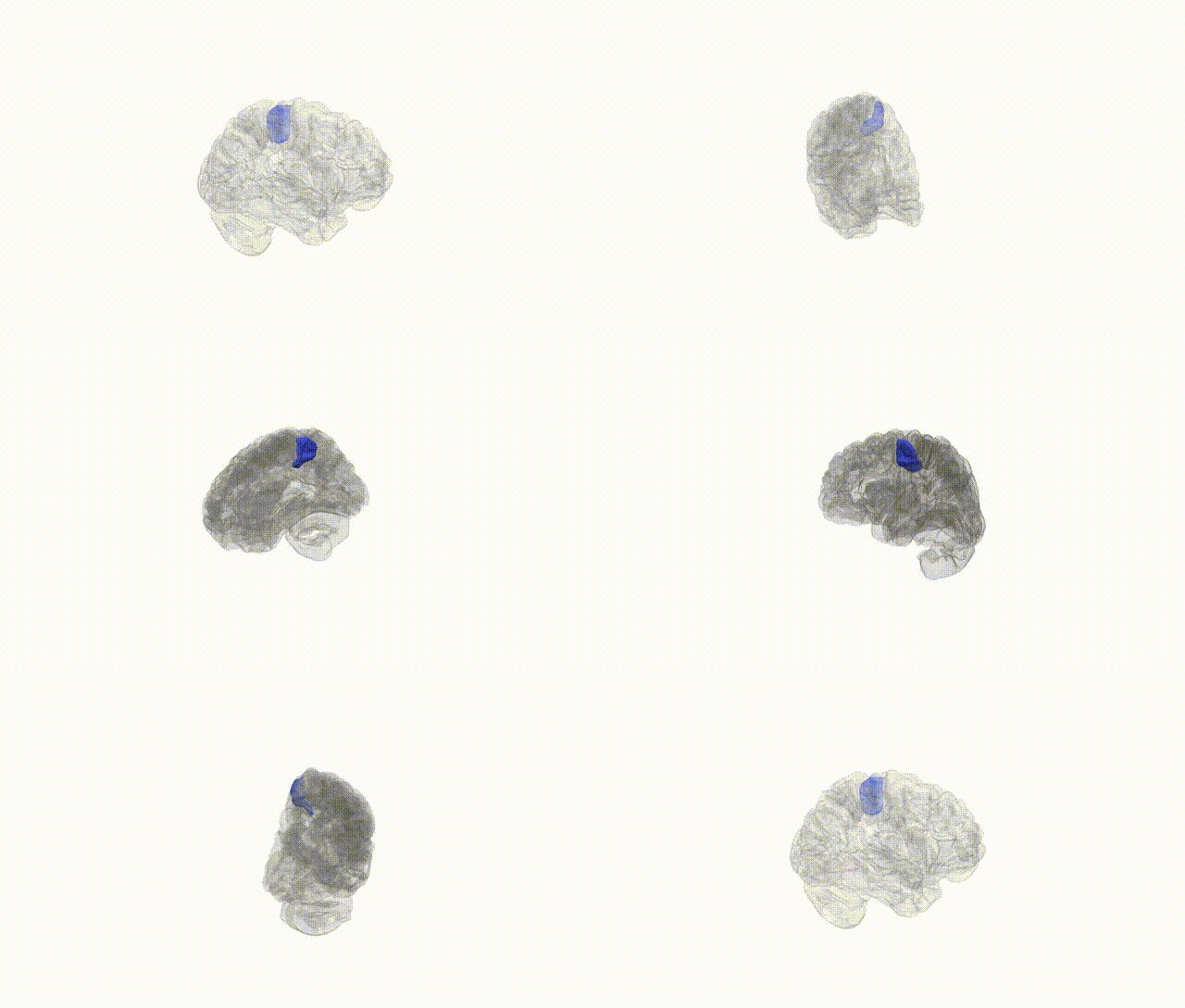
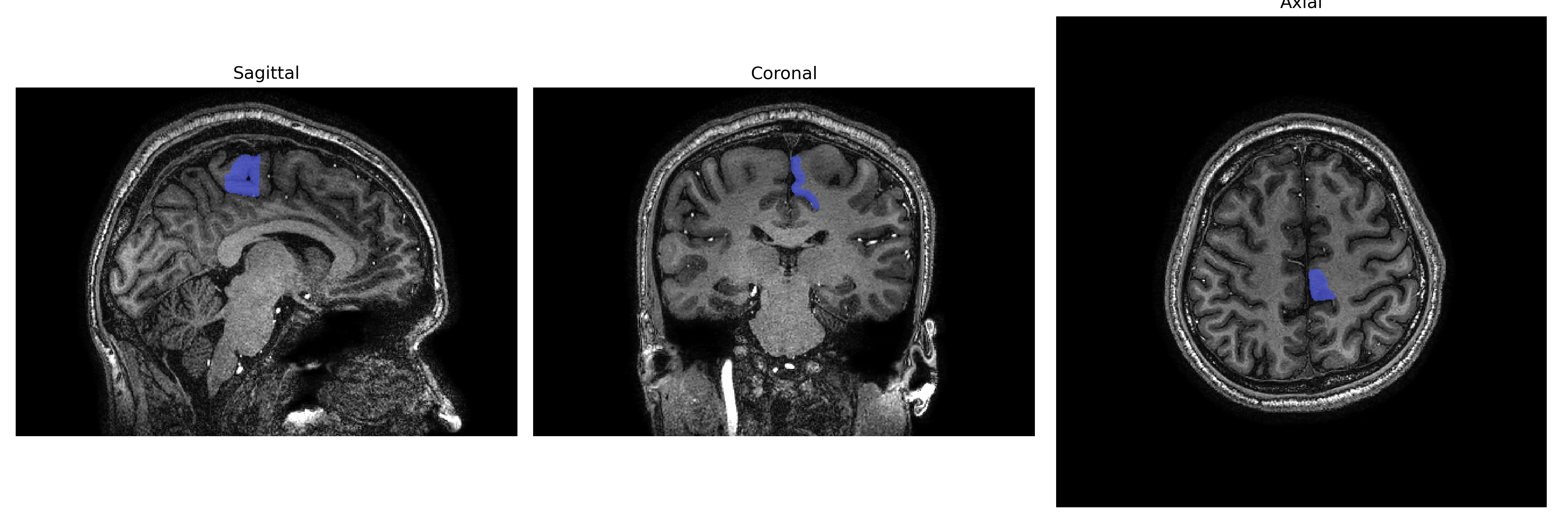
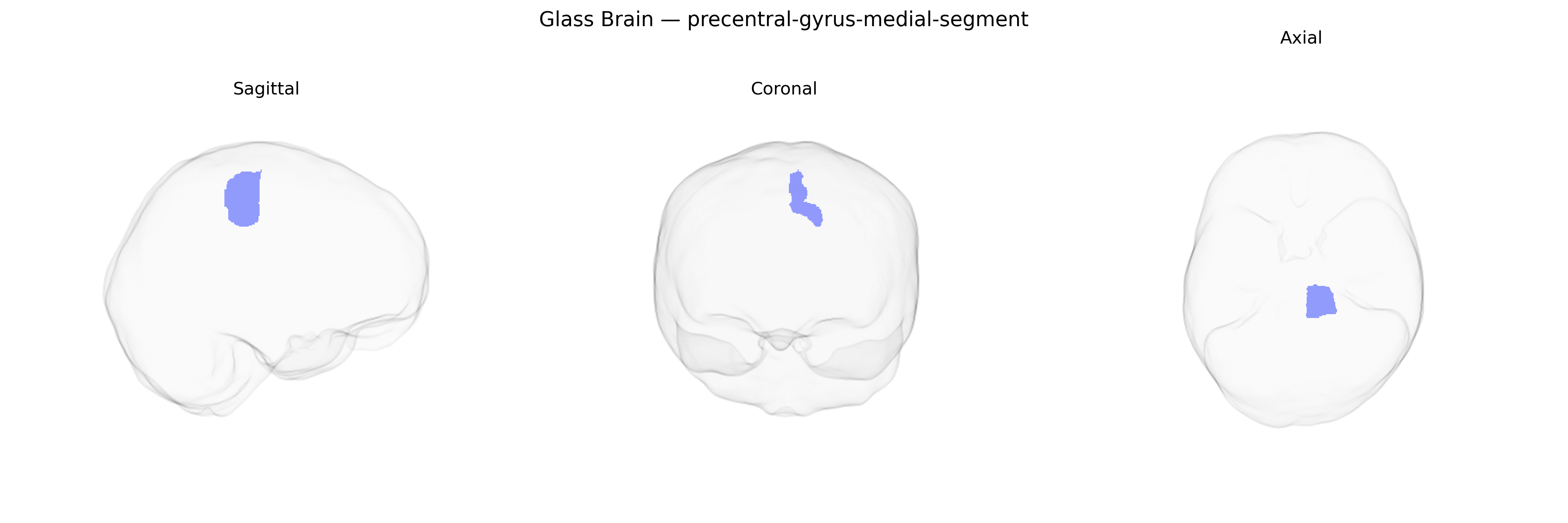
The Left precentral-gyrus-medial-segment in the brainCOLOR atlas corresponds to the medial portion of the left precentral gyrus, which forms part of the primary motor cortex (Brodmann area 4) along the medial wall of the frontal lobe bordering the interhemispheric fissure. This region is somatotopically organized and predominantly represents motor control of the lower limb and trunk musculature, integrating corticospinal and corticobulbar outputs critical for voluntary movement initiation and execution. It receives afferent input from premotor and supplementary motor areas, as well as somatosensory cortices, enabling sensorimotor integration necessary for posture, gait, and coordinated bilateral movements. Functionally, it contributes to fine-tuned control of leg and proximal musculature, modulation of muscle tone, and adaptation of motor patterns to changing sensory feedback. There is no direct link for this specific subdivision; a related structure is the Precentral gyrus.
The left precentral gyrus medial segment, corresponding largely to medial primary motor and premotor cortex representations (including lower limb and supplementary motor-related areas), has shown genetic associations in large-scale neuroimaging GWAS that implicate genes involved in cortical development, synaptic function, and axon guidance, though few findings are region-specific to this exact parcellation from the brainCOLOR atlas. Variants near genes such as MAPT, KIAA0586, and others influencing cortical thickness and surface area have been linked to structural variation in medial precentral regions, while polygenic scores for general cognitive ability, educational attainment, and intracranial volume correlate with cortical metrics in adjacent medial motor territories. Motor system–related disorders with strong genetic components, including amyotrophic lateral sclerosis, primary lateral sclerosis, hereditary spastic paraplegia, and certain dystonias, consistently show functional and structural involvement of medial precentral motor cortex, although GWAS signals for these disorders typically implicate broader motor networks rather than this parcel alone. Additionally, common risk variants for schizophrenia, bipolar disorder, ADHD, and autism spectrum disorder have been associated with altered cortical thickness, gyrification, or connectivity in medial precentral and supplementary motor areas, suggesting that genetic influences on neurodevelopmental pathways affecting motor planning and sensorimotor integration contribute to vulnerability across multiple psychiatric conditions, even though direct locus-by-locus mapping to the left precentral-gyrus-medial-segment label remains limited.
Overview generated by GPT-4o (2026).
Region ID: 69
Hemisphere: Left
Atlas: brainCOLOR
Full Quality Version: Download MP4
Full Quality Version: Download MP4
Full Quality Version: Download MP4
Full Quality Version: Download MP4
Wali Sidiqyar*, Gaurav Rudravaram*, Elyssa M. McMaster, Trent M. Schwartz, Adam M. Saunders, Kurt G. Schilling, Bennett A. Landman "Introducing SPINS: A Shared Public Visualization Library of Neuroanatomical Structures." Medical Imaging with Deep Learning- short paper
This resource is licensed under CC0 1.0 Universal (Public Domain).