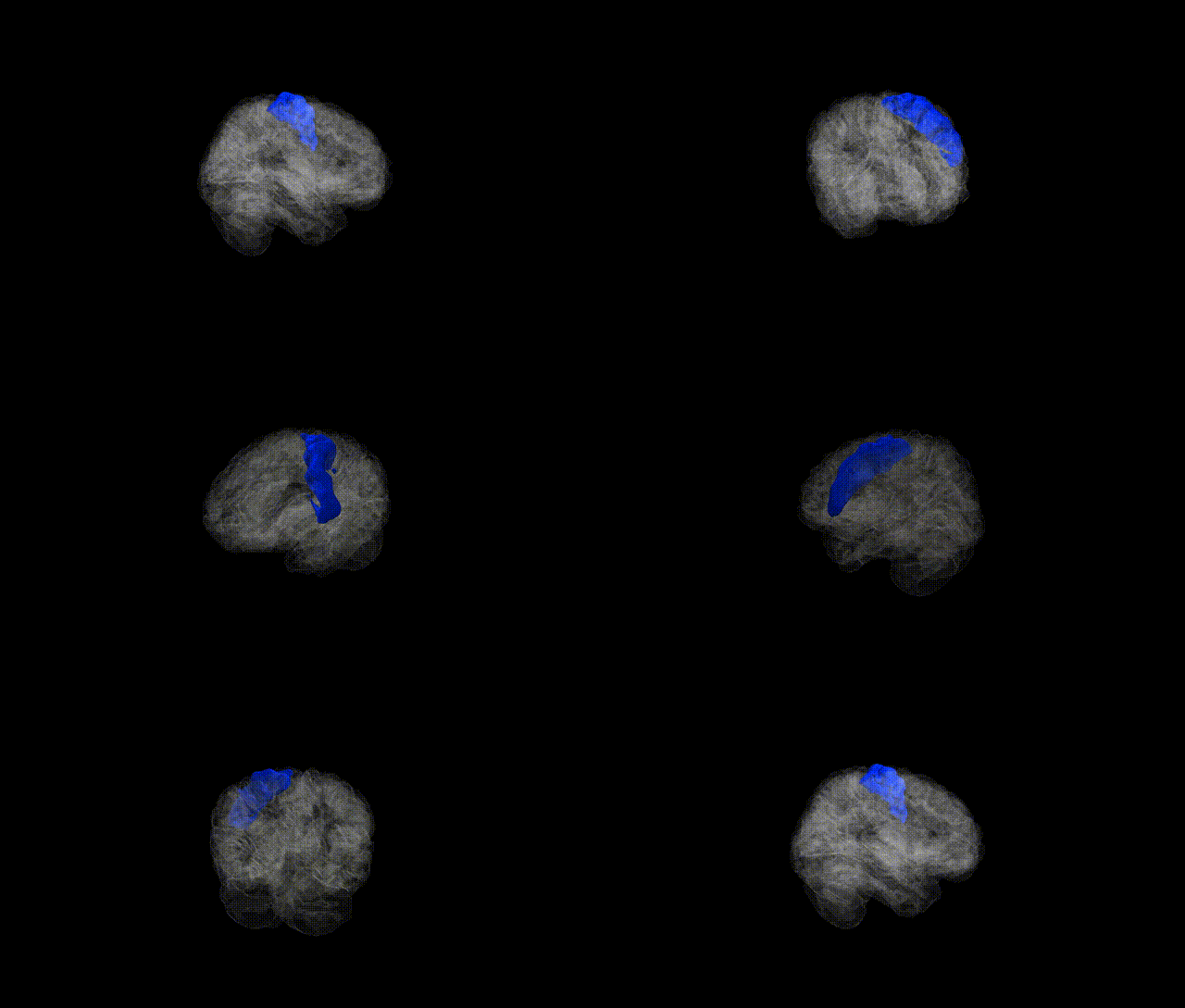
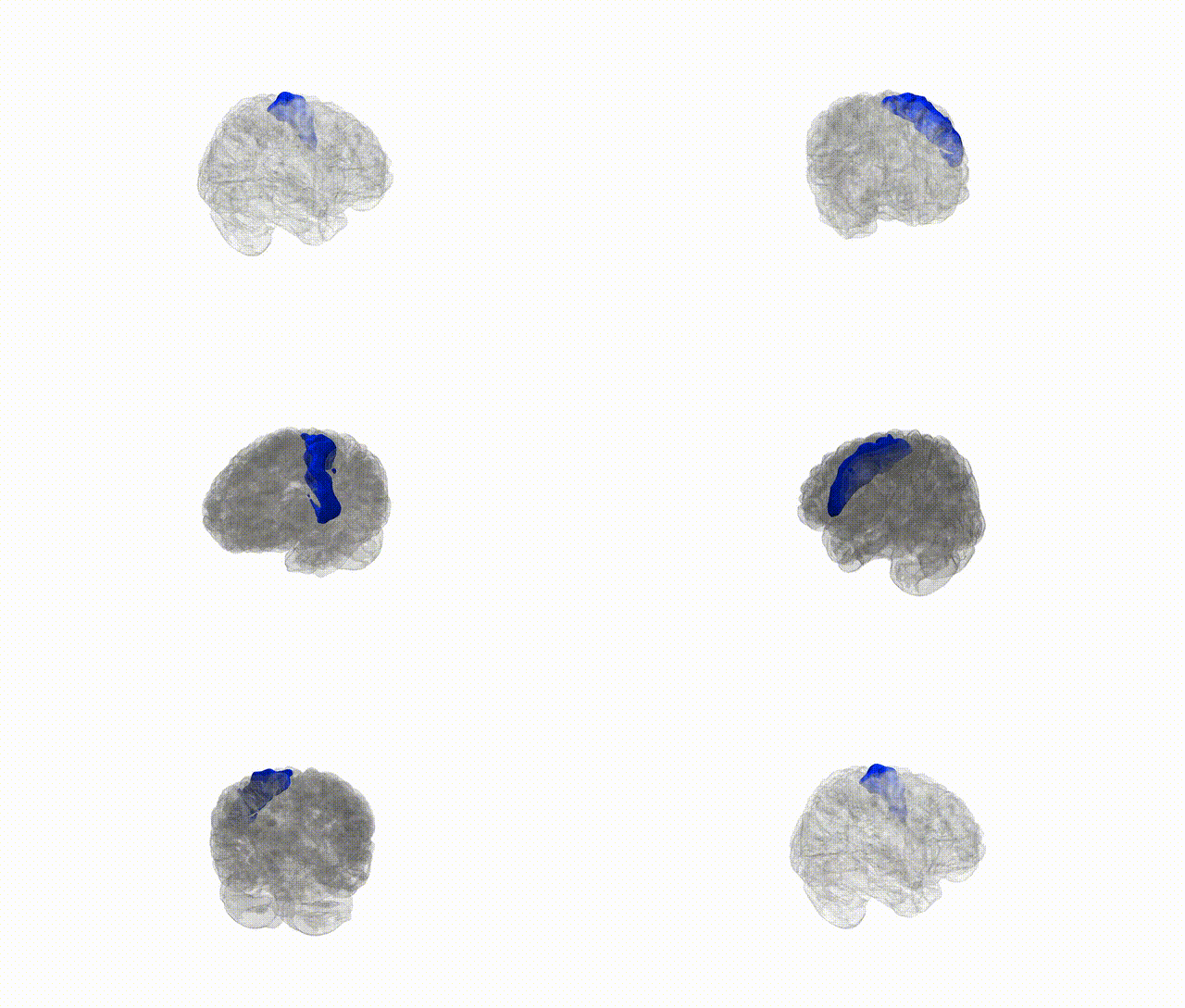
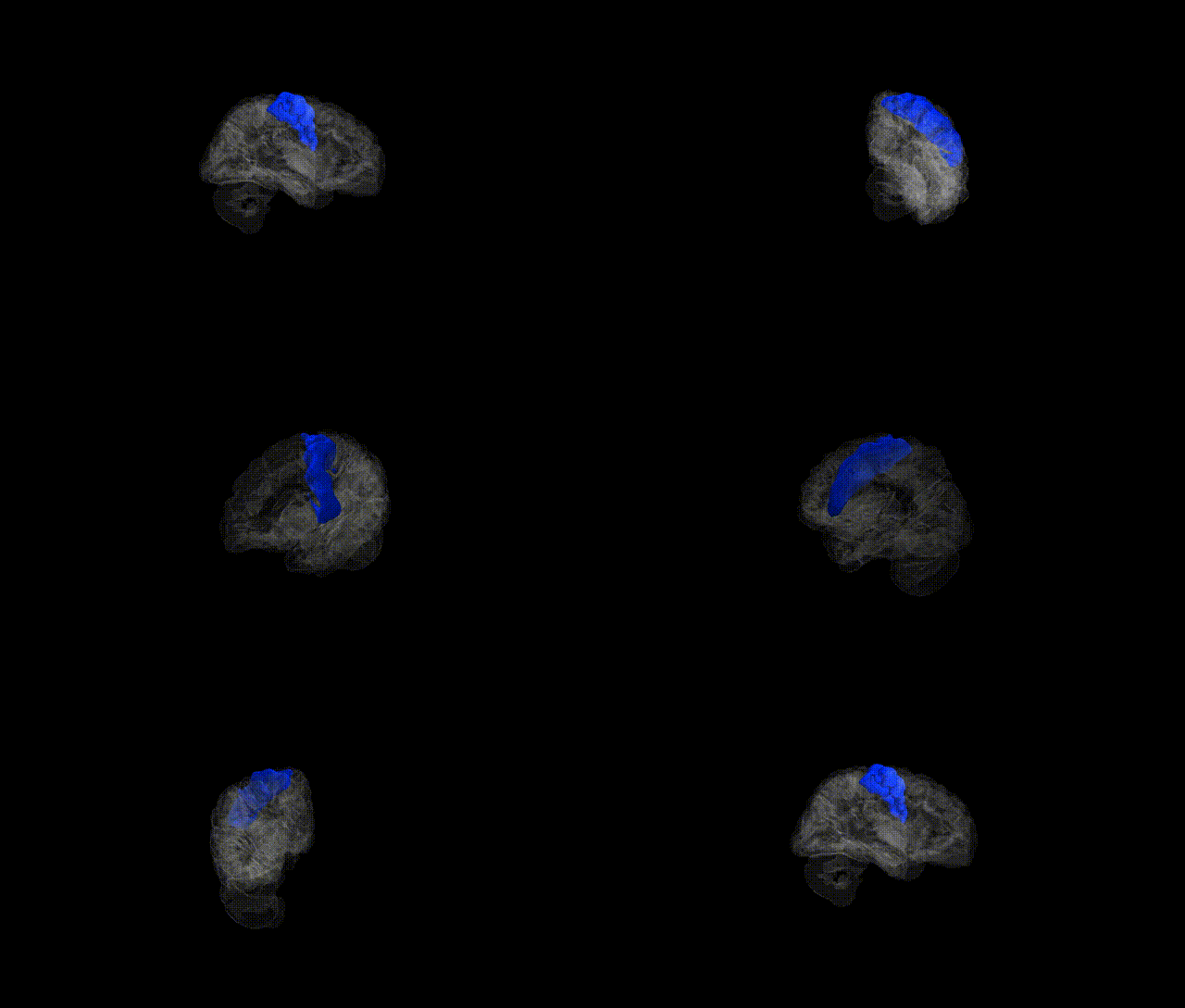
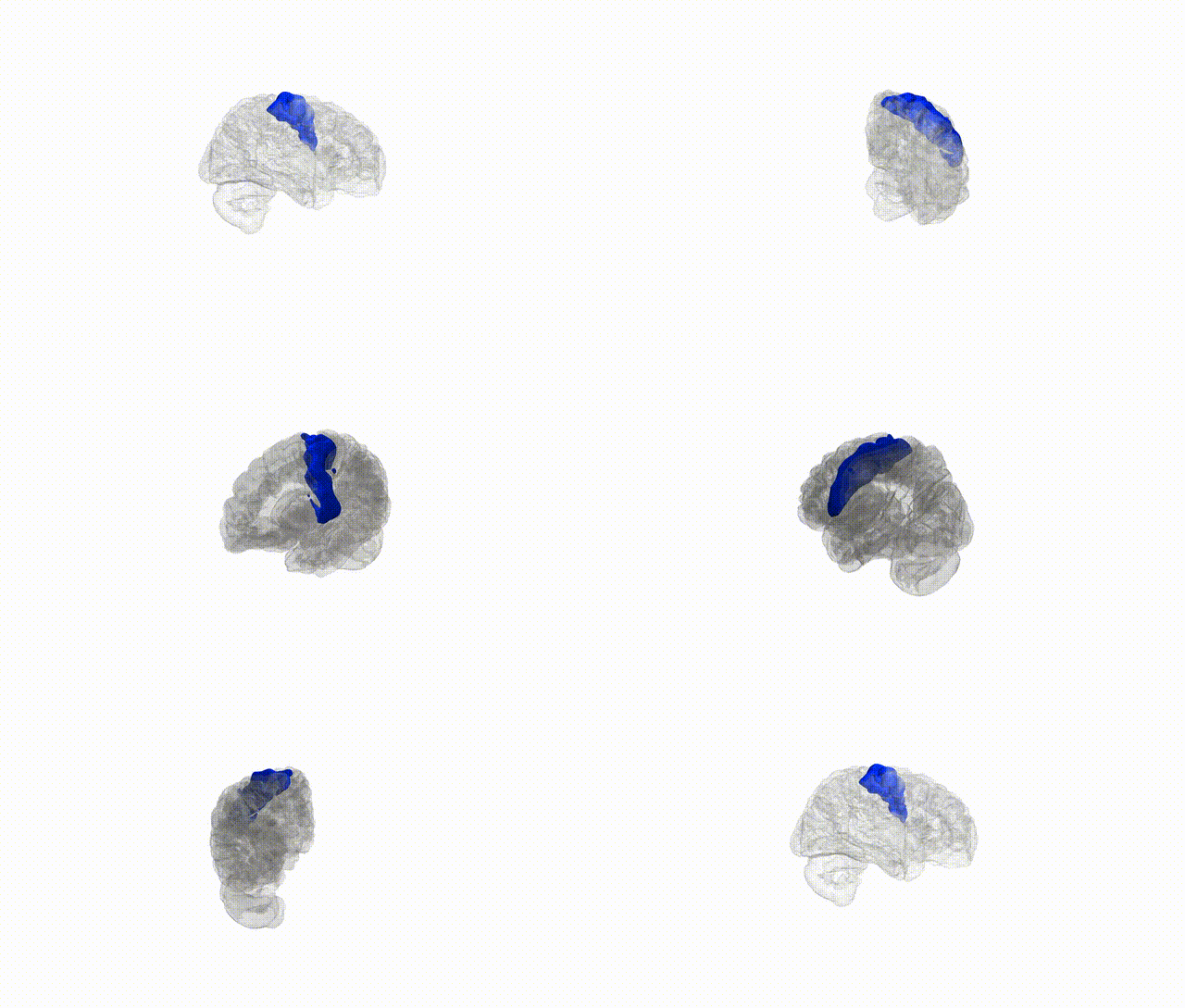
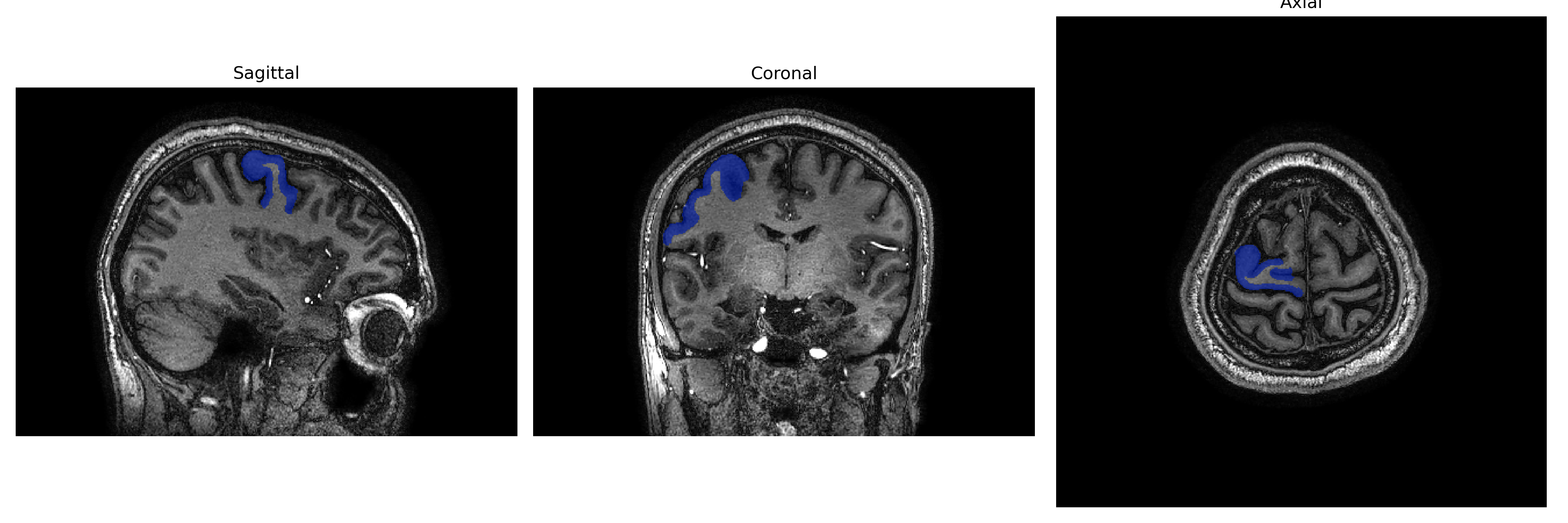
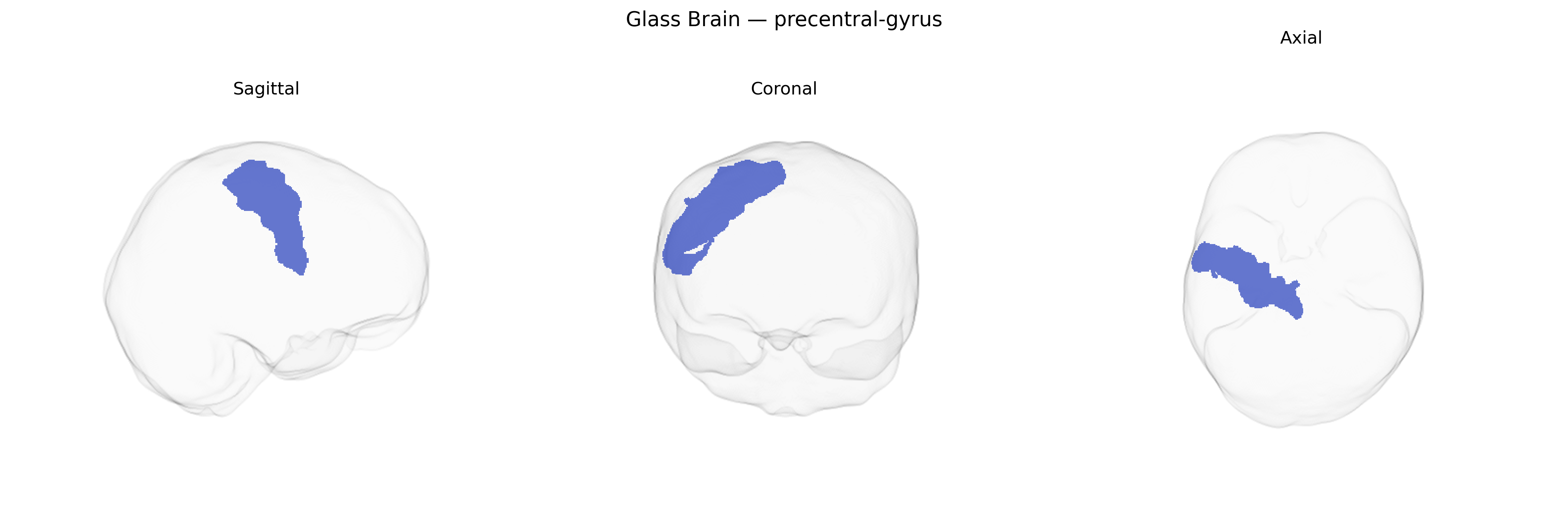
The Right precentral gyrus is a frontal lobe cortical region corresponding primarily to the primary motor cortex (Brodmann area 4) on the right cerebral hemisphere. It is organized somatotopically, forming part of the motor homunculus, and is critically involved in the planning and execution of voluntary movements, particularly those of the contralateral (left) side of the body. Neurons in this area give rise to major corticospinal and corticobulbar projections that modulate spinal and brainstem motor circuits, influencing fine motor control, posture, and skilled movements. The region also participates in motor learning and integration of sensory feedback for movement refinement, and it interacts with premotor, supplementary motor, parietal, basal ganglia, and cerebellar networks to coordinate complex motor behavior.
The right precentral gyrus, corresponding largely to primary motor cortex, shows genetic influences that overlap broadly with motor, neurodevelopmental, and psychiatric traits rather than having many region-specific variants uniquely assigned to this exact parcel in the brainCOLOR atlas. Twin and SNP-heritability studies indicate that precentral cortical thickness and surface area are moderately to highly heritable, with many associated loci enriched in neurodevelopmental pathways (e.g., synaptic formation, axon guidance, and cytoskeletal organization). Large-scale imaging–genetics efforts (such as ENIGMA and UK Biobank studies) have identified genome-wide significant associations between common variants and structure of motor/premotor regions, including genes involved in neuronal migration and cortical patterning (e.g., variants near microtubule-related and neuronal adhesion genes), although these are typically reported for broader precentral or motor regions, not specifically the right precentral gyrus parcel. Functionally, genetic risk for movement disorders (e.g., Parkinson’s disease, dystonia), neurodevelopmental conditions (e.g., autism spectrum disorder, ADHD), and certain psychiatric disorders (e.g., schizophrenia) has been associated with altered activation, connectivity, or morphology in right precentral/motor circuits, sometimes via polygenic risk score analyses, but causal variants are usually interpreted at the network level rather than as region-specific loci. Overall, current evidence supports a distributed, polygenic architecture in which many variants with small effects influence right precentral structure and function as part of broader motor and frontoparietal systems, rather than a well-defined set of genes uniquely tied to the right precentral gyrus in the brainCOLOR atlas.
Overview generated by GPT-4o (2026).
Region ID: 98
Hemisphere: Right
Atlas: brainCOLOR
Full Quality Version: Download MP4
Full Quality Version: Download MP4
Full Quality Version: Download MP4
Full Quality Version: Download MP4
Wali Sidiqyar*, Gaurav Rudravaram*, Elyssa M. McMaster, Trent M. Schwartz, Adam M. Saunders, Kurt G. Schilling, Bennett A. Landman "Introducing SPINS: A Shared Public Visualization Library of Neuroanatomical Structures." Medical Imaging with Deep Learning- short paper
This resource is licensed under CC0 1.0 Universal (Public Domain).