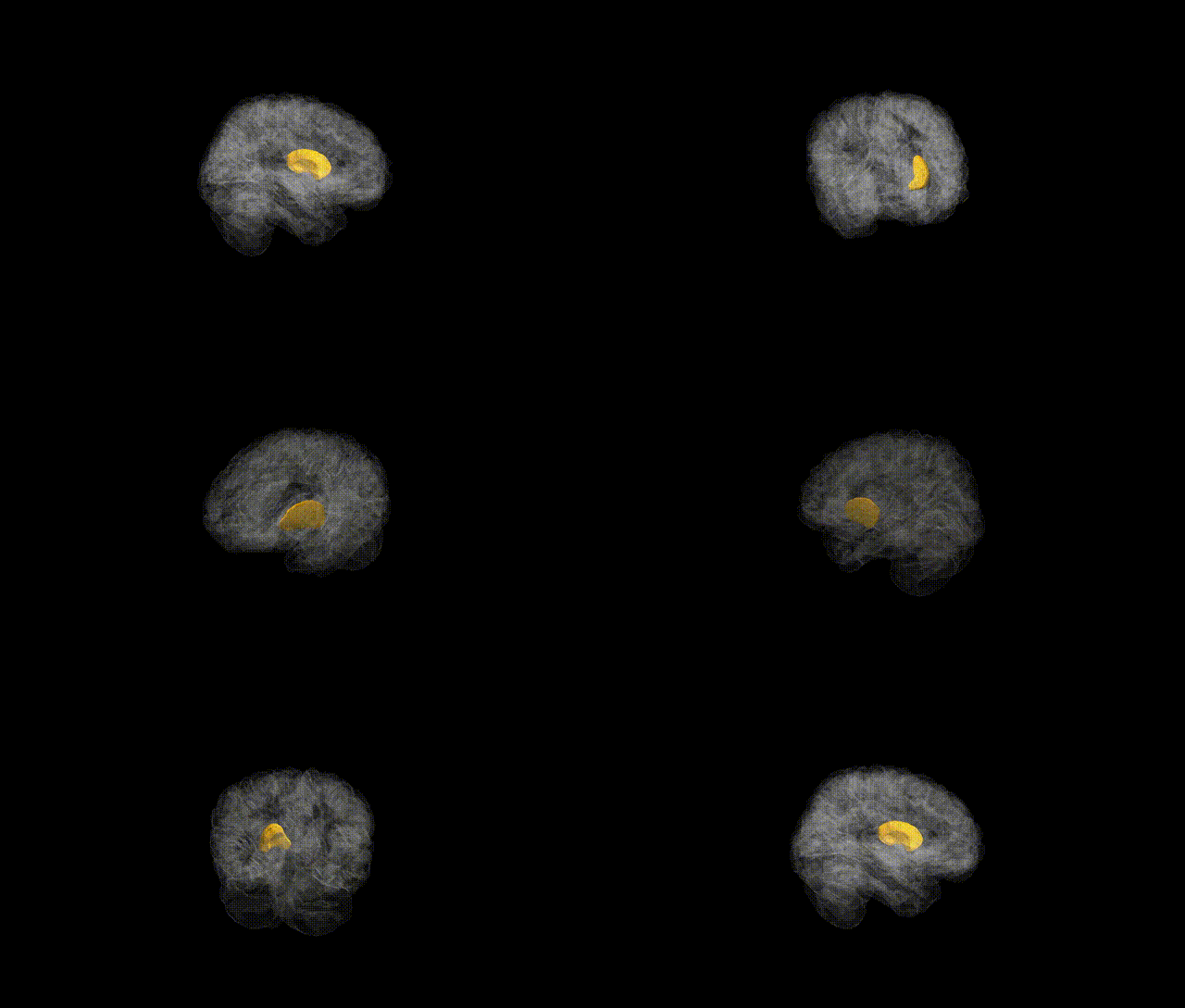
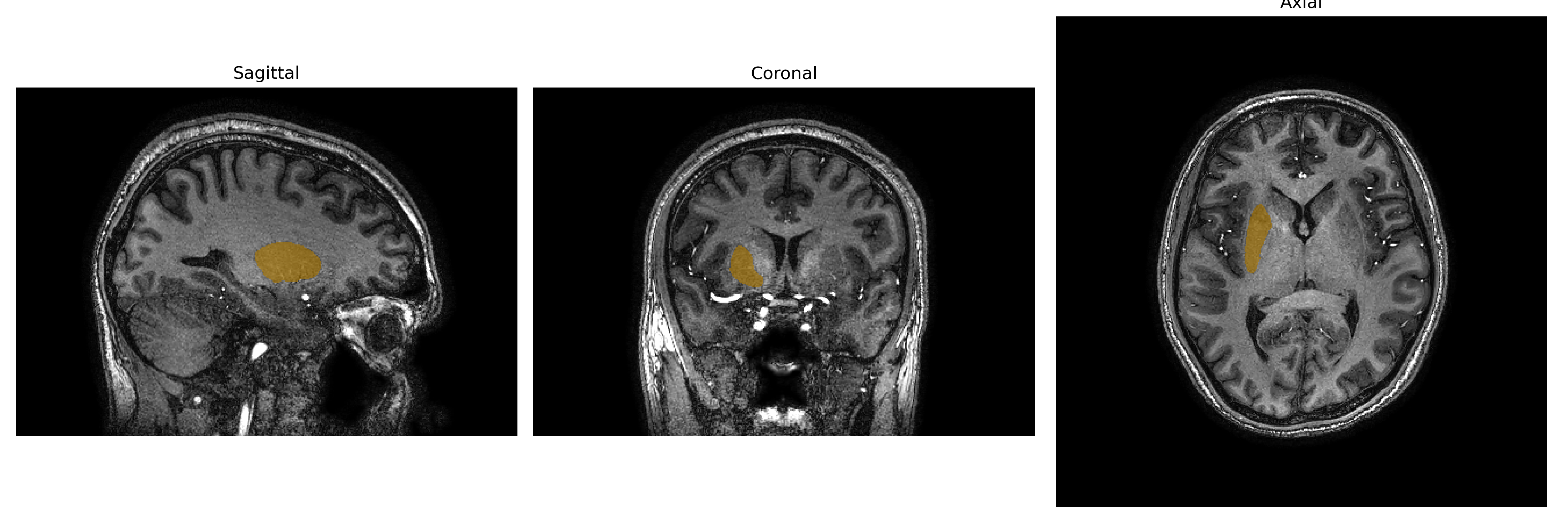
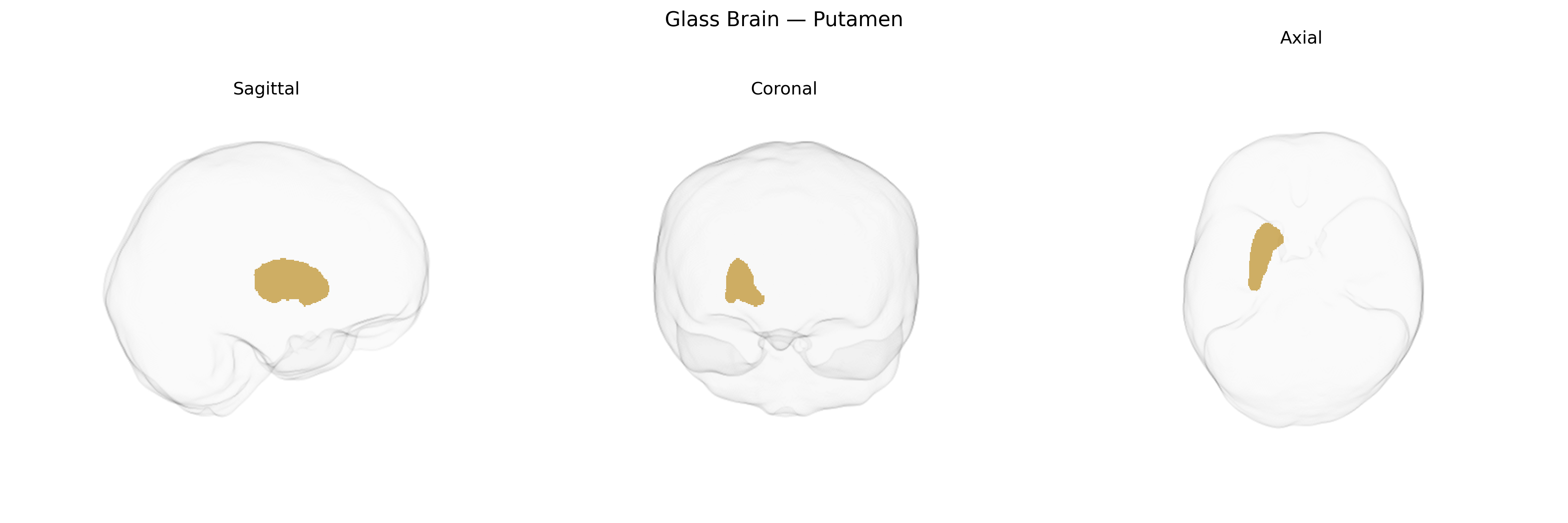
The Right Putamen is the right-sided component of the putamen, a large, rounded nucleus within the dorsal striatum of the basal ganglia, primarily involved in motor control, habit learning, and aspects of reward-related behavior. It lies lateral to the globus pallidus and medial to the external capsule and insular cortex, and is composed mainly of medium spiny GABAergic neurons that receive dense glutamatergic input from cortical motor and associative areas, as well as dopaminergic projections from the substantia nigra pars compacta. Functionally, the Right Putamen participates in cortico-striato-thalamo-cortical loops that modulate movement initiation, execution, and automaticity, and contributes to sensorimotor integration and procedural learning. Structural and functional alterations of the putamen are implicated in movement disorders such as Parkinson’s disease, dystonia, and Huntington’s disease, as well as in certain neuropsychiatric conditions. Putamen
The right putamen, as parcellated in the brainCOLOR atlas, has been implicated in multiple genetic and GWAS findings, particularly in domains of motor control, reward processing, and neuropsychiatric disease. Twin and imaging‑genetics studies show high heritability of putaminal volume and structure, with large consortia (e.g., ENIGMA, UK Biobank) identifying common variants in and near genes such as HMGA2, KTN1, GPNMB, PTCH1, and others that influence striatal and specifically putaminal morphology. GWAS of subcortical volumes have repeatedly linked putamen size to loci also involved in neurodevelopment and synaptic function, some overlapping with schizophrenia, bipolar disorder, and major depressive disorder risk regions, suggesting shared genetic architecture between right putamen structure and psychiatric vulnerability. Variants associated with Parkinson’s disease, particularly in dopaminergic and lysosomal genes (e.g., LRRK2, GBA, SNCA), have been related to altered putaminal integrity given its central role in the nigrostriatal pathway. Additionally, genetic studies of substance use, impulsivity, and reward sensitivity show associations between dopaminergic and glutamatergic gene variants and functional or structural measures in the right putamen, while polygenic risk for ADHD, obsessive‑compulsive disorder, and Tourette syndrome has been associated with differences in striatal, including putaminal, volume and connectivity. Overall, current evidence supports a substantial polygenic influence on right putamen anatomy and function that overlaps with risk architectures for movement disorders, addiction‑related traits, and several major psychiatric conditions.
Overview generated by GPT-4o (2026).
Region ID: 13
Hemisphere: Right
Atlas: brainCOLOR
Full Quality Version: Download MP4
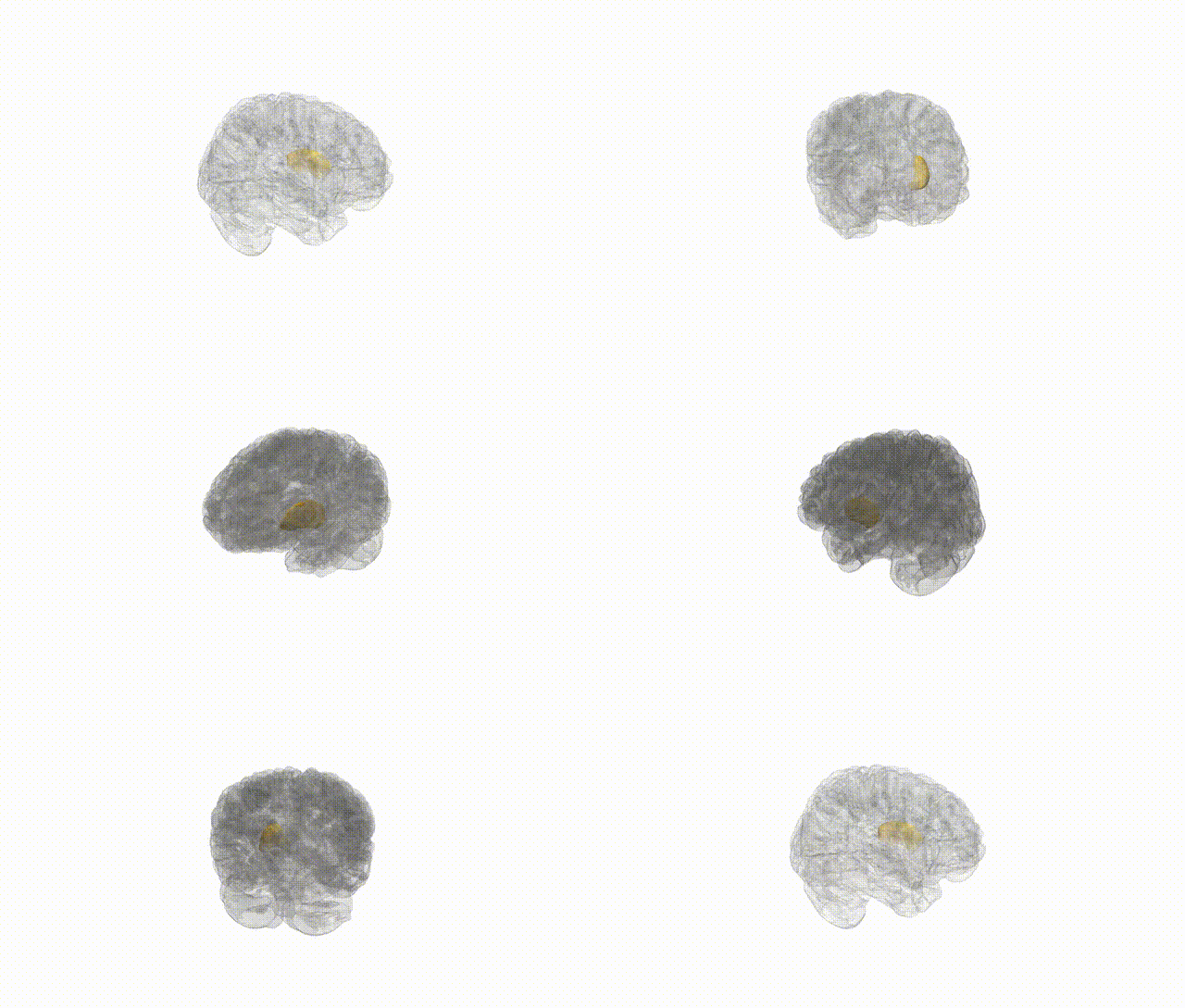
Full Quality Version: Download MP4
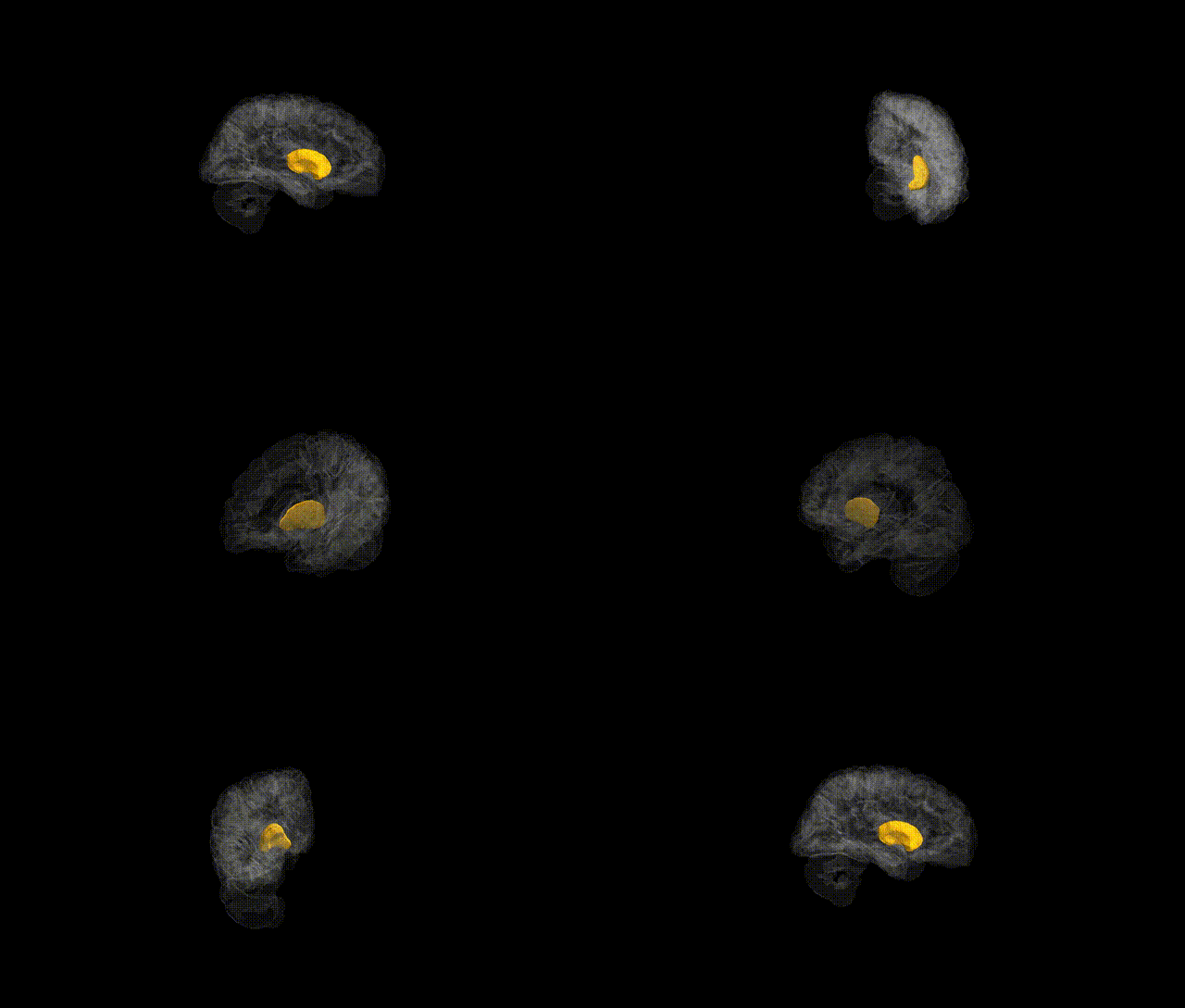
Full Quality Version: Download MP4
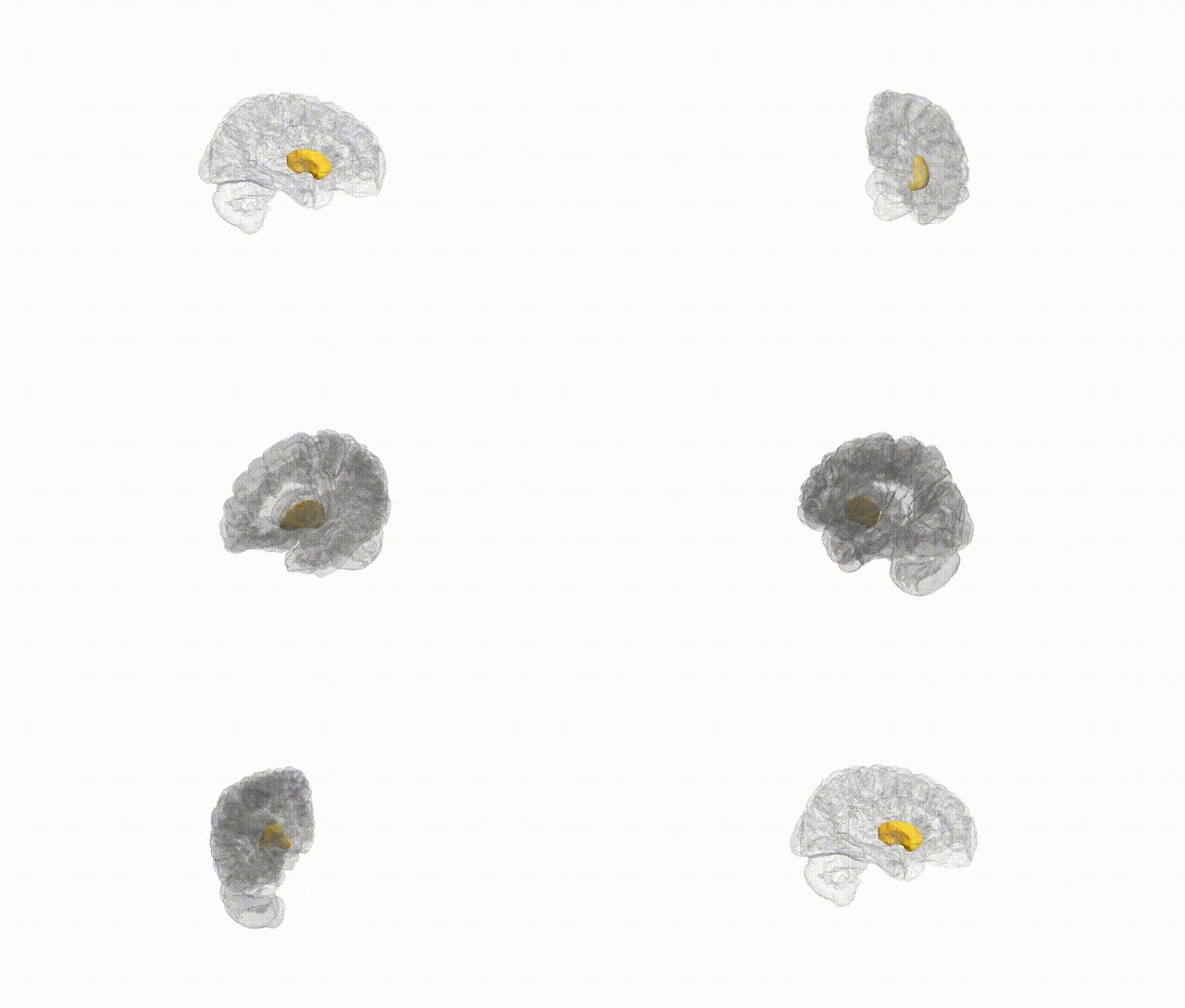
Full Quality Version: Download MP4
Wali Sidiqyar*, Gaurav Rudravaram*, Elyssa M. McMaster, Trent M. Schwartz, Adam M. Saunders, Kurt G. Schilling, Bennett A. Landman "Introducing SPINS: A Shared Public Visualization Library of Neuroanatomical Structures." Medical Imaging with Deep Learning- short paper
This resource is licensed under CC0 1.0 Universal (Public Domain).