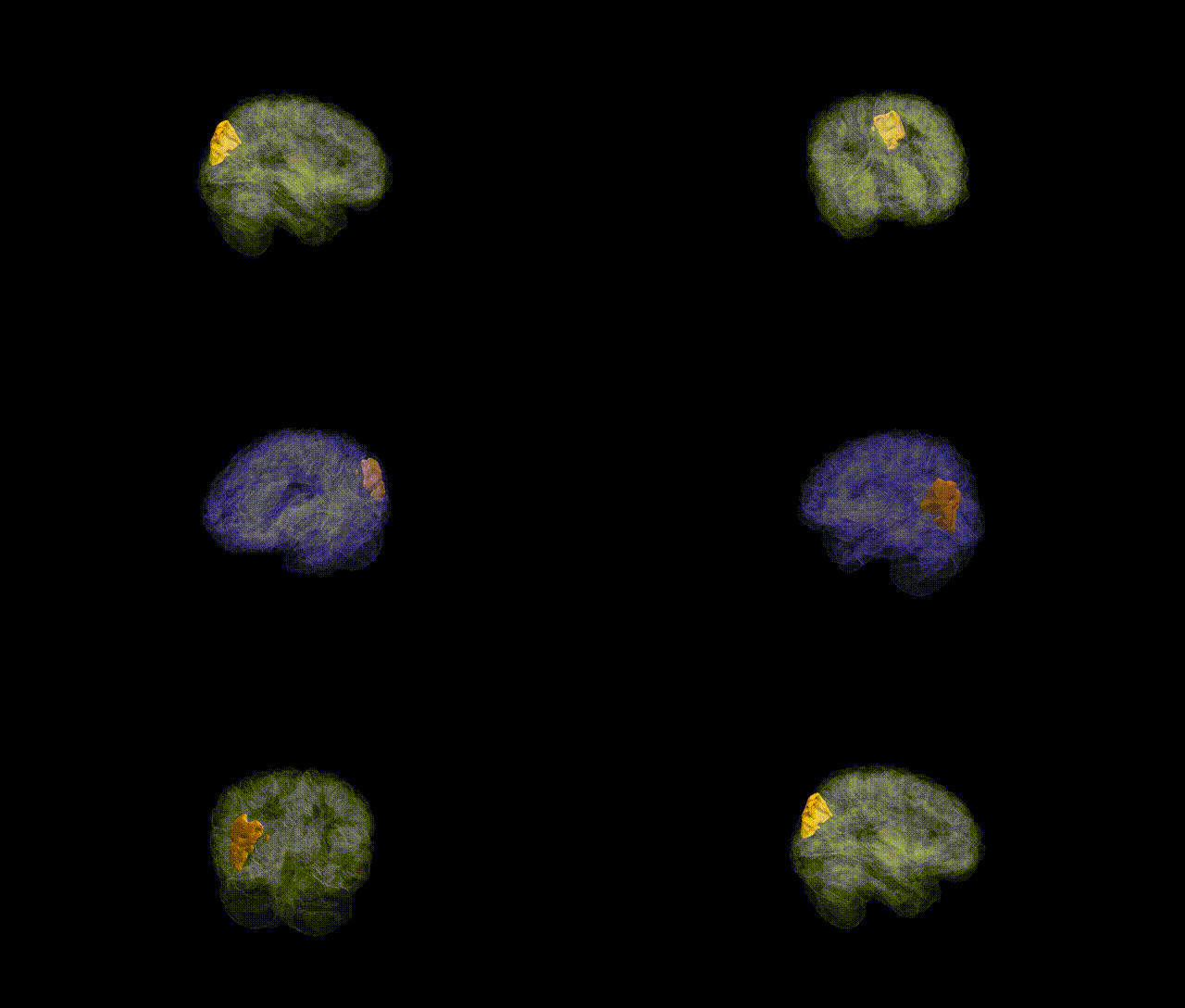
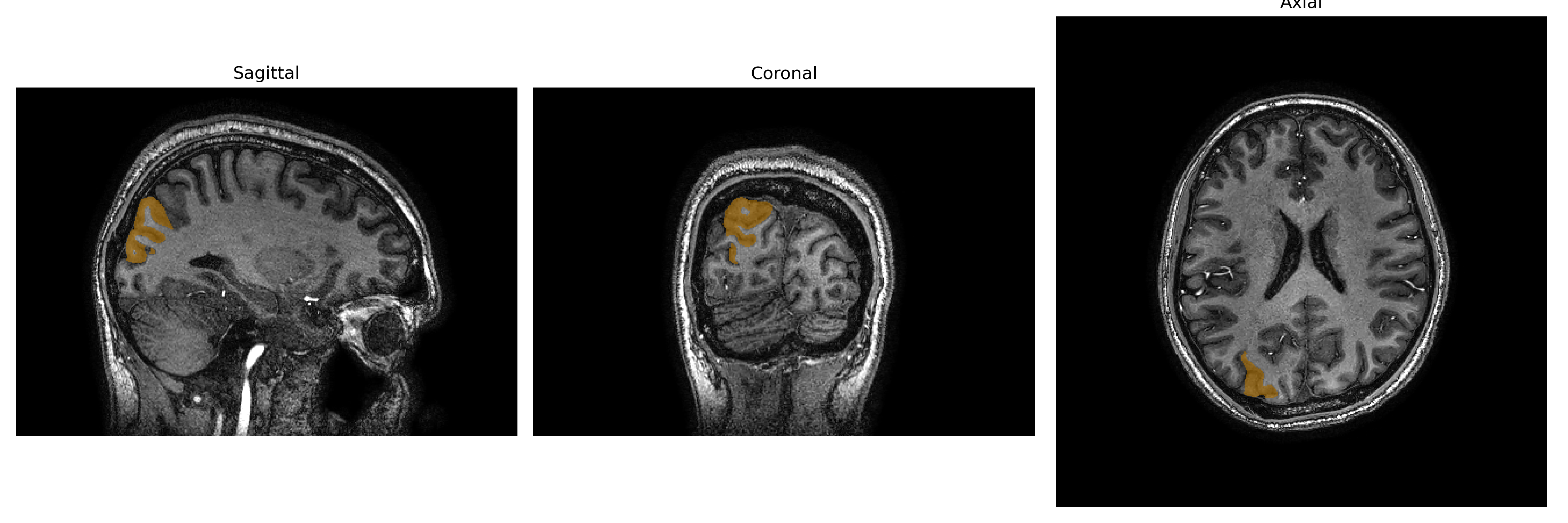
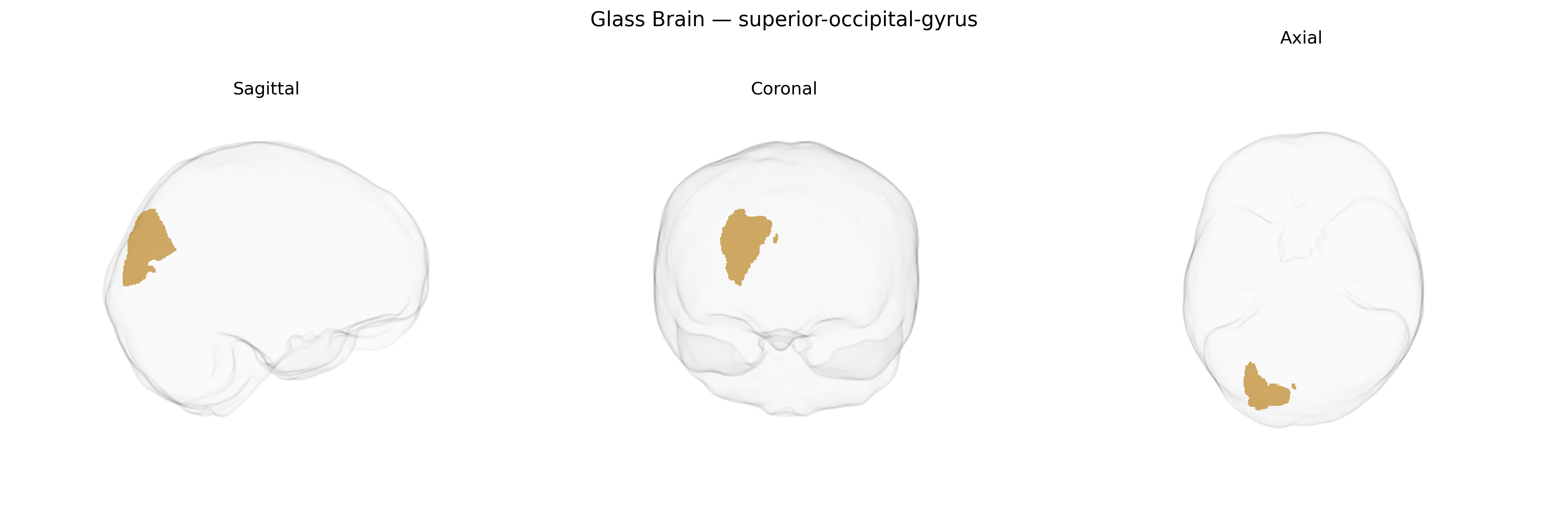
The Right superior occipital gyrus is a dorsal occipital lobe structure involved primarily in higher-order visual processing, including aspects of visuospatial integration, motion perception, and the transformation of visual information for visually guided attention and eye movements. It lies superior to the calcarine fissure and extends toward the parietal lobe, forming part of the dorsal visual stream that processes “where/how” information about objects in space. Functionally, it interacts with parietal and frontal regions to support spatial orientation and the coordination of behavior based on visual input. There is no direct Wikipedia article for this specific gyrus; a closely related and encompassing structure is the Occipital lobe.
The Right superior-occipital-gyrus, as defined in the brainCOLOR Atlas, is a higher-order visual association region whose genetic architecture is inferred largely from GWAS of occipital and visual-association cortical thickness, surface area, and functional connectivity rather than from studies targeting this specific parcel. Large-scale neuroimaging genetics consortia (e.g., ENIGMA, UK Biobank–based studies) have identified common variants near genes involved in neurodevelopment, synaptic organization, and axon guidance (such as MEF2C, TBR1-related pathways, and other regulators of cortical patterning) that influence occipital lobe morphology and resting-state connectivity in dorsal visual networks encompassing the superior occipital cortex. These occipital-related variants show pleiotropy with cognitive abilities (general intelligence, processing speed, educational attainment) and visual perceptual traits, and overlap genetically with risk loci for neurodevelopmental and psychiatric disorders that implicate visual and attentional systems, including schizophrenia, autism spectrum disorder, and ADHD, where altered occipital structure and activation have been repeatedly reported. Additionally, polygenic risk for major psychiatric conditions and neurodegenerative diseases such as Alzheimer’s disease has been associated with subtle variation in occipital cortical thickness and volume, suggesting that genetic influences on the Right superior-occipital-gyrus are part of a broader polygenic landscape affecting visual association cortex, cognition, and vulnerability to brain disorders, even though locus- or gene-level associations specific to this exact brainCOLOR parcel have not yet been isolated.
Overview generated by GPT-4o (2026).
Region ID: 110
Hemisphere: Right
Atlas: brainCOLOR
Full Quality Version: Download MP4
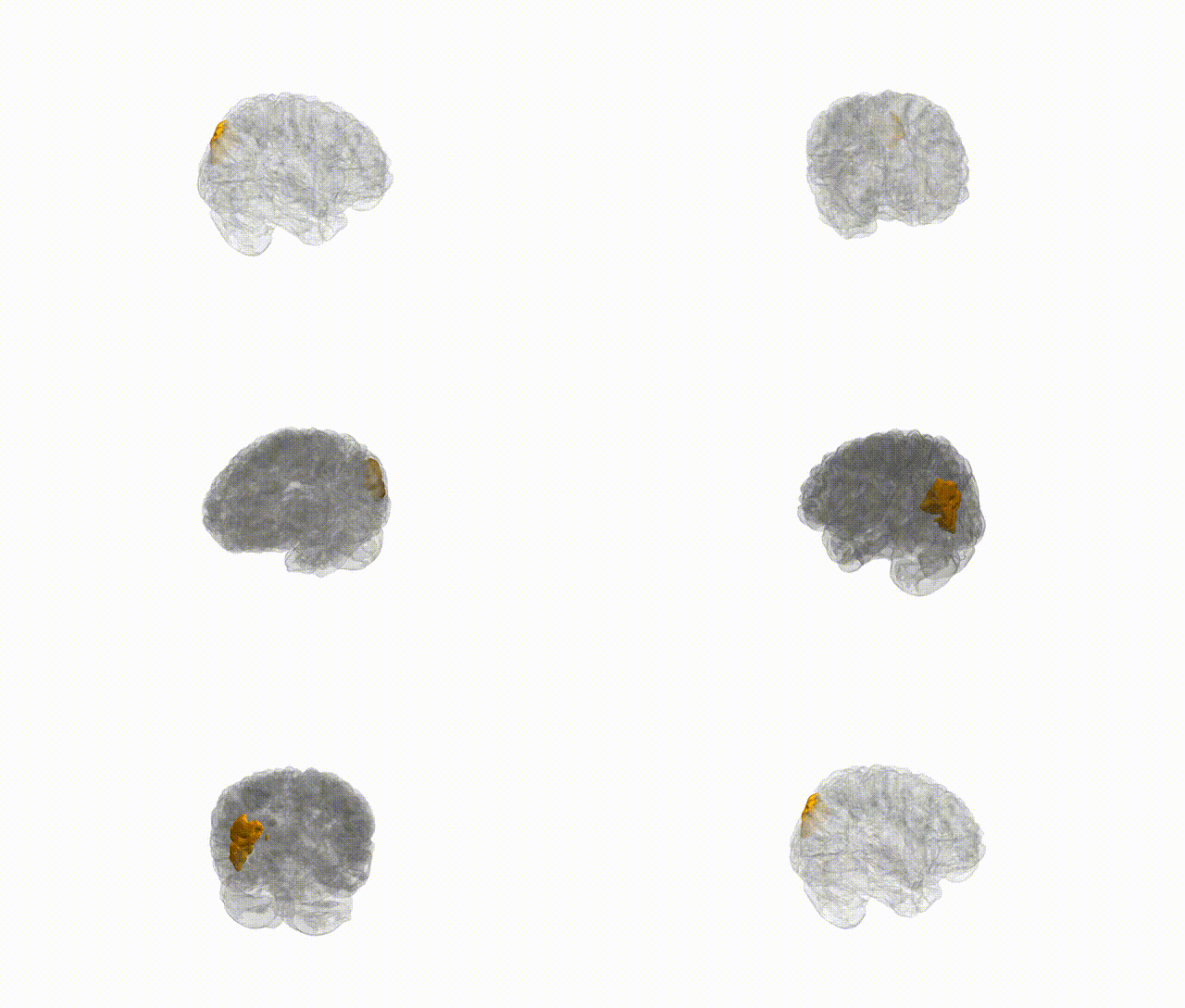
Full Quality Version: Download MP4
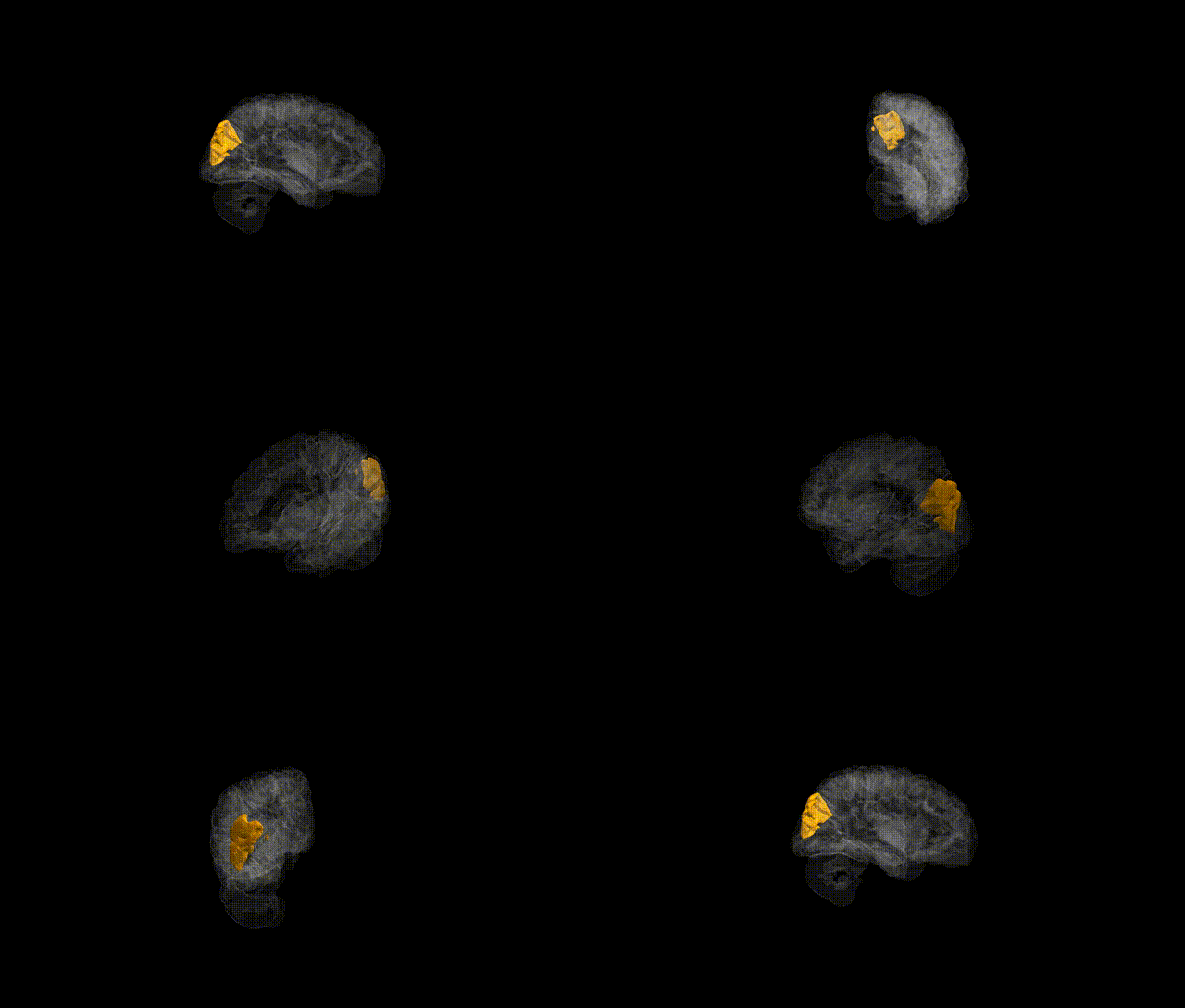
Full Quality Version: Download MP4
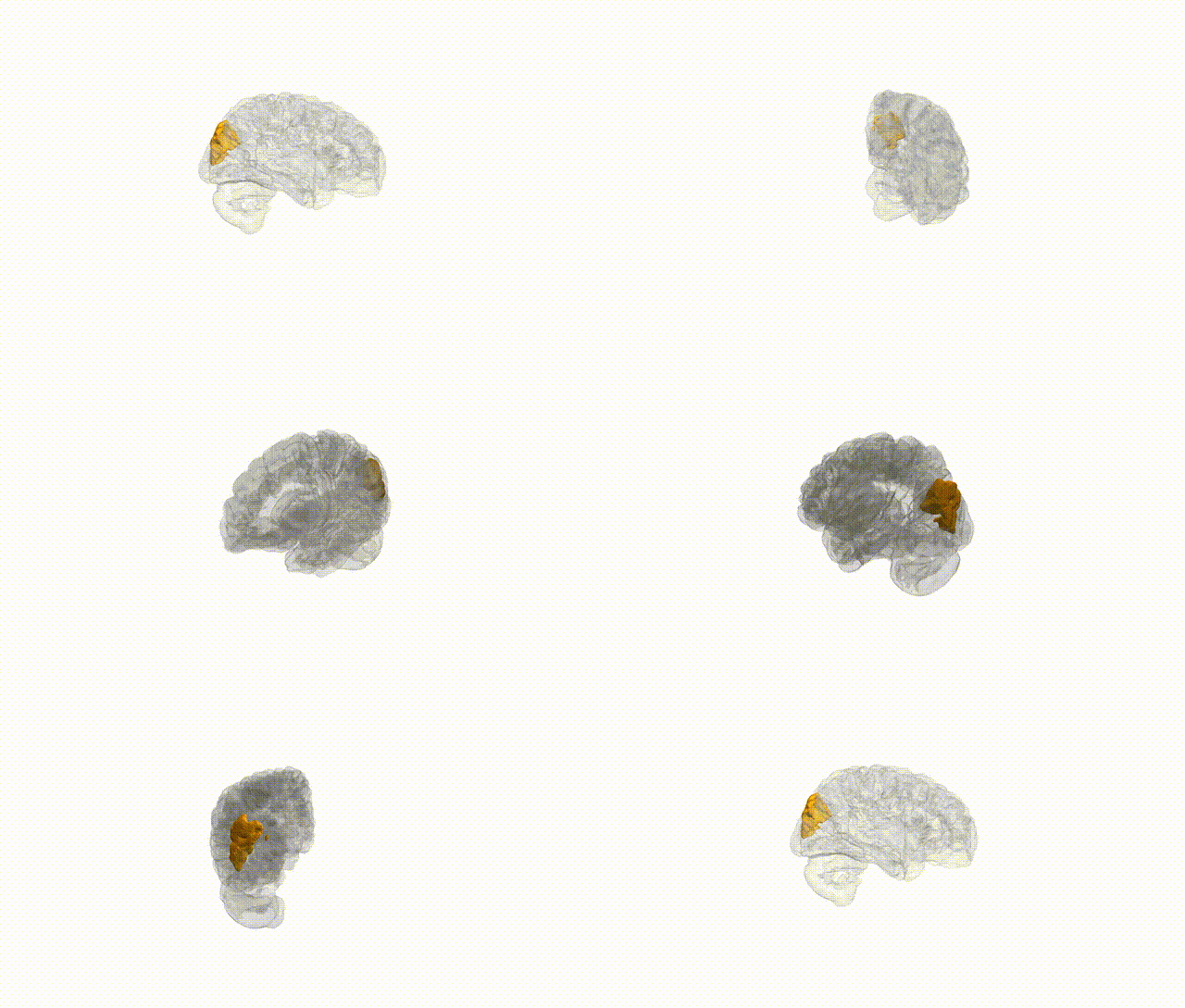
Full Quality Version: Download MP4
Wali Sidiqyar*, Gaurav Rudravaram*, Elyssa M. McMaster, Trent M. Schwartz, Adam M. Saunders, Kurt G. Schilling, Bennett A. Landman "Introducing SPINS: A Shared Public Visualization Library of Neuroanatomical Structures." Medical Imaging with Deep Learning- short paper
This resource is licensed under CC0 1.0 Universal (Public Domain).