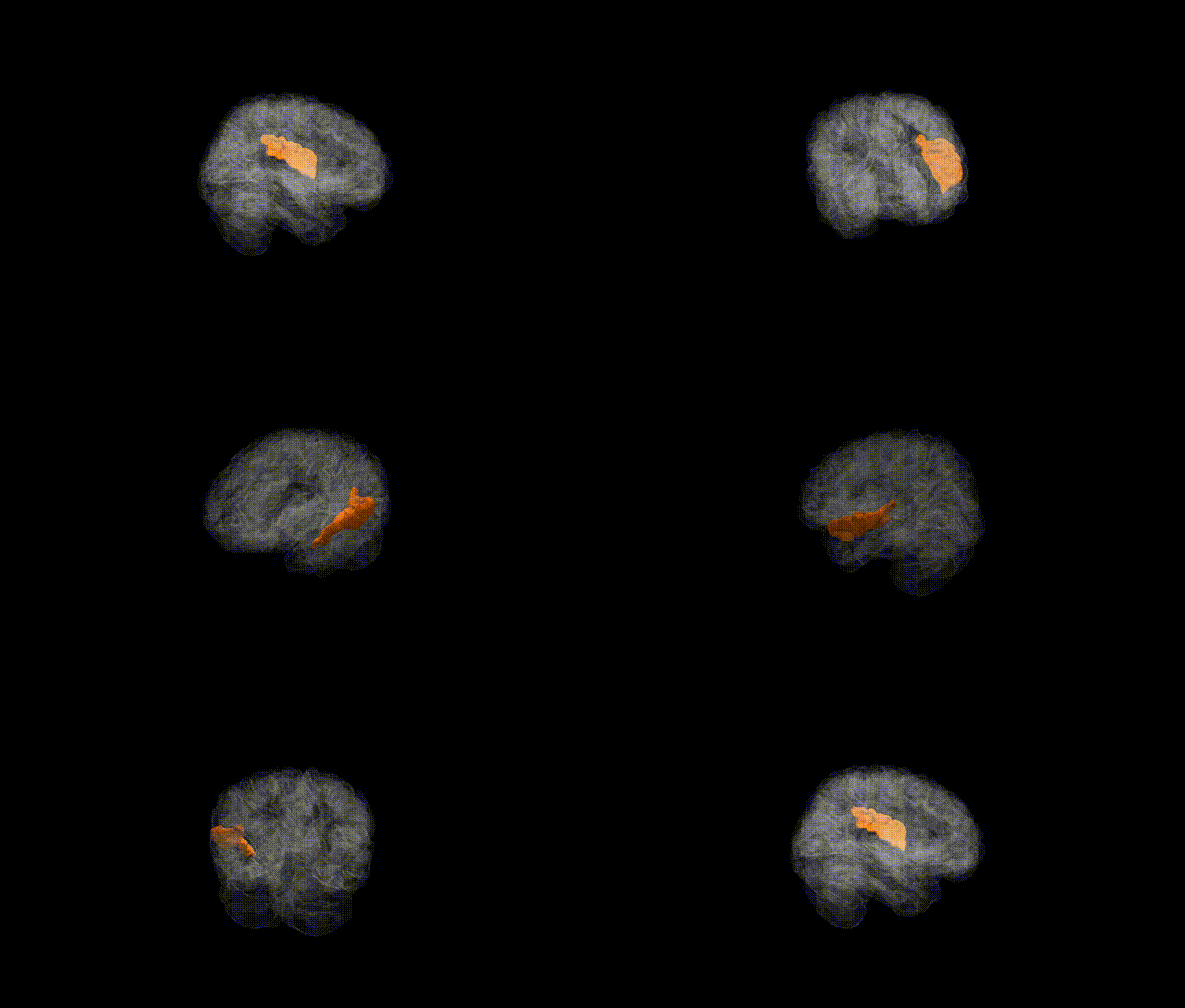
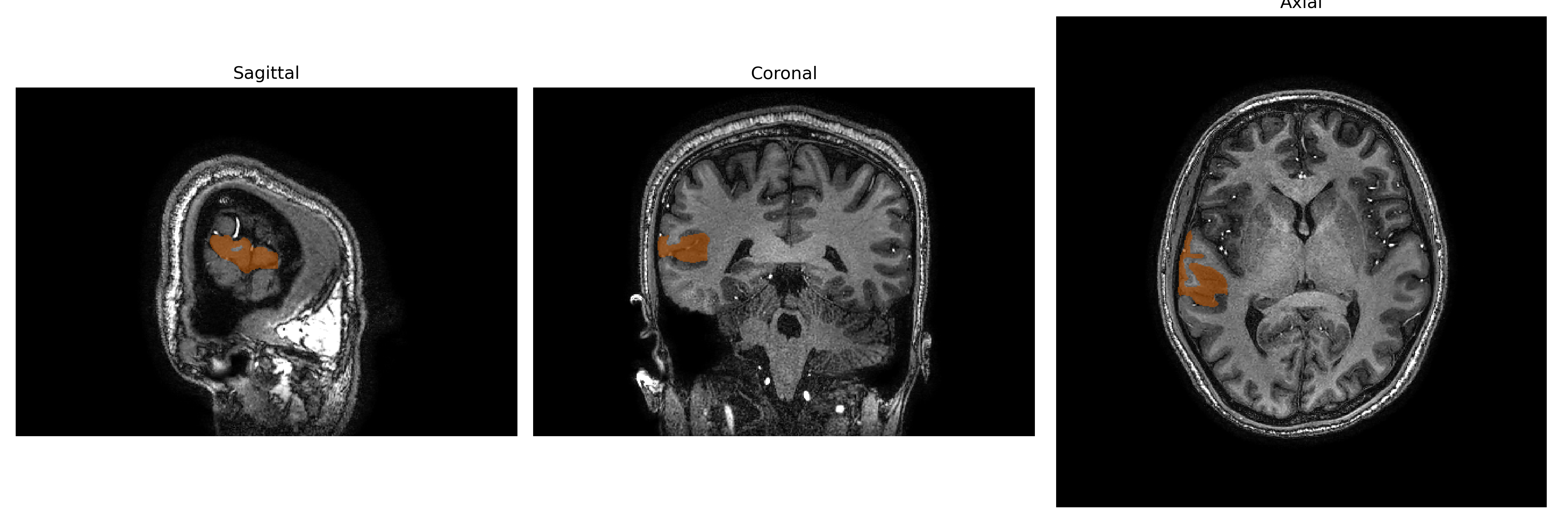
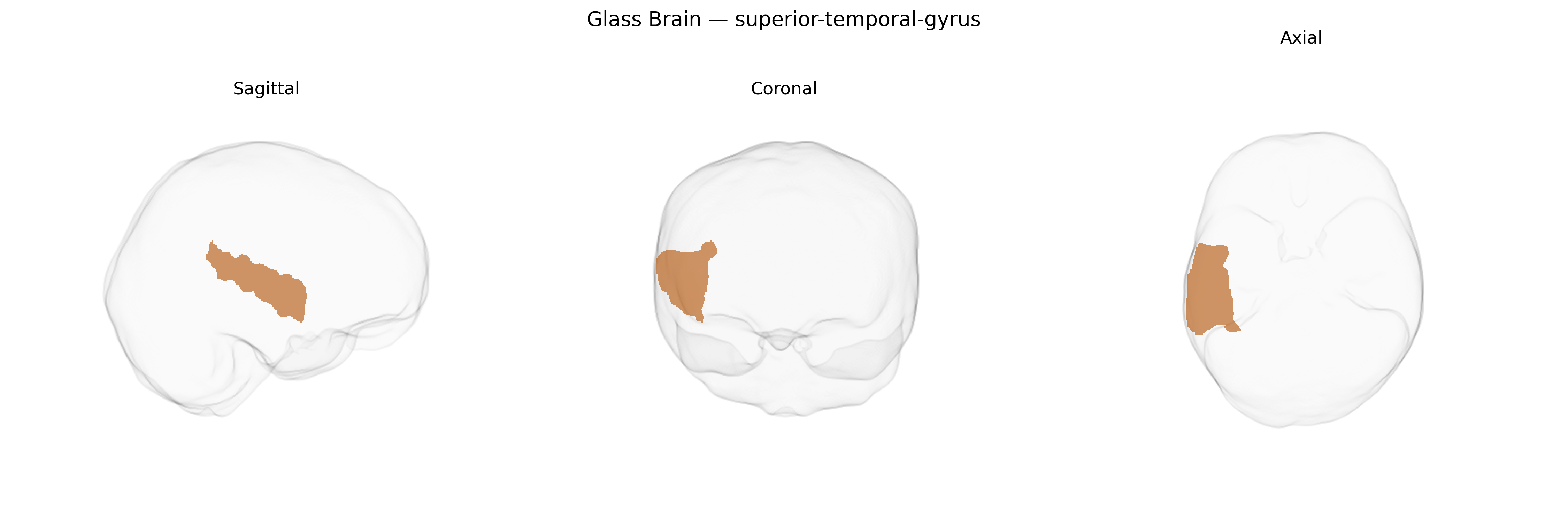
The Right superior-temporal-gyrus is a cortical region located on the lateral surface of the right temporal lobe, forming the most dorsal of the temporal gyri and running parallel to the lateral sulcus (Sylvian fissure). It participates in higher-order auditory processing, including perception and interpretation of complex sounds and aspects of speech, and contributes to social cognition functions such as processing prosody and certain features of voice and biological motion. This region interfaces with auditory association cortices, language-related networks (particularly in the right-hemisphere homologs of classic left-hemisphere language areas), and multimodal integration areas involved in integrating auditory, visual, and somatosensory information. There is no dedicated Wikipedia article specifically for the “Right superior-temporal-gyrus”; a closely related entry is Superior temporal gyrus.
The right superior temporal gyrus (STG), as defined in the brainCOLOR Atlas, has been implicated in multiple genetic and GWAS findings related primarily to language, social cognition, and psychiatric risk. Variants in genes involved in synaptic function and cortical development (such as CNTNAP2, FOXP2-related pathways, and genes in the neurexin–neuroligin family) have been associated with altered STG structure or activation, particularly in the right hemisphere for prosody and social-communication tasks. Large-scale imaging–genetics consortia (e.g., ENIGMA) have reported SNP-based heritability for superior temporal cortical thickness and surface area, with loci in pathways related to neuronal migration, glutamatergic signaling, and axon guidance contributing to interindividual variation. GWAS and candidate-gene studies link altered right STG volume or gyrification to schizophrenia and psychosis risk loci (including those near CACNA1C, GRIN2A/GRIN2B, and complement pathway genes such as C4), as well as to autism spectrum disorder burden through polygenic risk scores that correlate with atypical STG asymmetry. Additional associations include genetic influences on right STG morphology in dyslexia and specific language impairment, and polygenic overlap with traits such as hallucination proneness, social anxiety, and musical aptitude, where right STG plays a key role in auditory and prosodic processing. Overall, current genetic evidence suggests that common and rare variants affecting synaptic plasticity, cortical patterning, and auditory–language networks contribute to structural and functional variation in the right superior temporal gyrus and to susceptibility for neurodevelopmental and psychiatric disorders.
Overview generated by GPT-4o (2026).
Region ID: 114
Hemisphere: Right
Atlas: brainCOLOR
Full Quality Version: Download MP4
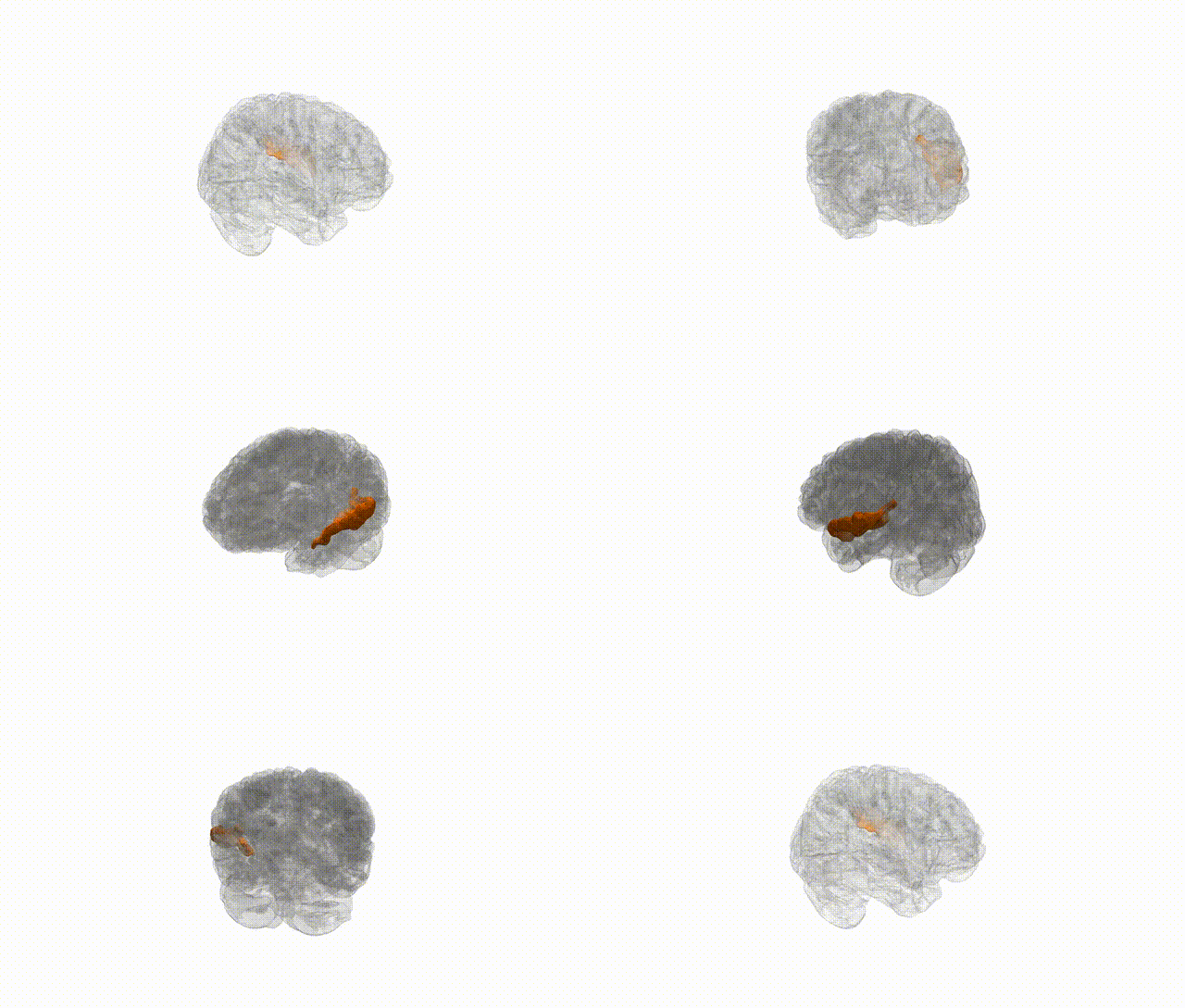
Full Quality Version: Download MP4
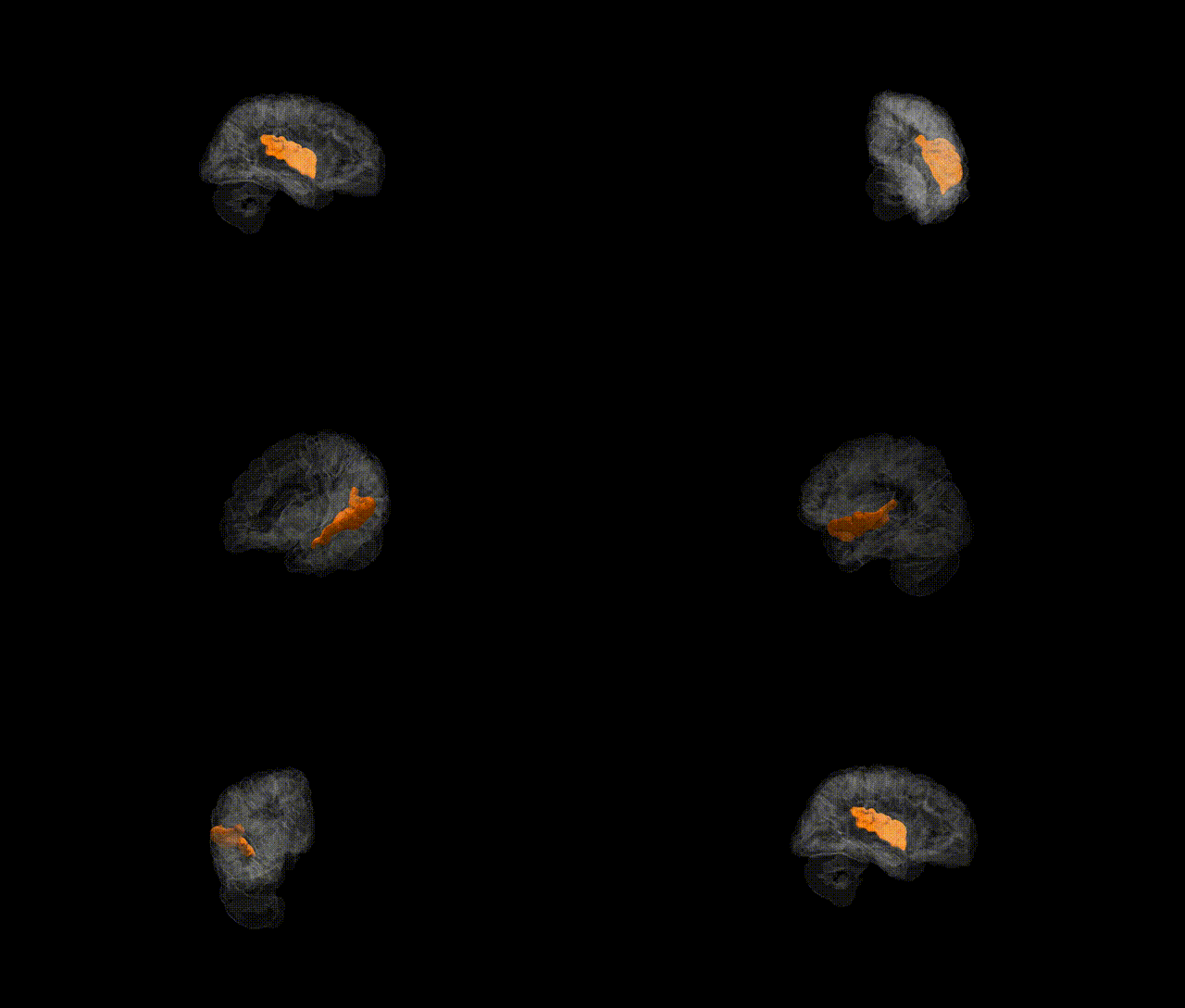
Full Quality Version: Download MP4
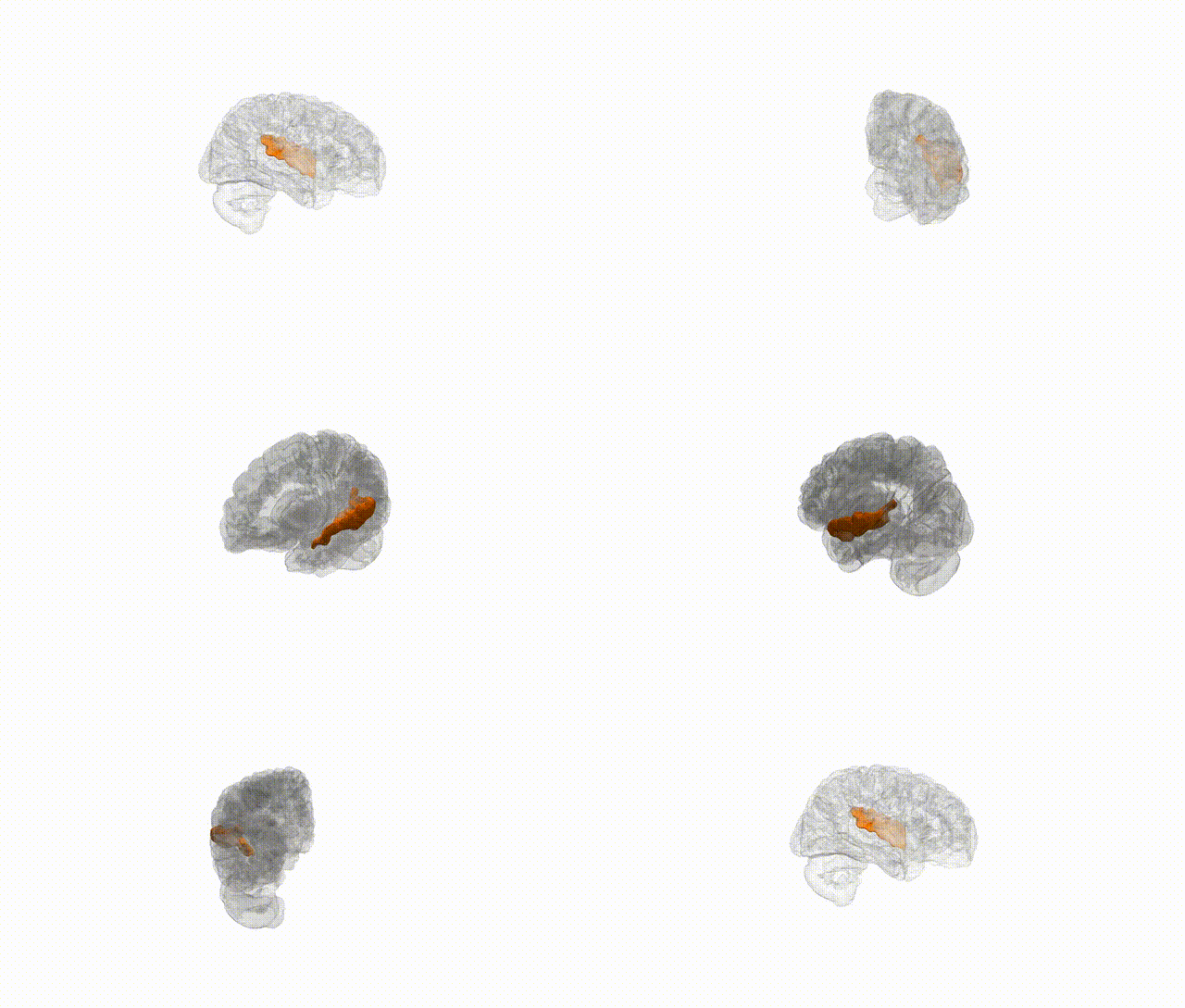
Full Quality Version: Download MP4
Wali Sidiqyar*, Gaurav Rudravaram*, Elyssa M. McMaster, Trent M. Schwartz, Adam M. Saunders, Kurt G. Schilling, Bennett A. Landman "Introducing SPINS: A Shared Public Visualization Library of Neuroanatomical Structures." Medical Imaging with Deep Learning- short paper
This resource is licensed under CC0 1.0 Universal (Public Domain).